The Continental Poodle Clip and Its Upkeep
The Continental Poodle clip is undeniably stunning, a true showstopper that turns heads and commands attention. However, many new poodle owners, captivated by its elegance, quickly realize the immense dedication and work it takes to maintain this elaborate style. This guide will walk you through the history, daily commitment, and practical upkeep strategies for keeping your poodle's Continental clip looking pristine, ensuring you're fully prepared for its unique demands.
Understanding the Continental Clip's History and Purpose
Before we dive into the nitty-gritty of brushing and bathing, it helps to understand why the Continental clip exists and what purpose it originally served. It's not just a fancy haircut invented for the show ring, though that's certainly where it thrives today. This clip has a rich history rooted in the Poodle's working past, which sheds light on its practical design.
The Working Origins of the Poodle Clip
The Poodle, as many might know, was originally bred as a water retriever. Their name, "Pudel" in German, actually translates to "to splash in the water." Imagine a dog plunging into icy cold water to retrieve waterfowl; they needed protection for their vital organs and joints, but also freedom of movement. A full, thick coat would become waterlogged and heavy, hindering their swimming ability and potentially causing hypothermia. This is where the strategic clipping came in. The working Poodle's coat was shorn away from areas that didn't need protection – the hindquarters, stomach, and parts of the legs – to reduce drag and weight. Essential areas like the chest (heart and lungs), joints (hips, knees), and a practical topknot (to keep hair out of their eyes) were left with full coats for warmth and protection. These seemingly artistic "pompoms" weren't just decorative; they were functional insulation. You can read more about The Water Dog Behind the Poodle.
Evolution to a Show Ring Standard
Over centuries, as the Poodle transitioned from a hunter's companion to a beloved companion animal and show dog, the functional clip evolved into the more exaggerated, stylized version we know today as the Continental. The core elements remained – the shaved hindquarters, the "bracelets" on the legs, the rosettes on the hips – but they became more pronounced and sculptured. What was once about practicality transformed into an art form, showcasing the Poodle's elegant structure and the groomer's skill. The development of grooming tools, techniques, and even coat care products also allowed for the maintenance of such an elaborate style that would have been far too time-consuming for a working dog. This evolution demonstrates how a breed's purpose can directly influence its aesthetic.
Anatomy of the Continental Clip
Let's break down the distinct features of the Continental clip. It's a complex pattern that requires precision and a keen eye for balance.
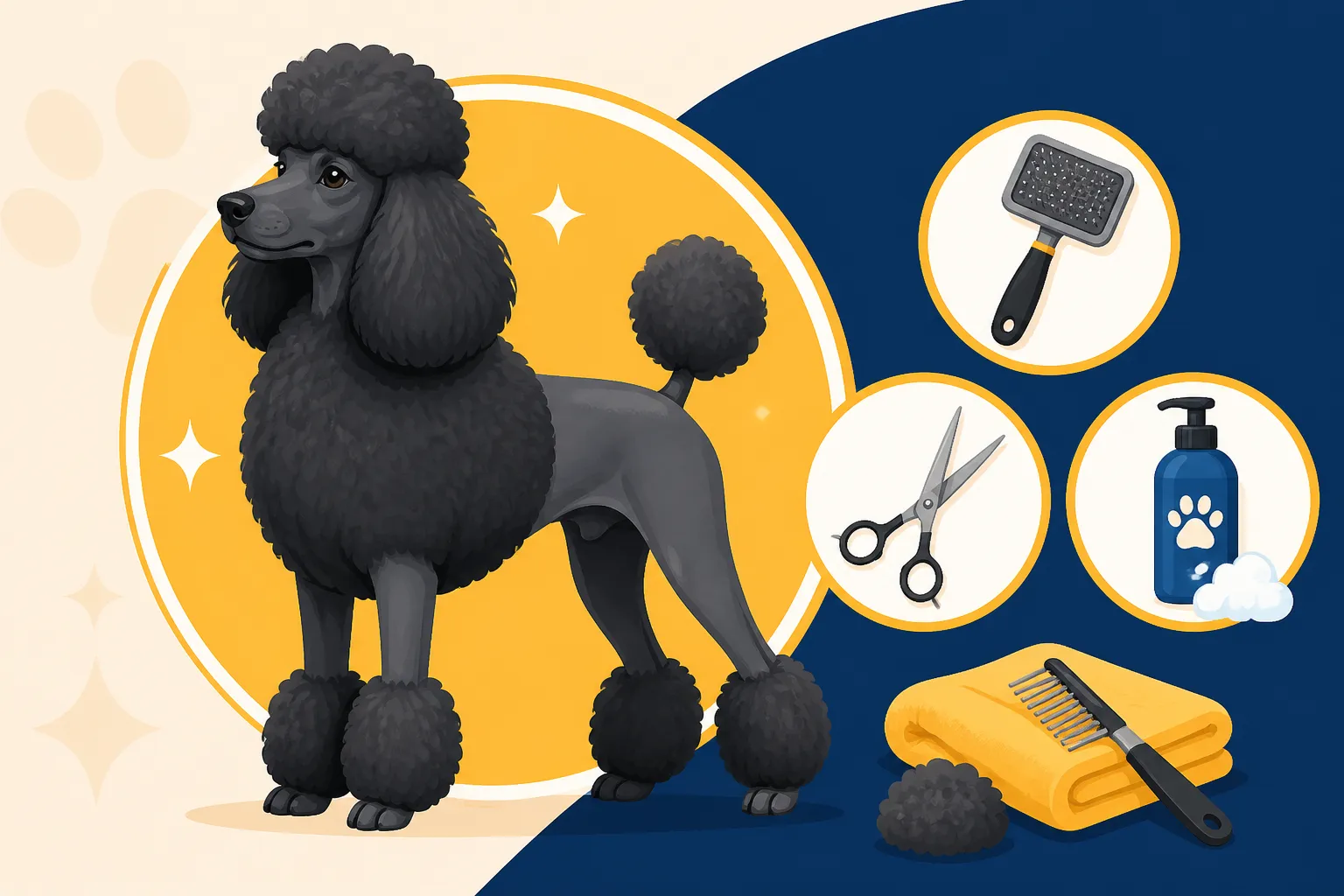
- Shaved Areas: The hindquarters are shaved from just behind the last rib down to the hocks, creating a smooth, clean look that highlights the Poodle's powerful rear angulation. The face and feet are also meticulously shaved, providing a classic, clean outline. This is often the most striking feature, emphasizing the delicate structure of the Poodle's face and paws.
- "Pompoms" and Rosettes: The most recognizable elements are the distinct circles of hair left on the hips, known as rosettes, and the full "bracelets" of hair on the lower legs. There are typically two rosettes on the hips and two bracelets on each rear leg, plus one on each front leg. These are carefully shaped and fluffed to appear perfectly spherical and substantial.
- The Full Jacket: The body of the Poodle, from the shoulders to the last rib, is left in a full, flowing coat, forming a "jacket." This jacket is then neatly scissored into an oval or rectangular shape, blending seamlessly into the shaved areas.
- Topknot and Tail: The top of the head retains a full topknot, often banded and styled upwards, again for dramatic effect. The tail is left with a full pompom at the tip, mirroring the balance of the leg bracelets. Each element is carefully thought out to present a harmonious, yet dramatic, silhouette.
The Commitment Required for the Continental Clip
Adopting a Poodle and deciding to keep them in a Continental clip is not a decision to take lightly. It's a lifestyle choice that demands significant investment – not just of money, but of your most precious resource: time. Many envision the beautiful show dogs in magazines without fully grasping the daily effort that goes into achieving and maintaining that look.
Time Investment in Daily and Weekly Grooming
The Continental clip is not a wash-and-wear style. It requires daily attention, without fail. We're talking about dedicated time every single day for brushing and combing to prevent mats. The long, flowing jacket, the bracelets, and the topknot are highly susceptible to tangles and mats, especially in areas where friction occurs, like under the collar, behind the ears, and in the armpits. If you skip even a day or two, especially during the coat change phase, you'll find yourself battling significant knots. Getting Through a Poodle's Coat Change can be particularly challenging for this clip. Weekly, you'll need a more thorough grooming session, which includes line brushing to the skin, checking for any hidden mats, and cleaning the shaved areas. This isn't a quick 15-minute job; for a Standard Poodle in a full Continental clip, these sessions can easily stretch to an hour or more, depending on your dog's activity level and coat texture. Consistency is key, and any deviation will only lead to more work down the line.
Financial Outlay for Professional Grooming
While you'll be doing a lot of maintenance at home, the Continental clip absolutely requires professional grooming. There's no way around it. Even the most skilled home groomer will struggle to achieve the precision and aesthetic balance required for this intricate style. These aren't just "haircuts"; they are sculptural works that demand expertise, specialized equipment, and hours of work. Professional groomers who can execute a proper Continental clip are artists, and their services reflect that. You can expect to visit the groomer every 4-6 weeks for a full clip and bath, with potentially even more frequent "touch-up" appointments for face, feet, and sanitary areas if you want to maintain that crisp, show-ring perfect look. This regular expenditure is a significant part of the cost of owning a Poodle, especially if you opt for this particular clip. What Grooming Adds to a Poodle's Lifetime Cost is a critical read for anyone considering this commitment.
Specialized Tools for Home Maintenance
To even attempt to maintain the Continental clip between professional appointments, you'll need a robust arsenal of grooming tools. This isn't just a basic slicker brush and comb. You'll need high-quality equipment that can handle the Poodle's unique coat.
- Slicker Brushes: Several sizes and types, specifically designed to penetrate dense Poodle coat without causing coat breakage or skin irritation.
- Metal Combs: A Greyhound comb is essential for line brushing and checking for mats. You might need fine-toothed and wide-toothed sections.
- Pin Brushes: Excellent for fluffing and finishing.
- High-Velocity Dryer: Crucial for thoroughly drying the coat straight after bathing, preventing mats from forming as it dries. Air drying a Poodle in a full coat is an invitation for disaster.
- Shears and Clippers: For touch-ups on face, feet, and sanitary areas. You'll need good quality clippers with various blade sizes (e.g., a #10 blade for sanitary areas and feet, a #30 or #40 for a super clean face).
- Shampoos and Conditioners: Specific formulas that moisturize and detangle, suitable for Poodle hair.
- Detangling Sprays: Absolutely vital for daily brushing to minimize damage and make the process easier.
These tools represent an initial investment, and some, like clipper blades, will need regular sharpening or replacement. You can often find a good selection of these tools on platforms like Amazon or Chewy.
| Aspect | Continental Clip (Show/Elaborate Pet) | Pet Clip (e.g., Puppy or Sporting Clip) |
|---|---|---|
| Time Investment (Daily) | 30-60 minutes dedicated brushing/combing | 10-15 minutes, mostly for tangles |
| Time Investment (Weekly) | 1-2 hours for thorough line brushing/checks | 30-45 minutes for full brush-out |
| Professional Grooming Frequency | Every 4-6 weeks for full clip, possibly touch-ups more often | Every 6-8 weeks for full clip |
| Home Grooming Skill Required | Advanced techniques like line brushing, scissor familiarity | Basic brushing, minor trimming |
| Tool Investment | High (HV dryer, multiple brushes/combs, clippers, shears) | Moderate (slicker, comb, basic clippers) |
| Matting Risk | Very High | Moderate |
| Overall Cost | Significantly Higher | Moderate |
A Step-by-Step Guide to Maintaining the Continental Clip at Home (Between Grooms)
Maintaining the Continental clip between professional grooming appointments is where the real work happens. This daily and weekly routine is non-negotiable if you want to keep your poodle looking its best and avoid uncomfortable, painful matting that often leads to a complete shave-down. Consistency is your best friend here.
Daily Brushing and Line Brushing Techniques
Every single day, you need to commit to a full-body brush-out. This isn't just a quick once-over; it's about getting down to the skin. The most effective method is "line brushing."
- Preparation: Have your poodle lie on their side or stand on a grooming table. Use a detangling spray generously over a small section of coat before you start. This lubricates the hair and reduces breakage.
- Sectioning: Begin at the bottom of a leg or the flank. Use one hand to hold up the top layer of hair, exposing a small "line" of coat at the bottom.
- Brush from the Skin: With your other hand, use a slicker brush to brush down and out from the skin, through that small line of hair. Work in small strokes, making sure the bristles reach all the way to the skin. If you hit a snag, stop immediately. Do not pull.
- Comb Through: After brushing a section, follow with a metal comb. The comb is your mat detector. If the comb goes smoothly through the hair from skin to tip, that section is mat-free. If it catches, go back to brushing until the comb glides through.
- Work Upwards: Once a line is complete, drop a little more hair from the top layer and repeat the process, working your way up the body, leg, or topknot.
- Focus on Mat-Prone Areas: Pay extra attention to the armpits, behind the ears, under the collar, the insides of the legs, and the "junctions" where shaved areas meet long coat. These are hotspots for mats.
This methodical approach ensures no spot is missed. It sounds time-consuming because it is, but it's far less time-consuming than dealing with severe matting. For more details, refer to Line Brushing a Poodle Explained.
Protecting the Topknot and Rosettes
The topknot and rosettes are key features of the Continental clip and require special care to prevent them from breaking, matting, or becoming dirty.
- Topknot Care: The topknot can be quite long and will constantly fall into your poodle's eyes, get dirty when they eat, or matt easily from rubbing. Many owners keep the topknot banded or wrapped between shows or professional grooms. Use soft, non-damaging bands, and change them daily to prevent skin irritation or hair breakage. You can find gentle grooming bands and wraps on Amazon. When brushing the topknot, use a pin brush first to gently separate the strands, then line brush with a slicker, and finally comb through. Use a light detangling spray.
- Rosette Protection: The hip rosettes and leg bracelets are prone to matting because they rub against surfaces when your poodle sits or lies down. Ensure these areas are thoroughly brushed daily, using the line brushing technique. Some owners use light wraps or even fitted leg protectors (like soft baby socks) on the bracelets if their poodle is particularly active or prone to matting in these areas, especially if they are going out in wet or muddy conditions. Always remove these wraps/protectors when indoors to allow the coat to breathe.
Routine Hygiene: Face, Feet, and Sanitary Areas
Even if your Poodle is in a Continental clip, you'll still need to perform regular hygiene trims between full professional grooms to keep them clean and comfortable.
- Face: The shaved face will start to grow out quickly, obscuring the Poodle's elegant expression and potentially collecting food debris around the mouth. Using small, quiet clippers (with a #10 or #30 blade) to shave the muzzle, cheeks, and around the eyes every 1-2 weeks will keep it tidy. Always be extremely careful around the eyes and nose.
- Feet: The clean-shaven feet are a hallmark of the Poodle. As hair grows back, it can trap dirt and debris, leading to infections or discomfort. Shave the top of the foot, between the pads, and around the toes with a #10 blade every 1-2 weeks. This also prevents excess hair from making your poodle slip on smooth floors. Why Pad Hair Makes a Poodle Slip highlights this concern.
- Sanitary Area: This is crucial for cleanliness and preventing messes. The hair around the anus and genitals should be kept very short with a #10 blade. This area often needs a trim weekly or bi-weekly. Always clip away from the skin, never into it, and be mindful of sensitive areas.
Learning to do these basic hygiene trims yourself will save you money on "mini-grooms" and keep your Poodle much cleaner. If you're unsure, ask your professional groomer to show you how to safely perform these touch-ups.
Essential Products and Equipment for the Continental Poodle
Maintaining a Continental clip isn't just about technique; it's also about having the right tools for the job. Investing in high-quality products and equipment will make your life easier, your Poodle more comfortable, and their coat healthier and more manageable. Skimping here often leads to frustration and ultimately, more work.
Shampoos, Conditioners, and Detangling Sprays
The Poodle coat is unique – it's hair, not fur, and requires products formulated to nourish and protect it, much like human hair.
- Shampoo: Opt for a high-quality, pH-balanced dog shampoo that is specifically designed for curly or long coats. Look for ingredients that are moisturizing and gentle, avoiding harsh sulfates that can strip the coat of its natural oils. Some Poodle owners even use shampoos designed for horses with long manes and tails, as they often have excellent conditioning properties. Always dilute shampoos according to instructions to ensure they rinse out completely. Shampoo That Suits a Curly Poodle Coat can guide your choice.
- Conditioner: This is absolutely vital for a Continental clip. After shampooing, a rich conditioner should be applied to the entire coat. It helps to seal the hair shaft, reduce tangles, prevent breakage, and add shine. Leave-in conditioners can also be beneficial between baths. Thoroughly rinsing out all product is crucial to prevent skin irritation or a dull, sticky coat.
- Detangling Spray: This is your daily grooming essential. A good detangling spray (also called a conditioning spray or line-brushing spray) provides slip to the hair, making brushing easier and reducing static. Apply it liberally to sections of the coat before brushing, especially on dry coat. It prevents breakage and helps the brush glide through more smoothly. Many reputable pet brands offer excellent detangling sprays; check out options on Chewy or Amazon.
Brushes, Combs, and Clippers
Your hands-on tools are critical for success in Continental clip maintenance.
- Slicker Brushes: You'll likely need a sturdy, high-quality slicker brush with firm pins that can penetrate the dense Poodle coat. A good one will have comfortable ergonomics for your hand, as you'll be using it daily. Some groomers prefer a slightly softer slicker for finishing or for more delicate areas.
- Metal Combs: A steel Greyhound comb with both wide and fine teeth is indispensable. The wide teeth are for initial detangling, while the fine teeth are used to check for any remaining mats right down to the skin. A smaller face comb can also be useful for delicate areas around the eyes and mouth.
- Pin Brush: Ideal for fluffing the finished coat and gently working through the longer sections, especially the topknot and rosettes. Look for one with smooth, rounded pins to avoid scratching the skin.
- Clippers: A good quality set of clippers with detachable blades is a must for home hygiene trims. Professional-grade clippers offer durability, power, and low vibration, making the experience more comfortable for your Poodle. You'll need at least a #10 blade for feet, face, and sanitary areas, and potentially a #30 or #40 for a super close shave on the face. Keep blades sharp and cool during use to prevent clipper burn. There are many reputable clipper brands available on Amazon or specialty grooming supply stores. What Poodle Clippers and Blades Cost can help you budget.
- Shears (Scissors): A good pair of straight shears for tidying up edges around the jacket or rosettes, and possibly thinning shears for blending, can be useful once you gain confidence.
Bands, Wraps, and Protective Gear
These accessories play a crucial role in protecting the longer sections of the Continental coat.
- Grooming Bands: Small, latex-free elastic bands are used to band the topknot, keeping hair out of your poodle's eyes and preventing mats. Always choose soft, flexible bands that won't pull or break the hair. Change them daily to avoid creating pressure points or cutting off circulation.
- Wraps/Snoods: For very long topknots, a silk or satin wrap (snood) can protect the hair from breaking or getting dirty, especially during meal times or while playing. These also help keep the topknot straight and mat-free.
- Coat Conditioners/Oils: Light oils or coat conditioners can be applied to the ends of the longer hair to prevent dryness and breakage, particularly in the bracelets and jacket. Be careful not to use too much, as it can make the coat greasy and attract dirt.
- Grooming Table: While not strictly a product, a grooming table provides a stable, elevated surface for grooming, saving your back and making the process safer and more efficient. Even a small, portable one can make a huge difference.
Common Challenges and Troubleshooting
Even with the best intentions and the right tools, maintaining a Continental clip presents its own set of unique challenges. These magnificent coats are a lot of work, and it's easy to get frustrated. Understanding common pitfalls and how to troubleshoot them can make the journey much smoother.
Dealing with Matting in Longer Sections
Matting is the bane of every Poodle owner's existence, especially those with long coats like the Continental clip. A mat is essentially a knot that has tightened and formed a dense clump, often pulling on the skin and causing pain.
- Prevention is Key: The best way to deal with mats is to prevent them in the first place. This circles back to daily line brushing with detangling spray. Regular bathing (properly dried!) also helps keep the coat clean and less prone to matting.
- Small, Manageable Mats: If you find a small mat, do not pull at it with a brush. First, isolate the mat. Apply a generous amount of detangling spray or a specialized mat-removing spray directly onto the mat. Use your fingers to gently try and pull the mat apart from the outside edges, working inward. Then, use the tip of a metal comb or a mat splitter (a tool with a razor-sharp blade designed to cut through mats) to carefully separate the strands. Work slowly and patiently, always holding the hair at the base of the skin to minimize pulling.
- Severe Matting: If a mat is large, tight, or close to the skin, trying to brush it out can be incredibly painful for your Poodle and may cause skin irritation or even open wounds. In these cases, the kindest and safest option is to have a professional groomer shave it out. They have the experience and specialized equipment to remove mats without injuring your dog. While it might mean sacrificing some of the elaborate clip for a while, your dog's comfort and health must come first. Why Groomers Refuse Severely Matted Poodles explains the risks involved.
Maintaining Coat Health and Preventing Breakage
The Continental clip requires the hair to be long and flowing, which means keeping it healthy and strong is paramount. Breakage can ruin the aesthetic and make grooming even harder.
- Nutrition: A high-quality diet is fundamental to coat health. A diet rich in essential fatty acids (omega-3 and omega-6) can significantly improve coat strength, shine, and skin health. Consider talking to your vet about supplements like fish oil. While brands like Ollie and Chewy offer excellent food options, always ensure the diet supports skin and coat.
- Proper Brushing Technique: Aggressive brushing, especially on a dry coat, can cause hair breakage. Always use a detangling spray and brush gently, working from the ends of the hair up to the roots. Never rip through tangles.
- Conditioning: Regular conditioning after baths helps keep the hair shaft smooth and less prone to friction and breakage. Leave-in conditioners can also provide ongoing protection.
- Environmental Factors: Protect your Poodle's coat from harsh elements. Excessive sun exposure can dry out and damage hair, just like it can human hair. Chlorine from swimming pools can also be very drying; always rinse your poodle thoroughly with clean water after a swim and apply conditioner.
Addressing Skin Issues Under the Coat
The dense Poodle coat, especially when kept long in a Continental clip, can create an environment where skin issues can easily go unnoticed or worsen.
- Dampness and Hot Spots: If the coat isn't dried thoroughly after a bath or if your Poodle gets wet from rain or swimming, trapped moisture can lead to skin irritation, fungal infections, or bacterial hot spots. This is why a high-velocity dryer is so crucial – it gets the coat completely dry right down to the skin. If you notice persistent licking, redness, or a foul odor under the coat, lift the hair and inspect the skin.
- Allergies: Poodles can suffer from allergies, which manifest as itchy skin, redness, and excessive licking or scratching. The long coat can hide these symptoms until they become severe. Regular, thorough grooming allows you to inspect your Poodle's skin regularly. If you suspect allergies, consult your veterinarian. Poodle Allergies and Skin Reactions delves deeper into this topic.
- Sebaceous Adenitis: This is a genetic skin condition common in Standard Poodles, which can be particularly challenging to manage with a long coat. It causes inflammation and destruction of the sebaceous glands, leading to dry, scaly skin, hair loss, and dull, brittle hair. The symptoms can be hidden by the coat. Regular oil soaks and specific grooming regimens are often required. How Adenitis Shows Up on a Poodle's Back provides more information. If you suspect SA, a vet diagnosis is essential.
When to Call a Professional Groomer
While home maintenance is critical for a Continental clip, there are times when only a professional groomer will do. Understanding when to seek expert help ensures your Poodle's coat remains healthy and the clip maintains its distinctive style. Think of your professional groomer as a partner in your poodle's care, not just a service provider.
Scheduling Regular Professional Appointments
The Continental clip is not a DIY project when it comes to the full trim. It requires the eye, skill, and specialized tools of an experienced professional.
- Full Clip & Style: Typically, a Poodle in a Continental clip will need a full professional grooming session every 4 to 6 weeks. This appointment involves a thorough bath, blow-dry, precise clipping of the shaved areas, and meticulous scissoring of the jacket, rosettes, and bracelets to maintain their perfect shape and balance. Trying to do this yourself will likely result in an uneven, unbalanced, and often disastrous look.
- "Between" Grooms/Touch-ups: Some owners opt for "mini-grooms" or "face, feet, and sanitary" touch-up appointments between full clips, perhaps every 2-3 weeks. This keeps the quick-growing areas pristine and extends the life of the full clip, reducing the burden of home maintenance in those specific areas. Discuss these options with your groomer to see what schedule works best for your Poodle and your budget.
Signs Your Poodle Needs a Professional Intervention
Sometimes, despite your best efforts, things can go awry. Knowing when to admit defeat and call in a professional is key to preventing discomfort for your Poodle and saving yourself hours of frustration.
- Unmanageable Matting: If you encounter large, tight mats that you cannot gently work out with detangling spray and a comb, it's time to call the groomer. Attempting to force a comb through severe mats will cause significant pain and could injure your Poodle's skin. A professional can often safely shave out specific mats without sacrificing the entire clip, or advise if a full shave-down is necessary for your Poodle's well-being.
- Skin Irritations or Hot Spots: If you notice persistent itching, redness, sores, or any unusual bumps or odors under your Poodle's coat, a professional groomer can often help identify the issue and might need to shave the area to allow it to heal and for topical treatments to be applied. They might also recommend a vet visit.
- Overgrown Nails: While you should be doing nail trims at home, if your Poodle's nails have become excessively long or you're uncomfortable clipping them, a groomer can do it safely and quickly. Overgrown nails can cause pain and affect your Poodle's gait.
- Ear Infections: Poodles are prone to ear infections due to their drop ears and hair growth inside the canal. If you notice a foul odor, redness, discharge, or excessive scratching at the ears, a groomer can clean and pluck the ear hair, but you'll likely need a vet visit for medication. Ear Infections Under a Poodle's Drop Ears covers this in detail.
Finding a Groomer Experienced in Continental Clips
Not all groomers are created equal, especially when it comes to specialized clips like the Continental. This is a highly skilled art form, and you need someone with specific expertise.
- Look for Specialization: Seek out groomers who specifically mention Poodles or show grooming in their services. Ask to see a portfolio of their work, especially photos of Poodles in Continental clips. A good groomer will be proud to show off their skill.
- Ask for References: Get recommendations from other Poodle owners in your area, especially those who show their dogs or keep them in elaborate clips. Your Poodle's breeder might also have recommendations.
- Visit the Salon: Before making an appointment, visit the grooming salon. Is it clean? Does it smell fresh? Are the animals there calm and well-cared for? Observe how the groomers interact with the dogs.
- Consultation: Schedule a consultation with the potential groomer to discuss your expectations for the Continental clip, their experience, their pricing, and their grooming philosophy. A good groomer will be transparent and happy to answer all your questions. They should also be able to advise on what your Poodle's coat condition might realistically allow.
Finding the right groomer is an investment in your Poodle's comfort and appearance, and it's worth taking the time to choose wisely.
Disclaimer
This article is for general informational purposes only and does not constitute professional advice. Laws, prices and regulations vary by location and change over time. Consult a qualified professional for guidance on your specific situation.