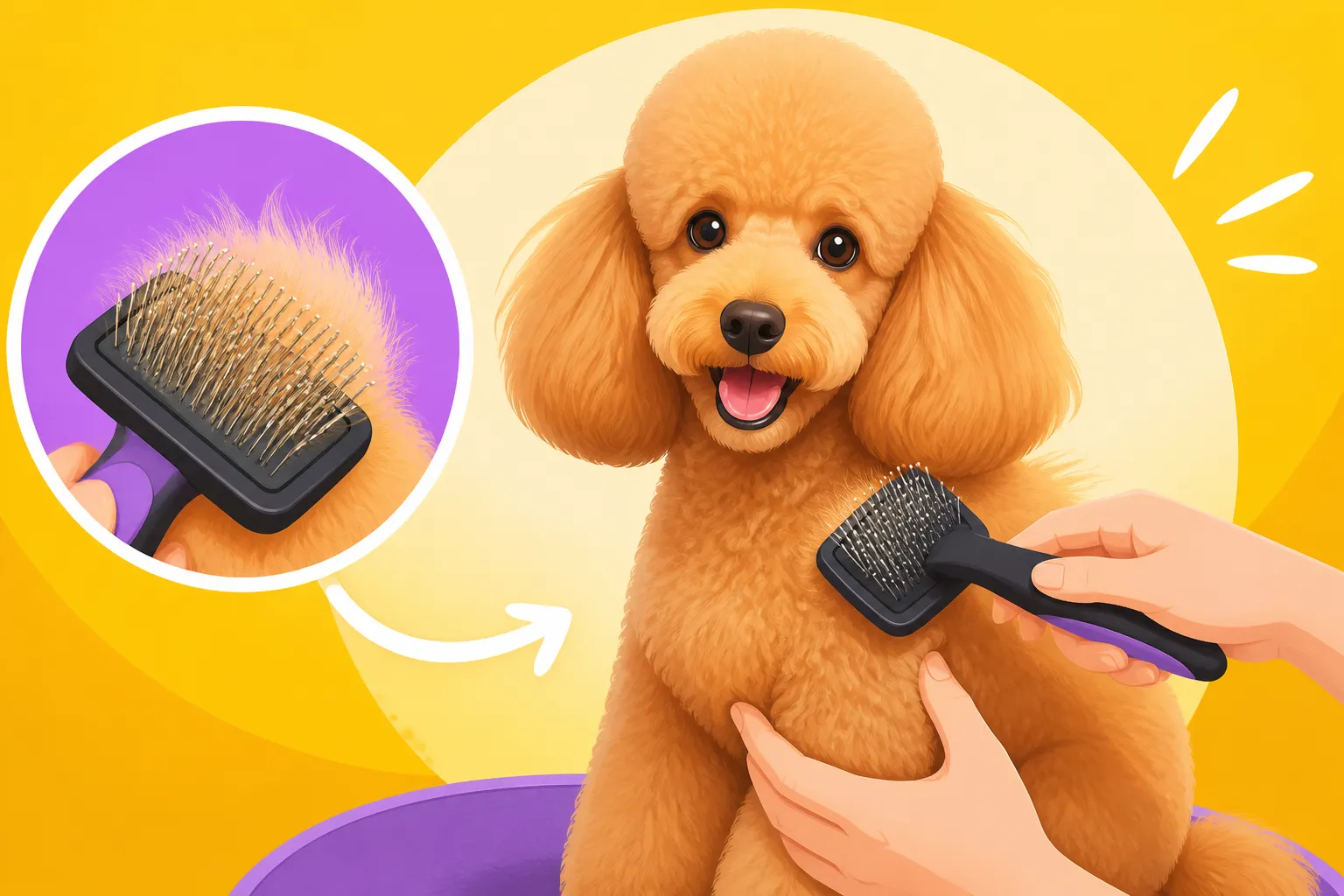
Brushing a Poodle in a Short Clip
It's a common, and completely understandable, misconception that if your Poodle is in a short clip, you can essentially kick back and forget about the rigorous daily brushing routine. Many new Poodle parents, and even some seasoned ones, breathe a sigh of relief after a good short cut, thinking "Phew, no more mats for a while!" The truth, unfortunately, is a little more nuanced, and skipping even a short-coated Poodle's brushing can lead to painful, skin-tight matting, which this guide will help you prevent.
The Persistent Need for Brushing, Even in a Short Clip
You might think that once your Poodle has that adorable short puppy clip or a neat sporting cut, the daily battle against mats is over. I've been there, optimistically thinking a quick pass with a brush would be enough. But the Poodle coat is a marvel of nature, designed to protect them in water, and it grows relentlessly. This unique hair type, unlike fur, continues to grow and doesn't shed in the traditional sense, which is why we Poodle owners are so diligent about grooming. Even when cut short, that curly, dense hair still has a strong tendency to tangle and lock together, especially in areas of high friction.
The Unique Nature of Poodle Hair
Poodle hair is an extraordinary thing – it's often described as being more like human hair than animal fur. It’s a single coat, meaning there's no soft undercoat to contend with, but each strand is finely curled and grows continuously. This continuous growth is a double-edged sword: great for allergy sufferers because it traps shed hair rather than releasing it into your home, but challenging for grooming because that trapped hair quickly forms knots with the growing hair around it. Even a "short" clip still leaves enough length for this intricate locking mechanism to begin.
Imagine you've given your Poodle a lovely, practical kennel clip, maybe just an inch or so all over. It looks neat, feels soft, and you think you're in the clear. But those individual hairs are still growing and intertwining. When they reach even a quarter to half-inch in length, the natural curl pulls them together. Add in some friction from a harness, a collar, or even just rolling around on the carpet, and those tiny curls start to grab onto each other, creating miniature felt patches that grow surprisingly quickly into painful mats. This is why even a shaved-down Poodle will start to show signs of matting again within a few weeks if not brushed. You can explore Why a Poodle Coat Mats Instead of Shedding to understand this process more deeply.
Hidden Hotspots for Mat Formation
While a short coat significantly reduces overall matting, certain areas on your Poodle are still highly susceptible. These are typically places where skin rubs against skin, where equipment causes friction, or where moisture tends to linger. Neglecting these spots, even with an otherwise pristine short clip, is a recipe for disaster.
Think about your Poodle's armpits, for instance. Every time they walk or play, their front legs rub against their body, creating constant friction. This area, often overlooked, can develop tight, painful mats that pull at the skin. The same goes for behind the ears, where the drop ears can trap moisture and heat, creating a perfect environment for tangles to form quickly. Many Poodles also get mats under their collar or harness, around the tail base, and even in their sanitary areas where urine or feces can cause the hair to clump. I’ve seen Poodles come in with perfectly groomed bodies but a solid mat behind one ear because that one spot was missed. Knowing The Spots Mats Form First on a Poodle can really help you target your efforts.
| Hotspot Area | Why Mats Form Here | Brushing Strategy |
|---|---|---|
| Armpits | Constant friction from leg movement | Lift leg, brush gently against the grain with slicker. |
| Behind the Ears | Moisture, friction from head movement, drop ears | Hold ear back, use pin brush/slicker carefully. |
| Under Collar/Harness | Equipment rubbing, pressure points | Remove gear, brush thoroughly, especially where it sits. |
| Groin/Sanitary | Urine/feces can clump hair, skin-on-skin rubbing | Very gentle, small slicker or comb, keep trimmed short. |
| Tail Base | Frequent wagging, sitting, friction against surfaces | Brush thoroughly, paying attention to the underside. |
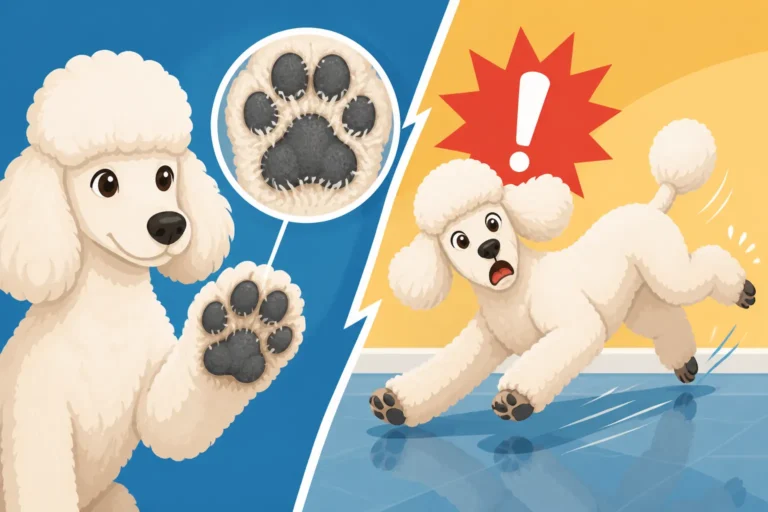
| Paws/Between Toes | Traps debris, moisture, constant pressure | Use small slicker/comb to clear hair from pads. |
Essential Tools and Techniques for a Short-Coated Poodle
Okay, so we've established that brushing is still a must. Now, let's talk about how to do it effectively without feeling like you're performing surgery. Even with a short clip, having the right tools makes a monumental difference. Trying to brush a Poodle with the wrong kind of brush is like trying to paint a masterpiece with a toothbrush – frustrating and ultimately ineffective.
Choosing the Right Brushes and Combs
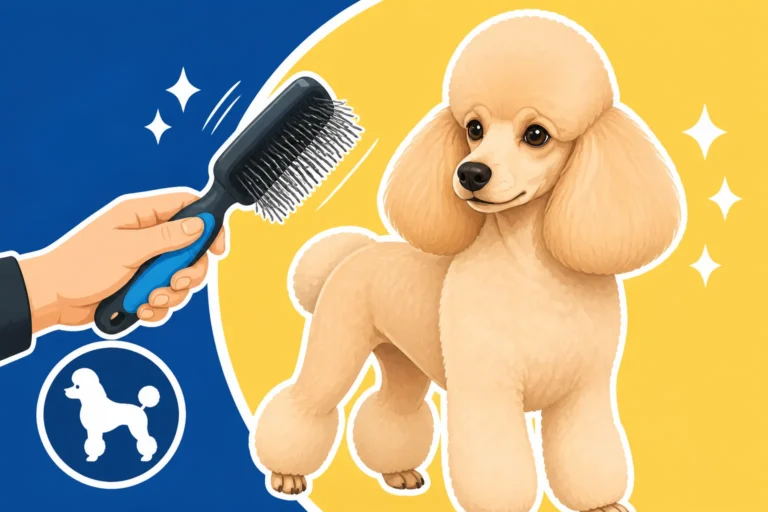
Even though the hair is short, you still need tools that can get down to the skin. A good slicker brush and a sturdy metal comb are your absolute best friends. Forget those soft, bristly brushes; they simply glide over the top of the coat, doing nothing to prevent mats where they really form – at the base of the hair, close to the skin.
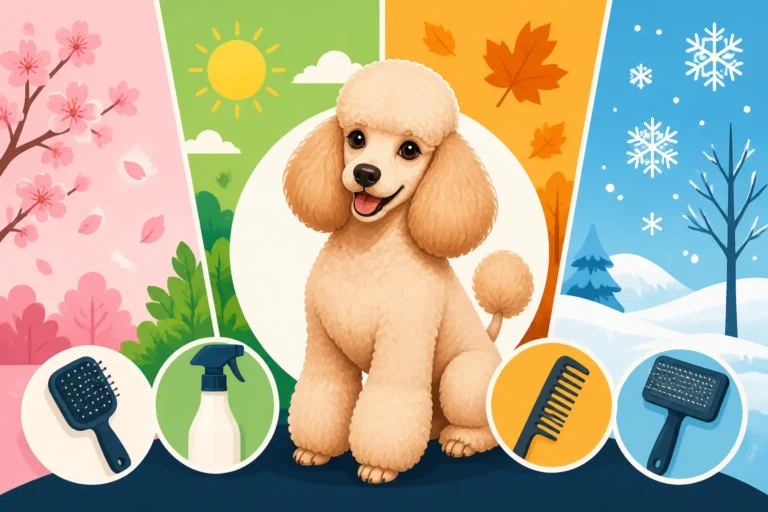
A quality slicker brush, often found on places like Amazon or Chewy, has fine, bent wire bristles that are designed to separate and detangle individual hairs without scratching the skin if used correctly. For a short clip, you don't necessarily need the largest slicker, but one that fits comfortably in your hand and has a good amount of flexibility in its pad. A Greyhound comb (or any similar sturdy metal comb with both wide and fine teeth) is equally crucial. This is your "mat detector" – after brushing, the comb should glide through the hair easily, all the way to the skin. If it catches, you know there’s a mat lurking. Don't be tempted by cheap, flimsy plastic combs; they'll break, pull hair, and cause discomfort. If you're looking for specifics, Which Slicker Suits a Poodle Coat can give you more detailed guidance.
Mastering Proper Brushing Technique
The secret to effective brushing, even with a short coat, is a technique called "line brushing." This isn't just for show Poodles with long coats; it's essential for getting through all the hair layers, right down to the skin, regardless of length. Think of it like parting the hair in sections and brushing from the roots out.
Start by gently parting a small section of your Poodle's hair, perhaps on their flank or a leg. Hold the hair above the part with one hand, exposing the skin. With your other hand, use the slicker brush to brush the hair underneath the part, in small strokes, working your way down to the skin. Once that small section is brushed through, let down a little more hair and repeat the process, working in horizontal lines across the body, or vertical lines down the legs. Always brush in the direction the hair grows, but make sure each stroke starts at the skin. After you've brushed a section, follow up with your metal comb. If the comb passes through effortlessly, you've done a great job! If it snags, go back with the slicker brush until it's smooth. This is truly the key to Brushing a Poodle to the Skin.
Addressing Specific Body Parts
Some areas require a bit more finesse and attention. The legs, for example, tend to be high-traffic zones for mats due to movement. When brushing the legs, gently lift each leg and work in sections, paying close attention to the inside of the thigh and the armpits. These areas are prone to developing very tight mats that can restrict movement and be quite painful.
For the face and ears, be extra gentle. Use a smaller slicker brush or even just the fine-toothed side of your metal comb for the delicate hair around the eyes and mouth. For the ears, hold the ear leather firm and brush the hair on both sides, ensuring you get right behind where the ear meets the head. And don't forget the tail! Poodles use their tails a lot, and the hair there can tangle surprisingly easily. Brush it out completely, from base to tip. Always keep an eye out for any redness or irritation, and make sure your Poodle is comfortable throughout the process.
Establishing a Consistent Brushing Routine
Consistency is truly your best friend when it comes to Poodle grooming, regardless of coat length. It's far easier to prevent a mat than to remove one. A regular, even if short, brushing session helps keep the coat healthy, distributes natural oils, and provides a wonderful opportunity for bonding with your Poodle.
Recommended Frequency for Short Clips
Even with a short clip, aiming for a brushing session at least once or twice a week is a solid strategy. For very active Poodles, or those with clips longer than an inch, you might find that every few days is more appropriate. The goal is to catch any tangles before they have a chance to solidify into full-blown mats. Remember, Poodle hair grows back pretty quickly, so that short clip might not stay as short as you think for long! How Fast a Poodle Coat Grows Back can give you an idea of what to expect.
A shorter, more frequent session is always better than a long, arduous one where you're battling stubborn mats. Think of it as preventative maintenance, much like changing the oil in your car. It's a small investment of time that saves you a much bigger headache (and potentially vet bill for sedation if matting gets severe) down the road. This also allows you to check for any skin issues, bumps, or pests that might be hiding under that curly coat.
Making Brushing a Positive Experience
No one wants grooming to be a struggle, least of all your Poodle. The key is to make it a positive, calm, and even enjoyable experience for both of you. Start early with puppies, even just a few minutes of gentle handling and brushing a day. Associate brushing with positive reinforcement – think tasty treats, praise, and gentle strokes.
Find a quiet time when your Poodle is relaxed, perhaps after a walk or a play session when they're a bit tired. Keep your sessions short, especially when starting out, and gradually increase the duration as your Poodle becomes more comfortable. If they show signs of discomfort or fear, take a break. Never scold or punish your Poodle for not cooperating; this will only make them associate grooming with negativity. A chew toy or a lick mat can be a great distraction, keeping them happily occupied while you work. Some owners even reserve special high-value treats, perhaps from brands like Ollie, just for grooming time to build a strong positive association.
Integrating Brushing with Other Grooming
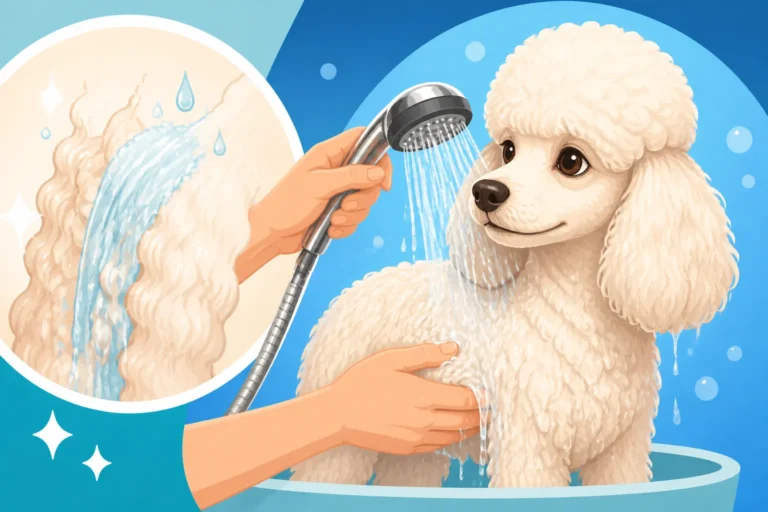
Brushing isn't a standalone activity; it's part of a larger grooming ecosystem. Ideally, you should give your Poodle a thorough brush-out before every bath. Water, especially with shampoo, will tighten any existing tangles into solid, impenetrable mats that are incredibly difficult to remove once dry. This is a lesson many Poodle owners learn the hard way!
So, before their bath, dedicate time to combing through their entire coat, ensuring it's completely mat-free. After the bath, when the coat is towel-dried, brush them again while you dry with a force dryer to ensure the hair dries straight and tangle-free. This combination of pre-bath brushing, careful washing, and post-bath brushing and drying is paramount to maintaining a healthy, mat-free coat, even in a short clip. Don't forget their nails and ears during these sessions, making it a full spa day experience.
Dealing with Unexpected Mats in Short Coats
Even the most diligent Poodle owner can find a surprise mat now and then. Life happens, and sometimes a brushing session gets missed, or your Poodle has an extra-rough playdate. The trick is to address these tangles promptly and know when it’s time to call in the professionals.
Spot Treatment for Small Knots
For small, isolated tangles, you might be able to tackle them yourself. The first step is not to pull or yank at the mat. That's painful and will only make it worse. Instead, apply a good detangling spray (you can find many options on Chewy or Amazon) liberally to the mat. Let it sit for a few minutes to penetrate the hair.
Then, using the end of your metal comb or your fingers, gently try to tease the mat apart, starting from the outermost edges and working your way inward. Think of it like unpicking a knot in yarn, thread by thread. Once you've loosened it a bit, you can use the slicker brush to carefully brush through the separated hairs. Take frequent breaks if your Poodle gets restless. This is a slow, patient process, and it's always better to take your time than to cause pain or resentment.
When to Call the Professional Groomer
There comes a point when a mat is simply too big, too tight, or too close to the skin for you to safely remove it at home. If you find a mat that feels like a solid patch of felt, or one that's pulling at your Poodle's skin when you try to manipulate it, it's time to call your professional groomer. Attempting to cut out severe mats with scissors at home is incredibly dangerous – Poodle skin is thin and easily nicked, especially when hidden underneath tight mats. Many a well-meaning owner has accidentally cut their Poodle while trying to be a hero.
A professional groomer has specialized tools, like powerful clippers with various blade lengths, and the expertise to safely and efficiently remove even severe mats. They can often work beneath the mat without hurting the skin, or if necessary, perform a full "shave down" to completely start fresh. While a shave down might not be the look you want, it's often the kindest thing for a severely matted Poodle. They'll be much happier without those painful mats pulling at their skin. Surcharges Groomers Add for a Matted Poodle are also a reality, so catching mats early saves money too.
Preventative Measures for a Healthy Coat
Beyond regular brushing, there are other preventative measures you can take to keep your short-coated Poodle mat-free. Ensuring your Poodle's diet is rich in omega fatty acids can contribute to healthy skin and coat, making the hair less prone to breakage and matting. Consider adding a fish oil supplement if your vet approves, or using a high-quality food from a brand like Ollie.
Regular checks of those mat-prone hotspots are also crucial. A quick daily pat-down behind the ears, in the armpits, and under the collar only takes a minute but can catch a tiny tangle before it becomes a monster. Be mindful of collars and harnesses that are too tight or rub excessively. If your Poodle swims frequently, ensure they are thoroughly rinsed and dried after each swim, paying special attention to brushing through their coat. The less moisture and friction, the less opportunity for mats to form, even on that seemingly low-maintenance short clip.
Disclaimer
This article is for general informational purposes only and does not constitute professional advice. Laws, prices and regulations vary by location and change over time. Consult a qualified professional for guidance on your specific situation.