The Spots Mats Form First on a Poodle
It's a familiar scenario for many Poodle parents: you spend time diligently brushing, feeling pretty confident you've got this beautiful coat under control, only to discover a dense, stubborn mat hidden away in a spot you barely thought to check. That feeling of surprise, and sometimes even a little guilt, is totally normal. Poodles have a unique coat that's a true marvel, but also a magnet for tangles. This guide is all about shining a light on those sneaky spots where mats love to form first, so you can be a step ahead in keeping your Poodle comfortable and mat-free.
Understanding Why Poodle Coats Are Mat Magnets
Before we dive into where mats appear, let's talk about why the Poodle coat seems almost predisposed to them. It's not a flaw in your grooming technique, it's just the nature of the beast, so to speak! Poodles have truly exceptional hair, but with great hair comes great responsibility.
The Unique Nature of Poodle Hair
Unlike many breeds with fur that sheds seasonally, Poodles have hair that just keeps growing, much like human hair. It's a continuous growth cycle, and that's precisely why it's considered "hypoallergenic" – it doesn't shed in the traditional sense, scattering dander and loose hairs everywhere. However, the trade-off is that any hair that does naturally detach from the follicle gets caught within the surrounding curls. Instead of falling out, it stays intertwined, creating the perfect starting point for tangles.
Think of it like a ball of yarn that's constantly adding new threads to itself. If you don't regularly untangle and separate those threads, they'll inevitably bind together into a dense knot. This is the essence of why a Poodle's coat mats so easily. The curl itself also contributes, as individual strands readily hook onto each other, especially when pressure or movement is involved. You're not just brushing to remove dirt; you're actively separating hair that wants to intertwine. For a deeper dive into this, you might find The Poodle Coat and Why It Never Stops Growing really helpful.
Friction and Moisture: A Mat's Best Friends
Beyond the inherent nature of the hair, two major factors accelerate mat formation: friction and moisture. Friction occurs constantly in a dog's daily life. This can be anything from the rubbing of a collar or harness against the neck and chest, to the movement of legs against the body, or even just lying down on a favorite bed. Every time hair rubs together, it encourages those tiny, detached hairs to bind with the growing hair. Over time, this repetitive friction compresses the hair, making it denser and tighter.
Moisture, whether from a bath, a rainy walk, or even just drool, is another significant culprit. Wet hair tends to tangle more easily than dry hair, and if it's not thoroughly dried and brushed out afterwards, those damp tangles will dry into incredibly tight, almost felt-like mats. Even a quick swim in the lake or a roll in dew-covered grass can be enough to start the matting process if the coat isn't addressed quickly. It's a relentless battle, but understanding these root causes helps us combat them effectively.
The Sneaky Spots: Where Poodle Mats Love to Hide
Now for the critical part: identifying those specific areas that are notorious for secretly harboring mats. These are often high-friction points, areas prone to moisture, or simply spots that are harder to reach or see during a routine brush. Knowing these places is half the battle won, allowing you to focus your grooming efforts where they're most needed.
High-Friction Zones You Might Miss
These are the areas where constant movement and contact create the perfect storm for mats, often developing quickly and deeply without you realizing until it's too late.
-
Armpits & Groin: These areas are perpetually in motion as your Poodle walks, runs, and plays. The hair here is often finer and softer, making it more prone to tangling, and the skin is quite delicate. Mats in the armpits can become incredibly painful, restricting movement and causing skin irritation. When brushing, you often need to lift your Poodle's legs to properly access these spots, which can be awkward but is absolutely essential. Don't just skim the surface; get right into the "armpit crease."
-
Behind the Ears & Neck: This is a classic mat hotspot, and for good reason. The hair here is soft and plentiful, and it experiences friction from head movements, scratching, and of course, the constant rubbing of collars or harnesses. Many Poodles also love a good head scratch behind the ears, which can inadvertently push hair into tangles. These mats can form surprisingly quickly, often starting as small knots that rapidly tighten into large, flat felt pads right against the skin. Regular petting is a great way to bond, but it can also be a sneaky way to compact incipient tangles. When you're brushing, make sure to thoroughly comb through the hair just under and behind the ears, as well as all around the collar line. For targeted advice, check out Checking a Poodle's Armpits and Ears for Mats.
-
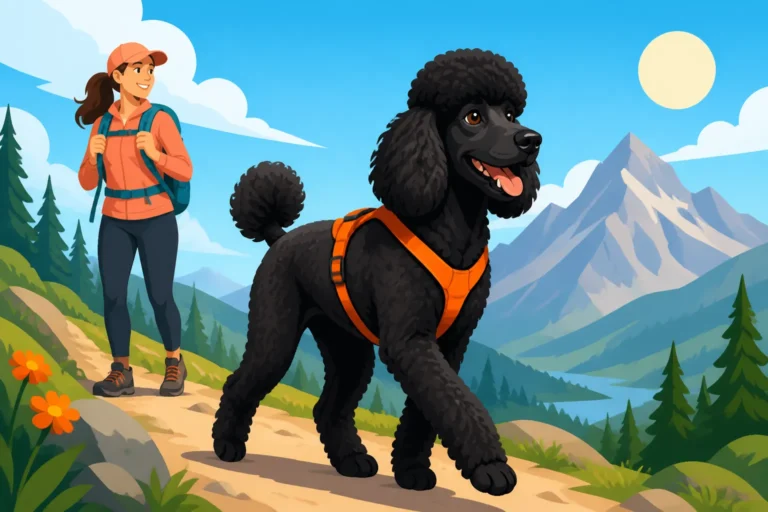
Under the Collar/Harness: This seems obvious, but it's often overlooked during quick brushes. Any item of clothing or equipment that sits on your Poodle's coat for extended periods creates friction. The hair beneath collars and harnesses gets compressed and rubbed constantly, making it an ideal breeding ground for mats. It's crucial to remove your Poodle's collar and harness for every single grooming session, no matter how brief, to allow you full access to the hair underneath. If you leave these on, you're guaranteed to find a nasty surprise when you eventually take them off.
Areas Prone to Moisture and Dirt Accumulation
Water, saliva, and dirt are notorious for causing hair to clump and mat. These areas require diligent attention, especially after outdoor adventures or mealtimes.
-
Feet and Paws: Poodles are active dogs, and their feet are always encountering something – wet grass, mud, snow, sand, or just plain old floor grime. The hair between their paw pads and around their ankles can quickly accumulate debris and moisture, leading to tight, painful mats that can make walking uncomfortable. Many Poodles also lick their paws, and the constant moisture from saliva can further exacerbate matting. Regular trimming of the hair between the pads is a good preventive measure, but daily brushing and thorough drying after walks are non-negotiable.
-
Muzzle and Beard: If your Poodle has a longer facial trim, their muzzle and beard are constantly getting wet from drinking, soggy from food, and sometimes stained by drool. This wet, food-encrusted hair rapidly becomes tangled and matted. Not only is it unsightly, but it can also trap bacteria and lead to skin irritation. Wiping your Poodle's face clean after every meal and drink, and then following up with a quick comb-through, can make a huge difference.
-
Tail Base: The tail is another high-motion area that often gets neglected. Whether your Poodle is a vigorous tail-wagger or just sits down frequently, the hair at the base of the tail and under it can experience significant friction. It's also an area where dirt or fecal matter can sometimes get trapped, especially in longer clips, creating a messy and matted situation. Always lift the tail and brush thoroughly right down to the base.
-
Hocks/Legs (especially inner thighs): Similar to the armpits, the inner thighs and the hock joints on the hind legs are areas of constant friction. The hair bends and rubs against itself with every step, making it highly susceptible to matting. These spots can be tricky to brush thoroughly because of the joint movement and sensitive skin. It requires careful handling and a methodical approach to ensure every layer of hair is reached. For specialized grooming tools and supplies that can help with these areas, check out retailers like Amazon or Chewy. They often have a wide selection of brushes and combs specifically designed for Poodle coats.
Your Mat-Busting Action Plan: Targeting the Trouble Zones
Knowing where mats form is step one, but having a solid plan to prevent and address them is what truly makes a difference. Consistent, correct grooming is the cornerstone of Poodle care.
The Art of Thorough Line Brushing
You can brush a Poodle every day, but if you're not line brushing, you're likely just brushing the surface of the coat, leaving mats to fester underneath. Line brushing is a technique that ensures you get right down to the skin, separating every strand of hair. It's meticulous, but it's the only way to genuinely keep a Poodle mat-free.
To line brush, you essentially part the hair in a "line" and brush the hair below that line, working your way up the body in sections. Start at the bottom of a leg or the belly, use one hand to hold the hair above your "line" up, and with the other hand, brush the section below. Once that section is tangle-free and you can run a comb smoothly through it, you move your hand up slightly, creating a new line, and repeat. This method ensures that every inch of your Poodle's coat, from skin to tip, gets brushed. For a more detailed walkthrough, Line Brushing a Poodle Explained is an excellent resource. You'll understand why Why Surface Brushing Leaves Poodle Mats is such a common pitfall. A complete line brush can take time, especially on a Standard Poodle, so be prepared to dedicate that time.
Choosing and Using the Right Tools
Having the right equipment makes a world of difference. Investing in good quality tools isn't an indulgence; it's a necessity for Poodle ownership.
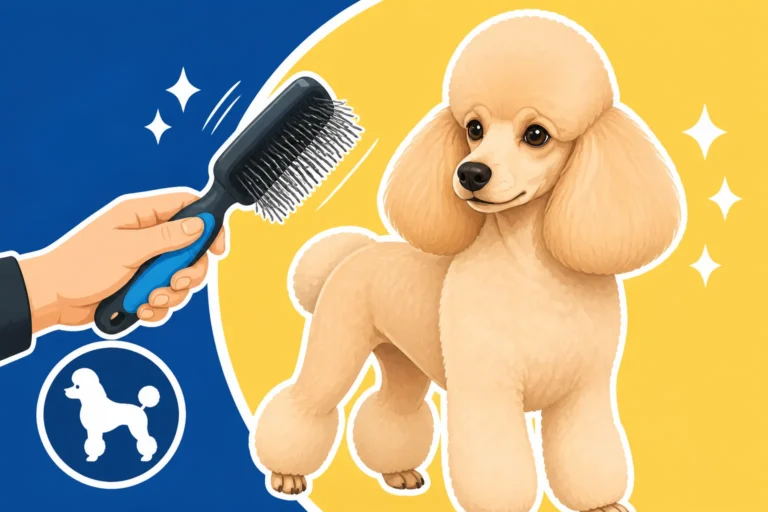
- Slicker Brush: This is your primary tool for breaking up tangles and getting through the coat. Look for one with firm, bent wire pins. You might need different sizes depending on your Poodle's size and coat density. Use it with light, brisk strokes, lifting the brush away from the coat after each stroke to avoid creating static or irritating the skin.
- Steel Comb (Greyhound Comb): This is your quality control tool. After using the slicker brush, you must follow up with a good quality, sturdy steel comb that has both wide and fine-toothed sections. The comb is what tells you if you've truly removed all the tangles down to the skin. If the comb snags, there's still a mat there that the slicker might have missed.
- Detangling Spray: These sprays are incredibly helpful for working through existing tangles or as a preventative measure. Apply a light mist to a section of hair before brushing to lubricate the strands and make them easier to separate, reducing breakage and static. You can find excellent detangling sprays from various brands on sites like Chewy or Amazon.
- Blunt-nosed Scissors: For very small, tight mats right against the skin that cannot be brushed out, these can be used very carefully to snip into the mat (parallel to the skin, never pointing towards it) to loosen it, making it easier to brush out. If you're unsure, it's always safer to leave this to a professional.
Make sure you understand Tools That Reach a Poodle's Undercoat to make the most of your grooming routine.
Proactive Prevention Strategies
The best mat is the one that never forms! Beyond diligent brushing, there are several habits you can adopt to keep those sneaky mats at bay.
- Regular Grooming Schedule: Whether you do it at home or use a professional groomer, consistency is key. A Poodle in a longer clip needs daily brushing. Even in a shorter "kennel clip," regular brushing every other day, or at least 3 times a week, is essential to prevent mats. Think about How Often a Poodle Must Be Brushed for specific recommendations.
- Consider Shorter Clips for Pet Poodles: While show clips are stunning, they require immense dedication. For a family pet, a shorter, more manageable clip like a "kennel clip" or "sporting clip" can drastically reduce the time spent on grooming and the likelihood of severe matting, especially in high-friction areas. Your Poodle can still look adorable and be much more comfortable.
- Proper Drying After Baths/Swimming: Never let a Poodle air dry! As wet hair dries, it shrinks and tightens, pulling any existing tangles into dense mats. After a bath or a swim, towel dry thoroughly, then use a dog-specific forced-air dryer (not a human hairdryer, which can be too hot) while continuously brushing the coat until it's completely dry. This stretches the hair out, making it harder for tangles to form.
- Daily Checks of High-Friction Areas: Make it a habit to quickly run your fingers and a comb through the armpits, behind the ears, and under the collar every single day. These quick spot checks can catch tiny tangles before they escalate into serious mats, saving you a lot of time and your Poodle a lot of discomfort down the line.
When the Mats Have Won: Seeking Professional Help
Despite your best efforts, sometimes mats just happen. Life gets busy, a Poodle rolls in something it shouldn't, or a forgotten tangle becomes a felted disaster. It's okay. The most important thing is to address it responsibly.
Recognizing When It's Beyond Home Care
There's a point where attempting to brush out a severe mat at home does more harm than good. If you find any of the following, it's time to call in a professional groomer or your vet:
- The comb cannot pass through: If your steel comb snags repeatedly and you can't work through the tangle even with detangling spray and careful effort, it's likely too tight.
- Mats are tight against the skin: If the mat is pulling the skin taut or causing visible irritation, trying to brush it out will be painful for your Poodle and could cause skin tears.
- Your Poodle shows pain or aggression: If your dog vocalizes, snaps, or becomes defensive when you try to touch the matted area, they're telling you it hurts. Pushing through this will damage trust and potentially harm them.
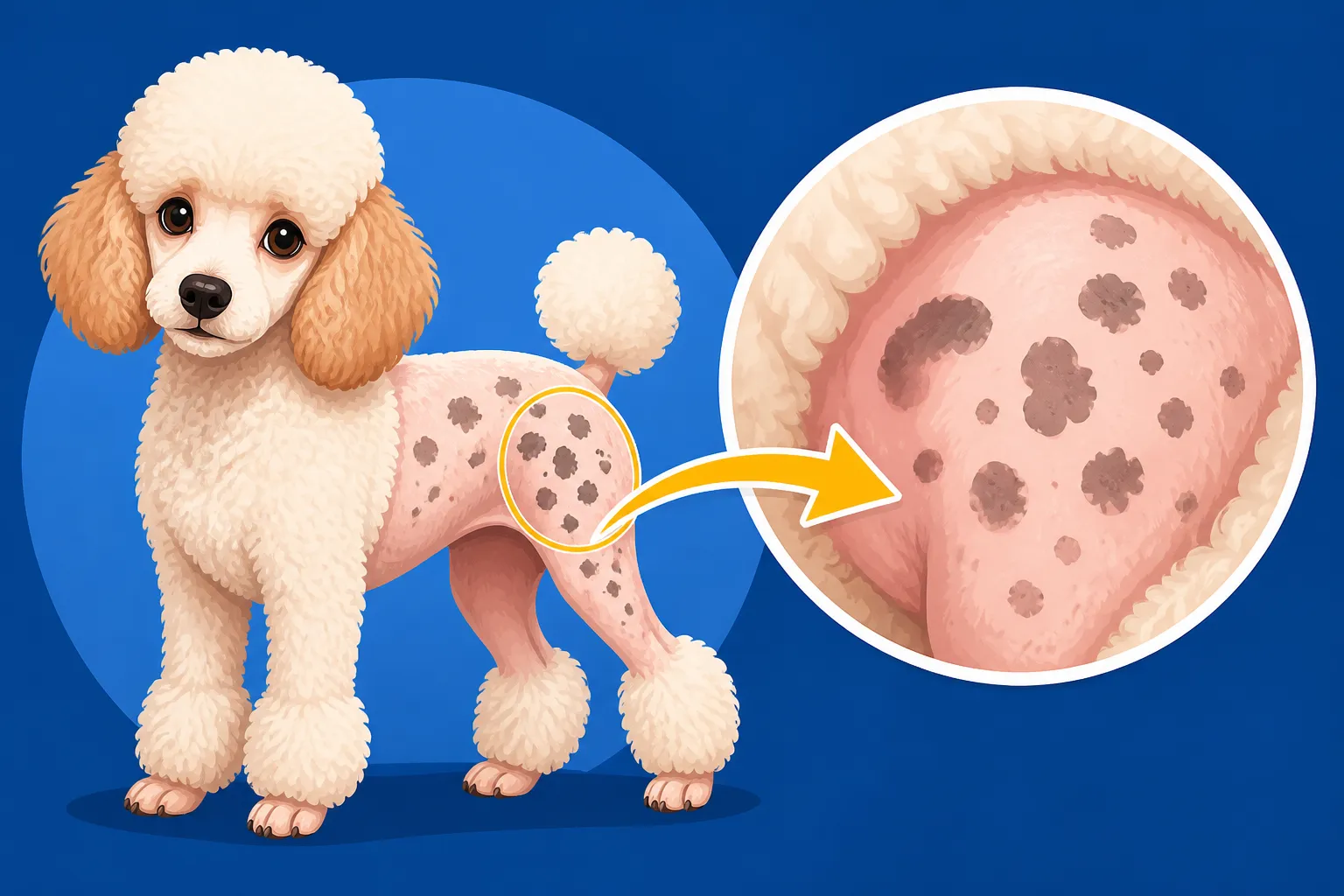
- Signs of skin irritation: Redness, sores, scabbing, or a foul odor under a mat indicate a more serious issue that needs professional attention.
Trying to "save the coat" at all costs when severe matting is present is often a disservice to your dog. Their comfort and skin health are paramount.
What to Expect from Your Groomer
When you bring a severely matted Poodle to a professional groomer, be prepared for an honest assessment and potentially a recommendation for a full shave-down. A good groomer prioritizes the dog's well-being above all else. They will explain that brushing out severe mats is not only incredibly painful and stressful for the dog but can also cause clipper burn, skin irritation, and even open wounds.
Often, the kindest and safest approach for a severely matted Poodle is a "comfort clip" or a shave-down. This means clipping the hair very short, often with a blade that goes underneath the mats, essentially removing the felted coat and starting fresh. While it might be a shock to see your Poodle so short, it's a huge relief for them. The hair will grow back, and you can then establish a better maintenance routine. Be aware that groomers often charge a significant surcharge for matted dogs due to the extra time, effort, and wear and tear on their equipment. For more on this, you might look into Surcharges Groomers Add for a Matted Poodle. Also, Whether a Matted Poodle Can Be Saved offers further insight into what options are available.
The Emotional Toll on Both Poodle and Owner
Discovering significant matting can be tough. As an owner, you might feel a pang of guilt, thinking you've failed your furry friend. And for your Poodle, severe mats are genuinely uncomfortable and can be quite painful. They can restrict movement, pull on the skin, and hide skin infections. It's important to be kind to yourself and your Poodle in this situation. Matting happens, even to experienced Poodle owners.
The goal isn't to dwell on past misses, but to learn from them. Use this experience as a springboard to refine your grooming routine and commit to the consistent care your Poodle's unique coat requires. A fresh start with a shave-down, followed by regular brushing and professional grooming appointments, will ensure your Poodle lives a much happier, healthier, and mat-free life. It's a journey, and every Poodle owner learns along the way.
Here’s a quick overview of those sneaky spots and how to tackle them:
| Mat Hot Spot | Why it Mats Here | Prevention & Tool Tips |
|---|---|---|
| Armpits & Groin | High friction from leg movement, thin skin, often forgotten | Lift legs and brush gently but thoroughly against the grain with a small slicker brush; follow with a fine-toothed comb. Use detangling spray. |
| Behind Ears/Neck | Head movement, collar/harness friction, petting, fine hair | Daily comb-through with a fine-toothed steel comb. Ensure collar fits well and is removed during brushing. |
| Under Collar/Harness | Constant rubbing, trapped loose hair, compressed coat | Always remove collar/harness before brushing to ensure full access. Line brush the entire area meticulously with a slicker and comb. |
| Paws/Between Pads | Moisture from walking, dirt accumulation, licking, fine hair | Trim hair between pads regularly. Daily brush through and dry thoroughly after outdoor excursions. Small, fine comb works best here. |
| Muzzle/Beard | Constant moisture from eating/drinking, food debris, drool | Wipe clean after meals and drinks. Daily comb-through with a small face comb. Consider slightly shorter trims for pet Poodles. |
| Tail Base | Frequent wagging, sitting, occasional dirt/debris | Lift the tail and brush right down to the skin at the base. Use a slicker brush to remove tangles, then comb through. |
| Hocks/Inner Thighs | Friction from leg movement, bending joints, hidden area | Carefully brush and comb with a small slicker and steel comb, paying attention to the sensitive skin around the joints. |
Disclaimer
This article is for general informational purposes only and does not constitute professional advice. Laws, prices and regulations vary by location and change over time. Consult a qualified professional for guidance on your specific situation.