Cataracts in a Diabetic Poodle
It’s a heartbreaking reality that many Poodle owners face: the diagnosis of diabetes in their beloved companion, often followed by the alarming discovery of cataracts. Watching your vibrant, intelligent Poodle struggle with cloudy vision and navigate the world with increasing difficulty can be incredibly distressing. This comprehensive guide is here to walk you through everything you need to know about cataracts in diabetic Poodles, from understanding their rapid onset to exploring treatment options and how to best support your furry friend through this challenging journey.
Understanding Diabetic Cataracts in Poodles
When your Poodle is diagnosed with diabetes, it’s not just about managing blood sugar levels; it’s about understanding the cascade of health issues that can stem from this metabolic disorder. One of the most common and distressing complications is the development of cataracts, which can steal your dog’s sight with alarming speed. It’s a tough truth, but knowing what you’re up against is the first step in providing the best care.
How Diabetes Affects Poodle Eyes
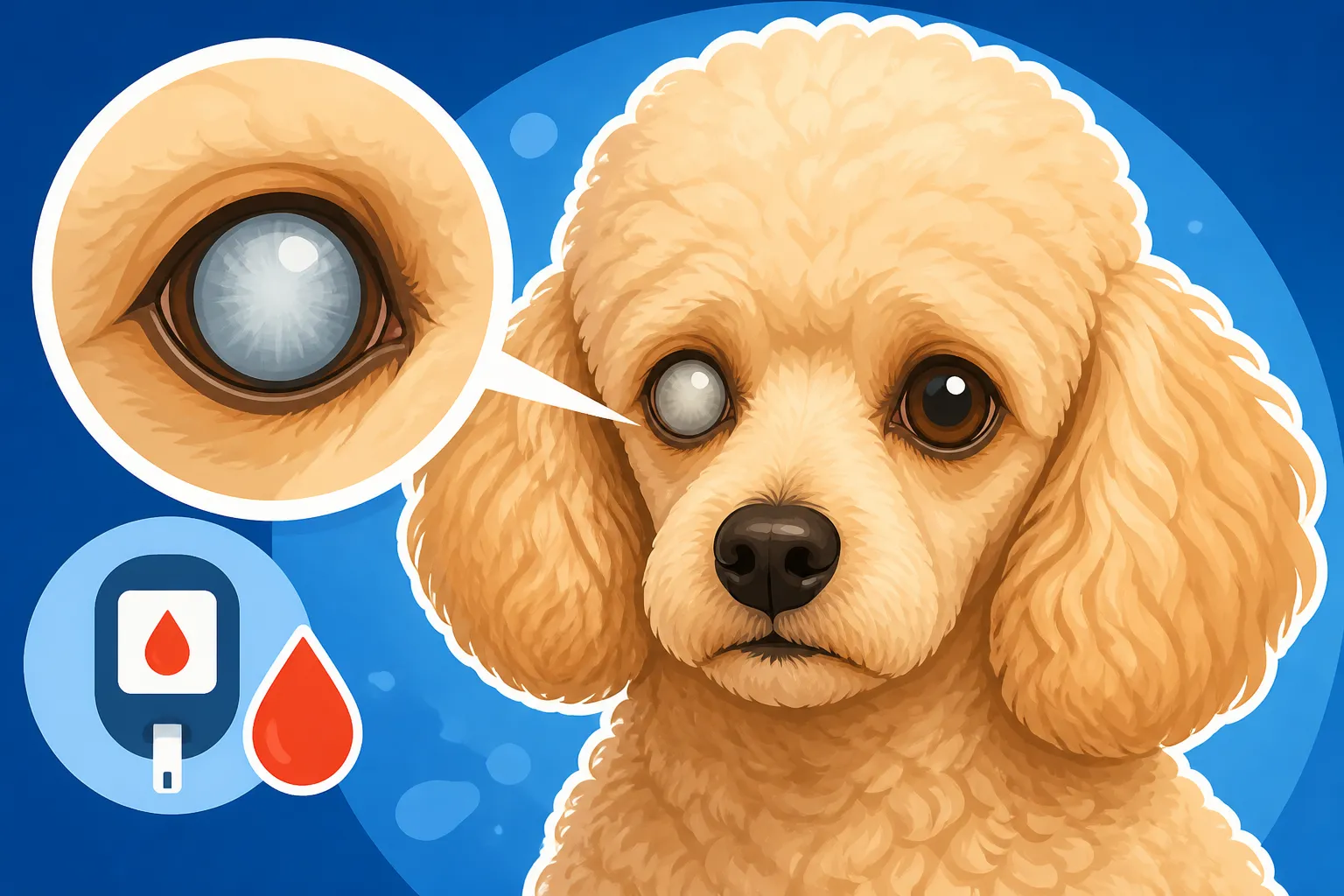
The mechanics behind diabetic cataracts are fascinating, if a little complex. When a Poodle has diabetes, their body isn't producing enough insulin or isn't using it effectively, leading to high levels of glucose (sugar) in the bloodstream. This excess glucose doesn't just stay in the blood; it finds its way into various tissues, including the delicate lenses of their eyes. Inside the lens, there's an enzyme called aldose reductase, which converts this surplus glucose into sorbitol. Now, sorbitol is a bit of a troublemaker. It doesn't exit the lens easily, and as it accumulates, it draws water into the lens through osmosis. This influx of water disrupts the precisely arranged fibers within the lens, causing them to swell, become opaque, and ultimately form a cataract. It's like pouring too much sugar into a clear glass of water and watching it turn cloudy.
What makes this particularly challenging is that this process is relentless in an uncontrolled diabetic Poodle. The lens has no blood supply, so it relies on the surrounding fluid for nutrients. When that fluid is saturated with glucose, the lens becomes a prime target for sorbitol accumulation. This distinct metabolic pathway is why diabetic cataracts are different from age-related cataracts, and it explains their characteristic rapid progression.
The Speed of Cataract Development
One of the most disheartening aspects of diabetic cataracts for Poodle owners is just how quickly they can develop. It’s not uncommon for a Poodle to go from having perfectly clear vision to advanced cataracts within a matter of weeks, or even days, after a diabetes diagnosis or a period of poorly controlled blood sugar. I've heard stories of owners noticing a slight cloudiness on a Monday, only to find their dog almost completely blind by the weekend. This rapid onset means there's a very narrow window for intervention if vision is to be saved.
This swift progression often catches owners by surprise. Unlike senile cataracts that can take years to mature, diabetic cataracts don't linger in an early stage. Once the process starts, it tends to accelerate, leaving little time for gradual adjustment. This puts immense pressure on owners and vets to act decisively if they wish to preserve sight. It also means that routine veterinary visits for a diabetic Poodle must include a thorough eye examination, not just a quick glance.
Why Poodles Are Particularly Susceptible
While any dog breed can develop diabetic cataracts, Poodles, particularly Standard Poodles and Miniature Poodles, seem to have a higher predisposition. This isn't necessarily due to their eyes being inherently weaker, but rather a combination of genetic factors and their overall susceptibility to diabetes. Certain genetic lines within the Poodle breed carry a higher risk for developing diabetes, and with diabetes comes the increased likelihood of cataracts. It's a double-edged sword: the very genes that might predispose them to diabetes also put their eyes at risk.
Moreover, Poodles are known for their intelligence and sensitivity, and a sudden loss of vision can be particularly disorienting and stressful for them. While a sturdy working breed might adapt more readily to blindness, a Poodle’s sensitive nature can make the transition much harder, impacting their confidence and overall well-being. This susceptibility underscores the importance of not just managing their diabetes, but also being incredibly vigilant about their eye health. Understanding these breed-specific nuances can help Poodle owners be better prepared.
Recognizing the Signs and When to Act
Spotting the signs of cataracts in your Poodle, especially early on, is crucial for preserving their vision and quality of life. It’s not always obvious, and our clever Poodles often try to compensate for their diminishing sight, sometimes making it harder for us to notice until the problem is quite advanced. Learning to read their subtle cues and understanding the progression of vision loss will empower you to seek help promptly.
Subtle Early Indicators of Vision Changes
Before the visible cloudiness takes over, there are often subtle behavioral changes that hint at your Poodle's diminishing vision. You might notice your Poodle hesitating when going down stairs or jumping off furniture, or bumping into objects in dimly lit areas that they used to navigate with ease. Maybe they're not quite as quick to catch a thrown toy, or they seem more easily startled by unexpected movements. These little moments, though seemingly minor, are crucial clues. If you suspect your Poodle is getting clumsier, or their confidence seems to wane in familiar surroundings, don’t dismiss it.
Another early sign could be a slight change in their pupil reflection. Instead of seeing a clear, dark pupil, you might catch a faint gray or blue haze when light hits their eyes from certain angles. It’s not yet the milky white film we associate with advanced cataracts, but a subtle dulling of the eye's clarity. Pay attention to how your Poodle's eyes look in different lighting conditions. Sometimes, it’s only in bright sunlight or with a flashlight beam that you’ll first detect that tell-tale shimmer. Because Poodles are so intelligent, they often try to mask their vision loss, relying on their other senses. This is why paying close attention to these small shifts is so vital.
Progressive Vision Loss and Its Impact
As diabetic cataracts progress, the signs become much more evident, and the impact on your Poodle’s daily life undeniable. The eyes will start to appear noticeably cloudy or opaque, often taking on a bluish-white or milky appearance. This cloudiness can advance from a small spot to covering the entire lens, leading to significant or complete blindness. At this stage, your Poodle will struggle to navigate even familiar environments, bumping into walls, furniture, or doorframes during the day, not just in the dark.
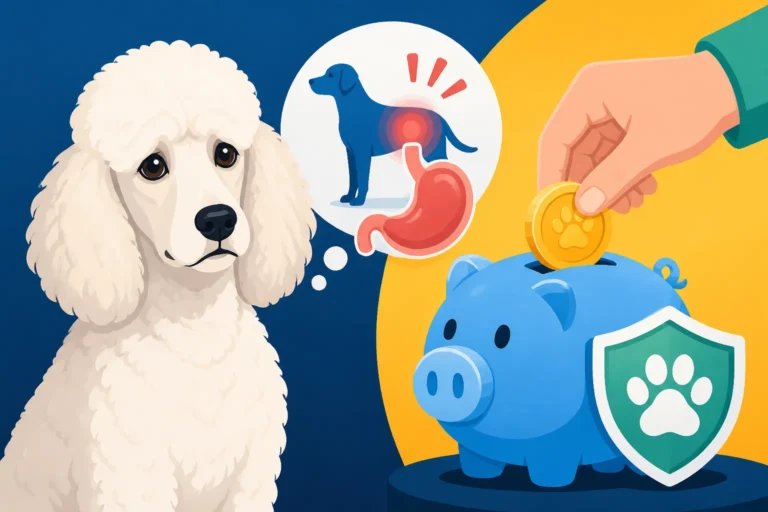
This progressive vision loss will inevitably lead to changes in your Poodle's behavior and confidence. They might become more anxious, clingy, or even grumpy, especially if approached unexpectedly. They might hesitate to explore new places or even go outside if the surroundings feel too overwhelming. Their ability to track movement, recognize faces from a distance, or play their favorite games will diminish. It's heartbreaking to witness, and for many, it's the point where they realize a serious intervention is needed. This is also when having good pet insurance like Healthy Paws can make a significant difference in considering treatment options without financial stress.
Behavioral Changes to Watch For
Beyond the physical signs in their eyes and obvious clumsiness, vision loss from diabetic cataracts can manifest in a range of behavioral changes. A previously outgoing Poodle might become more withdrawn or reluctant to engage in play. They might bark more frequently at perceived threats or sounds they can’t identify, due to heightened anxiety. You may notice them relying more heavily on their sense of smell, sniffing the ground constantly during walks, or using their whiskers to "feel" their way around. If your Poodle seems suddenly reluctant to go up or down stairs, or they start knocking over their water bowl, it’s a clear sign their spatial awareness is compromised.
Some Poodles might even develop a fear of being left alone or become more "velcro-like," following you from room to room. This is their way of seeking security and guidance when their primary sense of sight is failing. If your Poodle, usually a proud and confident companion, starts to cling or seems disoriented, especially after waking up or entering a new room, it's a strong indicator that their vision is deteriorating rapidly. Remember that a sensitive Poodle often hides illness, so these subtle shifts in personality and routine should not be ignored.
The Path to Diagnosis and Treatment Options
Once you've noticed the concerning signs of vision loss in your diabetic Poodle, the next crucial step is to seek a professional diagnosis. Early and accurate assessment is paramount, as is understanding the various avenues for treatment. While it might feel overwhelming, taking proactive steps can make all the difference for your Poodle’s future sight.
Comprehensive Veterinary Ophthalmic Examination
When you bring your Poodle in with suspected cataracts, your regular veterinarian will likely perform an initial eye examination, looking for visible cloudiness in the lens and checking the general health of the eye. However, to get a definitive diagnosis and assess the feasibility of surgery, they will typically refer you to a board-certified veterinary ophthalmologist. These specialists have advanced equipment and expertise specifically for eye conditions in animals.
During the comprehensive ophthalmic examination, the specialist will dilate your Poodle's pupils to get a clear view of the entire lens and the retina at the back of the eye. They will use specialized tools like an ophthalmoscope and a slit lamp biomicroscope to examine the cataract, determine its maturity, and assess the overall health of the eye. This is a critical step, as other eye conditions, such as progressive retinal atrophy, can mimic some signs of cataracts, and a healthy retina is essential for a successful surgical outcome. They will also perform tests like an electroretinogram (ERG) to evaluate retinal function, confirming that the retina can still perceive light before cataract surgery is considered. The costs associated with these specialized diagnostics can be significant, so understanding your Poodle Insurance Premiums by Size and Age can help you plan.
Surgical Intervention: The Gold Standard
For diabetic cataracts, surgical removal is almost always the only effective way to restore vision. The procedure, known as phacoemulsification, is very similar to cataract surgery in humans. It involves making a tiny incision in the cornea, inserting a small probe that uses ultrasound waves to break up the cloudy lens, and then aspirating the fragments out. Once the old lens material is removed, an artificial intraocular lens (IOL) is typically implanted to help focus light, restoring clear vision. This procedure has a very high success rate in restoring functional vision in dogs with healthy retinas.
However, it's a significant undertaking. Your Poodle will need to be a good candidate for general anesthesia, and their diabetes must be well-controlled both before and after the surgery to minimize complications. The surgery itself is delicate and precise, performed by highly skilled veterinary ophthalmologists. Post-operative care is intensive, involving multiple eye drops given frequently for several weeks. The financial aspect is also a major consideration, as the cost can be substantial. This is where pet insurance providers like Healthy Paws can be invaluable, as many policies cover advanced surgical procedures, helping to ease the financial burden of such critical care. It's a testament to veterinary medicine how effectively this procedure can give a blind Poodle its sight back, as detailed in articles like Cataract Surgery on a Diabetic Miniature Poodle.
Considering Non-Surgical Management
While surgery is the only way to physically remove a cataract and restore vision, there are situations where non-surgical management might be considered. This is usually when a Poodle is not a candidate for surgery due to other severe health issues, advanced age, or if the owner decides against it for personal reasons. In these cases, the focus shifts entirely to managing the quality of life for a blind Poodle. This involves creating a safe, consistent environment, avoiding rearranging furniture, using scent cues, and teaching verbal commands to help them navigate.
Medications like anti-inflammatory eye drops may be prescribed to reduce any associated inflammation in the eye, which can sometimes occur with maturing cataracts, but these will not clear the cataract itself. It’s important to manage expectations: no eye drops or oral supplements will reverse or prevent the progression of diabetic cataracts once they begin. The decision for non-surgical management is a big one, meaning accepting permanent blindness. Owners will need to commit to helping their Poodle adjust to a new way of life, focusing on touch, sound, and smell to compensate for the loss of sight. Creating a stable routine and environment is key to helping a blind Poodle thrive.
Navigating Life After Cataract Surgery
Undergoing cataract surgery is a huge step, and for many Poodle owners, it marks the beginning of a whole new chapter. While the prospect of restored vision is exciting, the post-operative period requires diligent care and patience. Understanding what to expect during recovery and how to support your Poodle through their adjustment is crucial for the best possible outcome.
Crucial Post-Operative Care and Medication Regimen
The period immediately following cataract surgery is critical for your Poodle's successful recovery. Your veterinary ophthalmologist will provide a detailed plan, which will typically involve a strict regimen of multiple eye drops and sometimes oral medications (like anti-inflammatories or antibiotics) given several times a day for several weeks. These medications are vital for controlling pain, reducing inflammation, preventing infection, and ensuring the eye heals properly. Missing doses or administering them incorrectly can significantly impact the outcome, potentially leading to complications. Many owners find setting alarms and keeping a detailed log helpful to stay on track.
Your Poodle will also need to wear an Elizabethan collar (e-collar or "cone of shame") continuously for several weeks to prevent them from rubbing or scratching their eyes, which could dislodge the intraocular lens or cause trauma to the healing tissues. This can be challenging for both you and your Poodle, but it's non-negotiable for a successful recovery. Activity will also need to be restricted – no rough play, jumping, or strenuous exercise – to minimize pressure on the eyes. Following these instructions meticulously, even when it feels arduous, is the single most important thing you can do for your Poodle after surgery.
Witnessing Your Poodle's Adjustment to Restored Vision
It’s truly a miracle to watch a Poodle who was once bumping into walls suddenly navigate their surroundings with confidence again. However, the adjustment to restored vision isn’t always instantaneous. After weeks or months of blindness, their brain needs time to re-learn how to process visual information. Some Poodles might be a bit cautious at first, especially in new environments, as they re-evaluate the world through clear eyes. You might see them pause, blink, and take in their surroundings with a sense of wonder.
Encouraging them gently, praising their good navigation, and playing simple "find the treat" games can help them rebuild confidence in their new vision. Their personality might even seem to "come back" as their world expands. They'll likely be more playful, more engaged, and less anxious. For owners who have lived with a blind Poodle, this transformation can be incredibly emotional and rewarding. It's a powerful reminder of why the effort and expense of the surgery are so worthwhile.
Understanding Potential Complications and Follow-Up Needs
While cataract surgery has a high success rate, it's important to be aware of potential complications, even with the best care. These can include post-operative inflammation, glaucoma (increased pressure within the eye), retinal detachment, or infection. In some cases, a secondary cataract can develop (a cloudiness behind the implanted lens), although this is less common with modern IOLs. Your veterinary ophthalmologist will schedule several follow-up appointments, often weekly at first, then monthly, to monitor your Poodle's healing and check for any signs of these complications. These check-ups are vital and should not be skipped.
If you notice any signs of discomfort, redness, discharge, squinting, or a sudden regression in vision, contact your ophthalmologist immediately. Early intervention for complications can often prevent long-term damage. Even after full recovery, it's wise to continue with regular ophthalmic check-ups, perhaps yearly, to monitor the long-term health of their eyes, especially since they are a diabetic Poodle. Remember, managing diabetes in a Poodle is a lifelong commitment, and part of that is protecting their vision. Insurance plans, such as those offered by Healthy Paws, can often help with the ongoing costs of these follow-up appointments and potential complication treatments, providing peace of mind.
Here's a quick overview of what to look for:
| Post-Operative Stage | Key Focus | What to Watch For (Potential Complications) | Essential Care |
|---|---|---|---|
| Immediate (Day 1-7) | Inflammation & Pain Control | Excessive redness, squinting, discharge, severe swelling, worsening pain | Strict eye drop regimen, e-collar 24/7, limited activity, pain medication |
| Early (Week 2-4) | Healing & Initial Vision Adjustment | Any signs of vision loss, cloudy appearance in pupil, increased eye pressure (firmness to touch), persistent inflammation | Continue eye drops, e-collar, gradual increase in very light activity |
| Mid-Term (Month 1-3) | Long-term Healing & Vision Re-learning | Glaucoma, retinal detachment (sudden blindness, dilated pupil), secondary cataract | Tapering eye drops, monitoring by ophthalmologist, slowly resuming normal activities |
| Long-Term (3+ Months) | Maintaining Eye Health | Any changes in vision, signs of discomfort, new cloudiness | Regular veterinary and ophthalmologist check-ups, continued diabetic management |
Proactive Steps for Long-Term Poodle Eye Health
While we can't always prevent diabetes or its complications, there's a great deal we can do to manage the disease effectively and protect our Poodle's precious eyesight. Proactive care is key, transforming a reactive approach to a preventative one. It's about being diligent, consistent, and always staying one step ahead.
Diligent Diabetic Management as the Cornerstone
The absolute most important thing you can do to prevent or slow the progression of diabetic cataracts, and indeed manage your Poodle’s overall health, is to maintain strict control over their blood sugar levels. This means consistent insulin injections (if prescribed), precise meal timings, and carefully measured portions of a veterinarian-recommended diet. Fluctuations in blood glucose are the primary driver of sorbitol accumulation in the lens, so keeping levels as stable as possible is paramount. Work closely with your veterinarian to find the optimal insulin dose and feeding schedule for your individual Poodle. This often involves regular glucose curve monitoring at home or in the clinic.
Remember that diet plays a huge role. Often, a high-fiber, complex carbohydrate diet is recommended for diabetic dogs to help regulate glucose absorption. Avoid high-sugar treats or human foods that can cause spikes in blood sugar. Consistency is the name of the game here – the more stable you can keep your Poodle’s metabolism, the less likely they are to develop or rapidly progress with cataracts. Articles like Poodle Obesity and Its Consequences highlight how crucial weight management is, as obesity can be a precursor to diabetes itself, making diligent management even more important for long-term health.
Importance of Regular Ophthalmic Check-ups
Even with impeccable diabetic control, regular eye check-ups are non-negotiable for a diabetic Poodle. Your primary veterinarian should perform a basic eye exam at every routine visit, but annual or semi-annual visits to a veterinary ophthalmologist are highly recommended. These specialists can detect the earliest signs of lens changes, sometimes even before they become visible to the untrained eye, and can assess the overall health of the eye, including intraocular pressure and retinal health.
Early detection of cataracts, even if they're small, allows for more informed discussions about prognosis and potential interventions. It also ensures that any other concurrent eye conditions, such as glaucoma (which can also be a secondary complication in diabetic dogs, though less common than cataracts), are caught and managed promptly. For a breed known for its long lifespan, understanding Poodle Lifespan Across the Three Sizes means committing to a lifetime of proactive health monitoring, including specialized eye care. Don't wait until vision loss is obvious; make these specialized eye exams a regular part of your Poodle’s healthcare schedule.
Nutritional Support and Lifestyle Choices
Beyond strict diabetic management, certain nutritional considerations and lifestyle choices can support overall eye health in your Poodle. While they won't prevent diabetic cataracts if diabetes is present, they contribute to general wellness. Antioxidant-rich foods, for example, can help protect cells from oxidative stress. Your vet might recommend supplements containing antioxidants like Vitamin E, Vitamin C, Lutein, Zeaxanthin, and Omega-3 fatty acids, though always discuss any supplements with your vet first to ensure they're appropriate and don't interfere with other medications.
Maintaining a healthy weight and ensuring your Poodle gets regular, appropriate exercise are also vital lifestyle components. Exercise helps with insulin sensitivity and overall metabolic health, which indirectly supports stable blood sugar levels. Keep their environment safe, and if their vision does decline, avoid rearranging furniture. Providing a stimulating environment with plenty of brain games and scent work can help keep their mind sharp and confident, even if their eyes aren't as clear as they once were. Think about their overall well-being, from their Poodle Vaccination and Preventive Schedule to their daily mental enrichment, because a healthy Poodle is better equipped to handle any health challenge that comes their way.
Disclaimer
The information provided in this article is for educational and informational purposes only and does not constitute veterinary advice. Always consult with a qualified veterinarian or veterinary ophthalmologist for any health concerns or before making any decisions related to your Poodle’s care, diagnosis, or treatment. Individual results may vary, and medical decisions should be made in consultation with a professional who can assess your Poodle's specific health needs.