Poodle Lifespan Across the Three Sizes
It’s a bittersweet moment when you first start looking at Poodles; you fall in love with their intelligence, elegance, and charm, but then you inevitably start wondering, "How long will I get to share my life with this wonderful companion?" It's a natural and important question, and understanding the lifespan of Standard, Miniature, and Toy Poodles, along with the factors that influence it, is crucial for any responsible owner. This comprehensive guide will walk you through the typical lifespans for each size, shed light on common health challenges, and discuss how you can maximize your Poodle's time with you.
Understanding Poodle Sizes and Their Lifespan Tendencies
Poodles, despite coming in three distinct sizes recognized by the American Kennel Club (AKC) – Standard, Miniature, and Toy – are all part of the same breed, sharing many common traits, including their curly coats and keen intellect. However, when it comes to longevity, size does play a role, albeit not always in the way people might assume. Generally, smaller dog breeds tend to have longer lifespans than larger ones, and this trend often holds true within the Poodle varieties, though each size has its own set of health predispositions that can either extend or shorten their years.
The Standard Poodle Lifespan and Its Challenges
Standard Poodles, the largest of the three varieties, typically live between 10 to 14 years. While this is a respectable lifespan for a large breed, they are unfortunately prone to certain serious health conditions that can significantly impact their longevity and quality of life. Owners often grapple with the fear of conditions like Gastric Dilatation-Volvulus (GDV), commonly known as bloat, which is a life-threatening emergency where the stomach twists. The deep chest characteristic of Standard Poodles makes them particularly susceptible to this terrifying condition. Many Standard Poodle owners find themselves constantly vigilant, watching for symptoms of bloat in a Standard Poodle, which can escalate from mild discomfort to critical within an hour.
Beyond bloat, Standard Poodles also have a higher incidence of certain autoimmune diseases, such as Addison's Disease. This condition, where the adrenal glands don't produce enough hormones, can be challenging to diagnose because its symptoms often mimic other, less serious ailments. It's often referred to as "the great pretender" because early signs of Addison's in a Poodle can be vague and episodic, leading to frustration for owners and vets alike. If left untreated, it can lead to an Addisonian crisis, which is a severe and potentially fatal collapse. Proactive management and a keen eye for subtle changes are paramount for Standard Poodle owners.
Miniature Poodle Lifespan and Their Sweet Spot
Miniature Poodles often hit a sweet spot in terms of longevity, frequently living 12 to 15 years, and sometimes even longer. They generally inherit a robust constitution, being large enough to avoid some of the extreme frailties seen in very tiny breeds, yet small enough to bypass many of the serious orthopedic and cardiac issues that can plague their larger Standard cousins. Their moderate size often makes them a popular choice for families looking for a sturdy, intelligent companion with a good chance of a long, healthy life.
However, Miniature Poodles are not entirely without their own specific health considerations. They can be prone to conditions like Progressive Retinal Atrophy (PRA), an inherited eye disease that can lead to blindness. Owners might first notice their dog struggling in low light conditions or bumping into furniture, which are early signs when Poodle retinal atrophy starts. Another concern for Miniature Poodles is Idiopathic Epilepsy, a seizure disorder. While not always life-threatening, managing epilepsy requires dedication, and the seizures can be distressing for both the dog and the owner. Regular vet check-ups and open communication with your veterinarian are key to catching and managing these conditions effectively, often contributing to their excellent average lifespan.
The Toy Poodle Lifespan and Their Unique Vulnerabilities
Toy Poodles, the smallest Poodle variety, generally boast an impressive lifespan, often living 12 to 16 years, and sometimes even pushing into their late teens. It's not uncommon to hear stories of Toy Poodles reaching eighteen, defying the perception that smaller dogs are inherently delicate. Their diminutive size, while contributing to their longer average lifespan, also makes them susceptible to a unique set of vulnerabilities that prospective owners must be aware of and prepared for.
One of the most pressing concerns for Toy Poodle puppies, especially the very smallest, is hypoglycemia, or low blood sugar. A Toy Poodle puppy needs to eat very regularly, often multiple times a day, to prevent potentially fatal blood sugar crashes. Signs of low blood sugar in a Toy Poodle puppy can include lethargy, weakness, and disorientation. Furthermore, their delicate bone structure makes them prone to orthopedic issues such as luxating patella, where the kneecap slips out of place, and Legg-Calve-Perthes disease, a condition affecting the hip joint. These conditions, while treatable, can require surgery and ongoing management, impacting their mobility and overall quality of life. It’s also important to be mindful of their fragile tracheas; a common issue is a collapsing trachea, which can manifest as a distinctive honking cough of a Toy Poodle and requires careful handling and the use of a harness rather than a collar.
Genetic Factors Influencing Poodle Longevity
Understanding the genetic predispositions of Poodles is paramount for any owner or prospective owner hoping for a long, healthy life with their companion. While no breeder can guarantee perfect health, responsible breeding practices that include genetic testing can significantly reduce the risk of passing on debilitating conditions. Many Poodle health splits by size are due to these inherited conditions. Knowing what a Poodle breeder must test for is crucial when selecting a puppy.
Common Genetic Conditions in Standard Poodles
Standard Poodles face several genetic challenges that can affect their longevity. As mentioned, Addison's Disease is a significant concern. Research suggests a genetic component, and affected lines are known to exist. This means that if a Poodle's parents or close relatives have Addison's, the puppy may be at a higher risk. Another serious genetic issue is Sebaceous Adenitis (SA), a skin condition that affects the hair follicles and can lead to significant discomfort and hair loss. Early sebaceous adenitis on a Poodle's topknot can be one of the first visible signs, though it can affect the whole body. While not typically fatal, it can severely impact quality of life and requires lifelong management.
In addition to these, certain cancers, like osteosarcoma (bone cancer), tend to have a higher incidence in larger breeds, including Standard Poodles. While not strictly genetic in the same way as a single-gene mutation, breed predisposition indicates an underlying genetic component. The unfortunate reality for many larger breeds is that cancer is a leading cause of death. Regular veterinary check-ups are essential for early detection, which can sometimes extend life or improve comfort, though treatment can be costly. This is where Insuring a Poodle Against Addison's and Bloat or Saving Against a Standard Poodle Bloat Bill becomes a critical consideration for owners.
Inherited Issues Affecting Miniature Poodles
Miniature Poodles, while generally long-lived, have their own set of inherited health conditions to contend with. Progressive Retinal Atrophy (PRA) is a particularly notable one, with specific genetic tests available to identify carriers and affected dogs. Responsible breeders will screen their breeding stock for PRA to avoid producing affected puppies. Another concern is Von Willebrand Disease (vWD), a common inherited bleeding disorder that can make even minor injuries or surgeries dangerous due to impaired blood clotting. Testing a Poodle for Von Willebrand is a standard practice for many ethical breeders.
Furthermore, some Miniature Poodles can inherit patellar luxation, similar to their Toy cousins, though perhaps less prevalent or severe. Thyroid disease in Poodles, particularly hypothyroidism, is another condition that can have a genetic link and, if left untreated, can lead to a host of symptoms from lethargy and weight gain to skin issues. While treatable with medication, it's a lifelong condition that requires consistent monitoring. Genetic Panels for the Three Poodle Sizes can help breeders make informed decisions and reduce the prevalence of these issues.
Genetic Concerns for Toy Poodles
Toy Poodles, despite their generally robust lifespans, are susceptible to several genetically linked health issues. Luxating patella, as mentioned, is common, and its severity can vary, from occasional skipping to constant lameness requiring surgical correction. Grades of Patellar Luxation in a Toy Poodle can help owners understand the severity. Legg-Calve-Perthes disease, another orthopedic condition, causes degeneration of the femur head, leading to pain and lameness, typically appearing in puppies between 4-12 months of age.
Beyond orthopedic issues, certain cardiac conditions, like patent ductus arteriosus (PDA), a congenital heart defect, can sometimes be seen in Toy Poodles. Though less common, genetic susceptibility to some forms of epilepsy can also be a concern. Breeders of Toy Poodles should conduct comprehensive health screenings, including OFA (Orthopedic Foundation for Animals) certifications for patellas and DNA testing for any known genetic markers for other conditions to ensure the healthiest possible puppies. It's a testament to good breeding when a Toy Poodle breeder screens for these potential issues.
The Impact of Lifestyle and Environment on Poodle Health
Even with the best genetics, a Poodle's longevity and quality of life are profoundly shaped by their daily living conditions. Just like with humans, diet, exercise, and the environment they live in play a massive role in preventing disease and promoting overall well-being. A Poodle year: Grooms, food and vet care, truly encompasses the broad aspects of what a Poodle needs to thrive.
Nutrition and Weight Management Across Poodle Sizes
Proper nutrition is foundational to a long and healthy Poodle life. Each size, from the towering Standard to the dainty Toy, has distinct caloric and nutritional needs. Feeding a Standard Poodle Puppy requires careful consideration to ensure slow, steady growth, preventing stress on developing joints. Similarly, Feeding a Toy Poodle Puppy demands attention to nutrient density and meal frequency to avoid hypoglycemia. Obesity is a significant concern across all Poodle sizes and can dramatically shorten a dog's life by contributing to conditions like diabetes, arthritis, and heart disease.
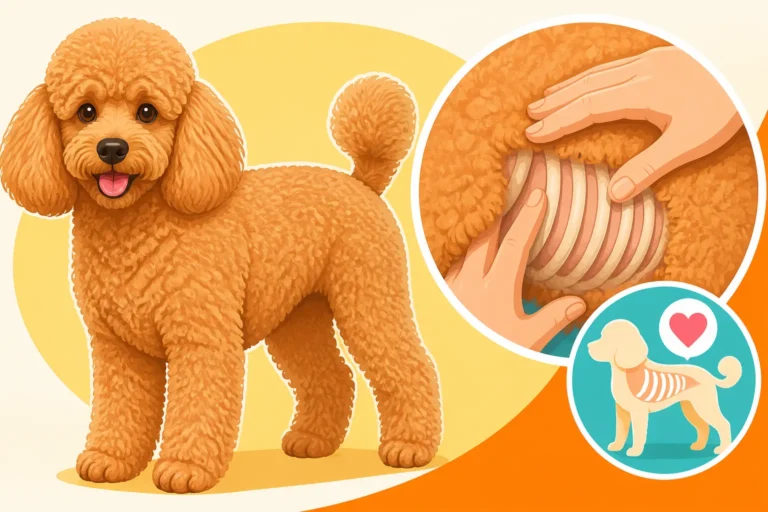
For a Standard Poodle, maintaining a lean body condition is critical, especially given their predisposition to orthopedic issues and bloat. Overfeeding can lead to rapid growth in puppies, which is detrimental, and excess weight in adults exacerbates joint problems. For Toy Poodles, while they need a calorie-dense diet, portion control is equally vital to prevent obesity, which can put immense strain on their tiny joints and delicate tracheas. Regular monitoring of your Poodle's weight, ensuring you can feel their ribs easily, and adjusting their diet as they age are essential practices. Choosing high-quality dog food, whether commercial kibble, fresh food, or raw, tailored to their life stage and activity level, is an investment in their future health.
Exercise Needs and Mental Stimulation for Poodle Longevity
Poodles are active, intelligent dogs, and fulfilling their physical and mental exercise needs is crucial for their overall health and lifespan. An under-exercised Poodle isn't just prone to destructive behaviors; they're also at higher risk for obesity and the health issues that come with it. Daily exercise for a Standard Poodle might involve long walks, runs, or engaging in dog sports. These activities help maintain muscle mass, support cardiovascular health, and keep their minds sharp.
Toy Poodles, despite their small stature, also require regular exercise. While they might not need miles of running, brisk walks, active play sessions, and indoor games are vital for them. Mental stimulation is just as important as physical activity for all Poodle sizes. Their high intelligence means they can become bored and anxious if not given outlets for their brains. Puzzle feeders, training sessions, and interactive toys can prevent boredom and keep their minds engaged, contributing to mental well-being which, in turn, impacts physical health. Why a Clever Poodle Still Has Accidents or Why a Bright Poodle Gets Bored both highlight the challenges of owning such intelligent dogs when their minds aren't stimulated.
The Importance of Regular Veterinary Care
Consistent and thorough veterinary care is non-negotiable for maximizing your Poodle's lifespan. From the moment you bring your Poodle puppy home, they need a comprehensive Poodle Vaccination and Preventive Schedule. Regular check-ups allow your vet to catch potential health issues early, often before they become severe or untreatable. For instance, yearly blood work, especially for senior Poodles, can flag concerns like kidney disease or thyroid issues when they are still manageable.
For all Poodle varieties, routine dental care is particularly important. Poodle dental disease by size can vary, with smaller Poodles often losing teeth earlier. Neglected dental health can lead to systemic infections that impact the heart, kidneys, and other vital organs. Proactive dental cleaning and home care can prevent these complications. Your veterinarian is your best partner in ensuring your Poodle receives appropriate preventive care, screenings, and prompt treatment for any emerging health concerns, significantly contributing to their overall longevity. Many owners find that signing up for a pet insurance plan like those offered by Healthy Paws can ease the financial burden of unexpected vet bills, allowing them to make the best decisions for their Poodle's health without financial stress.
Preventive Care Strategies for a Long Poodle Life
Being proactive about your Poodle's health is one of the most impactful things you can do to extend their lifespan and ensure a high quality of life. This involves more than just reacting to illness; it's about establishing a routine of preventive measures and making informed choices from the very beginning.
Comprehensive Vaccination and Parasite Prevention
Ensuring your Poodle is up-to-date on all recommended vaccinations and parasite prevention is fundamental to safeguarding their health. Vaccinations protect against common, often deadly, infectious diseases like distemper, parvovirus, and rabies. Your veterinarian will tailor a schedule based on your Poodle's age, lifestyle, and local disease prevalence. It's especially critical for Spacing Shots for a Two Pound Toy Poodle where over-vaccination can be a concern, but under-vaccination leaves them vulnerable.
Beyond vaccinations, a consistent parasite prevention program is essential. This includes monthly preventatives for heartworm, fleas, and ticks, which can transmit a host of serious illnesses. Heartworm disease, for instance, is prevalent in many areas and can be fatal if left untreated, while fleas and ticks can carry diseases like Lyme disease or Ehrlichiosis. Discussing the best Heartworm Preventives Sized by Poodle Variety with your vet ensures your Poodle is adequately protected year-round, significantly reducing their risk of contracting preventable diseases that could shorten their life.
Early Detection and Regular Health Screenings
One of the most powerful tools in extending a Poodle's life is the power of early detection. Regular veterinary check-ups, often yearly, are not just for vaccinations; they are opportunities for your vet to perform a thorough physical examination, looking for subtle changes that might indicate an underlying health issue. This might include checking for Heart Murmurs in an Older Toy Poodle, feeling for lumps or bumps, assessing joint mobility, and listening to their heart and lungs.
As Poodles age, especially after they turn seven or eight, your vet may recommend routine blood work and urinalysis. These tests can provide valuable insights into organ function, potentially detecting conditions like kidney disease or diabetes long before clinical signs become obvious. For breeds with known predispositions, such as Poodles and Addison's disease, regular screening and vigilance are even more important. Some owners opt for pet insurance plans, like those from Healthy Paws, knowing that such early diagnostic tests, which can be costly, will be covered. This proactive approach can lead to earlier intervention, better treatment outcomes, and ultimately, more precious years with your Poodle.
The Role of Responsible Breeding in Longevity
The foundation of a long and healthy Poodle life often starts before birth, with responsible breeding. Ethical breeders are dedicated to the health and welfare of their dogs, meticulously screening their breeding stock for inherited diseases that are prevalent in Poodles. This involves extensive health testing, such as hip and elbow evaluations for Standard Poodles, patella checks for Miniature and Toy Poodles, and DNA tests for conditions like Progressive Retinal Atrophy (PRA) and Von Willebrand Disease.
A reputable breeder will not only perform these tests but will also be transparent about the results, often providing OFA (Orthopedic Foundation for Animals) or PennHIP clearances. They will also be knowledgeable about their dogs' pedigrees, understanding the health history of previous generations. Choosing a puppy from a breeder who prioritizes health testing and genetic screening is one of the single most important decisions you can make to ensure your Poodle has the best possible start to a long and healthy life. Conversely, buying from sources that do not perform such testing, like puppy mills, significantly increases the risk of inheriting debilitating conditions that can drastically shorten a Poodle's lifespan and lead to heartbreaking health issues and astronomical vet bills down the line. What a Poodle Breeder Must Test For details these crucial screenings.
Navigating Age-Related Health Concerns
As Poodles gracefully age, just like humans, they become more susceptible to a range of age-related health issues. It's a natural part of life, but understanding what to expect and how to manage these changes can significantly improve their comfort and extend their golden years. Caring for an Aging Poodle truly becomes a full-time commitment.
Common Ailments in Senior Standard Poodles
Senior Standard Poodles, typically those aged 7 or older, often face challenges associated with their larger size and advanced years. Arthritis in a twelve-year-old Poodle is a common ailment, leading to stiffness, difficulty moving, and a decrease in their once boundless energy. Managing arthritis involves a combination of pain medication, joint supplements, weight management, and possibly physical therapy. Owners might notice their Standard Poodle struggling to get up after lying down or being less enthusiastic about walks.
Cognitive decline in an old Poodle is another heartbreaking but common reality. This can manifest as disorientation, changes in sleep-wake cycles, house-soiling accidents, and altered social interactions. It's like watching a loved one's memory fade. While there's no cure, medications and environmental adjustments can help manage the symptoms and improve their quality of life. Furthermore, older Standard Poodles may be at increased risk for certain types of cancer, making regular veterinary check-ups and vigilance for unusual lumps or behaviors even more critical.
Managing Geriatric Issues in Miniature Poodles
Miniature Poodles often maintain a youthful vigor well into their senior years, but they too will eventually show signs of aging. Kidney values to watch in a senior Poodle become increasingly important, as chronic kidney disease is a common geriatric issue in many breeds. Regular blood tests can detect this early, allowing for dietary changes and medication to slow its progression. Dental disease can also worsen with age, leading to pain and infection. Senior Miniature Poodles may require more frequent dental cleanings and extractions to maintain their oral health.
Vision and hearing loss are also common in aging Miniature Poodles. Cataracts in a diabetic Poodle, for example, can lead to significant vision impairment, while age-related hearing loss can make communication challenging. Adapting your home environment, using hand signals, and maintaining a consistent routine can help your Poodle navigate these sensory changes. It's about providing comfort and understanding as their world slowly shifts.
Supporting an Aging Toy Poodle
Aging Toy Poodles, despite their small size, also encounter specific age-related hurdles. Their delicate systems can be more sensitive to medication, so careful dosing for a four pound Poodle is critical when managing conditions like arthritis or heart disease. As with all small breeds, dental health remains a top priority, as they are prone to significant tooth loss and gum disease, which can impact their ability to eat comfortably.
Older Toy Poodles may also develop heart murmurs or other cardiac conditions, requiring regular monitoring and medication. Keeping them warm, especially in colder climates, becomes more important as their ability to regulate body temperature can decrease. Providing soft, supportive beds and ensuring easy access to food, water, and potty areas can make a huge difference in their daily comfort. Home care for a Poodle in cognitive decline, regardless of size, focuses on maintaining routines, enriching their environment, and providing consistent, gentle support as they navigate the confusing landscape of aging.
| Poodle Size | Average Lifespan (Years) | Common Health Concerns | Key Management/Prevention Strategies |
|---|---|---|---|
| Standard | 10 – 14 | Bloat (GDV), Addison's Disease, Sebaceous Adenitis, Cancer, Hip Dysplasia | Gastropexy consideration, vigilant monitoring for bloat signs, careful breeding, regular health screenings |
| Miniature | 12 – 15 | Progressive Retinal Atrophy (PRA), Idiopathic Epilepsy, Von Willebrand Disease, Hypothyroidism | DNA testing for PRA & vWD, anti-seizure medication, thyroid hormone replacement, regular eye exams |
| Toy | 12 – 16 | Luxating Patella, Legg-Calve-Perthes, Hypoglycemia (puppies), Collapsing Trachea, Dental Disease | Responsible breeding, joint supplements, careful nutrition for puppies, harness use, consistent dental care |
Quality of Life and End-of-Life Decisions
One of the hardest parts of loving a Poodle is knowing that, one day, you'll have to say goodbye. But before that difficult moment, there’s a period where focusing on their quality of life becomes the absolute priority. It’s about ensuring their comfort, dignity, and happiness, even as their body starts to fail.
Recognizing Signs of Pain and Discomfort in Older Poodles
Poodles, being sensitive and intelligent creatures, are often masters at hiding pain or discomfort, a trait that can be both admirable and frustrating for their devoted owners. Why a sensitive Poodle hides illness is a question many owners grapple with. They might simply go quiet before it limps, or subtle changes in behavior are the only clues. It's crucial for owners to become attuned to these subtle shifts. Signs can include a reluctance to jump or climb stairs, a change in appetite or water intake, increased panting, restlessness, or unusual vocalizations. They might become less interactive, seek solitude more often, or even show aggression when approached, particularly if touched in a painful area.
Observing your Poodle's daily routine and noting any deviations is vital. Are they struggling to get comfortable? Are their sleeping patterns disrupted? Do they seem less interested in activities they once loved? Keeping a journal of these observations can be incredibly helpful when discussing your Poodle's well-being with your veterinarian. Being able to read pain in a sensitive Poodle means watching for these often understated cues rather than expecting obvious cries of distress.
Creating a Comfortable Environment for Your Senior Poodle
As your Poodle enters their golden years, adapting their living environment can significantly enhance their comfort and mobility. For Poodles with arthritis or joint pain, providing orthopedic beds can alleviate pressure points and offer better support. Non-slip rugs on slick floors can prevent slips and falls, which can be particularly dangerous for dogs with compromised mobility. Ramps or pet stairs can help them access furniture they once jumped onto effortlessly, such as the sofa or your bed, reducing strain on their joints.
Ensuring easy access to food, water, and potty areas is also important. If your Poodle struggles to hold their bladder, considering indoor potty pads or more frequent outdoor trips can reduce stress for both of you. For Poodles with vision impairment, keeping furniture in consistent locations and using scent markers can help them navigate their home more easily. The goal is to minimize obstacles and maximize accessibility, allowing your aging Poodle to maintain as much independence and comfort as possible in their familiar surroundings.
Making Difficult Decisions with Compassion
Perhaps the most heart-wrenching aspect of owning a Poodle is the responsibility of deciding when to let a Poodle go. It's a decision filled with immense grief, but one that ultimately comes from a place of profound love. This decision is rarely easy and often involves assessing their quality of life versus the pain or discomfort they are enduring. Your veterinarian can provide invaluable guidance, helping you evaluate their physical condition, pain levels, and overall well-being.
Consider a "Quality of Life Scale" that assesses factors like pain, appetite, hydration, hygiene, happiness, mobility, and the presence of more good days than bad. When the bad days consistently outweigh the good, and medical interventions are no longer effective at providing comfort, it may be time to consider euthanasia. While the pain of saying goodbye is unimaginable, choosing a peaceful, dignified end when their suffering outweighs their joy is the ultimate act of kindness and compassion. It allows your beloved Poodle to pass without prolonged pain, surrounded by the love they so richly deserve.
Dispelling Myths and Setting Realistic Expectations
There's a lot of information, and sometimes misinformation, out there about dog lifespans, and Poodles are no exception. Understanding the realities can help owners set realistic expectations and make the best choices for their pets.
Do Smaller Poodles Always Live Longer?
The general rule in canine longevity is that smaller breeds tend to live longer than larger breeds. This trend holds true for Poodles to some extent, with Toy and Miniature Poodles often outliving their Standard counterparts. However, it's not a hard and fast rule, and there are many exceptions. For instance, a Standard Poodle with excellent genetics and meticulous care could easily outlive a Toy Poodle from a questionable breeding background with significant health issues.
The key takeaway is that while size plays a role, it's one factor among many. Other critical elements like genetic health, quality of veterinary care, nutrition, exercise, and environmental factors all contribute significantly. So, while Toy Poodles might have a higher average lifespan, it doesn't mean a Standard Poodle won't live a long and fulfilling life. It simply means focusing on comprehensive care for your individual dog, regardless of their size, offers the best chance at maximizing their time with you. Whether Toy Poodles Outlive Standards is a common query, and the answer is nuanced.
The "Forever Puppy" Myth in Toy Poodles
The notion of a "forever puppy" is often romantically linked with small breeds like Toy Poodles, suggesting they remain playful and sprightly throughout their exceptionally long lives. While it's true that Toy Poodles can maintain an impressive level of energy and youthful spirit well into their senior years, it's crucial to understand that they are not immune to the aging process. This "forever puppy" myth can sometimes lead owners to overlook subtle signs of aging or discomfort, mistakenly attributing a decrease in activity to mere playfulness rather than early arthritis or fatigue.
Even a spry 14-year-old Toy Poodle will have different needs than a 2-year-old. Their joints might ache, their hearing or vision could diminish, and they might sleep more. It’s important for owners to remember that while their spirit might be eternal, their bodies are not. Providing age-appropriate care, recognizing the gradual changes that come with time, and adjusting their lifestyle accordingly is part of responsible ownership. They may always have a playful glint in their eye, but their physical capabilities will eventually reflect their true age.
Understanding Breed-Specific Averages vs. Individual Lifespans
When we talk about "average lifespan" for Poodle sizes, it's crucial to remember that these are just averages. They provide a general benchmark but don't dictate the fate of any single dog. There will always be Poodles who live well beyond the average and those who, sadly, pass away much earlier due to unforeseen circumstances, illness, or accident. What usually ends a Standard Poodle's life can vary greatly from one individual to the next.
These averages are derived from populations of dogs and reflect trends, not guarantees. Your individual Poodle's lifespan will be influenced by a unique combination of their specific genetics, the quality of care they receive throughout their life, their environment, and even a bit of luck. Focusing too much on an average can be misleading; instead, concentrate on providing the absolute best care you can, from excellent nutrition and regular exercise to consistent vet check-ups and abundant love. This approach maximizes the chances of your Poodle reaching the upper end of their breed's typical lifespan and living a healthy, joyful life every single day.
Disclaimer
The information provided in this guide is intended for general informational purposes only and does not constitute veterinary advice. Always consult with a qualified veterinarian for any health concerns or before making any decisions related to your Poodle's health and treatment.