Hip Scores Standard Poodle Breeders Publish
Bringing home a Standard Poodle puppy is an incredibly exciting time, but for many prospective owners, a shadow of worry often looms: the fear of serious genetic health issues like hip dysplasia. It’s a completely valid concern, as the heartache and financial strain of caring for a dog with debilitating joint problems can be immense. This guide aims to pull back the curtain on one of the most crucial tools breeders use to combat this condition – hip scores – helping you understand what they mean, how to interpret them, and why they’re a non-negotiable part of responsible Poodle breeding.
Understanding Hip Dysplasia in Standard Poodles
Hip dysplasia isn't just a scary term; it's a real, painful condition that can significantly impact a dog's quality of life. For anyone considering a magnificent Standard Poodle, understanding this ailment is the first step in making an informed choice and ensuring a healthy future for your furry family member.
What is Hip Dysplasia Anyway?
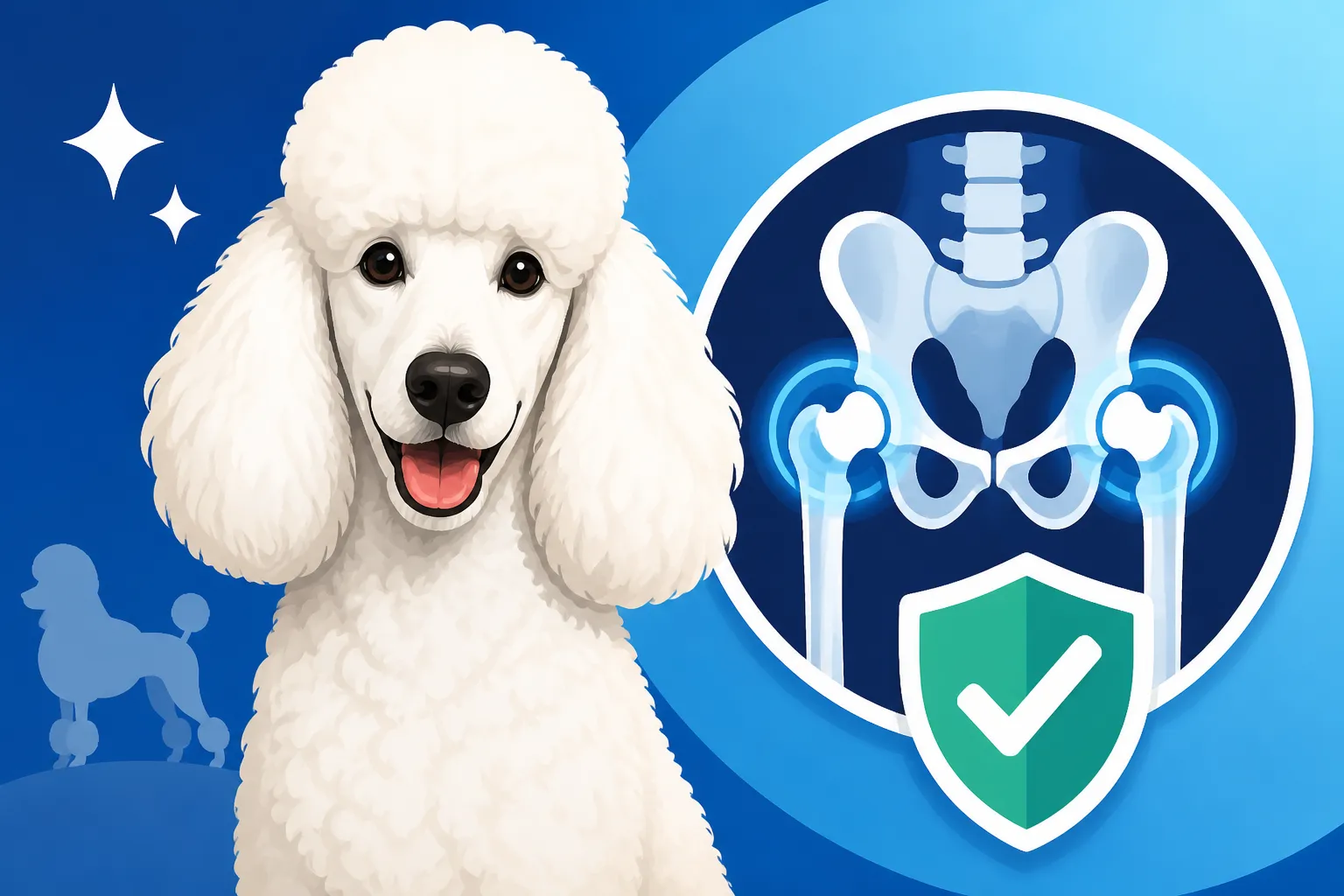
At its core, hip dysplasia is a malformation of the hip joint, which is a classic ball-and-socket joint. In a healthy hip, the femoral head (the ball) fits snugly and smoothly into the acetabulum (the socket) of the pelvis. With hip dysplasia, this fit isn't right. The socket might be too shallow, the ball might be flattened, or the ligaments supporting the joint could be lax. This improper fit leads to looseness in the joint, causing friction, wear and tear, and eventually, the painful degeneration of cartilage and the development of osteoarthritis. Imagine two gears that don't quite mesh; over time, they grind against each other, causing damage. That's essentially what happens inside a dysplastic hip. It’s incredibly frustrating for owners because while there's a strong genetic component, environmental factors like rapid growth, excessive exercise in puppies, and diet can also play a role, making it feel like a complex puzzle with many pieces.
Why Standard Poodles Are at Risk
Standard Poodles, like many large and fast-growing dog breeds, are unfortunately more prone to hip dysplasia than their smaller cousins. While it's rare to hear about a Toy Poodle suffering from severe hip issues, the sheer size and rapid growth rate of a Standard Poodle put considerable stress on their developing joints. Their genetic predisposition is significant; if a dog inherits genes for hip laxity, even with perfect environmental care, they are at a higher risk. This is a key reason why screening tests are so vital for Standard Poodles. If you’re interested in learning more about how size influences health, our article on Why Poodle Health Splits by Size delves deeper into these distinctions. The condition often manifests with symptoms like difficulty rising, reluctance to run or jump, a "bunny-hopping" gait, or noticeable pain when the hips are manipulated. For owners, seeing their active, graceful Poodle struggling with basic movements is heartbreaking. This is precisely why diligent breeders focus so heavily on hip health.
Deciphering Breeder-Published Hip Scores
When you’re looking for a Standard Poodle puppy, a reputable breeder won’t just tell you their dogs are healthy; they’ll show you the proof. This proof often comes in the form of official hip scores, usually from organizations like the Orthopedic Foundation for Animals (OFA) or the University of Pennsylvania Hip Improvement Program (PennHIP). Understanding these scores is crucial for making an educated decision.
The Different Scoring Systems: OFA vs. PennHIP
There are two primary systems for evaluating canine hip health that Standard Poodle breeders commonly utilize in North America: OFA and PennHIP. They approach the assessment of hip health from slightly different angles.
The Orthopedic Foundation for Animals (OFA) uses a subjective panel-based system. Veterinarians take specific X-ray views of the dog's hips, and these images are then evaluated by three independent board-certified veterinary radiologists. They assess hip conformation, looking for signs of hip laxity, degenerative joint disease, and other structural abnormalities. Based on their consensus, the hips are graded into one of seven categories:
- Excellent: Superior hip conformation, nearly perfect.
- Good: Well-formed and congruent hips.
- Fair: Minor irregularities, but still within apparently normal limits.
- Borderline: Not clearly dysplastic, but not clearly normal. These dogs are often recommended for re-evaluation.
- Mild Dysplasia: Evidence of hip laxity and early degenerative changes.
- Moderate Dysplasia: Significant evidence of hip laxity and clear degenerative changes.
- Severe Dysplasia: Marked evidence of hip laxity and advanced degenerative changes.
For breeding purposes, most reputable breeders will only use dogs with OFA scores of Fair, Good, or Excellent. Anything lower is generally considered unacceptable as it indicates a higher likelihood of passing on dysplastic genes.
PennHIP, on the other hand, is considered by many to be a more objective and quantitative method, often performed on dogs as young as 16 weeks, though typically done around 6-12 months. This system uses three specialized X-ray views: a standard extended view (similar to OFA), a compression view, and a distraction view. The distraction view is key, as it measures the inherent laxity of the hip joint – essentially, how much the ball can be pulled out of the socket. The results are expressed as a Distraction Index (DI), which is a numerical measure ranging from 0 to 1. A DI closer to 0 indicates very tight hips (less laxity), while a DI closer to 1 indicates very loose hips (more laxity). PennHIP provides a percentile ranking, showing how a dog's hips compare to other Poodles in the database. For example, a DI in the 70th percentile means that 70% of Poodles tested have tighter hips, while 30% have looser hips. Breeders typically aim for dogs in the tighter percentiles. The benefit of PennHIP is its early detection and its focus on laxity, which is often considered the primary cause of hip dysplasia.
Reading a Poodle's OFA Certificate or PennHIP Report
Understanding the scoring systems is one thing, but actually reading the official documents is another. When a breeder proudly presents an OFA certificate or PennHIP report, you need to know what to look for beyond just the overall grade.
For an OFA certificate, you’ll want to confirm several key pieces of information:
- Dog's Registered Name and Registration Number: This ensures you’re looking at the actual dog that is the parent of your potential puppy.
- Date of Birth: OFA evaluations for hips cannot be officially certified until a dog is 24 months (two years) of age. While preliminary evaluations can be done earlier, reputable breeders will only breed from dogs with final, official certifications.
- Grade: This will be prominently displayed (e.g., "OFA Hips: GOOD"). Always look for Fair, Good, or Excellent.
- Veterinarian and Clinic Information: This adds legitimacy to the report.
It's absolutely essential to see the actual certificate, not just a breeder stating "Oh, mom's hips are good." The transparency of showing you the official documentation, ideally with both parents' information readily available, speaks volumes about a breeder's commitment to health. This kind of thorough testing is part of What a Poodle Breeder Must Test For and often reflected in What You Pay for a Well-Bred Standard Poodle.
For a PennHIP report, you’ll also check the dog's registered name and date of birth. The most critical piece of information here will be the Distraction Index (DI) for both the left and right hip, usually presented together. You'll also see the percentile ranking, which gives context to that DI number. A breeder should be able to explain their breeding philosophy regarding DI scores and show you how their dogs compare within the Poodle breed. Remember, PennHIP can be performed earlier, providing an earlier indicator of hip laxity, but the dog still needs to be mature enough for breeding decisions.
It’s not uncommon for a dog to have a slightly different score for its left and right hip, regardless of the system. What you want to see is consistency within acceptable ranges. A truly dedicated breeder will not only share these results but also explain them in detail, showing that they understand the implications for their breeding program.
| Feature | OFA (Orthopedic Foundation for Animals) | PennHIP (University of Pennsylvania Hip Improvement Program) |
|---|---|---|
| Methodology | Subjective evaluation by 3 board-certified radiologists | Objective, quantitative measurement of hip joint laxity |
| Minimum Age | 24 months for final certification (preliminary at 4-6 months possible) | 16 weeks (though often done 6-12 months for comprehensive results) |
| Grading System | Excellent, Good, Fair, Borderline, Mild, Moderate, Severe | Distraction Index (DI: 0-1), percentile ranking vs. breed |
| Breeding Goal | Fair, Good, or Excellent | Lower DI (tighter hips), typically in the tighter percentiles for the breed |
| Focus | Overall hip conformation, signs of degenerative joint disease | Primary focus on hip laxity (how loose the joint is) |
| Views | One extended hip view | Three views: extended, compression, and distraction |
| Cost | Varies, generally comparable for standard radiographs | Varies, often slightly higher due to specialized training and equipment |
Beyond the Score: What Else to Consider
While hip scores are incredibly important, they’re just one piece of the puzzle when it comes to assessing a Poodle’s overall joint health and suitability for breeding or as a family pet. A truly comprehensive approach goes deeper.
Pedigree and Family History
A single good hip score from an individual dog, while commendable, doesn't tell the whole story. What you truly want to see is a consistent history of good hip health throughout the dog's lineage. This means looking at the hip scores of the sire (father), dam (mother), grandparents, and even siblings. A breeder should be able to provide information on the health clearances of multiple generations. If a dog has an "Excellent" score, but its parents and siblings consistently produced "Mild" or "Moderate" dysplastic offspring, that "Excellent" score might be an outlier rather than a true reflection of the line's genetic predisposition.
This concept is sometimes referred to as Estimated Breeding Values (EBVs) in some breeds, which use a broader statistical analysis of a dog's relatives to predict its genetic contribution to offspring. For Poodles, while formal EBVs might not be as widespread as in some other breeds, the principle remains: look for depth in the pedigree. A breeder should be able to show you a track record of healthy hips across their breeding program, not just cherry-picking one or two good scores. This multi-generational perspective provides a much stronger assurance of your future puppy’s health. Considering Poodle Hip Dysplasia by Size is vital here, as the larger varieties require more rigorous screening.
Breeder Transparency and Practices
The mark of an ethical and reputable Standard Poodle breeder isn't just that they perform health testing, but how transparent they are about the results and their overall breeding practices. They should openly discuss the health concerns prevalent in the breed, including hip dysplasia, and clearly explain what steps they take to mitigate those risks. They won't shy away from your questions about specific tests, like Which Tests a Standard Poodle Breeder Runs, or the interpretation of a particular dog's hip score.
A good breeder will:
- Voluntarily provide copies of OFA or PennHIP certificates for both parents (and often encourage you to verify them on public databases if available).
- Discuss any "borderline" or "fair" scores honestly and explain their decision to still breed that dog (e.g., if it's paired with an "Excellent" scored mate, and the overall lineage is superb).
- Welcome questions about the health of past litters and how they track health outcomes.
- Invite you to meet the parents of the puppies, if possible, allowing you to observe their movement and temperament firsthand.
- Be selective about who they breed to, prioritizing health, temperament, and conformation over trends or quick sales.
Beware of breeders who make excuses, claim their vet "checked" the hips without official scoring, or are unwilling to share documentation. True commitment to the breed’s health is evident in their transparency and willingness to educate prospective owners.
The Role of Environment and Early Puppy Care
Even with impeccable genetic health from well-scored parents, environmental factors during a Standard Poodle puppy's critical growth period can still influence hip development. While genetics load the gun, environment pulls the trigger. This is especially true for large breeds like Standard Poodles, which undergo rapid growth spurts. Our article on Why Standard Poodle Puppies Grow So Fast covers this critical development period.
Key environmental considerations include:
- Nutrition: Feeding a high-quality, large-breed puppy food specifically formulated for slow and steady growth is paramount. Overfeeding or feeding a diet too high in calories or calcium can lead to excessively rapid growth, putting undue stress on developing joints. This is part of the advice covered in Why a Poodle Puppy Should Grow Slowly.
- Exercise: Controlled exercise is crucial. Puppies need play and movement, but intense, high-impact activities like excessive jumping, long-distance running, or repetitive stair climbing should be limited until their growth plates have closed (typically between 12-18 months for Standards). Leash walks, gentle play, and swimming are excellent options.
- Slippery Surfaces: Repeated slipping and splaying on hardwood floors or slick tiles can contribute to hip laxity. Providing rugs or traction for puppies can help them develop stable muscles around their joints.
- Weight Management: Keeping a puppy at a lean, healthy weight reduces stress on their developing joints. Obesity, at any age, exacerbates joint problems.
By understanding that genetics and environment work hand-in-hand, you empower yourself to give your Standard Poodle the best possible start and support their long-term joint health.
Protecting Your Poodle's Hips Long-Term
Bringing home a Standard Poodle from a breeder who has diligently screened for hip dysplasia is a fantastic start, but your role in protecting their joint health doesn't end there. As they grow and age, continued attention to their well-being is crucial.
Proper Nutrition and Weight Management
One of the simplest yet most impactful things you can do for your Standard Poodle's hips – and overall health – is to maintain proper nutrition and a healthy weight throughout their life. For puppies, as we discussed, feeding a diet designed for large breed puppies helps ensure a slower, more controlled growth rate, preventing undue stress on developing joints. These specialized formulas typically have controlled calcium and phosphorus levels.
As your Poodle matures, portion control becomes even more vital. Obesity is a significant risk factor for exacerbating hip dysplasia symptoms and accelerating the onset of arthritis. Every extra pound your Poodle carries puts additional strain on their joints, turning a mild case of dysplasia into a painful one much faster. Regularly assess your Poodle's body condition – you should be able to easily feel their ribs without seeing them, and they should have a discernible waist when viewed from above. If you're unsure, your veterinarian can help you determine an ideal weight and feeding plan. Choosing the right kibble size for a Standard Poodle and avoiding overfeeding are crucial steps.
Safe Exercise and Activity
Regular exercise is essential for a Poodle's mental and physical well-being, but it needs to be appropriate for their age and physical condition, especially regarding their hips. For puppies, the general rule is "five minutes of exercise per month of age, twice a day." So, a four-month-old puppy might get 20 minutes of structured activity, twice a day, in addition to free play. This helps build muscle tone around the joints without overstressing them. High-impact activities like jumping off furniture, intense agility work, or long, forced runs should be avoided until growth plates have closed, usually around 12-18 months for a Standard Poodle.
As adults, Standard Poodles thrive on varied exercise, including walks, retrieving games, and swimming. Swimming is particularly excellent as it provides a full-body workout without impact on the joints. Be mindful of any signs of lameness or discomfort after exercise, which could indicate underlying joint issues. Early intervention can make a big difference in managing hip dysplasia. If you're looking for ways to support joint health, consider Joint Supplements Worth Giving a Poodle as they age or if they show early signs of stiffness.
The Value of Pet Insurance
Even with the most rigorous health testing from a reputable breeder and the best possible care, genetic predispositions can sometimes manifest, or accidents can happen. This is where pet insurance can be an absolute lifesaver. Hip dysplasia, if it develops, can lead to significant veterinary expenses, ranging from ongoing medication and physical therapy to potentially costly surgeries. Having a robust pet insurance plan can alleviate the financial burden, allowing you to make medical decisions based on what’s best for your Poodle, rather than what you can afford out-of-pocket.
Companies like Healthy Paws offer comprehensive plans that cover accidents, illnesses, and even hereditary conditions like hip dysplasia, as long as they are not pre-existing conditions when you enroll. This means getting insurance when your Poodle is a puppy, before any symptoms appear, is ideal. Imagine the relief of knowing that if your beloved Poodle develops hip dysplasia, Healthy Paws could help cover a significant portion of the treatment costs. Understanding Poodle Insurance Premiums by Size and Age can help you budget for this essential safety net. Choosing a plan from Healthy Paws gives you peace of mind, knowing that you're prepared for the unexpected. It's a pragmatic step in budgeting for potential major health issues and can truly make a difference in your Poodle's long-term care, offering a vital layer of protection for conditions that might not have been apparent even with excellent hip scores initially. Many Poodle owners find that investing in pet insurance, such as a plan from Healthy Paws, is a crucial part of responsible ownership, especially for a breed with known genetic predispositions. For more on this, check out our guide on Insurance Versus Savings for a Standard Poodle.
Disclaimer
Please remember that this article provides general information and recommendations. Always consult with a qualified veterinarian for specific advice regarding your Poodle's health, diagnosis, and treatment. Genetic health information is complex and should be discussed thoroughly with your breeder and vet.