What Makes a Poodle Parti
Parti Poodles feature a bi-colored coat with white and another hue, explained by genetics at the S locus on the dog.
Is this the right one for you?
Origins and temperament, size and coat, what living with one is actually like, and how it compares to the breeds people weigh against it.
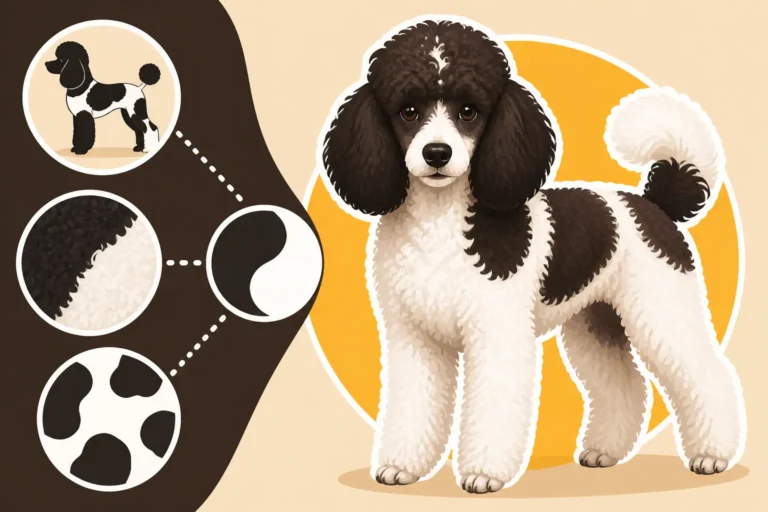
Parti Poodles feature a bi-colored coat with white and another hue, explained by genetics at the S locus on the dog.
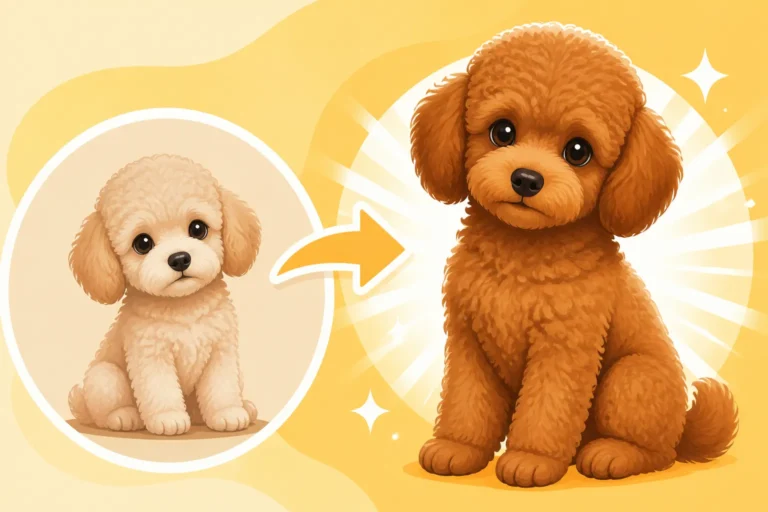
Poodle puppy coat color changes and clearing genes explain why juvenile shades shift into different adult tones.
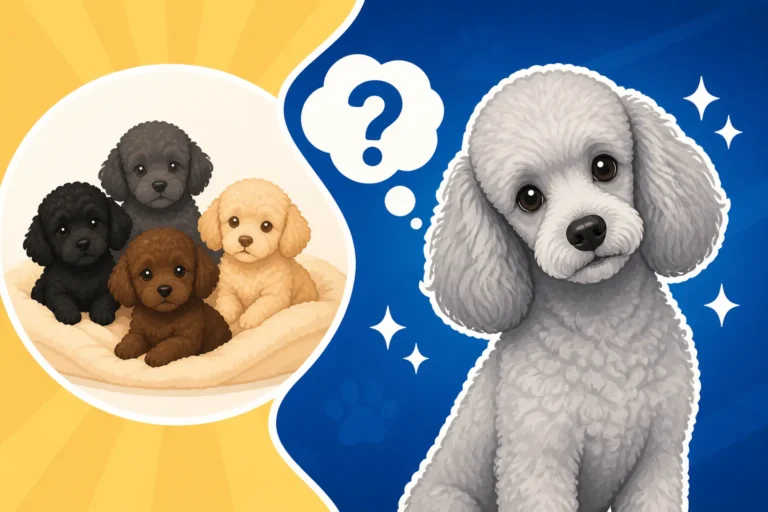
Silver Poodle puppies are born black and develop their silver adult coats between six weeks and two years through genetic dilution.
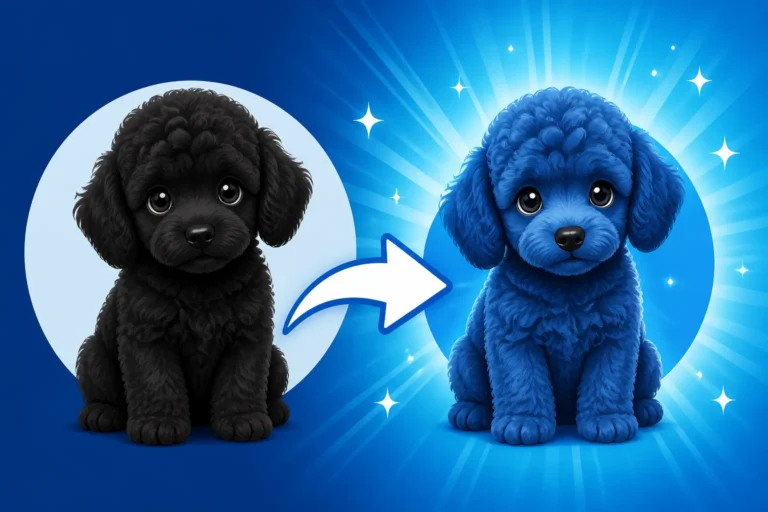
Black Poodle puppies can transform into smoky charcoal blue dogs due to a progressive genetic graying process.
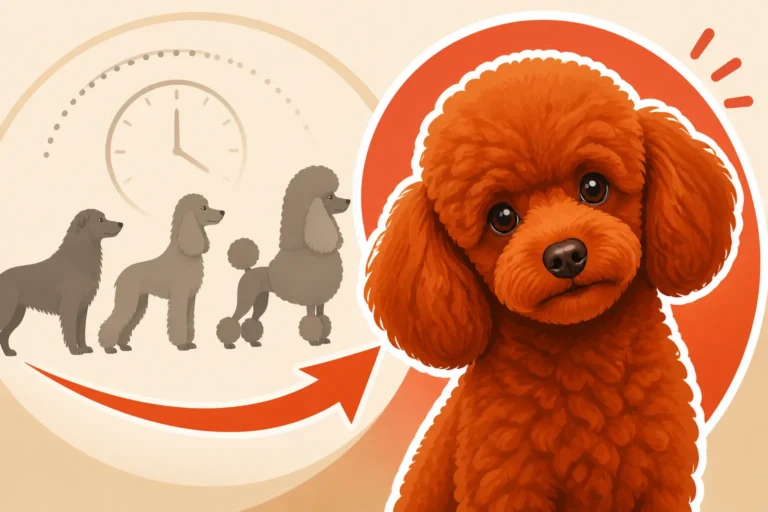
Red poodle coats emerged recently due to breeding efforts and genetics, contrasting with historical black and white colors.
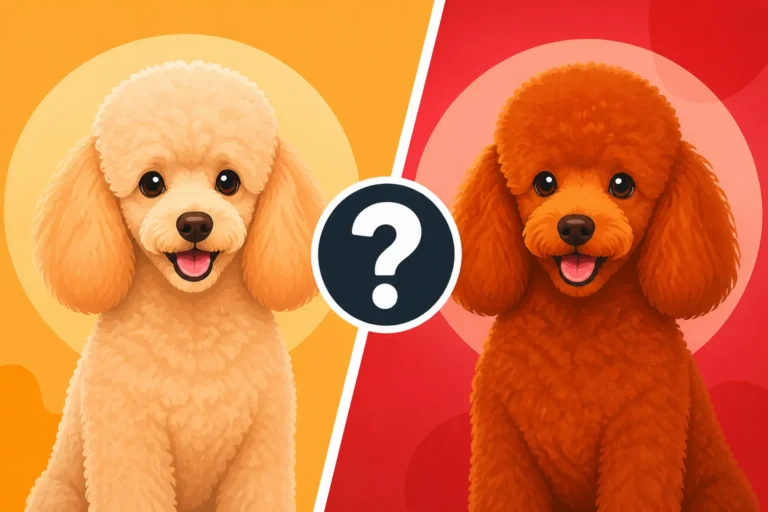
Apricot and red Poodle coat colors differ through specific genetic loci, modifier genes, and fading processes over time.
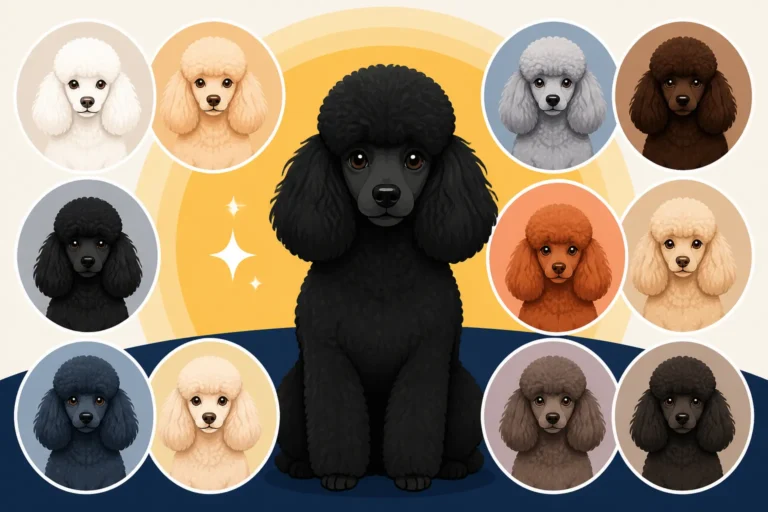
Ten solid Poodle colors, their genetic definitions, and matching points explained for dog owners and breeders.
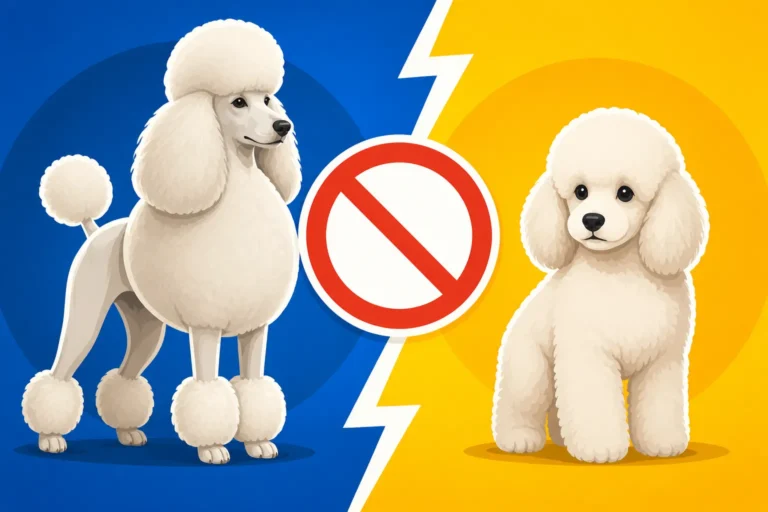
Adult Poodle show rules forbid puppy clips, explaining how breed standards and historical grooming requirements dictate adult ring styles.
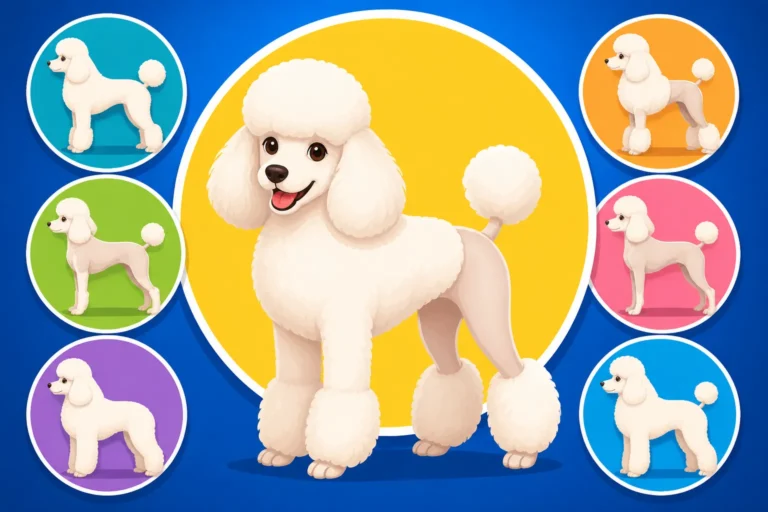
Approved Poodle show clips and their working dog history, explaining grooming standards for the conformation ring.
Poodle conformation ring faults include size discrepancies, incorrect bites, and coat irregularities that lower placings.