Dental Chews Sized for a Toy Poodle
It’s a common frustration for Toy Poodle owners: you want to give your precious little companion the very best, especially when it comes to their health, but finding dental products that are actually safe and effective for their tiny mouths feels like a never-ending quest. Standard dental chews are often too large, too hard, or pose a choking risk, leaving you wondering how to protect their pearly whites without causing more harm than good. This guide is here to cut through the confusion, offering clear, actionable advice on choosing dental chews perfectly sized for your Toy Poodle, and integrating them into a comprehensive oral health routine.
Why Toy Poodles Need Special Dental Care and the Right Chews
Toy Poodles, while undeniably charming and intelligent, come with a unique set of dental challenges that demand a tailored approach to oral hygiene. Their small stature, unfortunately, doesn't translate to fewer dental problems; quite the opposite, in fact. Understanding these specific needs is the first step toward providing them with the best care.
The Unique Dental Challenges of Small Breeds
Imagine fitting a full set of adult human teeth into a child’s mouth – that’s essentially what happens with many small dog breeds, including our beloved Toy Poodles. Their jaws are compact, often leading to crowded teeth. When teeth are crammed together, it creates more surface area for food particles and bacteria to cling to, making them far more prone to plaque and tartar buildup. This isn't just an aesthetic problem; it's the gateway to periodontal disease, a progressive and often painful condition that can lead to infections, tooth loss, and even systemic health issues.
Another common issue we see in Toy Poodles is the retention of deciduous, or "baby," teeth. Sometimes, their adult teeth erupt before the baby teeth have fallen out, leading to two sets of teeth in the same socket. This crowding further exacerbates plaque accumulation and can alter the bite, causing discomfort. It’s a battle many small breed owners are familiar with, and it's a significant reason why many of them experience dental problems earlier in life compared to larger breeds. You might want to read more about Why Small Poodles Lose Teeth Early to understand this common issue better. Because of these inherent challenges, preventative dental care, including the judicious use of appropriate dental chews, becomes not just a recommendation, but a critical necessity for a Toy Poodle's long-term well-being.
The Dangers of Ill-Sized Chews
Handing a dental chew designed for a Labrador to a tiny Toy Poodle is, frankly, asking for trouble. The most immediate and terrifying danger is choking. A chew that's too large can become lodged in their throat, a life-threatening emergency no owner ever wants to face. Beyond choking, chews that are too hard or inappropriately sized can cause significant damage to a Toy Poodle's delicate teeth and jaws. Small breed dogs are more susceptible to fractured teeth, especially if they are given hard bones, antlers, or even some of the tougher rawhide products. A broken tooth is incredibly painful and often requires costly veterinary intervention, including extraction.
Furthermore, if a chew is too big, your Toy Poodle might struggle to get a proper grip, or they might try to swallow pieces that are too large, leading to digestive upset, vomiting, or diarrhea. It can also be incredibly frustrating for your little dog if they can't effectively chew and break down a product designed to clean their teeth. They simply can't get the proper abrasive action if they can't manipulate the chew comfortably in their mouth. This is why selecting a chew specifically designed and tested for small breeds, and Toy Poodles in particular, isn't just about convenience – it's about safety and efficacy.
What Makes a Dental Chew "Toy Poodle Sized"?
When you're standing in the pet store aisle or scrolling through endless options online, the sheer volume of dental chews can be overwhelming. But for a Toy Poodle, "sized right" means more than just a small package. It involves a combination of dimensions, texture, and ingredients to ensure both safety and effectiveness.
Understanding Chew Dimensions and Hardness
For a Toy Poodle, the dimensions of a dental chew are paramount. You're looking for something that is small enough for their tiny mouth to comfortably manipulate, but not so small that it can be swallowed whole in one gulp. Most manufacturers will clearly label their products by dog size – look specifically for "Teenie," "Toy Breed," or "Extra Small" categories. A good rule of thumb is that the chew should be longer than the width of your Poodle's mouth to prevent accidental swallowing before chewing.
The hardness of the chew is equally critical. A chew that's too hard, like dense natural bones or some nylon chews, can easily lead to a slab fracture on a Toy Poodle's already delicate molars. These fractures expose the sensitive pulp of the tooth, causing immense pain and requiring surgical extraction. On the flip side, a chew that's too soft won't provide the necessary abrasive action to scrape away plaque and tartar. The ideal dental chew for a Toy Poodle should have a chewy, somewhat pliable texture that allows their teeth to sink in slightly, providing a gentle scrubbing action without risking damage. When in doubt, perform the "thumbnail test": if you can't indent the chew with your thumbnail, it's likely too hard for your Toy Poodle's teeth.
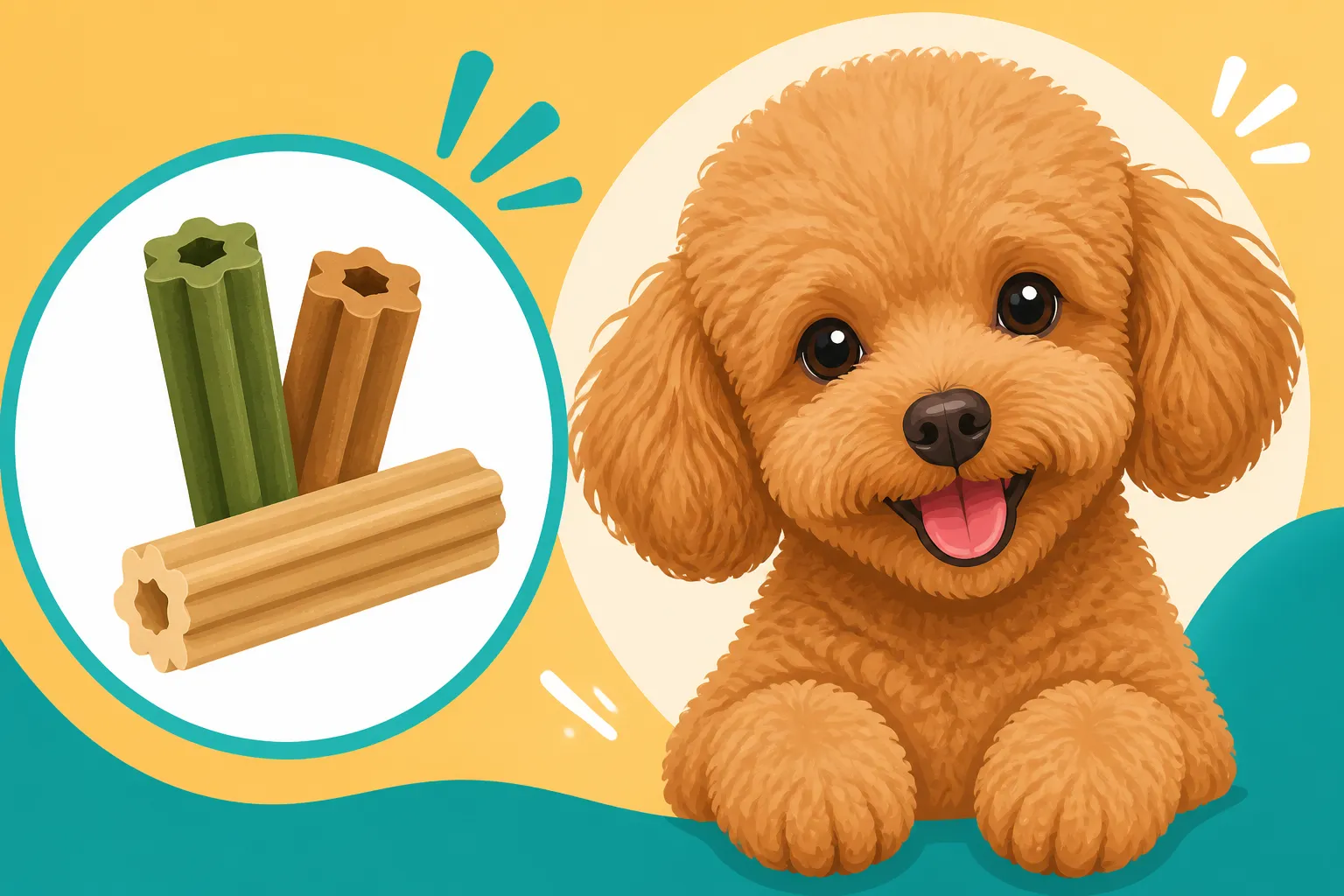
Beyond size and hardness, consider the shape. Some dental sticks are designed with ridges or unique shapes (like a "Z" or a "toothbrush" shape) that are intended to reach different tooth surfaces as the dog chews. These can be particularly beneficial for getting into those crowded spaces in a Toy Poodle's mouth. Always keep an eye out for products with the VOHC (Veterinary Oral Health Council) seal of acceptance. This seal indicates that the product has undergone rigorous testing and has been proven to reduce plaque or tartar, or both, by a significant percentage. It's a reliable indicator that a product truly works as claimed.
Ingredients to Look For and Avoid
The ingredients in a dental chew are just as important as its physical characteristics. For a Toy Poodle, digestibility is key. Their sensitive digestive systems can sometimes react poorly to certain ingredients. Look for chews made from highly digestible components such as potato starch, rice flour, or natural plant-based proteins. Many effective dental chews incorporate enzymatic additives (like glucose oxidase or lactoperoxidase) that help break down plaque and inhibit bacterial growth in the mouth, offering an extra layer of protection beyond just mechanical abrasion.
When it comes to ingredients to avoid, traditional rawhide often tops the list for small dogs. While some newer, softer rawhide alternatives exist, traditional rawhide can be very difficult for a Toy Poodle to break down, leading to large, softened pieces being swallowed whole. These can cause intestinal blockages or severe digestive upset. Similarly, while bones might seem natural, cooked bones are brittle and splinter easily, and even raw bones can be too hard for small teeth, leading to fractures.
Be mindful of potential allergens. If your Toy Poodle has known food sensitivities, check the ingredient list carefully for common culprits like chicken, beef, or grains. Many brands now offer limited-ingredient or grain-free dental chew options, which can be a lifesaver for dogs with allergies. For instance, while looking on Chewy or Amazon, you’ll find numerous brands that cater to specific dietary needs. Reading labels and understanding what's going into your Poodle's mouth is a non-negotiable part of responsible pet ownership.
Top Picks and Considerations for Toy Poodle Dental Chews
Navigating the multitude of options can feel overwhelming, but a few stand out as reliable choices for Toy Poodle parents. Remember, what works perfectly for one dog might not be the ideal fit for another, so observe your Poodle's chewing style and preferences.
Safe and Effective Dental Chew Options
When it comes to dental chews for Toy Poodles, the goal is plaque and tartar reduction without compromising safety or digestion. Brands like Greenies have become a household name, and their "Teenie" size is specifically formulated for dogs between 5-15 pounds, making it a viable option for many Toy Poodles. These chews are VOHC accepted for tartar reduction and have a unique chewy texture designed to flex around teeth for a good scrub. You can easily find Greenies Teenie on platforms like Chewy or Amazon, often with subscription options for convenience.
Another popular choice are certain edible dental sticks that come in various sizes, often with a "Z" or similar shape designed to maximize surface contact. Virbac C.E.T. VeggieDents are a great example, plant-based and also VOHC accepted. They offer a firm-but-chewy texture and a shape engineered to improve cleaning action. Similarly, some specialty brands offer softer, highly digestible dental treats that act as a rawhide alternative, providing chewing satisfaction without the same risks. Always confirm the sizing on these products, as "small" can sometimes still be a bit too big for the smallest of Toy Poodles.
It's also worth noting that some veterinary prescription diets, like Royal Canin Dental Dry Dog Food, are specifically designed with kibble shapes and textures that provide a dental cleaning action with every bite. While not a chew in the traditional sense, incorporating such kibble can significantly contribute to overall dental health as a continuous, passive form of cleaning. These aren't typically available on general sites like Ollie, which focuses on fresh food delivery, but your vet can certainly guide you towards suitable options.
When to Offer Dental Chews and How Often
Consistency is truly the magic word when it comes to the effectiveness of dental chews. To maximize their plaque-fighting power, most manufacturers recommend offering dental chews daily. Think of it as a small, tasty ritual that contributes to your Toy Poodle's long-term health. However, even with daily use, dental chews are not a "set it and forget it" solution; they should be part of a broader oral hygiene routine.
It’s crucial to always supervise your Toy Poodle while they’re enjoying a dental chew. Even appropriately sized chews can be a choking hazard if a dog tries to swallow a large, unchewed piece. Supervision allows you to intervene if your Poodle struggles or if a piece breaks off that’s too large to safely ingest.
Consider offering the chew at a time when your dog is relaxed and can focus on chewing – perhaps after their morning walk or as an evening treat. This makes it a positive experience and helps them engage with the chew effectively. Remember that while dental chews are beneficial, they are a supplement to, not a replacement for, other essential dental care practices. For more on daily care, check out Brushing a Toy Poodle's Teeth.
Monitoring Your Toy Poodle's Reaction and Dental Health
Introducing any new treat or chew to your Toy Poodle's diet requires a period of observation. Keep a close eye on their digestive system for the first few days. Changes in stool consistency, vomiting, or a sudden lack of appetite could indicate that the chew isn't agreeing with them. Some dogs simply have more sensitive stomachs, and finding the right dental chew might involve a bit of trial and error.
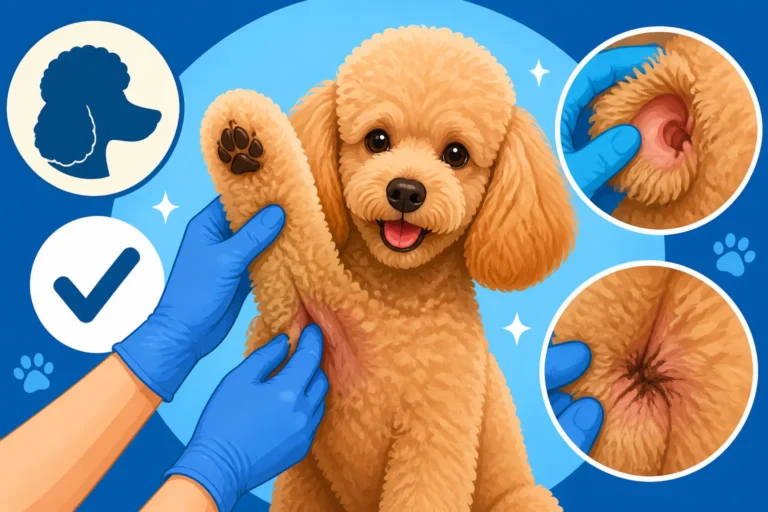
Beyond immediate digestive reactions, you should also be monitoring their actual dental health. While chews can help reduce plaque and tartar, they won't halt the progression of dental disease entirely, especially in a breed prone to it. Regularly lift your Poodle's lips and examine their gums and teeth. Look for any redness or swelling along the gum line, yellow or brown buildup on the tooth surfaces, or persistent bad breath, which is a key sign of dental issues. If you notice any changes, or if your Poodle seems hesitant to chew, it’s time for a vet visit. Regular check-ups are vital, as discussed in Yearly Routine Vet Spend for a Poodle, and can catch problems before they become severe.
Beyond Chews: A Holistic Approach to Toy Poodle Oral Health
While dental chews are a helpful tool, they are just one component of a truly effective oral hygiene strategy for your Toy Poodle. For this particular breed, a multi-faceted approach is absolutely essential to combat their inherent dental challenges and ensure their comfort and longevity.
The Indispensable Role of Tooth Brushing
Let's be clear: daily tooth brushing is the gold standard for canine dental care. Think of dental chews as mouthwash and flossing – helpful supplements, but not a replacement for brushing. For a Toy Poodle, with their crowded teeth and propensity for plaque, manual brushing is crucial for physically removing debris and plaque from the tooth surfaces and along the gum line.
It's best to introduce tooth brushing early in puppyhood, making it a positive and gentle experience. Use a finger brush or a small, soft-bristled toothbrush specifically designed for small dogs. Crucially, always use a pet-specific enzymatic toothpaste, as human toothpaste contains ingredients (like xylitol) that are toxic to dogs. Consistency is key; a few minutes a day can make a monumental difference over your Poodle's lifetime. If your Poodle is resistant, start slowly, allowing them to lick the toothpaste off the brush, then gradually introducing gentle brushing for short periods. This topic is covered in depth in Brushing a Toy Poodle's Teeth.
Regular Veterinary Dental Check-ups and Cleanings
No matter how diligently you brush or how many dental chews your Toy Poodle enjoys, professional veterinary dental check-ups and cleanings are an indispensable part of their oral health regimen. Your veterinarian can identify issues that are invisible to the naked eye, such as pockets under the gum line, fractured teeth, or retained deciduous teeth, all of which are common in small breeds.
During a professional dental cleaning, which is performed under anesthesia, the vet can thoroughly scale away tartar both above and below the gum line, polish the teeth, and address any extractions or other necessary procedures. While the idea of anesthesia can be daunting for small dog owners, modern veterinary anesthesia protocols are very safe, especially when appropriate pre-anesthetic bloodwork is performed. This bloodwork is a critical step in assessing your Poodle's overall health before the procedure, a cost which you can learn more about in Bloodwork Prices Before Poodle Anesthesia. Early and regular professional cleanings can prevent painful infections and tooth loss, saving your Poodle from discomfort and you from more extensive and costly interventions down the line. It's an investment in their quality of life. Detailed information about the cost of cleanings can be found in Dental Scaling Prices for a Toy Poodle.
Diet and Water Additives for Supplemental Support
Beyond brushing and chews, diet and water additives can offer additional layers of support for your Toy Poodle's oral health. As mentioned earlier, some kibbles are specifically designed to provide a gentle scrubbing action as your dog crunches. The shape, texture, and even fiber content of these dental-specific diets contribute to mechanical plaque removal. Discussing these options with your vet is wise, especially if your Toy Poodle is prone to significant tartar buildup despite other efforts.
Dental water additives are another option to consider. These liquids are added to your Poodle's drinking water and contain ingredients designed to reduce bacteria and plaque in the mouth. While they are easy to administer and provide continuous action throughout the day, they are definitely not a standalone solution. They work best as a supplementary measure. Some dogs might be sensitive to the taste of certain additives, so you may need to try a few different brands to find one your Poodle will accept. Always ensure the additive is safe for daily ingestion and follow the manufacturer's directions carefully.
Ultimately, a truly healthy mouth for your Toy Poodle comes from a comprehensive approach: daily brushing, appropriate dental chews, a supportive diet, and regular professional veterinary care. It’s an ongoing commitment, but one that will keep your beloved Poodle happy, healthy, and smiling for years to come.
| Chew Type/Product Category | Key Features | Pros for Toy Poodles | Cons/Considerations |
|---|---|---|---|
| Greenies Teenie Dental Chews | VOHC accepted, chewy texture, distinct shape | Proven plaque/tartar reduction, highly digestible, specific small size | Can be swallowed quickly by aggressive chewers, calorie content |
| Virbac C.E.T. VeggieDents | VOHC accepted, plant-based, unique Z-shape | Good for specific dental scrubbing, natural ingredients, varied sizes | Can be firmer than some options, ensure "Extra Small" or "Petite" size |
| Soft Edible Dental Sticks | Various brands (e.g., Pedigree Dentastix, Royal Canin Dental Sticks) | Chewy texture for mild abrasion, easy to find on Chewy/Amazon, generally palatable | Efficacy varies by brand, not all are VOHC accepted, still supervise for choking |
| Veterinary Dental Kibble | Specially designed kibble size/texture | Provides cleaning with every meal, passive dental care | Requires a full diet change, only available via vet, may not suit all dietary needs |
| Dental Water Additives | Liquid added to drinking water | Easy, continuous bacterial control, doesn't require active chewing | Not a primary solution, taste aversion possible, efficacy can be mild |
Disclaimer
This article is for general informational purposes only and does not constitute professional advice. Laws, prices and regulations vary by location and change over time. Consult a qualified professional for guidance on your specific situation.