Feeding a Poodle Past Ten
Watching your beloved Poodle enter their golden years is a bittersweet experience. While the joy of their continued companionship is immense, you often start to notice subtle shifts – a bit less zoom, a few more naps, and sometimes, a change in their interest in food. One of the biggest worries for us Poodle parents is making sure our senior companions are getting the right nutrition as their bodies and needs evolve. This guide is here to walk you through how to properly feed a Poodle once they hit the age of ten, helping them stay as healthy and happy as possible.
Understanding Your Senior Poodle's Changing Nutritional Needs
As Poodles age, just like us, their bodies undergo a variety of physiological changes that directly impact their nutritional requirements. What worked perfectly for them as a spry five-year-old might not be ideal for their comfort and health past their tenth birthday. It's crucial to understand these shifts so you can adapt their diet accordingly and provide the best possible support for their golden years. Ignoring these changes can lead to common senior dog issues, from weight gain to muscle wasting and joint pain.
Metabolism Slowdown and Weight Management
One of the most noticeable changes in an aging Poodle is a general slowdown in their metabolism and a decrease in their activity levels. That boundless energy they once had for chasing squirrels or endless games of fetch might now be replaced by a preference for a cozy spot on the couch. This reduction in activity means they simply don't burn as many calories as they used to. If their food intake remains the same, those extra calories quickly turn into unwanted pounds, contributing to a host of other health problems.
Weight management becomes paramount for senior Poodles. Obesity can exacerbate joint issues, put strain on their heart and other organs, and generally reduce their quality of life. It’s not about starving them, but rather about carefully calibrating their caloric intake to match their new, slower metabolism. You might find you need to slightly reduce portion sizes or switch to a food that is less calorically dense but still rich in essential nutrients. Regularly checking their weight and body condition score is far more important now than it ever was, allowing you to make small adjustments before a significant problem develops. This aligns with overall good Caring for an Aging Poodle, especially when considering the implications of Poodle Obesity and Its Consequences.
Muscle Mass Loss and Protein Requirements
Another significant change in older Poodles is sarcopenia, the age-related loss of muscle mass. Even if your senior Poodle maintains a healthy weight, you might notice their muscles becoming less defined, particularly over their hindquarters. This loss of muscle isn't just cosmetic; it can impact their mobility, balance, and overall strength, making everyday activities like climbing stairs or getting up from a nap more challenging. To combat this, senior Poodles often benefit from a diet with a slightly higher percentage of high-quality, easily digestible protein compared to their adult counterparts.
Don't let the fear of kidney issues (which can sometimes be linked to very high protein in already compromised kidneys) deter you from providing adequate protein for a healthy senior. For most aging Poodles with no pre-existing kidney disease, increased protein is vital for preserving muscle and supporting overall vitality. Look for foods where protein sources like chicken, turkey, lamb, or fish are listed as the first few ingredients. High-quality protein helps maintain that lean muscle mass, which in turn supports their joints and keeps them moving comfortably for longer.
Joint Health and Anti-Inflammatory Support
As Poodles get older, wear and tear on their joints is almost inevitable. Conditions like arthritis, which can manifest as stiffness, reluctance to move, or even lameness, become more common. This is why paying close attention to ingredients that support joint health and reduce inflammation is critical. Many senior dog foods now include supplements specifically aimed at cushioning joints and easing discomfort.
Key ingredients to look for include glucosamine and chondroitin, which are the building blocks of cartilage and can help slow its degradation. Omega-3 fatty acids, particularly EPA and DHA found in fish oil, are also incredibly beneficial due to their powerful anti-inflammatory properties, which can help soothe aching joints and improve mobility. Some foods may also include MSM, green-lipped mussel, or turmeric for added anti-inflammatory benefits. Supporting their joints through diet can make a huge difference in their daily comfort and ability to enjoy their walks and playtime, truly helping with Arthritis in a Twelve-Year-Old Poodle.
Choosing the Right Food for Your Aging Poodle
The sheer number of dog food options on the market can be overwhelming, even for seasoned Poodle owners. When your Poodle reaches their senior years, the decision becomes even more critical. You want to choose a food that not only meets their evolving nutritional needs but is also palatable and easy for them to digest. This section will help you navigate the choices, from dedicated senior formulas to the types of food and specific ingredients that offer the most benefit.
Senior-Specific Formulas
Many reputable pet food companies offer formulas specifically designed for senior dogs. These foods are generally formulated with the changes we discussed in mind: slightly fewer calories to prevent weight gain, adjusted protein levels to support muscle mass, and often boosted with joint-supporting ingredients. They might also have a different balance of vitamins and minerals to support overall health in older age, such as antioxidants to combat cellular aging and lower phosphorus levels for kidney support (though this should be discussed with your vet).
When evaluating senior formulas, don't just grab the first bag labeled "senior." Take a moment to read the ingredient list carefully. Look for whole food ingredients, a clearly identifiable animal protein source as the first ingredient, and beneficial additions like omega fatty acids and joint supplements. Brands like Ollie (though a fresh food option, they do cater to various life stages) and many premium kibble brands found on Chewy offer excellent senior-specific choices. A lower sodium content can also be beneficial for heart health, another consideration as your Poodle ages.
Wet, Dry, or Fresh Food Considerations
The form of food can become more important for older Poodles, especially as dental health can decline.
- Dry Kibble: This is often the most convenient and cost-effective option. If your Poodle still has a good set of teeth and no chewing difficulties, a high-quality senior kibble can be perfectly fine. However, some senior Poodles might find dry kibble hard to chew, especially if they have missing teeth or sensitive gums, a common concern as Poodle Dental Disease by Size progresses and leads to Why Small Poodles Lose Teeth Early. Soaking kibble in warm water or low-sodium broth can soften it, making it easier to eat and also boosting hydration.
- Wet Food: Canned or wet food is often more palatable and easier to chew for senior Poodles with dental issues. Its higher moisture content also contributes to overall hydration, which is vital for kidney function and general well-being. Wet food can be a great option for picky eaters or those with a reduced appetite, as its aroma and texture are often more appealing. The downside is that it can be more expensive and some formulations might be very high in calories if not chosen carefully.
- Fresh or Gently Cooked Food: Services like Ollie deliver fresh, human-grade food tailored to your dog's specific needs. This can be an excellent option for older Poodles who are picky, have sensitive stomachs, or require easily digestible nutrients. The high moisture content and soft texture are gentle on teeth and digestive systems. While it often comes with a higher price tag, many owners find the benefits for their senior Poodle's health and enthusiasm for eating to be well worth the investment.
- Homemade Diets: If you're considering a homemade diet, it's absolutely essential to work with a veterinary nutritionist to ensure it is complete and balanced for your senior Poodle's specific needs. Incorrectly balanced homemade diets can lead to serious nutritional deficiencies or excesses, which can be particularly detrimental to an older dog.
Ingredient Spotlights for Senior Health
Beyond general senior formulas, understanding specific ingredients can help you make informed choices.
| Ingredient Type | Benefit for Senior Poodles | Food Sources/Examples |
|---|---|---|
| High-Quality Protein | Maintains muscle mass, supports organ function. | Chicken, turkey, lamb, beef, fish, eggs |
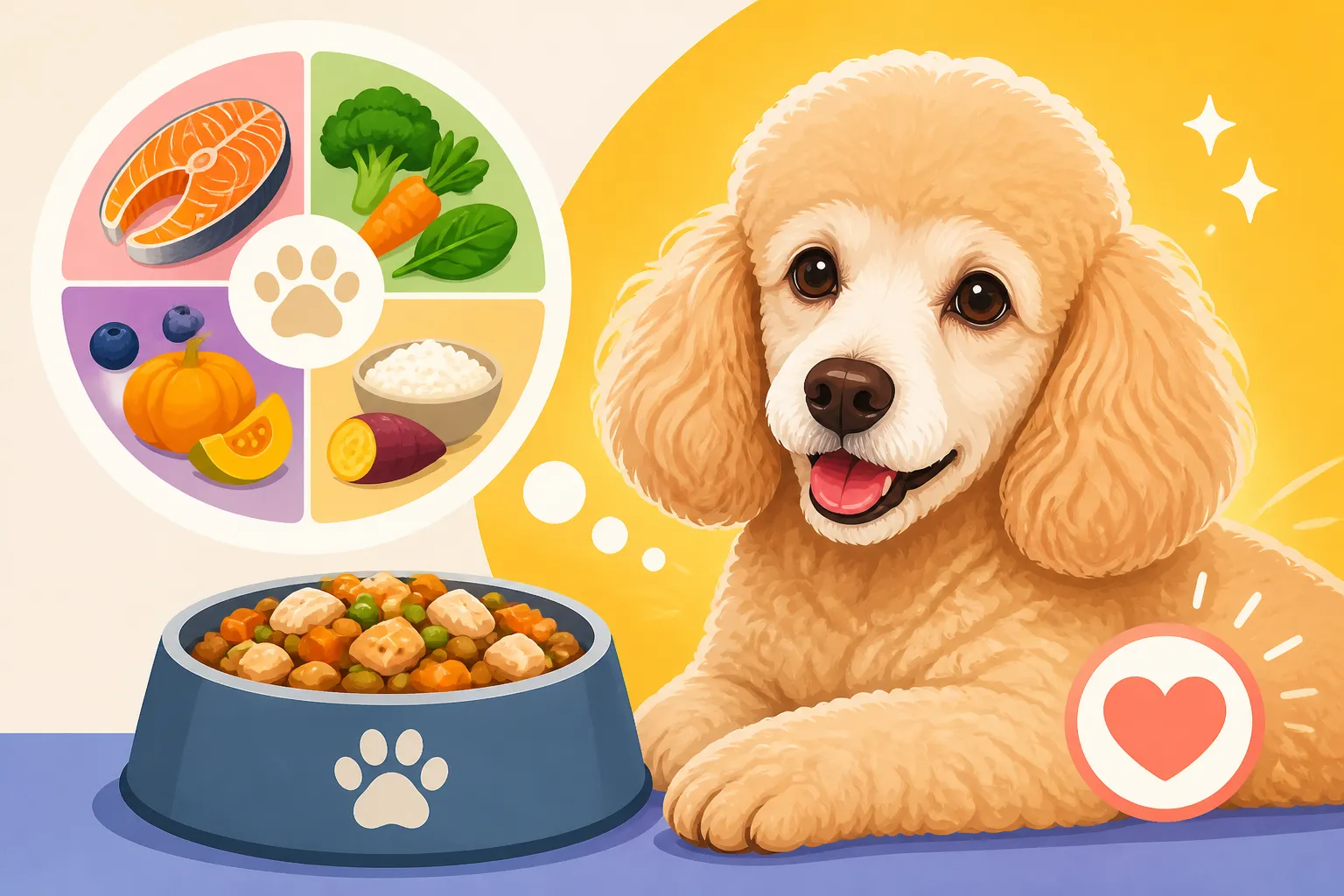
| Omega-3 Fatty Acids | Anti-inflammatory for joints, brain, skin, and coat health. | Fish oil (salmon, sardine), flaxseed oil |
| Glucosamine/Chondroitin | Supports cartilage health, reduces joint pain. | Found in many senior foods, supplements, green-lipped mussel |
| Antioxidants | Protects cells from damage, supports immune system, cognitive function. | Vitamins E & C, blueberries, cranberries, spinach |
| Fiber | Aids digestion, promotes regularity, helps with satiety for weight control. | Beet pulp, pumpkin, sweet potato, brown rice |
| L-Carnitine | Helps convert fat to energy, supports lean muscle mass. | Found in many senior weight management formulas, red meat |
| Probiotics/Prebiotics | Promotes a healthy gut microbiome, aids digestion. | Fermented foods (yogurt in moderation), chicory root |
When you're reading labels, look for these powerhouses. For instance, fish oil, often found in supplements on Amazon, can be a fantastic addition even if your dog's food contains some omega-3s, to really boost those anti-inflammatory benefits. Remember, your Poodle's unique health profile, including any underlying conditions like kidney or heart disease, should always guide your specific ingredient choices, in consultation with your veterinarian.
Tailoring Feeding Practices for Older Poodles
It's not just what you feed your senior Poodle, but how you feed them that can make a significant difference in their health and happiness. As their routine changes, so too might their ideal eating habits. Observing your Poodle closely and making thoughtful adjustments to their feeding schedule and environment can help them feel more comfortable, encourage appetite, and ensure they get the most out of every meal.
Portion Control and Meal Frequency
Given the metabolic slowdown we've discussed, precise portion control is crucial. Even a small increase in calories beyond their needs can lead to weight gain, which is particularly detrimental for aging joints. Refer to the feeding guidelines on your chosen senior dog food, but always remember these are just starting points. Your Poodle's individual activity level, size (Standard, Miniature, or Toy), and overall health will dictate their true requirements. For instance, a lazy Toy Poodle might need significantly fewer calories than a still-active Miniature Poodle. It's often helpful to think in terms of Calorie Needs of a Senior Poodle rather than just arbitrary cup measurements.
Many senior Poodles also benefit from being fed smaller, more frequent meals rather than one or two large ones. Their digestive systems might not be as robust as they once were, and smaller meals are often easier to process, reducing the risk of digestive upset or bloat. For example, dividing their daily portion into three or even four smaller meals throughout the day can be less taxing on their system and keep their energy levels more stable. This approach can also make mealtime a more frequent, positive experience, especially if they're a bit particular about eating.
Addressing Pickiness and Appetite Changes
It's not uncommon for older Poodles to become pickier eaters or experience a decrease in appetite. This can be frustrating for owners, who worry their beloved companion isn't getting enough nutrition. Several factors can contribute to this, including a dulled sense of smell, dental pain, underlying medical conditions, or simply a reduced need for calories. The first step is always a vet visit to rule out any medical causes for appetite loss, such as dental issues, kidney problems, or other illnesses.
If medical issues are ruled out, there are several strategies you can employ. Warming up wet food or mixing a little warm broth (low sodium, unsalted) into kibble can enhance its aroma and make it more appealing. Adding a small amount of highly palatable, safe "human food" toppers, like cooked chicken breast, boiled eggs, or plain pumpkin puree, can also tempt a finicky eater. Be sure any additions are pet-safe and only make up a tiny portion of their meal to maintain nutritional balance. Making mealtime a calm, positive experience, perhaps in a quiet corner away from household hustle, can also help.
Hydration and Water Intake
Water is perhaps the most overlooked yet vital nutrient for senior Poodles. Proper hydration is critical for nearly every bodily function, including kidney health, digestion, circulation, and joint lubrication. As Poodles age, their thirst drive might decrease, or they might not be as willing to get up and walk to their water bowl as frequently. Additionally, some senior health conditions, particularly kidney issues (which can be monitored by watching Kidney Values to Watch in a Senior Poodle), demand increased water intake.
Ensure your senior Poodle always has access to fresh, clean water in multiple locations around the house. Consider using raised bowls if bending down causes them discomfort. Adding a splash of low-sodium broth to their water bowl can encourage them to drink more. As mentioned, incorporating wet or fresh food into their diet naturally boosts their water intake. You can also add a little extra water to their dry kibble if they eat it. Regular urination is a good sign of adequate hydration, but always keep an eye out for signs of dehydration, such as lethargy, dry gums, or sunken eyes.
Managing Common Senior Poodle Dietary Challenges
As our Poodles age, new health challenges can emerge, many of which directly impact their dietary needs and how we manage their food. These challenges require a proactive and often veterinary-guided approach to ensure your Poodle remains comfortable and well-nourished. Ignoring these signs can lead to further complications and a decrease in their quality of life.
Dental Disease and Soft Food Options
Dental disease is incredibly common in older dogs, especially smaller breeds like Toy and Miniature Poodles, and it can be a silent source of pain. Tartar buildup, gum inflammation, and loose or fractured teeth can make eating dry kibble excruciating. If your senior Poodle is reluctant to eat, drops food, or shows signs of pain while chewing (like pawing at their mouth), a dental check-up with your vet is essential. It's often the root cause of appetite changes.
If dental issues are present and cannot be fully resolved, or if your Poodle has had multiple extractions, transitioning to softer food options is key. Wet food is an obvious choice, but you can also make kibble more palatable by soaking it in warm water or low-sodium broth until it softens. Gently cooked or raw diets (if properly balanced and vet-approved) are also naturally softer. The goal is to provide nutrients without causing pain, making mealtime a comfortable and enjoyable experience again. Regular dental care, even for older Poodles, is important, so discussing professional cleaning options or dental chews with your vet is always a good idea.
Digestive Sensitivities and Gut Health
Older Poodles can sometimes develop more sensitive digestive systems. They might experience occasional diarrhea, constipation, or general upset after eating. This can be due to a natural decline in digestive enzyme production, changes in gut flora, or an increased susceptibility to food sensitivities. Identifying the triggers for these sensitivities is important, and often involves working with your vet on an elimination diet or considering novel protein sources.
To support gut health, look for foods that are easily digestible and contain beneficial ingredients like probiotics and prebiotics. Probiotics introduce beneficial bacteria to the gut, while prebiotics act as food for these good bacteria. Pumpkin puree (canned, plain, not pie filling) is a classic go-to for both diarrhea and constipation due to its fiber content. Small, frequent meals can also help reduce the burden on their digestive system. If digestive issues are persistent, your vet might recommend a prescription gastrointestinal diet, which is specifically formulated to be gentle on the stomach and promotes gut healing.
Kidney and Liver Support Diets
Kidney and liver disease are unfortunately common in older dogs, including Poodles. Dietary management plays a critical role in slowing the progression of these diseases and managing their symptoms.
- Kidney Disease: For Poodles with diagnosed kidney disease, your vet will almost certainly recommend a prescription kidney support diet. These diets are carefully formulated with controlled levels of protein (high quality, but reduced in quantity), phosphorus, and sodium to reduce the workload on the kidneys and minimize the buildup of waste products in the blood. They often have higher levels of omega-3 fatty acids and antioxidants. Increased hydration, often encouraged by the higher moisture content of these foods, is also vital.
- Liver Disease: Dietary modifications for liver disease depend on the specific type and severity of the condition. Generally, liver support diets are highly digestible, with controlled, high-quality protein levels, and supplemented with vitamins (especially B vitamins and K) and antioxidants. They aim to reduce the metabolic burden on the liver while providing sufficient nutrients for regeneration and function.
It is crucial to emphasize that if your Poodle has any kidney or liver issues, you must work closely with your veterinarian. Do not attempt to formulate these diets yourself or rely solely on over-the-counter "support" foods without professional guidance. The wrong diet could be detrimental to their already compromised organs. Your vet will help you understand specific Kidney Values to Watch in a Senior Poodle and tailor a plan.
Supplements and Treats for the Golden Years
Beyond their main diet, thoughtful use of supplements and treats can further enhance your senior Poodle's well-being. However, it's easy to go overboard or choose ineffective products. The key is to be strategic, informed, and always consult your veterinarian before introducing anything new to your Poodle's regimen, especially if they are on medication or have underlying health conditions.
Joint Supplements
As mentioned earlier, joint health becomes a major concern for aging Poodles. Even if your Poodle's senior food already contains some joint support, you might find that a dedicated supplement provides a more therapeutic dose. The most popular and well-researched joint supplements for dogs include:
- Glucosamine and Chondroitin: These are natural compounds that help rebuild cartilage and support joint lubrication. They work synergistically to reduce inflammation and pain.
- MSM (Methylsulfonylmethane): An organic sulfur compound with anti-inflammatory and pain-relieving properties, often included in combination with glucosamine and chondroitin.
- Green-Lipped Mussel (GLM): Rich in omega-3 fatty acids, glucosamine, chondroitin, and various vitamins and minerals, GLM is a potent natural anti-inflammatory and joint protector.
Many of these supplements come in chewable tablets or liquids that can be added to food. When selecting a product, look for reputable brands with clear dosage instructions. Some Poodle owners find that starting these supplements even before overt signs of Arthritis in a Twelve-Year-Old Poodle appear can be a proactive way to maintain joint health.
Omega Fatty Acids
Omega-3 fatty acids, particularly EPA (eicosapentaenoic acid) and DHA (docosahexaenoic acid), are nutritional superstars for senior dogs. Their benefits extend far beyond joint health:
- Anti-inflammatory: Helps reduce inflammation throughout the body, benefiting joints, skin, and internal organs.
- Skin and Coat Health: Keeps their Poodle coat healthy, soft, and reduces dryness and itching, even if When a Poodle's Topknot Starts Thinning With Age is happening.
- Cognitive Function: DHA is crucial for brain health and can help support cognitive function, potentially slowing the progression of age-related cognitive decline, which ties into Cognitive Decline in an Old Poodle and Home Care for a Poodle in Cognitive Decline.
- Heart Health: Supports cardiovascular function.
The best source of EPA and DHA is fish oil (salmon, sardine, anchovy). Look for high-quality, mercury-tested fish oil supplements specifically formulated for pets. Flaxseed oil contains ALA, another omega-3, but dogs aren't very efficient at converting ALA to EPA and DHA, so fish oil is generally preferred for direct benefits. You can find excellent fish oil supplements at pet stores or online retailers like Chewy or Amazon.
Senior-Friendly Treats and Chews
Treats are an important part of bonding and training, and your senior Poodle shouldn't miss out! However, just like with their main meals, treat choices need to be made with their changing needs in mind.
- Low-Calorie Options: Since weight management is key, opt for low-calorie treats to avoid inadvertently adding too many extra calories. Vegetables like small pieces of carrot, green beans, or plain cooked sweet potato can be excellent healthy choices.
- Soft and Easy to Chew: Avoid hard, crunchy treats that could hurt sensitive teeth or gums. Look for softer, chewy treats, or break larger treats into smaller pieces.
- Functional Treats: Many brands now offer treats with added benefits, such as joint support (containing glucosamine/chondroitin) or dental chews designed for senior dogs that are softer and help clean teeth without being too abrasive.
- Puzzle Toys: If your Poodle still enjoys mental stimulation, consider puzzle toys filled with a small amount of their kibble or a soft treat. This makes treat time last longer and engages their mind without overfeeding.
Always remember that treats should only make up a small portion of your Poodle's daily caloric intake, typically no more than 10%. Factor them into their total daily calories to prevent weight gain. Keeping track of expenses for these things is part of understanding How Poodle Costs Change After Age Ten and Paying for a Senior Poodle's Cognitive Decline.
Disclaimer
This article is for general informational purposes only and does not constitute professional advice. Laws, prices and regulations vary by location and change over time. Consult a qualified professional for guidance on your specific situation.