What a Poodle Should Weigh by Variety
It can be incredibly confusing to figure out if your beloved Poodle is at a healthy weight, especially with three distinct sizes, each having its own ideal range. This guide will meticulously break down the typical weight expectations for Standard, Miniature, and Toy Poodles, delve into the critical factors that influence their physique, and offer practical advice to help you maintain your Poodle's optimal health and vibrant energy throughout their life.
Understanding Poodle Varieties and Their Weight Ranges
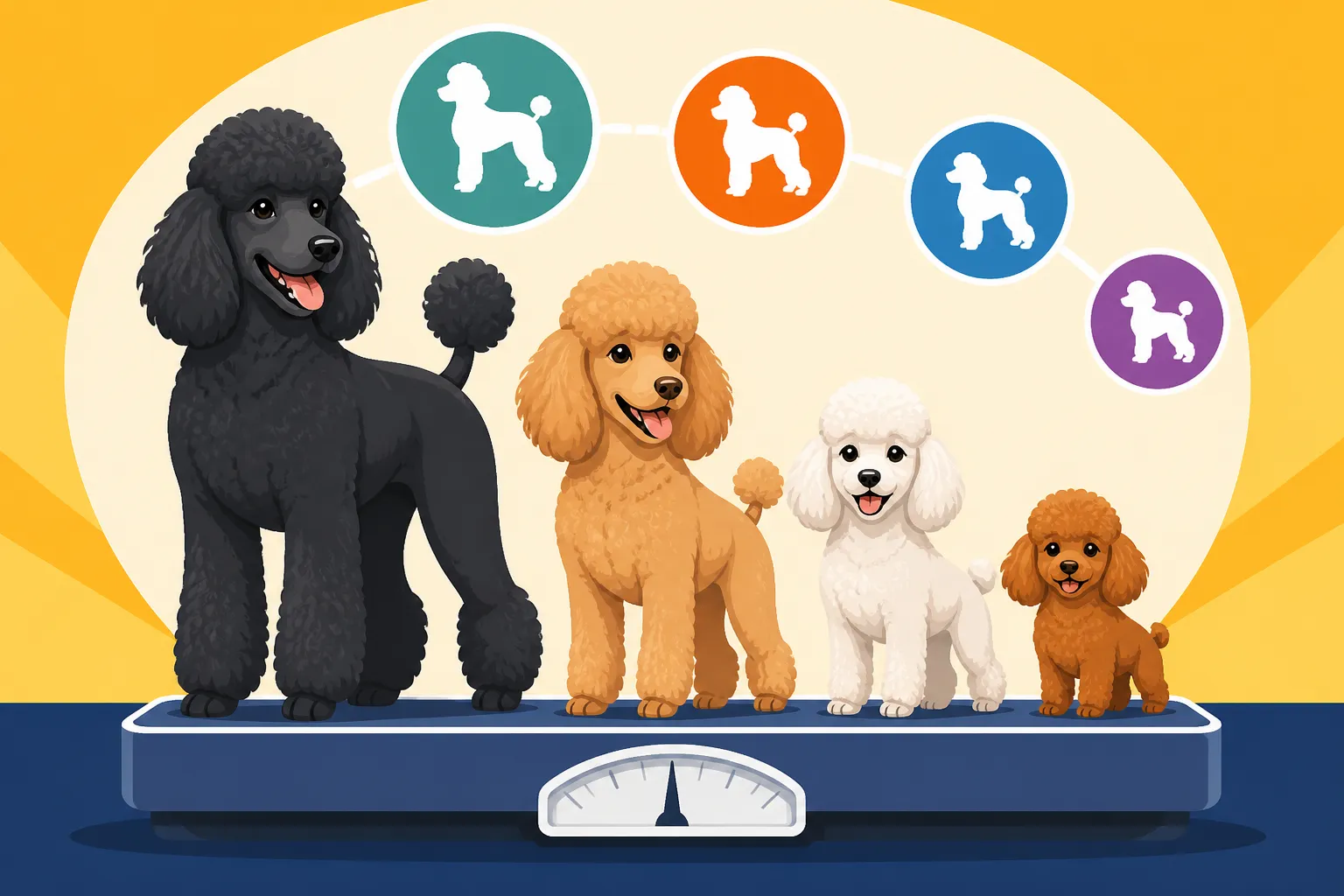
Poodles come in a magnificent range of sizes, each with its own charm and, crucially, its own set of breed standards regarding height and weight. What's perfectly healthy for a Standard Poodle would be dangerously obese for a Toy, and vice-versa. Understanding these distinctions is the first step in ensuring your Poodle is thriving.
Standard Poodle Weight Guidelines
The majestic Standard Poodle is the largest of the three varieties, carrying itself with an air of elegance and athleticism. According to breed standards, a Standard Poodle typically stands over 15 inches tall at the shoulder. Their weight, naturally, is significantly higher than their smaller cousins. A healthy adult Standard Poodle generally weighs between 40 to 70 pounds (approximately 18 to 32 kg).
Within this range, there's quite a bit of variability. Male Standard Poodles often trend towards the higher end of this scale, possessing a more substantial bone structure and muscle mass compared to females, who might be a bit daintier. However, individual build plays a huge role. Some Standards are simply more heavily built than others, even if they're within the correct height parameters. It's not just about the number on the scale; it's about how that weight is distributed and what their overall body condition looks like. A lean, athletic Standard Poodle might be at the lower end but still perfectly healthy, while a less active one at the same weight could be carrying too much fat. Maintaining an ideal weight for a Standard Poodle is paramount, as their larger size makes them more susceptible to conditions like joint issues if they are carrying excess weight. You might be surprised at the Poodle Lifespan Across the Three Sizes and how weight plays a role.
Miniature Poodle Weight Guidelines
Nestled comfortably between the grandeur of the Standard and the delicate charm of the Toy, the Miniature Poodle is a wonderful companion dog, known for its lively spirit and intelligence. By breed definition, Miniature Poodles stand between 10 and 15 inches tall at the shoulder. Their ideal weight range reflects this intermediate size. A healthy adult Miniature Poodle typically weighs between 10 to 15 pounds (approximately 4.5 to 7 kg).
Again, slight variations are normal. A Miniature Poodle closer to the 15-inch height mark might naturally weigh a bit more than one closer to 10 inches, simply due to increased bone and muscle mass. Gender can also play a small part, though it's often less pronounced than in Standard Poodles. What’s crucial for Miniatures is avoiding the extremes. Being even a pound or two over or under their ideal weight can have a more significant impact on their smaller frames and metabolism compared to a Standard. Owners often fall into the trap of overfeeding small dogs, thinking a tiny extra bite won't hurt, but for a Miniature, those extra calories really add up.
Toy Poodle Weight Guidelines
The smallest and often the most delicate of the Poodle family, the Toy Poodle is a captivating little dog, beloved for its portability and vibrant personality. Toy Poodles stand under 10 inches tall at the shoulder. Given their diminutive stature, their ideal weight range is correspondingly small. A healthy adult Toy Poodle generally weighs between 4 to 6 pounds (approximately 1.8 to 2.7 kg), though some might be a little less or slightly more, especially if they are at the upper end of the height limit.
For Toy Poodles, precision in weight management is non-negotiable. Even a half-pound deviation can represent a significant percentage of their total body weight, leading to health concerns. Being underweight can leave them vulnerable to cold, low energy, and even Blood Sugar Crashes in a Toy Poodle (though that link might cover puppies more specifically, the principle of delicate metabolism applies). On the other hand, being overweight puts immense strain on their tiny joints, heart, and respiratory system. Their small size means that accurate portion control for their meals is absolutely essential. Every treat and every kibble counts significantly for these little dynamos.
Here's a quick overview of the general weight guidelines by Poodle variety:
| Poodle Variety | Height at Shoulder | Ideal Adult Weight Range |
|---|---|---|
| Toy | Under 10 inches | 4 – 6 pounds (1.8 – 2.7 kg) |
| Miniature | 10 – 15 inches | 10 – 15 pounds (4.5 – 7 kg) |
| Standard | Over 15 inches | 40 – 70 pounds (18 – 32 kg) |
Please note: These are general guidelines. Always consult with your veterinarian for specific recommendations tailored to your individual Poodle.
Factors Influencing a Poodle's Ideal Weight
While breed standards provide a good starting point, many elements contribute to your individual Poodle's ideal weight. It's not a static number but rather a dynamic target influenced by their unique circumstances. Ignoring these factors can lead to unintended weight fluctuations and potential health issues.
Age and Life Stage
A Poodle's weight needs change dramatically throughout their life. A growing puppy, for instance, requires more calories and nutrients to fuel their rapid development compared to a mature adult. The Age a Poodle Changes to Adult Food is an important milestone to monitor.
- Puppies: Poodle puppies are bundles of energy, growing at an astonishing rate. They need nutrient-dense food to support bone and muscle development. While they might appear chubby at times, this is often healthy puppy fat. However, rapid, uncontrolled weight gain can stress developing joints, particularly in Standard Poodles. Your vet will monitor their growth curve to ensure they're on track without becoming overweight too soon.
- Adults: Once your Poodle reaches maturity (typically around 12-18 months for Toys and Miniatures, and up to 2 years for Standards), their growth plateaus, and their caloric needs stabilize. This is the prime time to establish a consistent feeding and exercise routine to maintain their ideal adult weight. Regular checks of their body condition are vital during this phase.
- Seniors: As Poodles age, their metabolism often slows down, and their activity levels may decrease. This makes them prone to weight gain, even if their diet hasn't changed. Conversely, some senior Poodles may lose weight due to underlying health conditions or decreased appetite. Adjusting their diet to a senior formula, which is often lower in calories but still nutrient-rich, is often necessary. Regular vet visits become even more critical to monitor Calorie Needs of a Senior Poodle and address any age-related health issues that could impact weight. Caring for an Aging Poodle also means being mindful of their changing dietary and exercise needs.
Activity Level and Metabolism
Just like people, not all Poodles are created equal when it comes to their energy levels and how their bodies process food. A Poodle's daily routine plays a huge part in their caloric requirements.
- High-Energy Poodles: Poodles, especially Standards and Miniatures, are naturally active and intelligent dogs. A Poodle engaged in dog sports like agility, obedience, or even regular long walks and runs will burn significantly more calories than a Poodle who spends most of its day napping. If your Poodle is a certified "go-getter," they'll need a diet that supports their high energy output without leading to weight loss. For example, Daily Exercise for a Standard Poodle is quite extensive.
- Lower-Energy Poodles: Some Poodles, either by temperament or due to age or health constraints, have a more sedentary lifestyle. A Toy Poodle who gets most of their exercise trotting around the house, or an older Standard Poodle with mild arthritis, will require fewer calories. Overfeeding these Poodles can quickly lead to excess weight. It's about finding the right balance. Even Daily Exercise for a Toy Poodle needs to be considered for its caloric burn.
- Metabolic Differences: Each dog has a unique metabolism. Some Poodles can eat seemingly more and remain lean, while others seem to gain weight easily even on a restricted diet. Health conditions, such as Thyroid Disease in Poodles, can also significantly impact metabolism, leading to unexpected weight gain or loss. If you notice sudden or unexplained weight changes, a vet visit is always in order to rule out underlying medical causes.
Body Condition Scoring (BCS) Beyond the Scale
Relying solely on the number on the scale can be misleading. A Poodle with a heavier bone structure might weigh more but still be lean, while a Poodle with a finer build could be overweight at a seemingly "average" weight. This is where Body Condition Scoring (BCS) comes in as an invaluable tool. It's a hands-on method to assess your Poodle's fat reserves and muscle mass.
A veterinarian will use a 1-5 or 1-9 point scale (5 or 4-5 being ideal, respectively) to assess:
- Ribs: You should be able to easily feel your Poodle's ribs without pressing hard, like feeling the back of your hand. If you can see individual ribs prominently, they might be underweight. If you have to press firmly to feel them, they are likely overweight. This is key for Feeling Ribs Through a Poodle's Coat.
- Waist: From above, your Poodle should have a noticeable "tuck" or hourglass shape behind their ribs. If they look like a straight line or bulge out, they are carrying too much weight.
- Abdominal Tuck: From the side, their abdomen should tuck up behind the rib cage, not hang low.
- Spine and Hips: You should be able to feel their spine and hip bones without them being sharply protruding.
Your vet can teach you how to do a proper BCS assessment at home. This method provides a more accurate picture of your Poodle's health than just stepping on the scale and can help you make better decisions about their diet and exercise.
The Risks of Underweight and Overweight Poodles
Maintaining an ideal weight isn't just about aesthetics; it's a cornerstone of your Poodle's overall health and well-being. Both being significantly underweight or overweight can lead to a host of serious health problems, shortening their lifespan and diminishing their quality of life.
Health Complications of Obesity
Sadly, obesity is a growing concern in companion animals, and Poodles are no exception. Excess weight puts undue strain on nearly every system in your Poodle's body, dramatically increasing their risk of developing chronic and debilitating conditions.
- Joint and Mobility Issues: This is one of the most immediate and visible consequences. Extra weight means extra stress on joints, cartilage, and ligaments. Standard Poodles, already prone to issues like Poodle Hip Dysplasia by Size, can see these conditions worsen dramatically with obesity. It can lead to or exacerbate arthritis, lameness, and a reduced ability to move freely and comfortably. Imagine carrying a heavy backpack all day, every day – that's what being overweight feels like for your dog.
- Diabetes Mellitus: Just like in humans, obesity is a significant risk factor for insulin resistance and the development of Type 2 diabetes in dogs. This condition requires lifelong management with diet, medication, and often daily insulin injections.
- Heart and Respiratory Disease: Carrying extra weight forces the heart to work harder to pump blood throughout the body. This can lead to increased blood pressure, heart disease, and a reduced capacity for exercise. Obese Poodles may also struggle with breathing, especially in warmer weather or during physical activity, as excess fat around the chest and abdomen restricts lung expansion.
- Increased Surgical and Anesthetic Risk: If an overweight Poodle needs surgery, whether for an emergency or a routine procedure, the risks associated with anesthesia are significantly higher. There's also a greater chance of complications during and after surgery, including slower wound healing.
- Reduced Lifespan and Quality of Life: Simply put, Poodle Obesity and Its Consequences can shorten your Poodle's life. Beyond the specific diseases, obese dogs often have less energy, are less playful, and simply enjoy life less due to their discomfort and restricted movement.
Dangers of Being Underweight
While obesity often gets more attention, being underweight can be just as dangerous for your Poodle, signaling underlying issues or leading to its own set of health challenges.
- Nutritional Deficiencies: A Poodle that is underweight is likely not receiving adequate calories, protein, vitamins, or minerals. This can lead to a weakened immune system, poor coat condition, brittle nails, and overall lethargy. Growing puppies need these nutrients most, and insufficient intake can permanently stunt their growth and development.
- Weakened Immune System: Without proper nutrition, your Poodle's immune system struggles to function optimally. This makes them more susceptible to infections, illnesses, and slower recovery times if they do get sick.
- Lack of Energy and Stamina: An underweight Poodle simply doesn't have the energy reserves needed for normal activity, play, or even maintaining body temperature. They may appear listless, tire easily, and have a diminished zest for life. This is particularly concerning for Toy Poodles, who can be prone to Hypoglycemia in a Toy Poodle Puppy if not properly fed.
- Difficulty Maintaining Body Temperature: Fat provides insulation. Without adequate body fat, Poodles, especially the smaller varieties like Toys and Miniatures, can struggle to stay warm, particularly in colder climates or during winter months. They may shiver excessively or seek out warm spots constantly.
- Underlying Health Conditions: Unexplained weight loss is often a red flag for underlying medical issues such as parasites, gastrointestinal diseases, dental problems, kidney disease, cancer, or even Addison's disease (especially in Standard Poodles). If your Poodle is losing weight without a change in diet or activity, a prompt vet visit is crucial.
How to Maintain Your Poodle's Healthy Weight
Achieving and maintaining your Poodle's ideal weight is a continuous effort that combines mindful nutrition, appropriate exercise, and regular veterinary oversight. It's a holistic approach that ensures your Poodle lives its fullest, healthiest life.
Balanced Nutrition and Portion Control
The foundation of a healthy weight lies squarely in what and how much your Poodle eats. This is where you, as their dedicated owner, have the most direct control.
- Choosing the Right Food: Select a high-quality dog food formulated for your Poodle's size, age, and activity level. Look for foods with real meat as the first ingredient and avoid excessive fillers. For Standard Poodles, sometimes a large breed formula is appropriate, especially during puppyhood, to support slow and steady growth. For Toy Poodles, smaller kibble sizes are often easier for them to chew and digest. Brands available on platforms like Chewy or Amazon offer a wide variety of options, from traditional kibble to fresh food delivery services like Ollie, which can be fantastic for precise nutrition. Remember to read labels carefully and choose food that aligns with veterinary recommendations.
- Accurate Portioning: This is probably the single biggest challenge for many owners. The feeding guidelines on dog food bags are just a starting point; they are usually calibrated for average activity levels. Your Poodle might need more or less. Use a measuring cup for accuracy, rather than just eyeballing it. Feeding a Poodle by Size is critical, as a few extra kibbles for a Toy Poodle is a far greater caloric surplus than for a Standard. If you’re giving treats, remember to factor those calories into their daily intake. Consider Portion Control for a Poodle as a daily practice.
- Avoid Free-Feeding: While convenient, leaving food out all day allows Poodles to graze and often leads to overconsumption. Instead, feed your Poodle specific, measured meals two or three times a day. If they don't finish their food within 15-20 minutes, pick it up until the next mealtime.
- Smart Treat Choices: Treats are wonderful for training and bonding, but they can be a hidden source of excess calories. Opt for small, low-calorie treats, or even use pieces of their regular kibble for training. Plain cooked vegetables like carrots or green beans can also be excellent, healthy, low-calorie options. Look for Low Calorie Treats for a Poodle to avoid piling on the pounds.
Regular Exercise Tailored to Size
Exercise burns calories, builds muscle, and keeps your Poodle mentally stimulated. However, the type and intensity of exercise need to be appropriate for your Poodle's size and age.
- Standard Poodles: These are active dogs that thrive on regular, vigorous exercise. Daily long walks, runs, hikes, and swimming are excellent. They also enjoy mentally engaging activities like fetch, agility, or even retrieving in water, harking back to their water dog heritage. Aim for at least 60-90 minutes of moderate to vigorous activity per day, split into multiple sessions. Daily Exercise for a Standard Poodle requires commitment.
- Miniature Poodles: Miniatures are also energetic and playful, needing consistent daily exercise to stay fit and happy. Brisk walks, games of fetch in the yard, and interactive playtime indoors are usually sufficient. They can also excel in dog sports. Aim for at least 30-60 minutes of activity daily.
- Toy Poodles: Despite their small size, Toy Poodles are not couch potatoes. They need daily exercise, but it will be different from a Standard. Short, brisk walks around the block, indoor games of fetch, or engaging with puzzle toys are ideal. Protect their delicate joints; avoid intense jumping or rough play with larger dogs. Aim for 20-30 minutes of daily activity, broken into shorter bursts. Daily Exercise for a Toy Poodle helps keep them healthy and happy.
- Mental Stimulation: Don't forget that Poodles are highly intelligent. Mental exercise, such as puzzle toys, training sessions, or scent games, can burn significant energy and contribute to overall well-being, complementing physical activity. A tired Poodle is often a happy Poodle.
Regular Vet Check-ups and Monitoring
Your veterinarian is your most valuable partner in maintaining your Poodle's healthy weight. They can provide personalized advice and catch potential problems early.
- Annual Wellness Exams: At least once a year, your Poodle should have a comprehensive physical exam. During this visit, your vet will weigh your Poodle, perform a Body Condition Score, and discuss their diet and exercise routine. They can identify subtle weight changes that you might miss and offer adjustments. These exams are also crucial for overall health monitoring, aligning with a Poodle Vaccination and Preventive Schedule.
- Monitoring Growth in Puppies: For Poodle puppies, your vet will monitor their growth curve to ensure they are developing at a healthy rate, not too fast or too slow. This helps prevent future orthopedic issues in larger Poodles and ensures adequate nutrition for smaller ones.
- Addressing Weight Fluctuations: If your Poodle is gaining weight unexpectedly despite a consistent diet and exercise, or losing weight without explanation, your vet can investigate. They may recommend blood tests to check for underlying medical conditions like hypothyroidism or diabetes. Early diagnosis and treatment are key to managing these conditions effectively.
- Nutritional Consultations: If you're struggling to manage your Poodle's weight, don't hesitate to ask your vet for a nutritional consultation. They can help you select the best food, calculate precise caloric needs, and create a tailored feeding and exercise plan. They can also advise on specific supplements if needed for conditions such as joint health.
- Dental Health: Don't overlook the impact of dental health on weight. Painful teeth or gum disease can make eating difficult, leading to weight loss. Regular dental checks and cleanings are an important part of overall health, especially for Toy Poodles who can be prone to early dental issues.
By diligently managing these aspects of your Poodle's care, you'll be well on your way to ensuring they maintain their ideal weight, leading to a longer, happier, and healthier life by your side.
Disclaimer
This article is for general informational purposes only and does not constitute professional advice. Laws, prices and regulations vary by location and change over time. Consult a qualified professional for guidance on your specific situation.