Desensitizing a Poodle to Clippers
It’s a common scenario that many Poodle owners face: the moment you pull out the clippers, your beloved Poodle disappears under the bed, cowers, or even snaps. This guide is here to walk you through a gentle, patient approach to desensitizing your Poodle to clippers, turning what can be a stressful ordeal into a calm, even pleasant, part of their routine.
Understanding Why Your Poodle Fears Clippers
First things first, it’s important to understand that your Poodle isn’t being "naughty" or "stubborn" when they react negatively to clippers. Their fear often stems from very real and understandable reasons. Poodles are incredibly intelligent and sensitive dogs, and they pick up on subtle cues and can develop strong associations, both good and bad.
The Startle Reflex and Sensory Overload
Imagine a buzzing, vibrating object coming at you, especially one that emits a high-pitched whine. For a Poodle, with their keen hearing and sensitive skin, this can be incredibly overwhelming. The clippers aren’t just a strange visual; they are a cacophony of unfamiliar sounds and sensations that can trigger a primal startle reflex.
Puppies, in particular, haven't yet learned what these strange machines are, and a sudden, loud noise close to their ears or vibrating against their skin can be genuinely frightening. If their first experiences involve an unexpected jolt, loud sound, or even a tug on their delicate hair, it’s entirely rational for them to develop an aversion. Their nervous system is simply reacting to what it perceives as a threat, much like a human might flinch at an unexpected loud bang.
Past Negative Grooming Experiences
Sometimes, the fear isn't just about the clippers themselves, but what they represent: a past negative experience. This could be a painful nick, a blade that pulled at their coat, or even just a groomer who was overly forceful in trying to get the job done quickly. Poodles are known for their Poodle Temperament and Sensitivity, and a single bad experience can leave a lasting impression.
Think about it from your Poodle's perspective. If every time those clippers come out, it leads to discomfort or fear, they quickly learn to associate the sight and sound of them with something unpleasant. This can be particularly frustrating for owners who have tried their best, perhaps inadvertently causing discomfort. Undoing these negative associations takes time, patience, and a consistent commitment to making future experiences positive and stress-free. It’s not about correcting bad behavior; it’s about healing a negative memory.
The Core Principles of Desensitization Training
Successfully desensitizing your Poodle to clippers isn't about finding a magic trick; it's about adhering to fundamental training principles that build trust and positive associations. This isn't just for grooming; it's a valuable approach for many aspects of a Poodle's life.
Positive Reinforcement is Key
When it comes to training a Poodle, especially one with a fear, positive reinforcement is your most powerful tool. This means rewarding desired behaviors with something your Poodle absolutely loves – whether it's high-value treats, enthusiastic praise, a favorite toy, or a quick game. The goal is to make every interaction with the clippers a positive one, so your Poodle starts associating them with good things happening.
Forcing a Poodle into a situation they fear, or using punishment, will only escalate their anxiety and break down the trust between you. Why Harsh Handling Breaks a Poodle is something we absolutely want to avoid. Instead, focus on creating an environment where they choose to engage with the clippers, because they know it leads to rewards. Start small, celebrate every tiny success, and be generous with your praise. This method taps into their intelligence and willingness to please, turning a stressful event into a game where they always win.
Going Slow and Reading Your Poodle's Cues
Patience is not just a virtue in desensitization training; it’s a requirement. The key is to break down the process into incredibly tiny, manageable steps and only move forward when your Poodle is completely comfortable with the current step. Rushing will only lead to setbacks and intensify their fear.
Learning to Reading a Poodle's Body Language is critical. Watch for subtle signs of discomfort: lip licking, yawning, turning their head away, stiffening their body, tail tucked, or even a slight tremor. These are all indicators that your Poodle is feeling stressed. If you see these signs, you’ve gone too far, too fast. Take a step back to an easier stage where they were comfortable, end the session on a positive note, and try again later with even smaller increments. Remember, this isn't a race. The pace is entirely dictated by your Poodle's comfort level, not by your schedule or desire for a perfectly groomed dog.
Step-by-Step Desensitization Protocol
This protocol is designed to be gradual, building your Poodle's confidence and positive associations with the clippers one tiny step at a time. Consistency and patience are your best friends here.
Introducing the Clippers as a Neutral Object
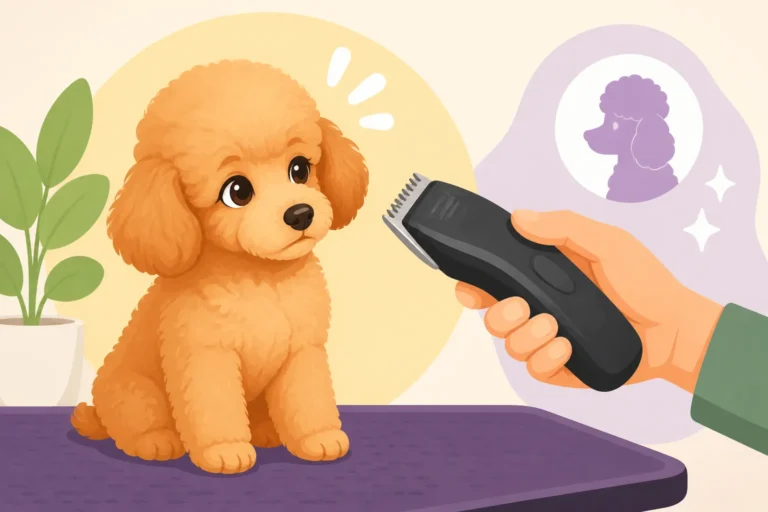
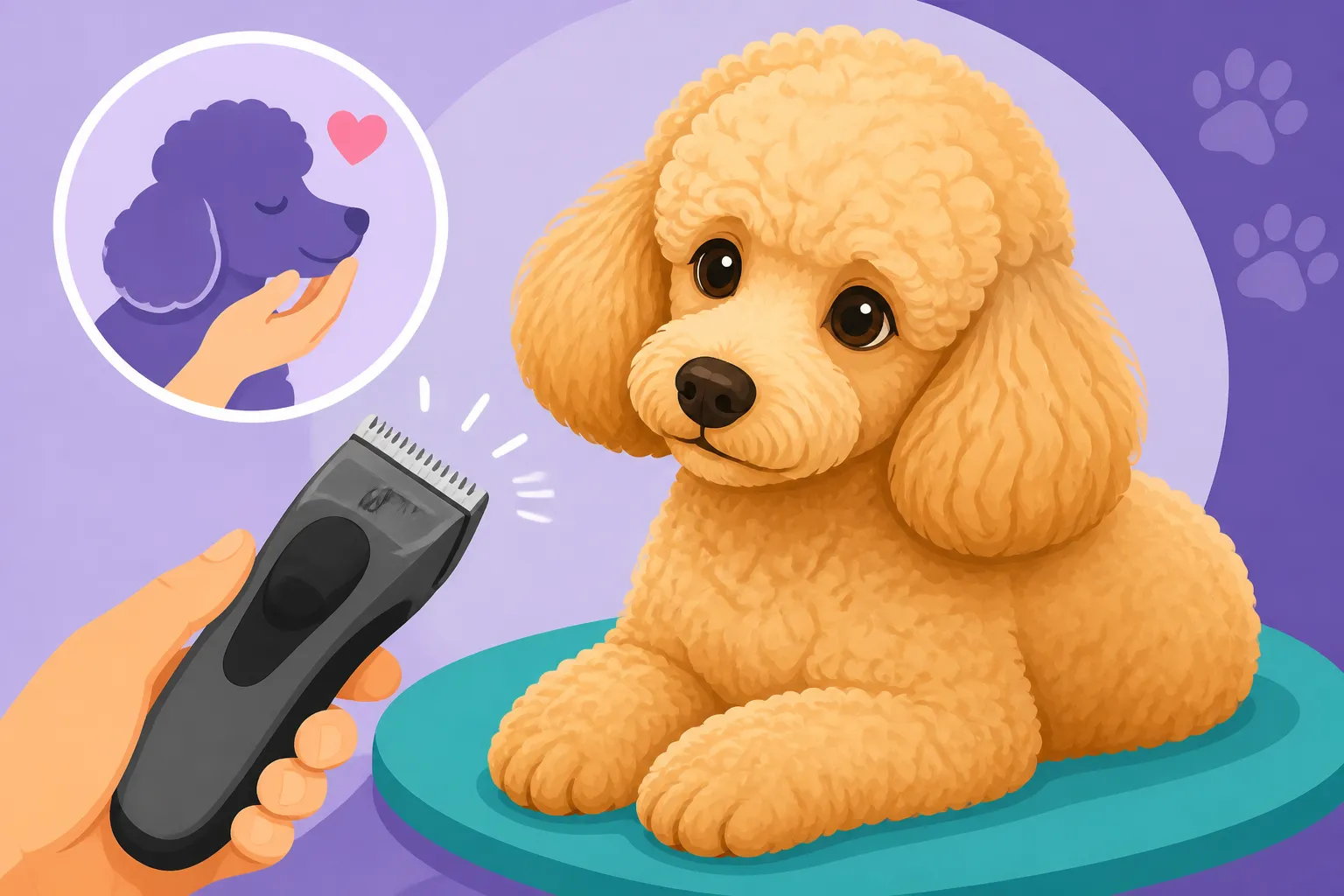
The very first step is to introduce the clippers without any pressure or expectation. Don't even turn them on yet. Simply bring the clippers into the room where your Poodle is relaxed, perhaps during a cuddle session or a quiet moment. Place them on the floor a few feet away, or hold them in your hand. The goal is for your Poodle to see the clippers and associate them with something good, not scary.
As soon as your Poodle notices the clippers, even with just a glance, offer a high-value treat and calm praise. Don't force them to approach or touch the clippers. If they choose to sniff them, that's a huge bonus, and they should be rewarded immediately. Keep these sessions very short—just a minute or two—and always end on a positive note, before any signs of stress appear. You're slowly building a new, positive memory around this once-feared object. You can find many quiet, beginner-friendly clippers on Amazon that can help with this initial stage.
The Sound Barrier: Vibrations and Noise
Once your Poodle is completely comfortable with the sight of the clippers, it's time to tackle the sound and vibration. This is often the biggest hurdle. Start by turning the clippers on in another room, far enough away that your Poodle can barely hear them. As soon as you turn them on, immediately offer treats and praise. Turn them off, stop the treats. This creates an immediate link: clippers on = yummy treats.
Gradually, over many sessions, you can decrease the distance between your Poodle and the running clippers. Always ensure the clippers are on, then present the treat, and if possible, turn them off before the treat is fully consumed. This helps solidify the positive association. If at any point your Poodle shows signs of anxiety, you’ve moved too quickly. Retreat to a distance where they were calm and comfortable, and work from there. The goal is for them to hear the hum and think, "Oh, goodie, treats!"
Gentle Touch and Gradual Application
After your Poodle is completely relaxed with the sound of the clippers nearby, you can begin introducing the sensation of the clippers touching their body. Again, start with the clippers off. Gently touch the back of the clippers (the cool, non-cutting part) to a less sensitive area of their body, like their shoulder or back. Reward immediately with a treat and praise. Remove the clippers. Repeat.
Once they accept the off clippers touching them, you can try with the clippers on, but far away from their face or sensitive areas. Start with a quick, gentle touch to their back or hip, and immediately give a treat. The contact should be fleeting, just a fraction of a second at first. Slowly increase the duration and move to slightly more sensitive areas like their legs, then their paws, and eventually, their face and ears. Remember, the face and feet are often the most sensitive for Poodles, as they are shaved frequently. Think about it: Getting a Poodle Puppy Used to Being Handled from an early age helps, but even adult Poodles can learn. Consider using a vibrator or an electric toothbrush as a "dummy" clipper first, as it mimics the sensation without the noise or cutting edge of a real clipper. This can be a great intermediate step to build confidence before introducing the actual grooming tool.
Building Duration and Consistency
As your Poodle becomes more accepting, you can start to gradually increase the duration of the clipping sessions. Instead of just a quick touch, try for a second, then two, then three, always rewarding generously. The key is to keep the sessions short and frequent, rather than long and overwhelming. Five minutes of positive, consistent training every day is far more effective than one hour-long, stressful session once a week.
Integrate these small training moments into your daily routine. Maybe while you're watching TV, you can practice a few touches with the clippers. Consistency helps solidify the new, positive associations and builds their confidence over time. It teaches them that the clippers are a normal, non-threatening part of their life. This sustained effort reinforces the idea that grooming is a positive, rewarding experience, not something to dread.
Essential Tools and Management Strategies
Having the right equipment and employing smart management strategies can make a world of difference in your desensitization journey. Investing in a few key items can significantly ease the process for both you and your Poodle.
Choosing the Right Clippers and Grooming Table
The clippers themselves can be a major factor in your Poodle's reaction. Opt for professional-grade clippers known for their quiet operation and low vibration. While some budget clippers might seem appealing, their louder motors and higher vibration can exacerbate a fearful Poodle's anxiety. Look for models designed for quiet grooming. Many reputable brands offer cordless options, which can be less intimidating as there's no cord to get in the way or create additional noise.
A sturdy, non-slip grooming table is also invaluable. It elevates your Poodle to a comfortable working height for you, and more importantly, it provides a stable, secure surface that limits their ability to run away. Many Poodles feel more secure when elevated, as it signals a "work" or "still" time. Ensure the table surface is non-slip to prevent falls and further anxiety. You can find excellent options for Grooming Tables Worth Buying for a Poodle and a variety of quiet clippers suitable for Poodles on Amazon.
High-Value Rewards and Calming Aids
When desensitizing a fearful dog, your rewards need to be exceptional. Forget the everyday kibble. Think high-value treats that your Poodle absolutely adores—small pieces of cooked chicken, cheese, or specialized training treats. The idea is to make the reward so compelling that it outweighs their anxiety about the clippers. A lick mat smeared with peanut butter (xylitol-free!), plain yogurt, or pureed pumpkin can also be a fantastic distraction and calming tool. While they're focused on licking, you can introduce brief clipper touches.
Beyond treats, consider other calming aids if your Poodle's anxiety is severe. These might include calming pheromone diffusers or sprays, or a ThunderShirt, which applies gentle, constant pressure similar to swaddling a baby. While these aren't training solutions on their own, they can help reduce overall anxiety levels, making your Poodle more receptive to the desensitization process.
Professional Help and Resources
Sometimes, despite your best efforts, a Poodle's fear can be too deeply ingrained or intense for you to handle alone. This is absolutely nothing to be ashamed of! Seeking professional help is a sign of a responsible and caring owner. Look for a professional groomer who specializes in fearful or anxious dogs and uses force-free, positive reinforcement methods. They often have specific techniques and a calm demeanor that can make a huge difference.
Additionally, a certified professional dog trainer or behaviorist can provide invaluable guidance. They can assess your Poodle's specific fears, identify triggers you might be missing, and help you develop a customized desensitization plan. Online resources can also be helpful. Training platforms like BAXTER & Bella offer comprehensive online puppy and dog training programs, which often include modules on grooming desensitization, providing structured guidance and support for owners. Don't hesitate to reach out for expert assistance if you feel stuck or overwhelmed; it's about setting both you and your Poodle up for success. Finding a Trainer a Poodle Will Not Shut Down For is crucial for such sensitive dogs.
Common Pitfalls and Troubleshooting
Even with the best intentions, desensitization can hit roadblocks. Understanding common mistakes and how to troubleshoot them will help you navigate the process more effectively.
Rushing the Process and Forcing Compliance
This is, by far, the most common pitfall. It's so easy to get impatient when you want to get grooming over with, or you feel like your Poodle "should" be past a certain stage. But pushing your Poodle beyond their comfort zone, even slightly, can undo weeks or months of progress. Forcing them to endure the clippers while they are showing signs of stress will only deepen their fear and teach them that you can't be trusted to protect them from scary things.
If you find yourself getting frustrated or your Poodle is consistently reacting negatively, stop. Take a break. Evaluate if you moved too quickly in the previous step. It's always better to take two steps back and reinforce comfort than to push forward and create a bigger problem. Remember that a Poodle's long coat How Long Brushing a Standard Poodle Takes means you'll have ample opportunity to practice. Each session should be brief and end before they show significant distress. The goal isn't just to get the clipping done, but to change their emotional response to it.
Inconsistent Training and Environmental Factors
Desensitization requires consistency. Sporadic training sessions, or trying to cram too much into one long session, will yield minimal results. Your Poodle needs consistent, positive, and predictable experiences to truly change their association with the clippers. Try to incorporate short, 1-2 minute training bursts into your daily routine.
The environment also plays a huge role. Try to conduct your desensitization sessions in a quiet, calm space free from distractions. A bustling household with kids running around or other pets trying to get involved can heighten your Poodle's anxiety. Pay attention to your own emotional state too; Poodles are incredibly attuned to their owners' feelings. If you're stressed or anxious, your Poodle will pick up on that, which will only add to their apprehension. Take a deep breath, remain calm and positive, and create a zen-like atmosphere for these training moments.
When to Involve Your Veterinarian
If your Poodle exhibits extreme fear, aggression, or an inability to relax even with the slowest desensitization methods, it might be time to involve your veterinarian. Sometimes, an underlying medical condition, such as chronic pain or a neurological issue, can make a dog more sensitive or reactive to touch and sound. Your vet can rule out any physical causes that might be contributing to their fear.
In some cases, especially for Poodles with severe, debilitating fear where welfare is a concern, your vet might discuss anti-anxiety medications or sedatives to help them cope with grooming appointments. This should generally be considered a last resort, as medication doesn't solve the underlying fear but rather manages the symptoms. However, for some dogs, it can provide a necessary bridge to allow the desensitization process to begin more effectively, or simply to ensure they can receive essential grooming without extreme distress. Always discuss the risks and benefits thoroughly with your veterinarian.
Disclaimer
This article is for general informational purposes only and does not constitute professional advice. Laws, prices and regulations vary by location and change over time. Consult a qualified professional for guidance on your specific situation.