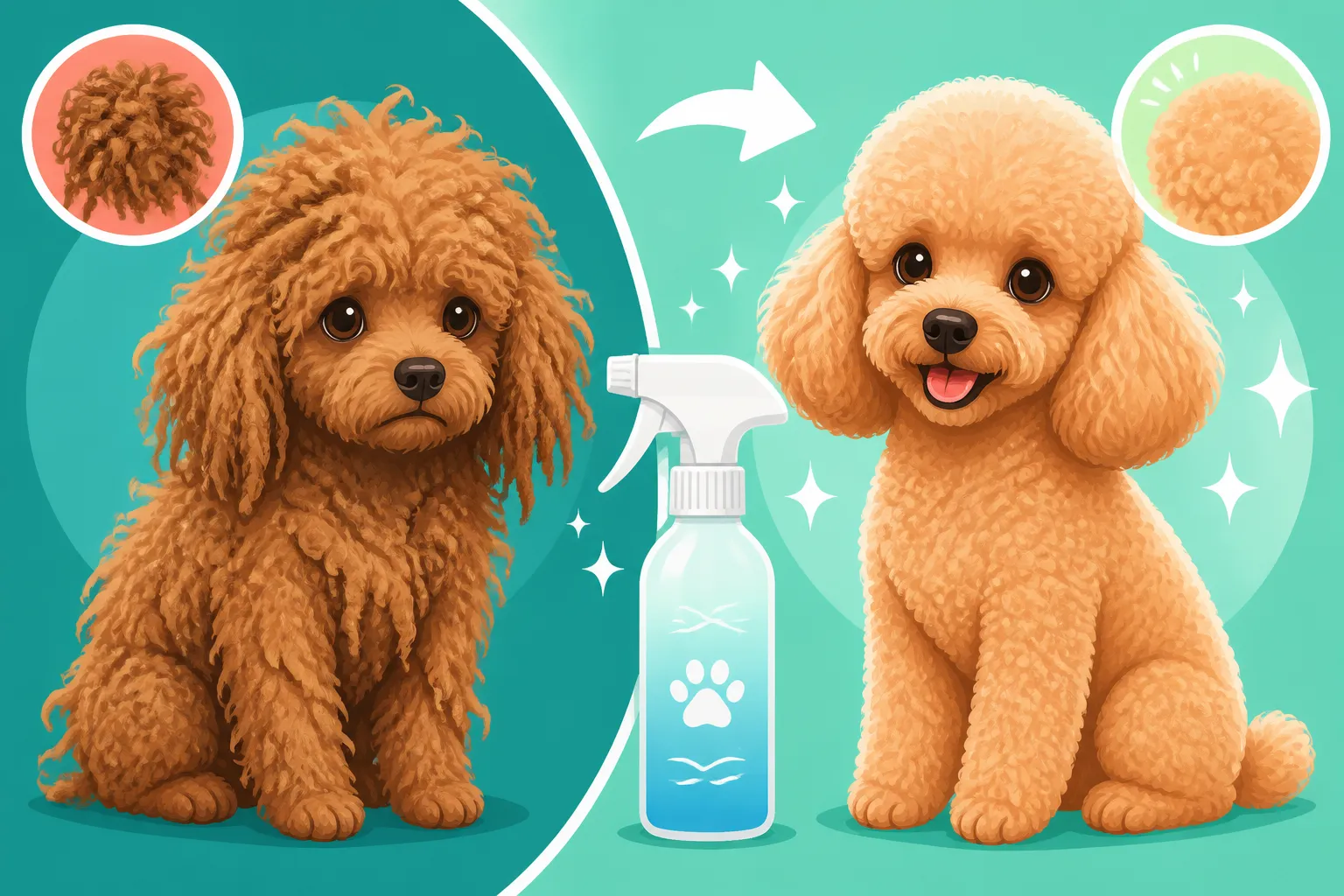
Detangling Spray for a Matted Poodle
Oh, the dreaded Poodle mat! It’s a familiar scenario for so many of us Poodle parents: you’re running your fingers through that gorgeous, bouncy coat, feeling for any little tangles, and then BAM – your fingers snag on a solid, unyielding lump. It's not just a knot; it's a mat, and it can feel like your heart sinks into your stomach. Mats are not only unsightly, but they can be incredibly painful for your Poodle, pulling at their skin and creating a breeding ground for skin infections. This guide is going to walk you through how detangling spray can be your secret weapon against these furry foes, helping you tackle existing mats and even prevent new ones from forming, all while keeping your beloved Poodle comfortable and happy.
Understanding Poodle Mats and Why They Form
Before we even think about reaching for a detangling spray, it’s crucial to understand what we’re up against. Poodle coats are truly unique, and that uniqueness is both their greatest charm and their biggest grooming challenge. Knowing why mats form helps us address the problem at its root, not just the symptom.
The Unique Poodle Coat: Hair, Not Fur
Unlike many other breeds that have fur, Poodles have hair. This isn't just a fancy way of saying it's soft; it's a fundamental difference in how their coat behaves. Fur typically has a growth cycle that involves shedding, where dead hairs are released from the follicle to make way for new growth. Poodle hair, however, grows continuously, much like human hair. This means it doesn't shed in the traditional sense, which is fantastic for allergy sufferers, but it comes with a trade-off.
Because the dead hair doesn't fall out, it gets trapped within the existing coat. Imagine brushing your own hair, but never actually removing the strands that come out on the brush – they'd just stay tangled in your head! That's what happens to a Poodle. These trapped hairs, combined with the natural oils and any dirt or debris, quickly twist and intertwine into tight, dense clumps. This continuous growth also means that without regular, thorough brushing, these trapped hairs quickly form solid felted areas, clinging tightly to the skin. This unique hair structure is the primary reason Why a Poodle Coat Mats Instead of Shedding.
Common Culprits Behind Matting
Mats don't just appear out of nowhere; they're usually the result of a combination of factors. Understanding these can help you be more proactive in your grooming routine.
- Lack of Consistent Brushing: This is hands down the number one culprit. A Poodle needs daily brushing, or at the very least, every other day, to prevent mats. Even a few days without a proper brush-out can lead to significant tangles, especially in puppies going through their "coat change" or Poodles with longer clips.
- Moisture and Dampness: Water is a mat's best friend. Whether it's from a bath, a swim, rain, or even just humidity, wet hair tangles more easily. If a Poodle's coat isn't thoroughly brushed before getting wet and then carefully dried and brushed after getting wet, mats will form incredibly quickly and tighten as the hair dries. This is why Bathing and Drying a Poodle is such a critical skill.
- Friction: Any area where the coat rubs can become a matting hot spot. Think behind the ears, under the collar or harness, in the armpits, and around the groin. Even the way your Poodle sleeps or plays can contribute to friction-induced mats.
- Coat Change: Around 9-18 months of age, Poodle puppies go through a significant "coat change" where their soft puppy fluff transitions to a denser, coarser adult coat. This period is notorious for matting, as the old and new hairs intertwine. Many new Poodle owners are caught off guard by the intensity of matting during this time.
- Debris and Dirt: Burrs, sticky seeds, mud, even bits of dried food can get caught in the curly coat and quickly act as a nucleus for a mat to form.
- Poor Nutrition or Skin Health: While less common than brushing issues, a dull, dry, or unhealthy coat can be more prone to tangling. Good nutrition, providing essential fatty acids, supports a healthy skin barrier and a more resilient coat. This isn't to say a special diet will magically prevent mats, but it contributes to overall coat health.
The Difference Between a Knot and a Mat
It’s easy to use these terms interchangeably, but there’s a real difference when it comes to grooming. A knot is a small tangle of hair, perhaps a few strands twisted together. You can usually work these out with your fingers, a comb, or a quick spritz of detangling spray. They're often singular and relatively loose.
A mat, on the other hand, is a dense, felted mass of hair where multiple knots have merged, often pulling tightly against the skin. Mats can range from small, coin-sized clumps to large, solid sheets of felt that cover significant portions of the body. They don't just sit on the surface; they compress the underlying hair and skin, creating tension and discomfort. Trying to pull a comb through a mat will often result in tearing hair, hurting your Poodle, and achieving very little. This distinction is important because while a detangling spray can help with both, the approach to a mat needs to be far more methodical and patient. For these reasons, learning Finding Poodle Mats Before the Groomer Does is a skill every Poodle parent needs.
The Role of Detangling Spray in Poodle Grooming
So, you've identified a mat. Now what? This is where detangling spray steps in as your invaluable grooming aid. It's not a magic bullet that will instantly dissolve a felted coat, but it can make the difference between a successful, pain-free detangling session and a frustrating, traumatic one for your Poodle.
How Detangling Sprays Work
Detangling sprays are formulated with ingredients that work to lubricate the hair strands, making them slippery and less prone to sticking to each other. Think of it like a conditioner that you don't rinse out, specifically designed to ease tangles.
Most detangling sprays contain:
- Silicone-based compounds: These form a smooth, protective layer over each hair shaft, reducing friction and allowing strands to slide past each other more easily. This makes it possible to gently separate matted hairs.
- Conditioning agents: Ingredients like panthenol, various oils (like argan, coconut, or jojoba), or hydrolyzed proteins help to hydrate and soften the coat, improving elasticity and making it less likely to break during the detangling process.
- Antistatic properties: These reduce static electricity, which can make hair flyaway and prone to re-tangling.
When applied to a mat, the spray penetrates the tangled mass, coating each hair. This lubrication is what allows you to begin carefully separating the individual strands without excessive pulling or damaging the coat. It also helps to repel some dirt and can leave the coat with a pleasant scent and a healthy shine once the detangling is done.
When to Use Detangling Spray
Detangling spray isn't just for emergency mat removal; it can be integrated into your regular grooming routine in several ways.
- Pre-Brushing Routine: This is where detangling spray truly shines for prevention. Before you begin your daily or every-other-day line brushing, a light mist of detangling spray over the coat, especially in areas prone to matting like armpits, behind ears, and legs, can make a huge difference. It lubricates the hair, making it easier for your brush and comb to glide through and preventing small tangles from becoming big problems. This is especially helpful if your Poodle has a longer coat or is going through the dreaded coat change.
- Targeting Existing Knots and Small Mats: If you find a small knot or a nascent mat, saturate just that area with detangling spray. Let it sit for a minute or two to really penetrate, then carefully start to work it out with your fingers or the tip of a comb. This localized application is far more effective than trying to pull a dry comb through a tangle.
- Post-Bath or Post-Swim: As mentioned, wet hair mats easily. After a bath or a dip in the lake, blot your Poodle dry with a towel, then apply detangling spray liberally before you start blow-drying and brushing. This helps keep the coat separated as it dries and prevents those nasty heat-induced mats that can form if you're not careful with the dryer. Remember, always brush before wetting a Poodle, and then thoroughly brush while drying.
- Before Outdoor Adventures: If your Poodle loves to romp in fields or explore wooded areas, a light mist of detangling spray can act as a barrier, making it harder for burrs, stickers, and debris to cling tightly to the hair. It can also make it easier to brush out any hitchhikers they pick up along the way.
Choosing the Right Detangling Spray
With so many products on the market, how do you pick the best one for your Poodle? It comes down to a few key considerations.
- Ingredients: Look for sprays with conditioning agents like aloe vera, argan oil, jojoba oil, or silk proteins. Avoid sprays with high alcohol content, as these can dry out the coat and skin. Hypoallergenic or sensitive skin formulas are great if your Poodle has known allergies or skin sensitivities. Some Poodle owners find that products from brands available on platforms like Chewy or Amazon offer a good balance of quality and accessibility, often with user reviews to help guide your choice.
- Scent: Poodles have a much stronger sense of smell than we do. Opt for lightly scented or unscented sprays. What smells lovely to you might be overpowering for your dog.
- Ease of Application: A fine mist sprayer is usually best, allowing for even distribution without oversaturating the coat. Some sprays come in a pump bottle, which can be useful for spot-treating.
- Leave-in Formula: Ensure it's a leave-in formula designed to be kept in the coat, as opposed to a rinse-out conditioner.
- Specific Poodle Needs: Some sprays are formulated specifically for curly or double coats, which can be beneficial. If your Poodle has very fine hair, you might need a lighter spray that doesn't weigh down the coat.
| Feature | Standard Detangling Spray | Conditioning Spray/Leave-in Conditioner | Water/Hypoallergenic Spray |
|---|---|---|---|
| Primary Function | Lubricate hair to separate tangles | Hydrate, soften, and reduce static | Light lubrication, often for sensitive skin |
| Key Ingredients | Silicones, light oils, conditioning agents | Oils, proteins, humectants, often fewer silicones | Aloe vera, colloidal oatmeal, minimal scent |
| When to Use | Active mat removal, pre-brushing, post-bath | Daily conditioning, static reduction, coat health | Sensitive skin, daily light mist, puppies |
| Benefits | Eases mats, prevents new tangles, reduces breakage | Improves coat health, shine, elasticity, softness | Non-irritating, gentle, good for frequent use |
| Considerations | Can feel 'slippery', may need rinsing if overused | Can weigh down fine coats if too heavy | Less powerful for severe mats |
Step-by-Step Guide to Detangling a Matted Poodle with Spray
Alright, you've got your detangling spray and your determined spirit. Now let's tackle those mats methodically and, most importantly, gently. Remember, your Poodle's comfort and trust are paramount. A painful grooming session can make them resistant to future attempts.
Preparation: Tools and Environment
Before you even touch your Poodle, gather everything you'll need and set up a calm space.
- The Right Tools:
- Detangling Spray: Your chosen hero product.
- Slicker Brush: A good quality slicker brush with flexible pins is essential for getting deep into the coat without scratching the skin. You'll want one sized appropriately for your Poodle – a larger one for a Standard, a smaller one for a Toy.
- Steel Greyhound Comb: This is non-negotiable. It has two sides: wide-toothed for initial passes and fine-toothed for checking for missed tangles. It’s what truly checks your work. Whether a Poodle Owner Needs a Greyhound Comb is a resounding yes!
- Mat Breaker/Splitter (Optional): For very dense mats, a mat breaker can carefully slice through the mat, making it easier to comb out. Use this with extreme caution and never against the skin.
- Scissors (Blunt-tipped, Optional): Only for carefully snipping into a mat, not for cutting it out, which can be dangerous and leave holes. Again, extreme caution is needed.
- Grooming Table with Arm (Optional but Recommended): This raises your Poodle to a comfortable working height and the arm keeps them safely in place, reducing fidgeting.
- Treats: Lots of them! Positive reinforcement makes the experience better for everyone.
- A Calm Environment: Choose a quiet spot where you won't be interrupted. Put on some calming music, ensure good lighting, and make sure your Poodle has recently relieved themselves. A stressed Poodle will be an uncooperative Poodle.
- Patience and Time: Don't rush. Detangling a mat can take time, especially if it's large or tight. Allocate enough time so you don't feel pressured to finish quickly.
Application Technique for Mats
Proper application of the detangling spray is crucial for its effectiveness.
- Isolate the Mat: Gently part the surrounding hair to expose the mat fully. You want to work on one mat at a time. If the mat is on a sensitive area like an ear or armpit, be extra careful.
- Saturate, Don't Drown: Hold the spray bottle close to the mat (about 4-6 inches away) and saturate the mat thoroughly. You want the spray to penetrate deep into the mat, down to the skin, but you don't need to drench the entire Poodle. For denser mats, you might need to spray from multiple angles, even trying to get a little under the mat.
- Let it Penetrate: This is a critical step often overlooked. Don't immediately start brushing. Let the detangling spray sit for 1-5 minutes (check the product's instructions). This allows the conditioning agents and silicones to fully penetrate and lubricate the hair strands. While it's sitting, offer your Poodle a treat and some gentle praise.
- Protect the Skin: Always be mindful of the skin. Mats can pull tightly, making the skin very sensitive and susceptible to nicks. Use your free hand to hold the skin taut at the base of the mat. This creates a barrier between the mat and the skin and reduces pulling.
The Detangling Process: Gentle Does It
This is where the real work begins, and gentleness is your mantra.
- Start from the Outside In: Never try to pull your brush or comb directly through the entire mat. This will hurt your Poodle and likely just tighten the mat further. Instead, begin at the very edge or tip of the mat.
- Pick, Don't Pull: Use the wide-toothed side of your steel comb, or even just your fingers, to gently pick apart small sections of the mat from the outermost edges. Imagine "fraying" the mat, rather than trying to comb it out. Work just a few strands at a time.
- Brush in Small Sections (Line Brushing): As you loosen small sections, use your slicker brush to carefully brush them out, always brushing away from the skin. Once a small section is tangle-free, move on to the next. The technique for How to Line Brush a Poodle Properly is essential here: part the hair, hold the skin taught, and brush a small section from the skin outwards, then repeat, moving up the coat.
- Use Your Fingers: Your fingers are often the best tools for initial separation. Feel for the tightest spots and gently tease them apart.
- Re-apply Spray if Needed: If a section of the mat starts to feel dry or resistant, don't hesitate to re-apply a small amount of detangling spray.
- Praise and Treat: Keep the atmosphere positive. Offer frequent small treats and gentle praise. If your Poodle shows signs of discomfort or pain (yelping, pulling away, nipping), take a break. Push too hard, and you risk a negative association with grooming.
- Check with the Fine-Toothed Comb: Once you believe the mat is fully brushed out, use the fine-toothed side of your steel comb to go through the entire area, from the skin out. If the comb passes smoothly without snagging, you've successfully removed the mat. If it snags, there's still a tangle in there, and you need to go back with the slicker brush and repeat the process.
Important Note on Severely Matted Poodles: Sometimes, despite your best efforts, a mat is just too dense, too large, or too close to the skin to be safely removed with detangling spray and a comb. Trying to force it can cause immense pain, skin irritation, and even skin tearing. In these cases, it's always best to consult a professional groomer. They have specialized tools and experience to safely remove severe matting, which often involves a complete shave-down. Remember, Why Groomers Shave a Matted Poodle isn't because they're mean, but because it's the kindest, safest option for your dog. It's an expense, but your Poodle's comfort is worth it.
Preventing Future Mats: Beyond the Spray Bottle
Detangling spray is a fantastic tool, but it's just that – a tool. The real secret to a mat-free Poodle lies in a consistent, comprehensive grooming and care routine. You want to make those severe mats a thing of the past!
Consistent Brushing and Bathing Routines
This is the cornerstone of Poodle coat care. There's no getting around it; Poodles require commitment.
- Daily or Every-Other-Day Brushing: Aim for daily brushing, especially if your Poodle has a longer coat or is active outdoors. If daily isn't feasible, every other day is the absolute minimum. This isn't a quick once-over; it's a thorough session. Learn How Often a Poodle Must Be Brushed and commit to it.
- Line Brushing Technique: Always use the line brushing method described earlier. This ensures you're getting down to the skin, where mats start, and not just brushing the surface. Many Poodle owners think they're brushing sufficiently, but they're only brushing the top layer of hair, leaving mats to form underneath. Brushing a Poodle to the Skin is a vital skill.
- Pre-Bath Brush Out: Always thoroughly brush out your Poodle before bathing them. Wetting a matted coat will shrink and tighten the mats, making them nearly impossible to remove without shaving.
- Proper Bathing and Drying: Use a good quality shampoo and conditioner designed for dogs. After rinsing thoroughly, apply a leave-in conditioner or detangling spray, and then blow-dry your Poodle while brushing simultaneously. This stretches the hair and prevents tangles from forming as it dries. Air drying a Poodle is a recipe for disaster and severe matting. For recommendations, consider checking reputable pet supply sites like Chewy or Amazon for well-reviewed Shampoo and Conditioner for a Poodle Coat.
Dietary and Health Considerations
A healthy coat starts from within. While these factors won't prevent mats if you're not brushing, they contribute to a healthier, more resilient coat that may be slightly less prone to breakage and matting.
- Balanced Nutrition: Feed a high-quality, balanced dog food appropriate for your Poodle's age and size. Look for ingredients that support skin and coat health, such as omega-3 and omega-6 fatty acids. If you're exploring fresh food options, companies like Ollie prioritize whole, nutritious ingredients that can positively impact coat quality.
- Hydration: Ensure your Poodle always has access to fresh, clean water. Good hydration contributes to skin and coat health.
- Regular Vet Check-ups: Underlying health issues, skin conditions, or even parasites can impact coat quality and lead to excessive scratching, which in turn causes matting. Regular veterinary care helps catch and address these issues early.
Professional Grooming and Maintenance
Even if you're dedicated to at-home grooming, professional grooming is an indispensable part of Poodle care.
- Scheduled Appointments: Depending on the length of clip you prefer, most Poodles need professional grooming every 4-8 weeks. This ensures their coat is expertly trimmed, bathed, dried, and thoroughly brushed out, taking care of any areas you might miss.
- Choosing a Clip: Talk to your groomer about a clip that suits your lifestyle. A shorter "kennel clip" or "sporting clip" is much easier to maintain at home than a longer "teddy bear" or "continental" clip, which requires even more diligent daily brushing. The Sporting and Kennel Poodle Clips are practical choices for active pets.
- Groomer-Owner Communication: Be open with your groomer about your at-home routine and any challenges you're facing. If your Poodle consistently arrives with severe mats, your groomer will have to shave them down, which can be costly and stressful for your Poodle. They can offer advice, tips, and even demonstrate proper brushing techniques. Remember, groomers often charge Surcharges Groomers Add for a Matted Poodle because it takes significantly more time and effort, or they may even Why Groomers Refuse Severely Matted Poodles if it's too traumatic for the dog.
Tackling matted Poodle hair might seem daunting, but with the right tools, especially a good detangling spray, and a commitment to a consistent grooming routine, you can keep your Poodle's coat looking stunning and, more importantly, keep them comfortable and happy. It's an investment of time and care, but for the love of that curly, cuddly companion, it's absolutely worth it.
Disclaimer
This article is for general informational purposes only and does not constitute professional advice. Laws, prices and regulations vary by location and change over time. Consult a qualified professional for guidance on your specific situation.