Whether a Poodle Owner Needs a Greyhound Comb
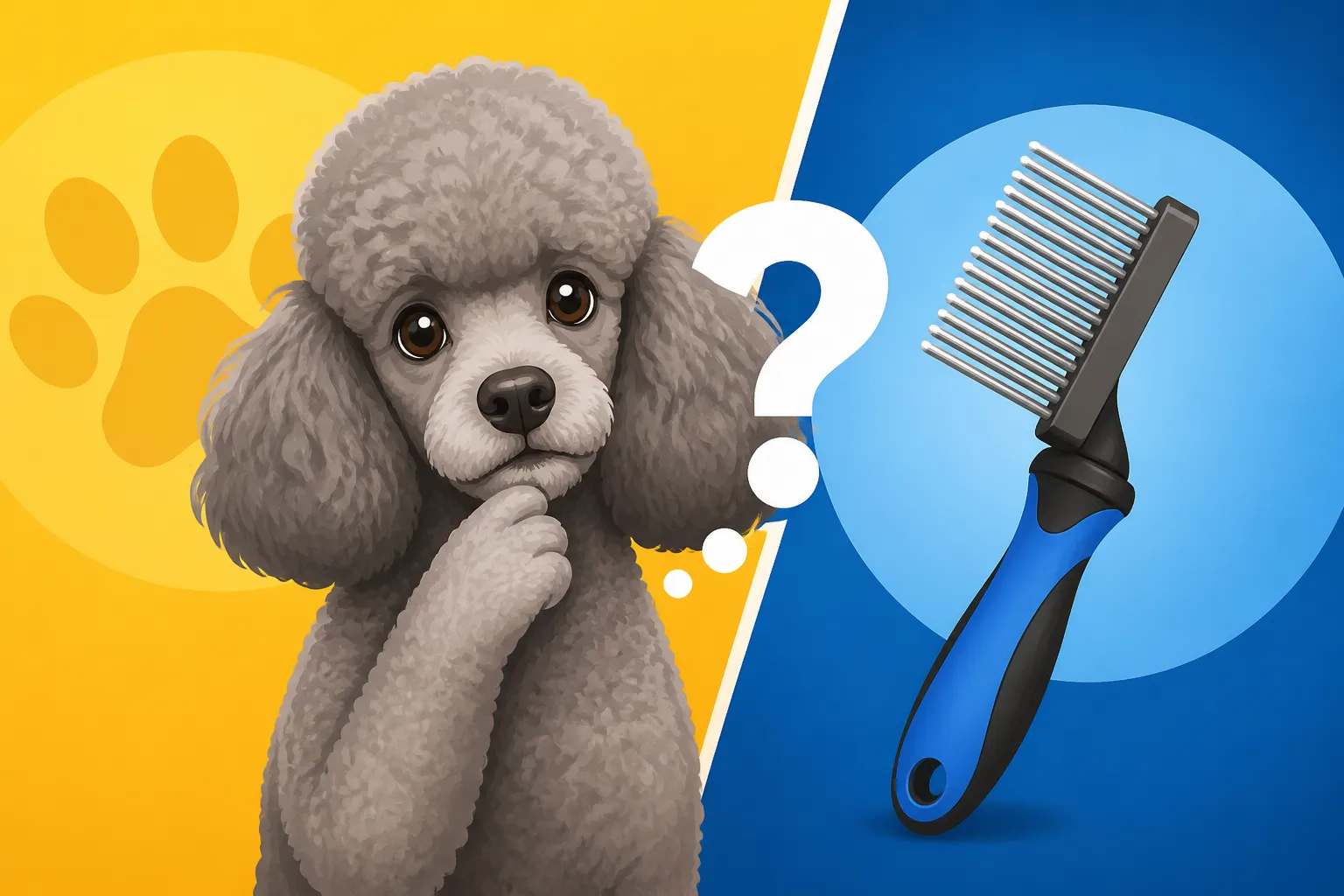
Many Poodle owners feel overwhelmed by the sheer number of grooming tools on the market, often wondering if specialized items like the Greyhound comb are truly essential or just another gadget. It's easy to get lost in the sea of brushes, rakes, and combs, questioning which ones will actually make a difference for that magnificent Poodle coat. This comprehensive guide will demystify the Greyhound comb, explain its specific role in Poodle grooming, and help you decide if it deserves a place in your essential toolkit.
The Poodle Coat: Understanding Its Unique Demands
Before we dive into specific tools, it’s crucial to truly understand the Poodle’s coat. It’s not just "curly"; it's a living, breathing entity that requires specific care to remain healthy and beautiful. Many new Poodle parents, and even some seasoned ones, underestimate the intensity of grooming until they are knee-deep in a matted mess, wondering where they went wrong. This isn't just about aesthetics; a well-maintained coat is vital for your Poodle's comfort and skin health.
What Makes Poodle Hair Different from Fur?
Unlike many other breeds that have fur which sheds seasonally, Poodles boast a single layer of hair that continuously grows. This hair is dense, tightly curled, and lacks an undercoat in the traditional sense. It's often described as being more akin to human hair in its growth pattern, meaning it doesn't "fall out" in the same way fur does. Instead, shed hairs get trapped within the surrounding curls. This is why Poodles are often lauded as "hypoallergenic" – the shed hair stays put, reducing dander and allergens in the environment.
However, this unique characteristic is a double-edged sword. While it's great for allergy sufferers, it means those trapped hairs quickly intertwine with the growing hair, forming tangles and then, if neglected, dense, painful mats right against the skin. Imagine trying to brush your own long, curly hair after weeks of not touching it – that's what a Poodle experiences, but all over their body. The texture itself can vary too, from soft and fluffy on a puppy to coarse and woolly on an adult, each presenting its own grooming challenges. The Poodle Coat and Why It Never Stops Growing goes into even more detail about this fascinating coat type.
The Constant Growth Cycle and Matting Tendencies
Because a Poodle's hair never stops growing, it’s in a constant state of needing attention. Every single day, old hairs are released, and new ones are pushing through. When these shed hairs don't get brushed out, they weave themselves into the healthy, growing hair, creating knots that can quickly escalate into solid mats. These mats aren't just unsightly; they pull on the skin, causing discomfort, pain, and can even restrict movement. Underneath severe mats, air circulation is restricted, creating a breeding ground for skin infections, hot spots, and parasites.
The coat is particularly prone to matting in high-friction areas: behind the ears, under the armpits, in the groin, around the collar area, and on the legs where they rub together. Even everyday activities like playing, sleeping, or wearing a harness can contribute to mat formation. This is why vigilance and a consistent grooming schedule are absolutely non-negotiable for any Poodle owner, regardless of their Poodle's size or desired clip. Understanding Why a Poodle Coat Mats Instead of Shedding is the first step in effective mat prevention.
Introducing the Greyhound Comb: Is It a Must-Have for Poodles?
Now that we appreciate the unique nature of the Poodle coat, let's turn our attention to one specific tool that often sparks debate among Poodle enthusiasts: the Greyhound comb. Is it a niche tool, or a fundamental part of a Poodle grooming kit? For many, it's an indispensable finishing tool.
Anatomy of a Greyhound Comb and Its Purpose
A Greyhound comb is a specific type of metal grooming comb characterized by its unique design: it typically has two sections of teeth, one side with wider spacing and the other with finer, closer-set teeth. The teeth are usually long, strong, and smooth, designed to glide through various coat types. The comb itself is often heavier and more substantial than a typical plastic pet comb.
Its primary purpose is to line brush and check your work after using a slicker brush. The wider teeth help to untangle larger sections and get through thicker areas, while the finer teeth are used for smaller tangles, finishing work, and ensuring the coat is completely free of knots down to the skin. It acts as the ultimate "truth serum" for your Poodle's coat, revealing any hidden mats that a slicker brush might have simply glided over the top of. If you've ever thought your Poodle was tangle-free only for the groomer to find otherwise, a Greyhound comb is the tool that helps you avoid that embarrassment.
How the Greyhound Comb Fits into a Full Grooming Process
Think of your grooming routine as a multi-step process, and the Greyhound comb as the critical final check. You wouldn't start a marathon by sprinting, and you shouldn't start grooming a Poodle with a fine-toothed comb. The general process for a Poodle usually looks something like this:
- Initial Detangling (Optional but often needed): For very tangled coats, a wide-toothed comb or a special detangling rake might be used first to break up major knots.
- Slicker Brush Work: This is where the majority of the brushing happens. Using a high-quality slicker brush, you methodically line brush your Poodle, working in small sections, from the skin out, making sure to get through all the curls. This lifts the hair and removes most loose hair and smaller tangles.
- Greyhound Comb Check: This is where the Greyhound comb comes in. Once you believe a section is thoroughly brushed with the slicker, you take your Greyhound comb and gently run it through that same section. Start with the wide-toothed side to catch any larger tangles the slicker missed. If it glides through smoothly, move to the fine-toothed side. If that glides through without snagging, you know that section is genuinely clear down to the skin. If it snags, you go back to the slicker brush on that specific spot, gently working out the tangle, then re-comb with the Greyhound comb until it slides through effortlessly. This systematic approach is crucial for Brushing a Poodle to the Skin.
Identifying When and Where to Use This Specific Comb
The Greyhound comb is best utilized on a clean, dry, and already mostly brushed-out coat. Attempting to pull it through a dirty or heavily matted coat will be painful for your Poodle and ineffective for you. It's a finishing tool, not a primary detangler for severe mats. It's especially useful for:
- Checking for hidden mats: Those sneaky mats that form close to the skin, especially in thicker areas.
- Detailed areas: Around the face, ears, and tail, where precision is needed.
- Ensuring thoroughness: If you're aiming for a longer coat or preparing for a groomer, this comb confirms every inch is clear.
- Puppies: Getting a puppy used to a comb early, even if just for short sessions, helps them tolerate grooming later. For tips on this, see Getting a Poodle Puppy Used to Being Handled.
While it excels at confirming a mat-free coat, it's not the ideal tool for starting on a heavily matted dog. For severe matting, the wider-spaced teeth of a coarser comb or even professional intervention might be needed. Using it incorrectly can cause pain and coat damage, turning grooming into a dreaded experience for your Poodle.
Building Your Poodle Grooming Arsenal: Beyond the Comb
While the Greyhound comb is a fantastic tool for a Poodle owner, it's just one piece of a larger puzzle. To truly keep that magnificent coat in top condition, you'll need a few other essentials. Don't skimp on quality here; cheap tools can be ineffective, frustrating to use, and even cause discomfort for your Poodle. Think of it as an investment in your Poodle's health and happiness, and your own peace of mind.
The Indispensable Slicker Brush
If there's one tool that rivals the importance of a good comb for a Poodle, it's the slicker brush. In fact, for initial brushing and daily maintenance, the slicker often takes center stage. A high-quality slicker brush has fine, bent wire bristles set closely together on a flat or curved base. When used correctly, it reaches deep into the curly coat, separating individual hairs and lifting shed hair effectively.
Choosing the right slicker brush is key. You'll want one with firm but flexible pins that won't scratch your Poodle's skin. Different sizes are available, so pick one appropriate for your Poodle's size – a large standard Poodle will need a bigger brush head than a tiny toy Poodle. Many Poodle owners find themselves replacing slicker brushes every so often, especially if they use them daily, as the pins can bend or wear out. You can find excellent options from various brands on retailers like Chewy or Amazon. To learn more about selecting the best one, refer to Which Slicker Suits a Poodle Coat.
Other Combs and Brushes for Specific Poodle Needs
Beyond the slicker and Greyhound comb, a few other tools can be beneficial:
- Pin Brush: These brushes have widely spaced metal pins with rounded tips. They are excellent for longer, flowing coats, or for fluffing the coat. They don't detangle as effectively as a slicker but are gentler on already brushed hair and great for stimulating the skin.
- Face and Foot Comb: These are often smaller, finer-toothed combs, sometimes with a handle, designed for delicate areas like around the eyes, nose, and between paw pads. Their small size allows for precision that a larger Greyhound comb might not offer in these tight spots.
- Mat Breaker/Rake: For those unfortunate moments when a mat has already formed, a mat breaker (with serrated blades) or a mat rake (with sturdy, widely spaced pins) can help gently separate the mat without cutting the entire section off. Always use these with extreme caution and never try to rip through a mat. They are tools of last resort before shaving.
- Dematter/Detangling Spray: These products are coat savers! A good quality spray can make a huge difference in helping a slicker brush and comb glide through tangles more easily, reducing friction and preventing hair breakage. Always mist the coat before brushing, especially if it's dry.
| Grooming Tool | Primary Use | Poodle-Specific Application |
|---|---|---|
| Slicker Brush | Daily brushing, removing loose hair, detangling smaller knots | Main workhorse for line brushing, crucial for removing trapped shed hair from the dense Poodle curls. Essential for all coat lengths. |
| Greyhound Comb | Final check for mats, detangling fine knots, thoroughness confirmation | Used after slicker brushing to ensure the coat is clear down to the skin, especially in mat-prone areas like ears, armpits, and leg joints. |
| Pin Brush | Finishing, fluffing, stimulating skin (less detangling) | Good for longer clips, or for dogs with less dense or softer coats. Not ideal for deep detangling but helps maintain fluff and shine. |
| Face/Foot Comb | Precision grooming in delicate areas | Perfect for tidying hair around eyes, mouth, and for ensuring paw pads are mat-free, which is vital for hygiene and comfort. |
| Mat Breaker/Rake | Carefully breaking up existing mats (last resort) | To be used with extreme caution on small, surface mats. If unsure, always consult a professional groomer to avoid causing pain or skin injury. |
| Detangling Spray | Lubricating coat, easing detangling, reducing static | Apply generously before brushing to help tools glide, prevent breakage, and make the grooming process more comfortable for your Poodle. |
Prioritizing Quality in Your Grooming Tools
It might be tempting to grab the cheapest brush or comb you see, but with a Poodle, this is a false economy. Poorly made tools can have sharp edges that cut the hair or scratch the skin, weak pins that bend or break, or handles that are uncomfortable to hold for extended periods. A good quality slicker brush might cost a bit more upfront, but it will last longer, be more effective, and be much kinder to your Poodle's coat and skin.
Investing in robust, ergonomic tools also makes the grooming process more pleasant for you. Imagine trying to brush a dense Poodle coat with a flimsy brush that constantly snags and pulls – it turns a necessary task into a frustrating chore. Brands often sold at places like Amazon, known for their durability and efficacy, can often save you money in the long run by preventing serious matting that would necessitate a professional shave-down. Remember, a professional groom can be costly, and good home grooming tools are part of Cutting a Poodle Budget Without Cutting Grooms.
Mastering the Poodle Grooming Routine with Your Tools
Having the right tools is only half the battle; knowing how to use them effectively and consistently is the real secret to a happy, mat-free Poodle. Grooming isn't a one-and-done event; it's an ongoing dialogue with your Poodle and their coat. It takes patience, consistency, and a little bit of know-how, but the bond you build and the health benefits are absolutely worth it.
Establishing a Regular Brushing and Combing Schedule
The golden rule for Poodle grooming is consistency. Daily brushing is ideal, especially for longer coats or during the dreaded "coat change" phase when puppies transition from soft puppy fluff to dense adult hair. Even Poodles in shorter clips need brushing several times a week to prevent small tangles from becoming big problems. Think of it as preventative medicine for their coat.
A typical session, even a short one, should involve using your slicker brush to line brush thoroughly, followed by the Greyhound comb to check your work, section by section. Don't forget to include the often-neglected areas like armpits, behind the ears, the tail base, and the inside of the legs. These are prime spots for mats to form unnoticed. Setting up a dedicated Setting Up a Poodle Grooming Corner at Home can make this routine more efficient and enjoyable for both of you. The more frequently you groom, the quicker and easier each session becomes. It's often easier to do a quick, thorough 15-minute brush daily than to tackle a major detangling job once a week that takes an hour and causes distress. How Often a Poodle Must Be Brushed provides further guidance on scheduling.
Techniques for Effective Mat Prevention and Removal
Prevention is always better than cure when it comes to Poodle mats. Regular, thorough line brushing with a slicker brush and then checking with a Greyhound comb is your best defense. If you do encounter a mat:
- Don't panic: Take a deep breath. Ripping through a mat will only hurt your Poodle and damage their coat.
- Isolate the mat: Gently separate the matted section from the surrounding hair.
- Apply detangling spray: Liberally spray a quality detangling product on and around the mat. Let it sit for a minute or two to penetrate the hair.
- Work from the outside in: Using the wider-toothed side of your Greyhound comb or a specific mat-splitting tool, gently tease apart the outer edges of the mat. Work slowly, a few hairs at a time, moving towards the center. You can also use just the very tips of your slicker brush pins to gently pick at the mat from the edges.
- Use your fingers: Often, your fingers are the best tools for gently separating matted clumps of hair without pulling on the skin.
- Avoid scissors: Unless you are a professional, using scissors to cut out mats is extremely risky. Poodle skin is thin and easily nicked, especially when pulled tight by a mat. Many Poodles have ended up at the vet with severe lacerations from well-meaning owners trying to "snip out" a mat. It's truly safer to shave it down if it's too tight.
Remember, if you find yourself consistently battling large, tight mats, it's a sign that your grooming routine needs adjustment, or it might be time for a professional groomer to step in. A groomer has specialized tools and techniques to safely remove severe matting, and can advise you on maintaining a mat-free coat going forward. Finding Poodle Mats Before the Groomer Does is a great article to help you spot them early.
Disclaimer
This article is for general informational purposes only and does not constitute professional advice. Laws, prices and regulations vary by location and change over time. Consult a qualified professional for guidance on your specific situation.