Which Poodle Size Is Healthiest
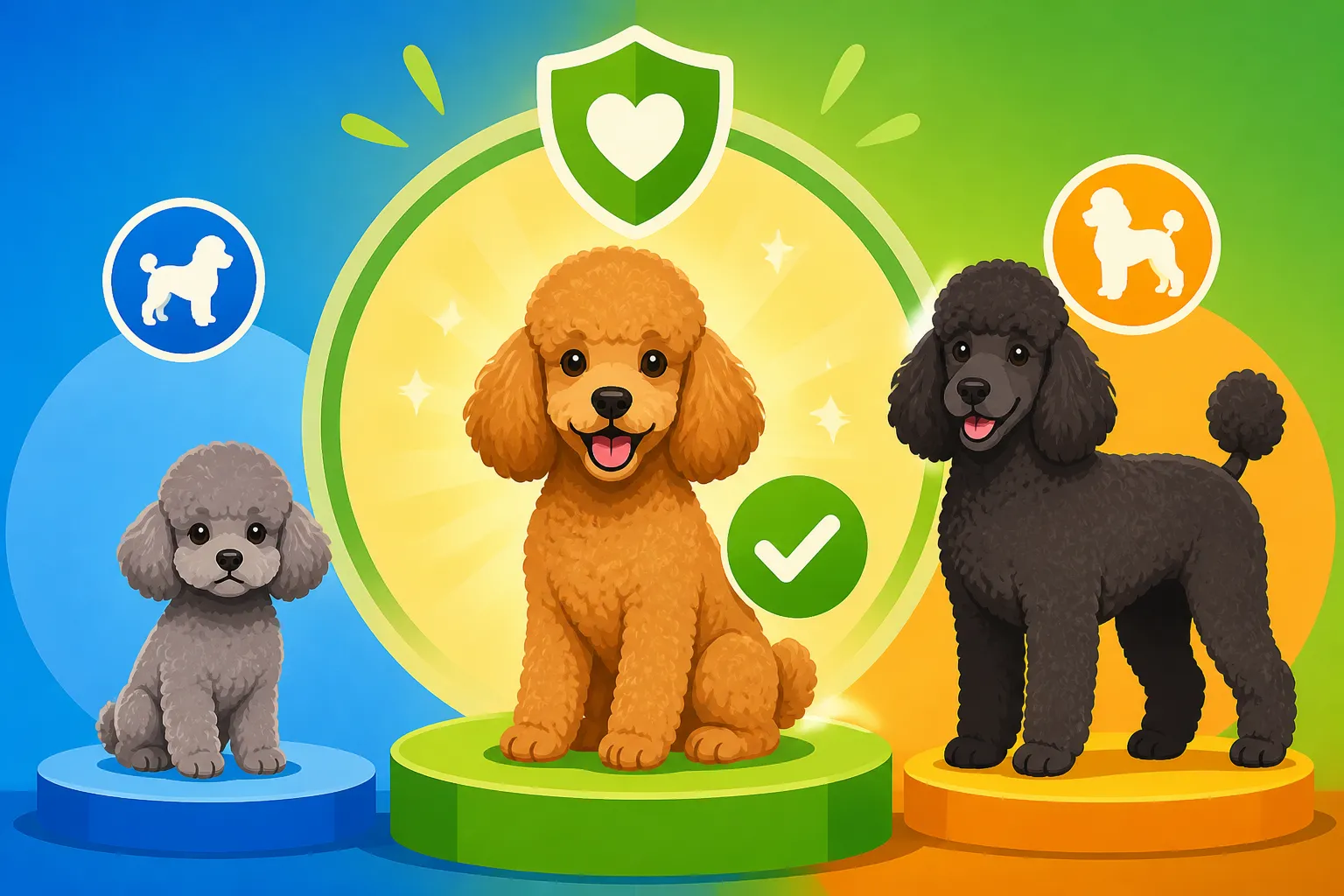
It’s a question many prospective Poodle parents, and even seasoned owners, wrestle with: out of the three distinct sizes, which Poodle variety is genuinely the healthiest? It’s a completely valid concern, rooted in the desire to provide the best possible life for a beloved companion and to be prepared for potential challenges. This guide will meticulously break down the common health considerations for Standard, Miniature, and Toy Poodles, helping you understand their unique predispositions and what truly factors into a Poodle's lifelong wellness.
Understanding Poodle Health Across Sizes
When we talk about Poodle health, it’s not as simple as one size being universally "better" than another. Each size category, developed over centuries for different purposes, carries its own set of genetic predispositions and physical vulnerabilities. What affects a robust Standard Poodle often differs significantly from the delicate constitution of a tiny Toy Poodle. It's crucial to appreciate these distinctions so you can make informed decisions about care, breeding, and even which size might be the best fit for your lifestyle.
Think of it this way: a Standard Poodle's deep chest, while majestic, is a known risk factor for a specific, life-threatening condition. Conversely, a Toy Poodle's diminutive size, so endearing for cuddling, makes them prone to orthopedic issues that larger dogs rarely face. It's not about inherent fragility across the board, but rather about specific anatomical traits and genetic lines that have been amplified or introduced through selective breeding over generations. This understanding moves us beyond generalizations to a more nuanced, realistic view of Poodle health.
Standard Poodle Health Concerns
Standard Poodles are the largest of the three varieties, known for their athleticism, intelligence, and a generally robust build. However, their size and genetic history do come with specific health predispositions that every owner should be aware of. Many of these conditions can be quite serious and require prompt veterinary attention, making it essential to know the signs.
Gastric Dilatation-Volvulus Bloat
This is arguably the most feared condition for Standard Poodle owners. Gastric Dilatation-Volvulus (GDV), commonly known as bloat, is a rapid, life-threatening condition where the stomach fills with gas and twists on itself. The deep, narrow chest conformation of many Standard Poodles is a significant risk factor, as it allows the stomach more room to rotate. The onset is sudden and symptoms include unproductive retching, a distended abdomen, restlessness, and signs of pain. Without immediate surgical intervention, bloat is almost always fatal. It's why many owners of Standard Poodles choose to have a gastropexy performed, a preventive surgery that tacks the stomach to the abdominal wall, significantly reducing the risk of torsion, though not the initial gas accumulation. Understanding the Emergency Signs of Poodle Bloat is critical for any Standard Poodle owner.
Addison's Disease
Another condition disproportionately affecting Standard Poodles is Addison's Disease, or hypoadrenocorticism. This is an endocrine disorder where the adrenal glands don't produce enough cortisol and aldosterone. It's often called "the great imitator" because its symptoms can be vague and mimic many other illnesses, including lethargy, vomiting, diarrhea, loss of appetite, and weight loss. It can wax and wane, making diagnosis tricky. Many owners report their Poodles seem "off" or "sulky" before a full-blown Addisonian crisis occurs. While treatable with lifelong medication, a crisis can be life-threatening. The genetic component is strong, emphasizing the importance of responsible breeding. Learning to spot the First Signs of Addison's in a Poodle can be a literal lifesaver.
Hip Dysplasia
While not as prevalent as in some other large breeds, hip dysplasia can affect Standard Poodles. This is a condition where the hip joint develops abnormally, leading to looseness and eventual degenerative joint disease (arthritis). Symptoms can range from subtle lameness and reluctance to exercise to severe pain and difficulty rising. Reputable breeders will screen their breeding stock using radiographic evaluations like those provided by the Orthopedic Foundation for Animals (OFA) to minimize the risk of passing on this polygenic trait. Early diagnosis and management can significantly improve a dog's quality of life.
Miniature Poodle Health Concerns
Miniature Poodles strike a wonderful balance, often being described as the "Goldilocks" of the Poodle world – not too big, not too small. Their health profile reflects this, sharing some issues with both the Standard and Toy varieties, while also having their own specific concerns. They typically enjoy long, active lives, but preparedness for their unique predispositions is still key.
Progressive Retinal Atrophy
One of the most significant hereditary conditions in Miniature Poodles is Progressive Retinal Atrophy (PRA). This is a group of genetic diseases that cause the degeneration of the light-sensing cells in the back of the eye (retina), ultimately leading to blindness. The most common form in Miniature Poodles is Progressive Rod-Cone Degeneration (prcd-PRA), which typically manifests in middle age. Night blindness is often the first sign, progressing to full blindness over months or years. Genetic testing is readily available for breeders to identify carriers and affected dogs, allowing them to make informed breeding decisions to eradicate the disease from their lines. It's crucial for prospective owners to ask about parental DNA Testing a Poodle for PRA.
Idiopathic Epilepsy
Miniature Poodles are among the breeds identified with a genetic predisposition to idiopathic epilepsy, meaning seizures without an identifiable cause. These seizures can range from mild, almost imperceptible episodes to severe, full-body convulsions. They typically begin between six months and five years of age. While frightening to witness, many epileptic dogs can live full, happy lives with appropriate management and anti-seizure medication. Accurate diagnosis involves ruling out other causes of seizures, such as metabolic disorders, brain tumors, or toxins. If you suspect your Poodle is having seizures, documenting the episodes is incredibly helpful for your vet.
Luxating Patella
While more common in Toy Poodles, luxating patella (slipping kneecap) can also affect Miniature Poodles. This condition occurs when the patella, or kneecap, dislocates out of its normal groove in the thigh bone. It can cause a characteristic skipping gait, pain, or even non-weight-bearing lameness. The severity is graded from 1 (mild and infrequent) to 4 (severe and constant dislocation). Surgical correction is often recommended for higher grades to prevent painful arthritis and improve mobility.
Toy Poodle Health Concerns
Toy Poodles are the smallest of the three varieties, captivating hearts with their dainty size and lively personalities. However, their small stature comes with a specific set of health challenges that owners must be particularly vigilant about. These issues often relate to their delicate bone structure, metabolism, and compact size.
Luxating Patella
This condition is rampant in Toy Poodles. A luxating patella means the kneecap slips out of its normal position, often to the inside (medial luxation). Owners typically notice their tiny Poodle "skipping" or suddenly holding up a back leg for a few steps before it pops back into place. Over time, this can lead to pain, arthritis, and even a crippling lameness if left unaddressed. Regular veterinary check-ups are essential to monitor knee health. For severe cases, When a Toy Poodle's Kneecap Needs Surgery is an important consideration to prevent long-term damage.
Collapsing Trachea
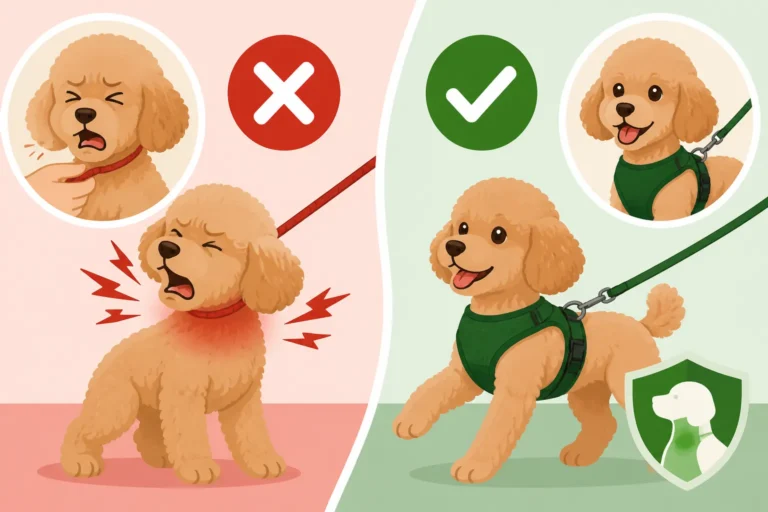
Another common issue for Toy Poodles is a collapsing trachea. The trachea, or windpipe, is supported by rings of cartilage. In dogs prone to this condition, these rings weaken and flatten, making breathing difficult. Symptoms include a distinctive "honking" cough, especially when excited, pulling on the leash, or exercising. It can range from mild to severe, and in advanced cases, dogs may experience respiratory distress. Using a harness instead of a collar can significantly help manage the condition by reducing pressure on the trachea. You should also consider Why Harnesses Matter for a Toy Poodle's Throat when choosing appropriate gear.
Hypoglycemia
Toy Poodle puppies, especially those under four months of age, are prone to hypoglycemia (low blood sugar). Their small bodies don't have large glycogen reserves, and if they don't eat regularly or are stressed, their blood sugar can drop dangerously low. Symptoms include lethargy, weakness, disorientation, tremors, and in severe cases, seizures or collapse. It's crucial to ensure young Toy Poodles eat frequent, small meals and to know the Signs of Low Blood Sugar in a Toy Poodle Puppy. Always keep a glucose source, like Karo syrup or specific canine glucose gel, on hand for emergencies.
Dental Disease
Small dogs, including Toy Poodles, are disproportionately affected by dental disease. Their tiny mouths often lead to overcrowding of teeth, which traps food and plaque, accelerating tartar buildup. Without diligent dental care, this can quickly progress to gingivitis, periodontal disease, tooth loss, and even systemic infections affecting other organs. Regular brushing at home, dental chews, and professional dental cleanings under anesthesia are vital. The article Why Small Poodles Lose Teeth Early goes into more detail about this prevalent issue.
Comparative Look at Health Trends by Poodle Size
While each Poodle size has its own unique health challenges, it's also worth looking at the broader picture and how health trends compare across the varieties. It’s not just about what can happen, but also about the impact and frequency of these conditions.
Here’s a comparative overview of some key health considerations:
| Health Concern | Standard Poodle | Miniature Poodle | Toy Poodle | Key Factors |
|---|---|---|---|---|
| Bloat (GDV) | High Risk | Low Risk | Very Low Risk | Deep chest conformation, large size. |
| Addison's Disease | High Risk | Moderate Risk | Low Risk | Genetic predisposition, specific lines. |
| Hip Dysplasia | Moderate Risk | Low Risk | Very Low Risk | Large size, rapid growth, genetics. |
| Elbow Dysplasia | Moderate Risk | Low Risk | Very Low Risk | Large size, rapid growth, genetics. |
| Luxating Patella | Very Low Risk | Moderate Risk | High Risk | Small size, delicate bone structure, genetics. |
| Progressive Retinal Atrophy (PRA) | Low Risk | High Risk | Moderate Risk | Specific genetic mutation (prcd-PRA) more prevalent in Miniatures. |
| Idiopathic Epilepsy | Moderate Risk | High Risk | Moderate Risk | Genetic predisposition. |
| Collapsing Trachea | Very Low Risk | Low Risk | High Risk | Small size, delicate tracheal rings. |
| Hypoglycemia (Puppies) | Very Low Risk | Low Risk | High Risk | Small body mass, limited glycogen stores. |
| Dental Disease | Moderate Risk | Moderate Risk | High Risk | Mouth anatomy, overcrowding of teeth, diet. |
| Legg-Calve-Perthes | Very Low Risk | Low Risk | Moderate Risk | Avascular necrosis of the femoral head, mainly in small breeds. |
As you can see, the scale of a Poodle plays a significant role in its specific health vulnerabilities. Larger Poodles tend to face conditions related to rapid growth and conformation, while smaller Poodles contend with issues stemming from their delicate structure and metabolism.
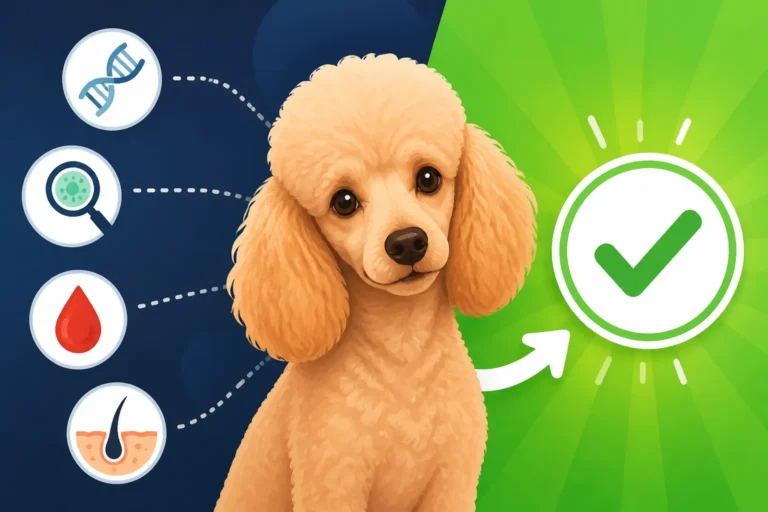
It’s important to note that a Poodle's health is never solely determined by its size. There are other, arguably more impactful, factors at play. A responsible breeder, for instance, is absolutely paramount. They should perform comprehensive health screenings relevant to their specific Poodle size and lineage. This includes genetic testing for conditions like PRA, OFA certifications for hips and elbows in Standards, and patella evaluations for Miniatures and Toys. A breeder who actively participates in these health protocols, and openly shares results, is investing in the long-term health of their puppies. You can learn more about What a Poodle Breeder Must Test For to ensure you're asking the right questions.
Furthermore, environment and ongoing care make a huge difference. Proper nutrition, appropriate exercise for their size, diligent dental hygiene, and regular veterinary check-ups contribute immensely to a Poodle's overall health and longevity, regardless of whether they are a Standard, Miniature, or Toy. Don't forget the power of pet insurance, too. Companies like Healthy Paws can provide a financial safety net against unexpected illnesses or accidents, offering peace of mind no matter which size Poodle you bring home. While we naturally worry about these specific conditions, sometimes it's the accidents or sudden, rare illnesses that truly test our resolve. Healthy Paws can help cover those unforeseen veterinary bills.
In essence, while different sizes do have different predispositions, no single Poodle size can be definitively crowned "healthiest." Instead, the focus should be on understanding the risks associated with each, choosing a puppy from health-tested parents, and committing to excellent preventative care throughout their life. This holistic approach is far more effective than simply trying to pick the "healthiest" size.
Maximizing Your Poodle's Health, Regardless of Size
Choosing a Poodle is a commitment, and ensuring their well-being is a top priority for any loving owner. While we've discussed the size-specific health challenges, there are universal practices that contribute significantly to a Poodle's overall health and longevity. These are the cornerstones of responsible pet ownership, and they apply equally whether you have a robust Standard or a petite Toy.
Choosing a Reputable Breeder
This is perhaps the single most critical decision you will make regarding your Poodle's future health. A reputable breeder is not just selling puppies; they are dedicated to improving the breed and ensuring the health and temperament of their lines. They will:
- Perform Health Testing: They will conduct specific health screenings relevant to their Poodle size, such as OFA certifications for hips and elbows in Standards, patella evaluations for Miniatures and Toys, and genetic testing for conditions like Progressive Retinal Atrophy (PRA), von Willebrand's Disease (vWD), and in some lines, early screening for Addison's Disease. Don't just take their word for it; ask to see the results. Understanding Genetic Panels for the Three Poodle Sizes can help you verify their claims.
- Provide Pedigree Information: They should be transparent about the ancestry of their dogs, allowing you to research health trends in the lineage.
- Offer Health Guarantees: A good breeder will stand behind the health of their puppies, often with a contract outlining responsibilities for genetic health issues that may arise.
- Prioritize Temperament: Healthy bodies and healthy minds go hand-in-hand. Reputable breeders socialize their puppies and select breeding dogs with stable, characteristic Poodle temperaments.
Avoiding puppy mills and backyard breeders who skip essential health testing might seem like saving money upfront, but it often leads to heartbreaking and costly health problems down the road. Pet insurance through providers like Healthy Paws can offer a valuable safety net, but responsible breeding practices are the first line of defense against many preventable conditions.
Comprehensive Veterinary Care
Regular check-ups are non-negotiable for all Poodles, regardless of their size. Your veterinarian is your best partner in preventive care and early detection of potential issues.
- Annual Exams: These aren't just for vaccinations. Your vet will perform a thorough physical examination, checking everything from teeth and ears to heart and joints. Early detection of issues like dental disease or early signs of joint pain can make a huge difference in treatment outcomes.
- Vaccinations and Parasite Prevention: Staying up-to-date on vaccinations and monthly preventatives for heartworm, fleas, and ticks is vital for protecting your Poodle from common and serious illnesses. Discuss the appropriate Poodle Vaccination and Preventive Schedule with your vet.
- Age-Appropriate Screenings: As your Poodle ages, your vet might recommend additional screenings, such as blood work to monitor organ function, especially for conditions like Thyroid Disease in Poodles.
- Open Communication: Don't hesitate to discuss any concerns, no matter how small, with your vet. Poodles are sensitive dogs and can sometimes hide illness, so Reading Pain in a Sensitive Poodle is a skill every owner should cultivate, along with open communication with their vet.
Nutrition and Weight Management
What you feed your Poodle and how much they weigh has a profound impact on their overall health and joint longevity.
- High-Quality Diet: Choose a high-quality dog food appropriate for your Poodle's life stage (puppy, adult, senior) and size. Look for reputable brands that meet AAFCO nutritional guidelines.
- Portion Control: Obesity is a widespread problem in dogs and exacerbates many health issues, including hip dysplasia, luxating patella, and diabetes. Follow feeding guidelines on your dog food bag, but adjust based on your Poodle's activity level and body condition. Learn Poodle Obesity and Its Consequences and how to prevent it.
- Healthy Treats: Treats are great for training and bonding, but offer them in moderation and choose low-calorie options. Remember to factor treats into your Poodle's daily caloric intake.
Regular Exercise and Mental Stimulation
Poodles are intelligent and active dogs, needing both physical and mental exercise to thrive.
- Physical Exercise: The amount will vary by size – a Standard Poodle needs more vigorous activity than a Toy. Daily walks, playtime in a secure yard, and fetching are excellent. This helps maintain a healthy weight, builds strong muscles, and burns off excess energy.
- Mental Stimulation: Their high intelligence means Poodles get bored easily. Engage their minds with puzzle toys, obedience training, dog sports (like agility or obedience), or scent work. A mentally stimulated Poodle is generally a happier and healthier Poodle. Find out Daily Work for a Poodle's Body and Mind to keep them engaged.
Consistent Grooming
Beyond aesthetics, regular grooming is a health imperative for Poodles.
- Brushing: Their non-shedding, continually growing coat is prone to matting, which can cause skin infections, discomfort, and even restrict movement. Regular Brushing a Poodle to the Skin is essential to prevent painful mats.
- Ear Care: Poodles have drop ears, which can trap moisture and hair, leading to ear infections. Regular cleaning and hair plucking (if recommended by your vet) are crucial. This topic is covered in detail in Ear Infections Under a Poodle's Drop Ears.
- Nail Trims: Overgrown nails can be painful, affect gait, and lead to paw problems. Regular trims or grinding are necessary.
- Dental Hygiene: Daily tooth brushing is ideal, but even a few times a week can make a difference in preventing dental disease. Small Poodles are especially susceptible, as highlighted in Poodle Dental Disease by Size.
Ultimately, the question of "which Poodle size is healthiest" is best answered by focusing on proactive, informed care. Every Poodle, regardless of its size, deserves a home where its unique needs are met with dedication, love, and a commitment to their lifelong well-being. Knowing the potential pitfalls is the first step; taking action to mitigate them is where true health is found.
Disclaimer
This article is for general informational purposes only and does not constitute professional advice. Laws, prices and regulations vary by location and change over time. Consult a qualified professional for guidance on your specific situation.