Crate Training a Poodle That Wants Company
Bringing a Poodle into your home often means welcoming a shadow, a constant companion who thrives on being right by your side. While this "Velcro dog" tendency is endearing, it can make crucial training steps, like crate training, feel incredibly difficult. Many Poodle owners struggle with the heartbreaking cries and protests that come when their intelligent, people-oriented companion is asked to spend time alone in a crate. This guide is here to walk you through a compassionate yet effective approach to crate training your Poodle, helping them learn to love their safe space and giving you both peace of mind.
Understanding Your Poodle's Need for Company
Poodles are not just beautiful dogs; they are incredibly intelligent and deeply social creatures. Their history as working retrievers meant they often worked closely with humans, fostering a strong bond and an inherent desire for companionship. When you're trying to crate train a Poodle, understanding this foundational aspect of their temperament is key. It's not defiance; it's often a genuine need for connection.
The "Velcro" Poodle Tendency
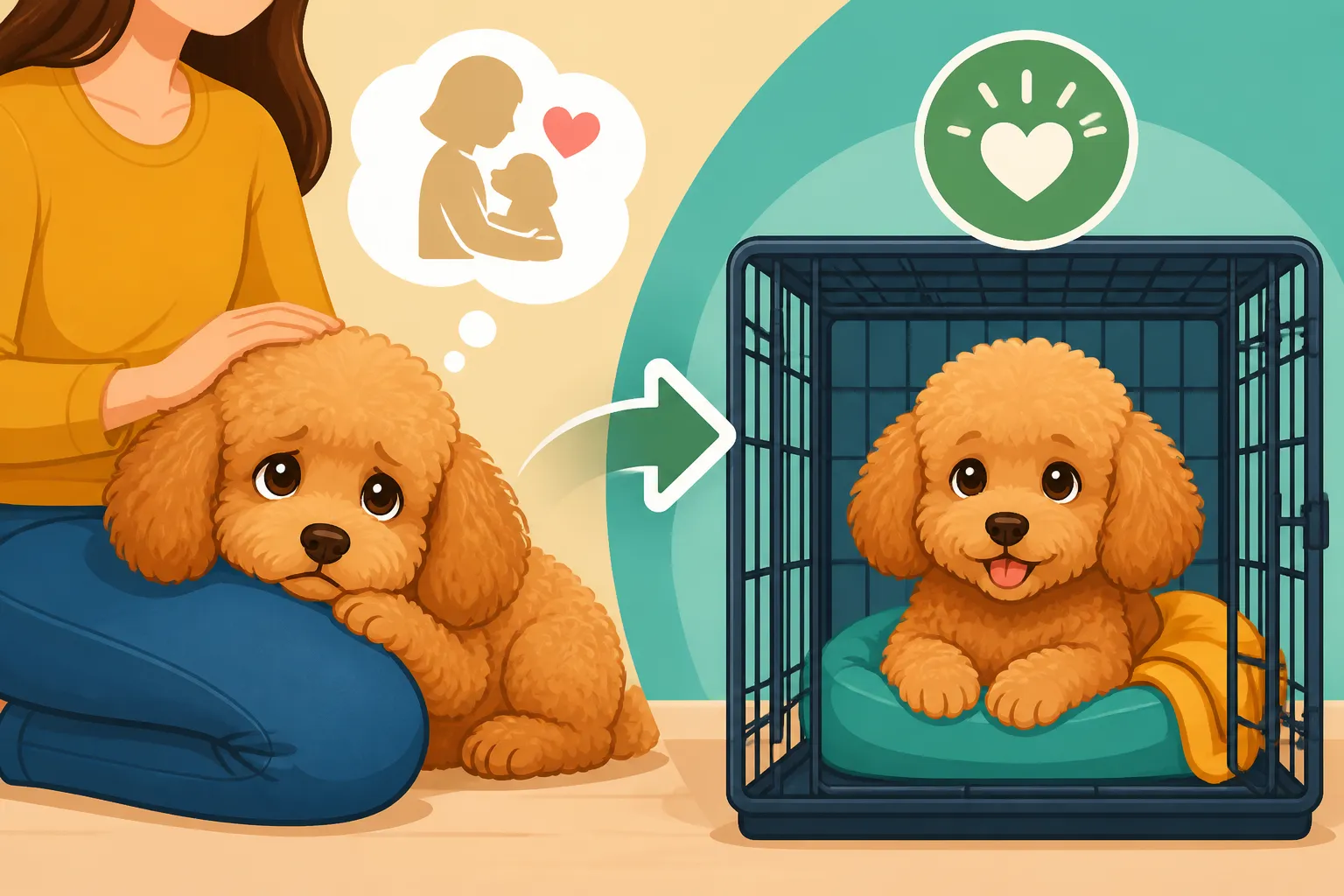
Have you ever noticed your Poodle following you from room to room, even just to the bathroom? That's the "Velcro" tendency in full effect. Poodles form exceptionally strong attachments to their families, often bonding intensely with one primary person. This isn't a flaw; it's part of their charm and why so many of us fall head over heels for them. However, it also means that separation, even for short periods, can feel like a significant hardship for them. They literally want to be where you are, always.
This deep connection is a double-edged sword when it comes to independent activities like crate training. Your Poodle isn't just seeking attention; they're fulfilling a fundamental need for social engagement. Being alone, especially when they can hear or sense you nearby, can trigger feelings of isolation or even anxiety, leading to the protests that make crate training so frustrating for owners. It's a testament to their loyalty, but it also means we, as owners, need to approach their training with extra patience and understanding. When you understand The Poodle That Follows You Everywhere, you begin to grasp why the crate can feel so isolating for them.
Breed Intelligence and Boredom
Poodles consistently rank high on intelligence scales, often listed as one of the smartest dog breeds. While this makes them incredibly trainable and quick to pick up new commands, it also means they have active, curious minds that need to be engaged. A bored Poodle is a mischievous Poodle, and an intelligent Poodle who feels isolated in a crate might quickly learn to protest vocally or try to escape. They aren't just lying there waiting for you; they're thinking, analyzing, and quite possibly, concocting a plan.
An intelligent dog will quickly figure out if whining or barking gets your attention, even negative attention. This isn't them being "bad"; it's them using their smarts to manipulate their environment, which, in this case, means getting you to release them from the crate. Providing mental stimulation and making the crate a place of positive mental engagement, rather than just confinement, becomes paramount. Their keen minds require more than just physical exercise; they need puzzles and challenges, even in their quiet space.
Setting Up the Right Crate Environment
The crate should never feel like a punishment or a jail cell. For your Poodle, who craves comfort and company, it needs to be their personal den – a safe, cozy, and inviting retreat where they genuinely want to spend time. The way you set it up makes all the difference in turning a potentially stressful object into a beloved haven.
Choosing the Right Crate Size and Type
Selecting the appropriate crate is the first crucial step. It needs to be large enough for your Poodle to comfortably stand up, turn around, and lie down stretched out, but not so large that they can use one end as a bathroom and the other as a sleeping area. For puppies, a divider can be used to adjust the size as they grow. There are several types of crates:
- Wire Crates: These are popular because they offer good ventilation and visibility. Many come with a divider, making them versatile for growing puppies. However, some Poodles might feel too exposed in a wire crate.
- Plastic Crates (Airline Approved): These provide a more den-like feel, offering a greater sense of security and privacy. They're also suitable for travel.
- Fabric Crates: Lightweight and portable, these are great for temporary use or travel, but generally not suitable for Poodles prone to chewing or escape attempts, especially during initial training.
Consider your Poodle's size. A Toy Poodle will need a much smaller crate than a Standard Poodle, for example. Understanding Crate Size for Each Poodle Variety is essential for making the right choice. No matter the type, ensure it's sturdy and secure. You can find a wide variety of options and accessories on platforms like Amazon, making it easy to compare features and read reviews from other Poodle owners.
Location, Location, Location
Where you place the crate can significantly impact your Poodle's comfort level. Remember, they want to be with you. Initially, placing the crate in a central area where the family gathers – like the living room or kitchen – allows them to feel part of the activity without being directly involved. This helps to alleviate feelings of isolation. They can see and hear you, which is a huge comfort for a Poodle who The Poodle That Follows You Everywhere.
As your Poodle becomes more comfortable with their crate, you can gradually move it to a more permanent, quieter spot, such as your bedroom at night. Even then, placing it close enough to your bed so they can still sense your presence can be very reassuring. The goal is to make them feel safe and connected, even when they're in their own space.
Comfort and Enrichment Within the Crate
Once you have the right crate and location, it's time to make it irresistibly comfortable and engaging. This is where the magic happens for a Poodle who wants company.
- Soft Bedding: A comfy bed or blanket can make the crate feel like a luxurious sleeping spot. Choose something easy to wash in case of accidents, especially with puppies.
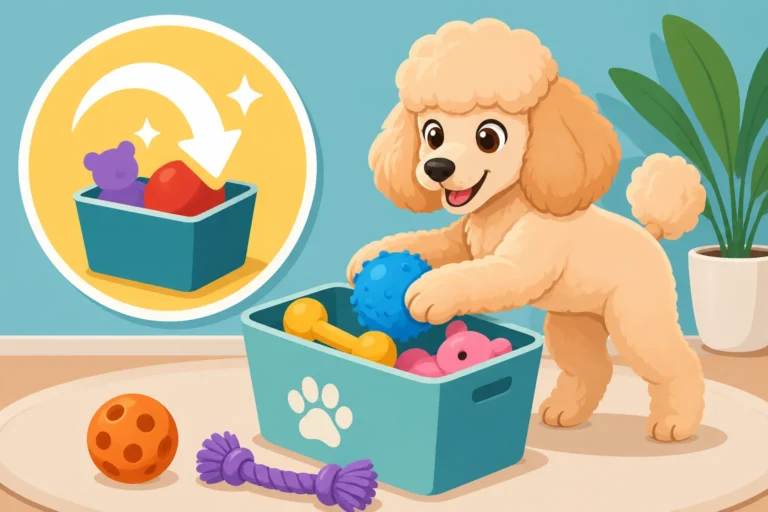
- Safe Chew Toys: Long-lasting chew toys, like a Kong filled with peanut butter or a dental chew, provide a positive distraction and mental engagement. These can be given only when they go into the crate, making the crate itself a predictor of good things. This helps with Keeping a Poodle Mind Occupied and forms a positive association.
- Puzzle Toys: For an intelligent Poodle, a puzzle toy can turn crate time into a fun challenge. These toys dispense treats as your dog manipulates them, keeping their brain busy and their stomach happy.
- Covering the Crate: A light blanket draped over most of the wire crate can create a den-like atmosphere, reducing visual stimulation and promoting relaxation. Just ensure there's still good airflow.
- Your Scent: Placing an old t-shirt or blanket that smells like you inside the crate can provide immense comfort, reminding your Poodle that you're still "nearby" even when you're not physically present.
Making the crate a comfortable and stimulating place is especially vital for a Poodle who struggles with loneliness. These elements transform the crate from a bare enclosure into a personalized retreat they look forward to entering.
The Step-by-Step Crate Training Process
Crate training a Poodle that craves company requires patience, consistency, and a highly positive approach. Rushing the process or using the crate as punishment will backfire spectacularly with such a sensitive breed. Think of it as a gradual desensitization and counter-conditioning program, where the crate always predicts good things.
Phase 1: Positive Association and Short Stays
The initial phase is all about building positive feelings about the crate. Never force your Poodle in. Keep the door open, toss treats inside, and let them explore on their own terms.
- Make it a Treat Zone: Scatter high-value treats (think tiny pieces of cooked chicken or cheese) inside the crate throughout the day. Let your Poodle discover them. This creates a powerful positive association.
- Mealtime Magic: Feed your Poodle their meals inside the crate. Start with the bowl just inside the door, and as they get more comfortable, move it further in. Eventually, they should be eating their entire meal inside the crate with the door gently closed. Open the door immediately after they finish eating.
- Short, Happy Stays: Once your Poodle is comfortable eating in the crate, start closing the door for very short periods – literally seconds – while you are still in the room. Give them a special chew toy (like a stuffed Kong) as you close the door. Open the door before they start to fuss. The key is to never let them get distressed inside. Gradually increase the time, always releasing them when they are calm and quiet. If they do start to vocalize, wait for a brief moment of quiet before opening the door, so you're not rewarding the noise.
- Introducing a Cue: Start using a verbal cue like "crate" or "kennel" as you toss a treat in or guide them towards it. This helps them associate the word with the action. Many online training programs, like those offered by BAXTER & Bella, emphasize positive reinforcement cues that work wonderfully with intelligent breeds like Poodles.
This phase might take days or even weeks, especially for a Poodle who is already wary. Don't rush it. Every positive experience builds confidence.
Phase 2: Gradual Increase in Time and Distance
Once your Poodle is happy to enter the crate and remain calm for short periods while you're in the room, it's time to slowly increase the duration and your distance.
- Disappearing Act: Start by closing the door and walking a few steps away, then immediately return and open the door. Again, the timing is crucial: open the door before they get upset. Gradually increase the distance you walk away, then eventually leave the room for a few seconds.
- Out of Sight, Not Out of Mind: When you leave the room, leave them with a high-value, long-lasting chew or puzzle toy. This keeps them occupied and thinking positively about their crate time. Your Poodle's intelligent mind can make them prone to boredom, so Keeping a Poodle Mind Occupied is vital for longer stays.
- Practice Short Absences: Practice leaving the house for very brief periods – 5 to 10 minutes. Go out, get in your car, then come back in. Don't make a big fuss when you leave or return. The goal is to make coming and going a non-event, showing your Poodle that leaving is ordinary. This is a critical step in addressing potential separation anxiety. If you find your Poodle struggling here, you might want to review resources on Teaching a Poodle That Leaving Is Ordinary.
- Consistency is Key: Repeat these short departures many times a day if possible. The more routine it becomes, the less anxious your Poodle will be. A structured online training program can provide excellent guidance for these repetitive steps.
Remember to always let your Poodle out for a potty break before crating them for any extended period. Accidents in the crate can set back training significantly, as no dog wants to lie in their own mess. Consistent House Training a Toy Poodle (or any size Poodle) goes hand-in-hand with successful crate training.
Phase 3: Overnight and Longer Daytime Stays
Once your Poodle is comfortable with being crated for 30-60 minutes during the day while you're briefly out of sight, you can begin to work on overnight stays and longer daytime absences.
- Overnight Comfort: Place the crate in your bedroom at night, or at least close enough that your Poodle can hear and smell you. Give them a final potty break, a chew toy, and then tuck them in. If they cry, resist the urge to let them out unless you suspect they need to relieve themselves (especially true for young puppies). Often, a quiet, reassuring word, without opening the crate, is enough. If the crying persists, gradually work on increasing duration again in shorter increments during the day.
- Daytime Duration: For longer daytime absences (like when you go to work), gradually build up the time your Poodle spends in the crate. Never jump from 1 hour to 4 hours. Increase by 30-minute to 1-hour increments over several days or weeks. Again, ensure they've had plenty of exercise and a potty break before going in. A safe, long-lasting chew or puzzle toy is a must for these longer stays.
- Potty Breaks: Young puppies cannot hold their bladder for more than a few hours. A general rule of thumb is their age in months plus one hour for maximum holding time (e.g., a 3-month-old puppy can hold it for about 4 hours). Plan for regular potty breaks or arrange for a dog walker if you'll be gone longer than your Poodle can comfortably hold it.
- Monitoring Progress: If you're concerned about how your Poodle is doing when you're gone, consider setting up a pet camera. This allows you to observe their behavior without them knowing, giving you valuable insight into their comfort level and helping you understand when they might be struggling with Separation Anxiety in a Velcro Poodle.
Patience is your greatest tool here. If your Poodle seems distressed, take a step back and reinforce shorter, positive crate experiences.
Addressing Common Crate Training Challenges
Even with the best intentions and a diligent approach, challenges are bound to arise when crate training a Poodle, especially one who loves company. Their intelligence and sensitive nature can sometimes lead to very specific issues that require careful handling.
Whining and Barking: When Your Poodle Demands Attention
This is perhaps the most common and frustrating challenge. Your Poodle, feeling lonely or bored, decides to vocalize their displeasure. It's a natural behavior, but one that needs to be managed carefully to avoid accidentally reinforcing it.
- Ignore if Possible (with caveats): The golden rule of ignoring unwanted attention-seeking barking applies here. If you let your Poodle out every time they whine or bark, you're teaching them that noise gets results. Wait for a pause, even a split second of silence, before opening the crate door. This teaches them that quiet, not noise, is rewarded.
- Rule Out Needs First: Before ignoring, always ensure your Poodle's needs are met. Have they had a potty break? Are they hungry or thirsty? Are they too hot or too cold? Is their bedding comfortable? Once these basics are covered, you can be more confident in ignoring the attention-seeking behavior.
- Redirection and Enrichment: Often, barking or whining stems from boredom or frustration. Ensure you've provided a stimulating, long-lasting chew toy or a puzzle feeder that requires active engagement. A Poodle's mind needs a job, even in the crate. You can also work on putting barking on cue and then a "quiet" cue, which gives you more control over their vocalizations, as discussed in articles about Poodle Barking and Alertness.
- Desensitize to Departure Cues: Poodles are smart. They pick up on your "departure cues" – grabbing your keys, putting on your shoes, picking up your bag. Start doing these things randomly throughout the day without actually leaving. This desensitizes them to the cues, so they don't trigger anxiety every time you prepare to go.
Consistency from all family members is vital. If one person ignores the barking but another rushes to comfort, your Poodle will quickly learn who to manipulate.
Anxiety and Escape Attempts: For the More Stressed Poodle
Some Poodles experience genuine anxiety in the crate, going beyond mere protest to show signs of distress like excessive panting, drooling, frantic digging, or even attempting to chew their way out. This is a sign you've moved too fast, or there's underlying anxiety.
- Re-evaluate and Slow Down: If you see these signs, immediately scale back your training. Go back to very short, positive sessions where the crate door is open or closed for mere seconds while you're present and engaging. The goal is to rebuild a positive association without any stress.
- Vet Consultation: If anxiety is severe or persistent, a consultation with your veterinarian is highly recommended. They can rule out any underlying medical issues and may suggest anti-anxiety supplements or, in some cases, medication to help your Poodle cope during the initial re-training phase.
- Professional Help: For significant anxiety or destructive escape attempts, consider consulting a certified professional dog trainer or a veterinary behaviorist. They can assess your Poodle's specific situation and develop a tailored plan. Resources like BAXTER & Bella offer professional guidance that can be invaluable for these complex issues. Sometimes, Reading Pain in a Sensitive Poodle goes beyond physical discomfort and delves into their emotional state. A professional can help you interpret subtle cues.
- Secure the Crate: If escape attempts are a concern, ensure your crate is robust and properly secured. Some Poodles are surprisingly adept at opening latches. You might need extra clips or zip ties to reinforce the door. Never use a fabric crate if your Poodle is trying to escape, as they can ingest fabric, which can be dangerous.
The key is to address the underlying anxiety, not just the symptoms. Forcing an anxious Poodle into a crate will only worsen their fear and could lead to serious behavioral issues.
Regression: When Things Go Backward
It's disheartening when your Poodle, who seemed perfectly crate trained, suddenly starts protesting or having accidents again. Regression is common, and it's rarely a sign of failure.
- Identify the Cause: Try to pinpoint why the regression occurred. Has there been a change in routine? A new family member or pet? A loud noise that scared them in the crate? A recent illness that made them uncomfortable? Poodles are creatures of habit and sensitive to changes.
- Back to Basics: The best approach to regression is often to go back to an earlier, successful stage of training. Re-introduce short, highly positive crate sessions with high-value treats and chew toys. Reinforce the positive associations.
- Consistency Re-established: Re-commit to a consistent schedule for potty breaks, exercise, and crate time. Any inconsistency can confuse your Poodle and lead to backsliding. Remember, the Poodle is an intelligent breed, but consistency helps them understand the rules.
- Patience and Understanding: Don't get frustrated. Your Poodle isn't doing this to spite you. Approach the regression with renewed patience and understanding, just as you did during the initial training. Sometimes, they just need a refresher course.
Integrating Crate Training with Daily Life
Once your Poodle is successfully crate trained, it's not just about having a place for them when you leave. The crate can become a valuable tool for managing their behavior, ensuring their safety, and even providing them with a much-needed calm space within the bustling household.
Crate for Safety and Calm
The crate isn't just for when you're out. It can serve many purposes that benefit both you and your Poodle.
- Safety Net: During times when you can't actively supervise your Poodle – perhaps you're cooking dinner, answering the door, or dealing with young children – the crate provides a safe, contained space where they can't get into trouble. This is especially useful for curious puppies who are prone to chewing inappropriate items.
- Quiet Time: Just like toddlers, dogs sometimes need a "time out" to decompress. The crate can be a peaceful retreat for your Poodle when they are overstimulated, tired, or need a break from household activity. This is particularly beneficial for the sensitive Poodle who might feel overwhelmed by too much excitement.
- Post-Surgery Recovery: If your Poodle ever needs surgery or an injury that requires restricted movement, a crate will be invaluable. A dog already comfortable and happy in their crate will cope much better with confinement during recovery than one for whom the crate is a foreign or stressful object.
- Travel Companion: A crate-trained Poodle is much easier to travel with, whether it's a short car ride to the vet or a longer trip. They have their familiar, safe space, reducing stress in new environments.
Think of the crate as your Poodle's personal sanctuary, a place where they can always feel secure and relaxed.
Maintaining Positive Associations
Crate training isn't a "one and done" deal. It's an ongoing practice that requires consistent reinforcement to ensure your Poodle continues to view their crate positively throughout their life.
- Regular Crate Time: Even if you don't need to crate your Poodle daily, continue to incorporate short, positive crate sessions into their routine. This could be during meal times, with a special chew toy, or just for a 30-minute nap. This keeps the association strong and prevents regression.
- Special Treats Only: Reserve truly high-value treats or special toys that your Poodle only gets when they go into their crate. This makes the crate a place of exclusive rewards.
- Never for Punishment: Reiterate this point often: the crate should never be used as a punishment. If your Poodle associates the crate with negative experiences, all your hard work in building positive associations will be undone, and their desire for company will make them even more resistant.
- Celebrate Successes: When your Poodle calmly enters their crate or settles quietly inside, acknowledge it with quiet praise and a gentle pet. Reinforce that good behavior makes you happy. This is especially important for a Poodle, who thrives on human approval and connection, which is a key part of The Poodle Character.
By making the crate a consistent, positive part of your Poodle's life, you empower them with a safe space and teach them valuable independence, allowing both of you to enjoy a more harmonious relationship.
Comparison of Crate Training Benefits
| Benefit | Description | Poodle-Specific Relevance |
|---|---|---|
| Safety & Security | Prevents dogs from chewing hazardous items or getting into dangerous situations when unsupervised. | Poodles, especially intelligent and bored ones, can find creative ways to get into trouble. The crate offers a secure place when you can't monitor them, particularly if you have a Toy Poodle Kneecaps and Windpipes that might be vulnerable to injury in an unsupervised environment. |
| House Training Aid | Dogs are naturally clean and reluctant to soil their sleeping area, which aids in potty training. | Helps establish a regular potty schedule and reduces accidents, especially for House Training a Toy Poodle which might have a smaller bladder capacity. |
| Travel & Vet Visits | Provides a familiar, safe den for car rides, hotel stays, or vet recovery. | Reduces stress during travel or veterinary procedures, as Poodles appreciate comfort and routine. A calm, crated Poodle is safer in the car. |
| Quiet Retreat | Offers a personal space for rest, relaxation, or escape from overwhelming household activity. | Essential for sensitive Poodles who can easily get overstimulated or need a designated quiet area to decompress. |
| Manages Separation Anxiety | Teaches independence and that being alone can be a positive, predictable experience. | Crucial for Poodles with strong "Velcro" tendencies, helping them build tolerance for solitude and mitigating the development of full-blown Separation Anxiety in a Velcro Poodle. |
| Prevents Destructive Behavior | A bored or anxious Poodle might chew or destroy items; the crate provides containment and a safe chew outlet. | Directs chewing onto appropriate toys within the crate, saving your furniture and shoes from an intelligent Poodle's destructive boredom. |
Disclaimer
This article is for general informational purposes only and does not constitute professional advice. Laws, prices and regulations vary by location and change over time. Consult a qualified professional for guidance on your specific situation.