Hiking With a Standard Poodle
So, you’ve got a magnificent Standard Poodle, and you’re dreaming of hitting the trails together, but a little voice in the back of your head is whispering, "Are they really built for that?" It's a common concern! Many people envision Poodles as dainty show dogs, not rugged outdoor adventurers. But the truth is, beneath that glamorous coat is a highly intelligent, incredibly athletic, and surprisingly hardy companion. This guide will dispel those myths and walk you through everything you need to know about safely and joyfully hiking with your active Standard Poodle, from preparation to responsible trail etiquette and essential post-adventure care.
Is Your Standard Poodle Built for the Trail?
It's easy to look at a Standard Poodle in a fancy show clip and assume they prefer the chaise lounge to a rocky path. However, delve into their history, and you'll find a capable, eager-to-please dog with a sturdy build and a natural love for water and retrieving. Understanding their physical and mental attributes, as well as the realities of their unique coat, is the first step in planning successful hiking trips.
Their Athletic Prowess
Standard Poodles are not merely pretty faces; they are working dogs at heart. Originally bred for retrieving waterfowl in Germany and France, they possess an impressive combination of strength, agility, and endurance. Their long legs allow them to cover ground efficiently, while their deep chest provides ample lung capacity for sustained effort. They have strong muscles and a surprising amount of stamina, often outperforming breeds traditionally seen as "hiking dogs." A healthy, adult Standard Poodle can easily handle miles of varied terrain, from gentle forest paths to more challenging, rocky ascents, provided they are properly conditioned. They excel at activities that require both mental and physical engagement, making hiking a perfect outlet for their energy. Just like us, they need to build up their fitness, so don't expect them to tackle a mountain summit on their first outing if they're used to only short neighborhood strolls. Consistent exercise and gradual increases in intensity are key to preparing their bodies for the rigors of the trail. Daily Work for a Poodle's Body and Mind is essential for maintaining their overall fitness.
The Poodle Temperament on the Trail
Beyond their physical capabilities, a Standard Poodle's temperament is perfectly suited for hiking. They are highly intelligent, observant, and eager to please, which makes them responsive to commands even in distracting environments. This means better recall and leash manners, which are crucial for trail safety. Their inherent curiosity and problem-solving skills make new sights, sounds, and smells exciting rather than overwhelming. They tend to be steady and confident, less prone to fear or reactivity than some other breeds, especially if well-socialized from a young age. While they are often described as sensitive, this trait can actually be an advantage; they are attuned to their handler and often look to you for guidance, reinforcing the partnership aspect of hiking. Their natural retrieving instinct, a hallmark of The Poodle as a Duck Retriever, might also mean they’re keen to carry a lightweight pack or fetch a tossed stick in a safe, open area, further engaging their minds.
Coat Care and Trail Realities
Now, let's talk about that glorious Poodle coat. Yes, it's high-maintenance, and yes, it will pick up burrs, twigs, and mud on the trail. This is perhaps the biggest consideration for Poodle owners who want to hike. The dense, curly coat, which doesn't shed much, acts like velcro for all sorts of natural debris. It can also mat quickly if neglected, especially when wet or dirty. However, this doesn't mean hiking is out of the question; it just means preparation and post-hike care are vital. Many hiking Poodles sport a shorter "sporting" or "kennel" clip, which minimizes debris collection and makes grooming easier. A shorter clip also helps regulate their body temperature more effectively during strenuous activity. If you prefer a longer coat, you'll need to be diligent with brushing, consider protective gear, and accept that you'll have more work after each adventure. The benefit of their non-shedding coat is that they often leave less hair on the trail, which aligns with Leave No Trace principles.
Essential Gear for Hiking with Your Standard Poodle
Just like you wouldn't head out on a serious hike without the right boots and backpack, your Standard Poodle needs specific gear to ensure their safety and comfort on the trail. Investing in good quality equipment isn't just a luxury; it's a necessity that can prevent injuries and make the experience enjoyable for both of you.
Leashes, Harnesses, and Identification
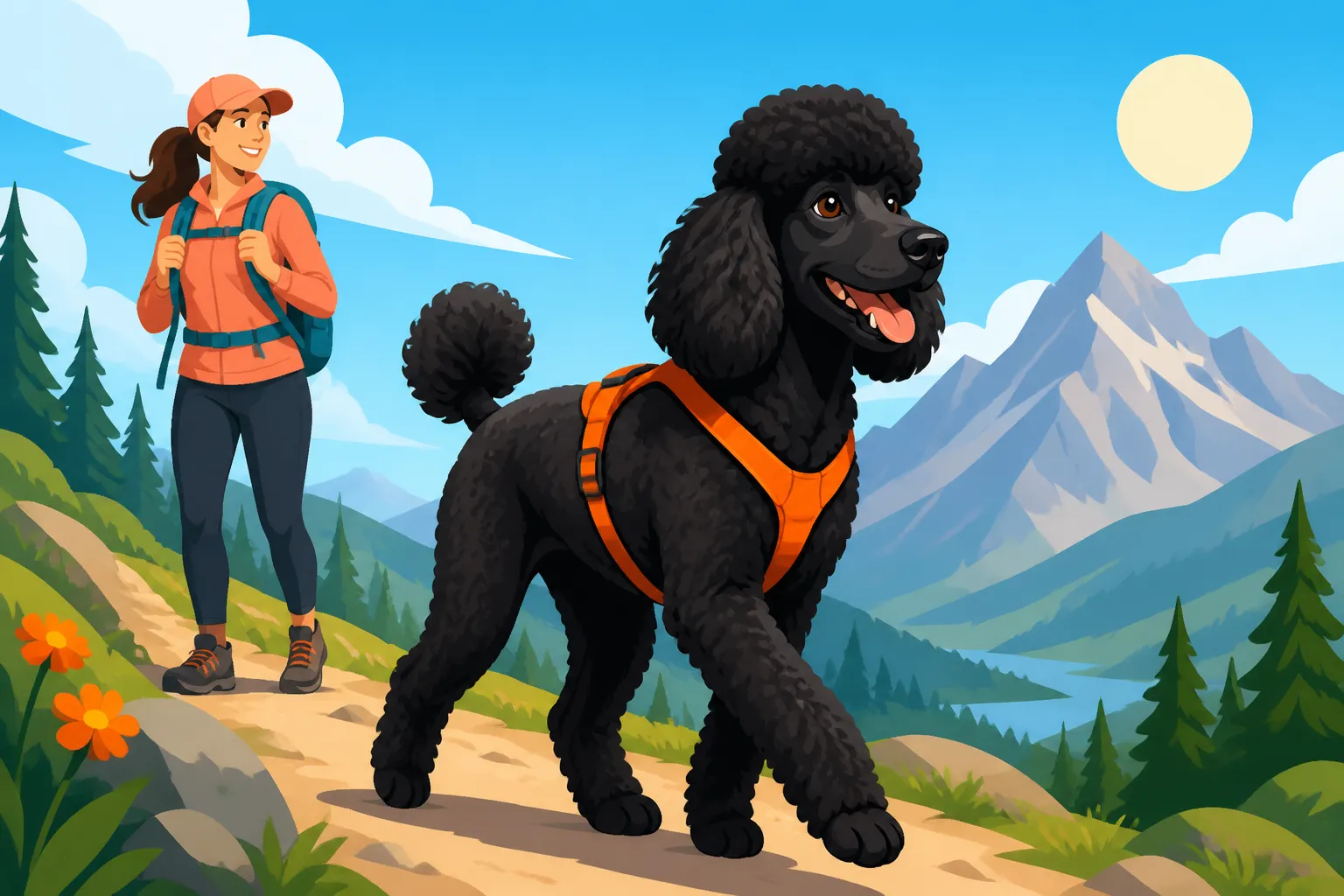
A secure and comfortable harness is paramount for hiking with a Standard Poodle. A well-fitting Y-front harness distributes pressure evenly across their chest, avoiding strain on their throat or neck, especially if they pull. Avoid standard collars for hiking, as a sudden jerk could injure their trachea or slip off if they back out of it. Look for harnesses made from durable, quick-drying materials with reflective stitching for low-light visibility. A six-foot lead is a good all-around choice, offering enough slack for exploration while maintaining control. For more open areas where recall is solid, a longer line can provide freedom, but always be mindful of other trail users and local leash laws. Leash Manners for a Standard Poodle are crucial, as is a reliable recall. No matter how well-trained your Poodle is, accidents happen, so ensure they wear ID tags with your contact information, and consider a microchip with up-to-date registration details. Many outdoor enthusiasts also use GPS trackers that attach to the collar for added peace of mind.
Water, Food, and First Aid
Hydration is non-negotiable for both you and your Poodle on the trail. Standard Poodles are active dogs, and they need plenty of water, especially on warm days or during strenuous hikes. Carry more water than you think you’ll need, along with a collapsible bowl. Don't rely solely on natural water sources, as they can be contaminated. For longer hikes, bring easily digestible, high-energy snacks or a portion of their regular kibble. Brands like Ollie offer fresh, high-quality food that can be a great energy booster for active dogs, or you can find a wide range of specialized hiking treats and compact kibble options on Chewy. Always pack a canine first-aid kit. This should include essentials like antiseptic wipes, sterile gauze, self-adhering bandages, tweezers (for splinters or ticks), paw balm, pain relief suitable for dogs (consult your vet first), and any personal medications your Poodle might need. It's a smart idea to take a pet first-aid course before venturing into remote areas.
Packs and Paw Protection
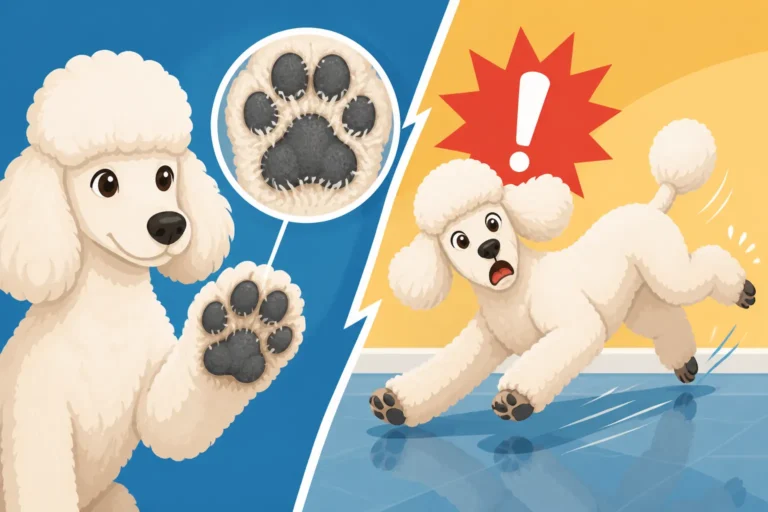
For longer hikes, a dog backpack can be a fantastic way for your Standard Poodle to carry some of their own gear, like extra water, food, or a collapsible bowl. This taps into their working dog instincts and provides additional mental stimulation. Ensure the pack fits properly, with weight distributed evenly, and don't overload it – a good rule of thumb is no more than 10-12% of their body weight for a well-conditioned dog. Start with an empty pack to let them get used to the feel, gradually adding weight. You can find a wide selection of durable dog backpacks on Amazon. Paw protection is another vital consideration, especially on rocky, hot, or abrasive trails. While Poodle pads are tough, prolonged exposure to rough terrain can lead to cuts, blisters, or excessive wear. Dog boots can offer excellent protection, but they require a breaking-in period to ensure your Poodle is comfortable walking in them. Alternatively, a good paw balm can help condition and toughen their pads over time, creating a protective barrier against minor irritants.
| Item Category | Essential Gear |
|---|---|
| Safety & ID | Y-front harness, 6-foot leash, ID tags, microchip, GPS tracker |
| Hydration | Plenty of fresh water, collapsible water bowl |
| Nutrition | High-energy snacks/kibble, specialized dog treats |
| First Aid | Antiseptic wipes, sterile gauze, self-adhering bandages, tweezers, paw balm |
| Comfort | Dog backpack (optional), dog boots (for rough terrain), cooling bandana |
| Grooming Aid | Detangling spray, small comb (for immediate burr removal) |
Trail Prep and Etiquette for Poodle Hikers
Getting ready for the trail involves more than just packing the right gear; it also means preparing your Poodle both mentally and physically, and understanding the responsibilities that come with sharing the outdoors. Respect for nature, other hikers, and wildlife is paramount.
Physical Conditioning and Training
Before tackling a challenging trail, your Standard Poodle needs to be physically conditioned. Start with shorter walks and gradually increase distance and difficulty. Incorporate different types of terrain during your regular walks to build their paw strength and coordination. If your Poodle is a puppy, be mindful of their developing joints; excessive exercise too early can cause harm. Consult your vet about appropriate exercise levels for growing puppies. For adult Poodles, consistency is key. Beyond physical fitness, solid obedience training is crucial. A reliable recall, a strong "leave it" command, and good Poodle Recall Training are non-negotiable for off-leash areas (where permitted) and for preventing unwanted encounters with wildlife or other hikers. Their Poodle Temperament and Sensitivity means they respond best to positive reinforcement, so make training fun and rewarding. Practice "stay" and "wait" commands, especially around trail junctions or narrow passes.
Choosing the Right Trail
Not all trails are created equal, and some are simply better suited for dogs than others. When planning your hike, research the trail beforehand. Look for information on:
- Leash Laws: Many parks and trails require dogs to be on a leash at all times. Always respect these rules.
- Terrain: Consider the type of ground – is it rocky, sandy, paved, or muddy? This will influence paw protection needs.
- Elevation Gain: Start with flatter trails and gradually work up to more challenging climbs.
- Length and Duration: Match the hike's length to your Poodle's fitness level. How Far a Standard Poodle Should Walk should increase incrementally.
- Water Access: Knowing if there are natural water sources (though always carry your own!) can help planning.
- Crowds: Busy trails can be stressful for some dogs, or increase the risk of unwelcome interactions.
- Wildlife: Be aware of local wildlife and potential hazards.
Avoid trails with excessive poisonous plants or areas known for aggressive wildlife if you can. If you're hiking in warmer weather, choose trails with plenty of shade and plan to hike during cooler parts of the day.
Leave No Trace and Wildlife Encounters
As responsible dog owners, we must adhere to Leave No Trace principles. This means packing out everything you pack in, including your Poodle's waste. Bring biodegradable bags and be prepared to carry used ones until you reach a proper disposal bin. Never bury dog waste, as it doesn't decompose quickly enough and can contaminate water sources and attract wildlife. Keep your Poodle under control at all times, whether on-leash or with impeccable recall. This prevents them from disturbing wildlife, chasing animals, or interfering with other hikers' experiences. If you encounter wildlife, maintain a safe distance and keep your Poodle close. Remember that even well-meaning interactions can stress animals. Furthermore, teaching your Poodle to ignore distractions and stay focused on you will make for a more peaceful hike. Teaching a Poodle to Retrieve is a great way to bond but ensure it's done in appropriate areas where it won't disturb others or wildlife.
Post-Hike Care and Recovery
After a rewarding day on the trails, your Standard Poodle will need a bit of TLC to ensure they recover well and are ready for the next adventure. This crucial final step often involves a thorough check-over and some much-needed pampering.
Checking for Ticks and Injuries
The moment you get home, before your Poodle even settles down, perform a head-to-tail inspection. This is perhaps the most important part of post-hike care, especially in areas known for ticks. Standard Poodles, with their dense coats, can easily hide these tiny hitchhikers. Run your hands over their entire body, paying close attention to warm, hidden areas like armpits, groin, behind the ears, and between their paw pads. If you find a tick, remove it carefully with tweezers, grasping it as close to the skin as possible and pulling straight out. Look for any cuts, scrapes, thorns, or blisters on their paw pads. Check their nails for cracks or tears. Examine their eyes for irritation from dust or debris, and gently check inside their ears for dirt or foreign objects. Their drop ears can sometimes trap moisture and debris, increasing the risk of Ear Infections Under a Poodle's Drop Ears. Address any minor injuries with your first-aid kit, and contact your vet if anything looks serious or causes prolonged discomfort.
Cleaning and Coat Maintenance
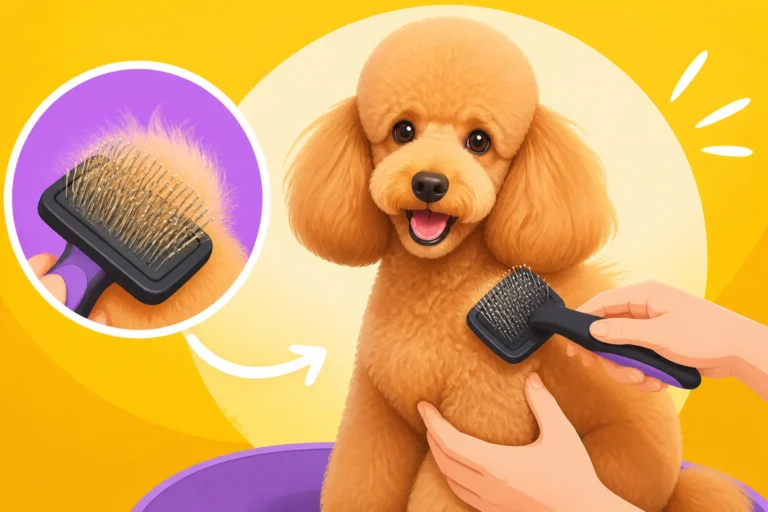
Once you've done the health check, it's time for a good clean-up. Even a short-clipped Poodle will likely have collected some trail debris. Start by thoroughly brushing their coat to remove any loose dirt, burrs, or small twigs. Pay extra attention to areas that tend to mat easily, like behind the ears, armpits, and under the tail. A good detangling spray can be a lifesaver here. Depending on how muddy or dirty they got, a full bath might be in order. Use a gentle dog shampoo and conditioner, ensuring you rinse thoroughly to prevent skin irritation. Bathing and Drying a Poodle properly is crucial to prevent matting. If a full bath isn't needed, a quick rinse of their legs and belly, followed by thorough drying, might suffice. Always make sure their coat is completely dry to prevent skin issues. Sometimes, despite your best efforts, your Poodle might develop Poodle Allergies and Skin Reactions after exposure to certain plants on the trail. Keep an eye out for excessive itching or redness.
Rest and Replenishment
After all that exertion, your Standard Poodle will be tired and hungry. Offer them a generous meal of their regular high-quality food, which you can easily order from Chewy or ensure you have enough of their fresh Ollie meals. Ensure they have access to plenty of fresh water to rehydrate. Create a comfortable, quiet space for them to rest and sleep. Don't be surprised if they sleep more deeply or longer than usual in the day or two following a strenuous hike; their body is recovering. Just like human athletes, dogs need downtime for muscle repair and energy replenishment. Monitor their appetite, thirst, and energy levels over the next 24-48 hours. Any significant changes could indicate an underlying issue, like dehydration or muscle soreness. For Caring for an Aging Poodle, adjust hike length and intensity accordingly, and pay extra attention to recovery.
Hiking with your Standard Poodle can be an incredibly enriching experience for both of you, forging a stronger bond and providing them with much-needed physical and mental stimulation. With proper preparation, the right gear, and diligent post-hike care, your elegant Poodle can transform into a happy, adventurous trail companion, proving that they are indeed much more than just a pretty curl.
Disclaimer
This article is for general informational purposes only and does not constitute professional advice. Laws, prices and regulations vary by location and change over time. Consult a qualified professional for guidance on your specific situation.