Swimming With a Poodle Bred to Retrieve
It's a common misconception that Poodles are just fancy show dogs, all fluff and no substance. Many people overlook their incredible heritage as dedicated water retrievers, a lineage that still thrives in their hearts and bodies today. If you've ever wondered how to tap into that natural instinct and share the joy of swimming and retrieving with your Poodle, you've come to the right place. This guide will walk you through everything you need to know to safely and effectively encourage your Poodle's innate love for the water, turning swim time into an enriching experience for both of you.
Understanding the Poodle's Natural Affinity for Water
Let's dispel a myth right from the start: Poodles weren't originally bred to parade around in elaborate clips, though they certainly excel at it! Their history is deeply rooted in rugged, practical work, specifically retrieving waterfowl from cold, often rough waters. This heritage isn't just a fun fact; it explains so much about their physical build, their intelligence, and their natural inclination towards splashing around.
The Historical Role of Poodles as Water Retrievers
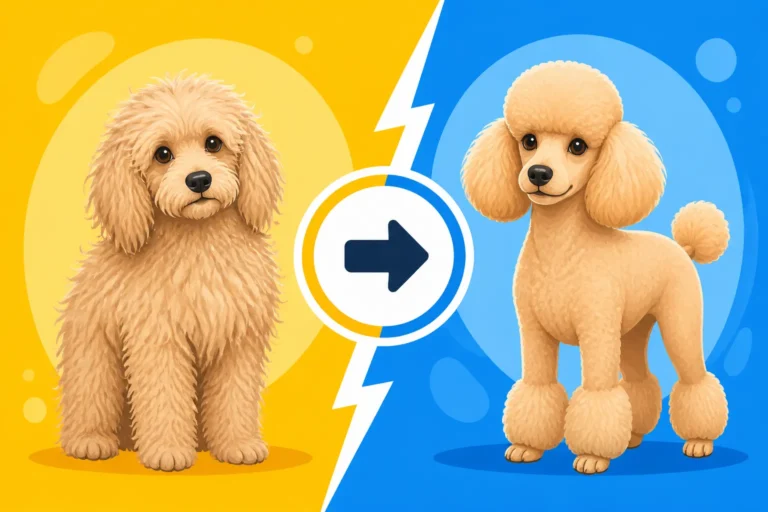
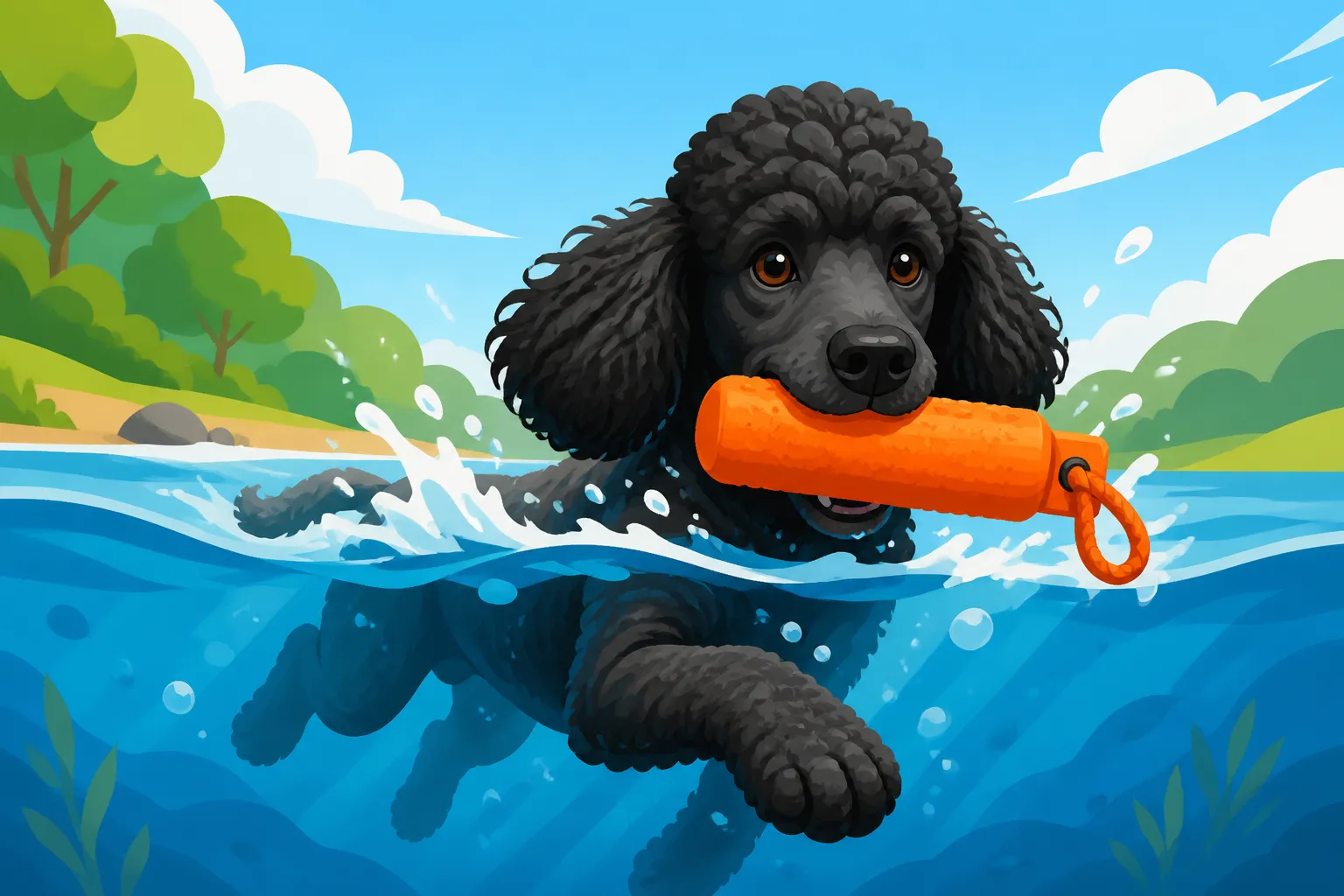
Imagine a hunter in Europe centuries ago, needing a dog that could brave icy lakes and rivers to bring back downed ducks and geese. That's the Poodle. The word "Poodle" itself comes from the German word "Pudel" or "Pudeln," which means "to splash in water." This isn't just a happy coincidence; it's a direct reference to their primary job. Their dense, curly, water-resistant coat was a perfect insulator, protecting them from the elements. The traditional Poodle clip, with its shaved hindquarters and joint poms, wasn't about fashion; it was a functional design to reduce drag in the water while keeping vital organs and joints warm. It allowed them to move efficiently and stay protected, a true testament to their working-dog status. For a deeper dive into their origins, check out The Water Dog Behind the Poodle.
They weren't just strong swimmers; they were intelligent partners. Retrieving isn't just about fetching; it requires problem-solving, focus, and a strong bond with their handler. Poodles brought all these qualities to the table, making them highly valued by hunters. This powerful retrieving instinct is still very much alive in our modern Poodles, regardless of their size. It's an inherent drive that can provide immense satisfaction for both dog and owner when properly channeled.
Instinctive Behaviors That Make Poodles Natural Swimmers
Beyond their historical role, Poodles possess several physical and behavioral traits that make them exceptional in the water. First, their bodies are built for it. They have a strong, athletic build, especially the Standard Poodle, with powerful hindquarters that propel them through water with ease. Their webbed feet, a common trait in many water breeds, give them an extra advantage, acting like natural paddles. You might not notice the webbing until you look closely, but it's there, a silent nod to their ancestors.
Behaviorally, Poodles often display a natural curiosity and lack of fear around water, which isn't true for all dog breeds. Many will enthusiastically wade in, enjoying the sensation of the cool water on their paws. This isn't to say every Poodle will immediately leap into the deep end, but the foundation for water enjoyment is usually present. They love to carry things in their mouths, another manifestation of their retrieving instinct, and combining this with water play is a match made in heaven. This inherent drive to retrieve, which you can learn more about in The Poodle's Retrieving Instinct, combined with their physical attributes, means most Poodles are ready and willing to embrace swimming once given the chance.
Preparing Your Poodle for a Safe and Enjoyable Swim
While Poodles are naturally inclined towards water, that doesn't mean you should just toss them into the nearest lake. A gradual, positive introduction, coupled with the right gear and safety measures, ensures that their water experiences are always happy ones.
Introducing Your Poodle to Water
The key to a Poodle who loves swimming is making the first few experiences incredibly positive and stress-free. Start small, perhaps in your backyard with a shallow kiddie pool. Let them explore it at their own pace. Toss in a favorite floating toy and encourage them to wade in and get it. Never force them into the water. If they seem hesitant, sit by the edge and gently splash your own hands, making it look like fun. Use a calm, encouraging voice. Some Poodles, especially sensitive ones, might be wary of new experiences, so patience is paramount.
Once they're comfortable with shallow water, you can move to a larger, calmer body of water like a quiet section of a lake or a shallow, slow-moving creek. Choose a warm day. Look for a gradual entry point where they can walk in themselves, rather than having to jump. A long lead can be helpful here, allowing them some freedom to explore while still keeping them safe. Keep the first few sessions short and sweet, ending on a high note before they get tired or bored. The goal is to build confidence and associate water with fun and positive reinforcement. You can find more tips on getting started in Introducing a Poodle to Water.
Essential Gear for Poodle Water Adventures
Having the right equipment can make all the difference in both safety and enjoyment.
- Life Vest: This is a non-negotiable item, especially for Poodles new to swimming or for any extended water activity. Even strong swimmers can tire, hit currents, or encounter unexpected hazards. A good life vest will keep your Poodle buoyant, allow them to swim more easily, and often has a handle on the back for easy lifting if needed. Look for one with good adjustability and bright colors for visibility. Brands like Ruffwear or Outward Hound offer excellent options that you can find easily on Amazon or Chewy.
- Floating Toys: Regular fetch toys often sink. Invest in toys specifically designed to float and be highly visible in water. Bright oranges, yellows, or greens are best. Durable rubber or foam toys that can withstand some chewing are ideal. You'll want something that's easy for your Poodle to grab and carry in their mouth.
- Long Line/Leash: For open water or unfamiliar areas, a long, waterproof line is invaluable. It allows your Poodle to explore and swim while giving you control and the ability to guide them back to shore if necessary. Avoid retractable leashes in this context, as they can be dangerous around water.
- Towels: Lots of them! Poodle coats absorb a surprising amount of water. You'll want a quick-drying towel for immediately after the swim and possibly an extra one for the car ride home.
- Fresh Water: Always bring fresh drinking water for your Poodle. They will inevitably swallow some lake or ocean water, but offering fresh water helps prevent them from drinking too much potentially contaminated natural water, which can lead to stomach upset.
| Item | Purpose | Key Features to Look For |
|---|---|---|
| Life Vest | Safety, buoyancy, reduces fatigue | Bright color, reflective strips, sturdy handle, adjustable straps |
| Floating Toys | Encourages retrieval, provides mental stimulation | High visibility (bright colors), durable, easy to grip, floats well |
| Long Line | Safety, control, exploration in open water | Waterproof material, comfortable handle, appropriate length |
| Towels | Drying, preventing matting | Quick-drying microfiber, large size |
| Fresh Water | Hydration, prevents ingesting natural water | Portable bowl, ample supply |
Maximizing the Retrieving Instinct in the Water
Once your Poodle is comfortable in the water, it's time to truly harness that incredible retrieving instinct! This is where the fun really begins, transforming a simple swim into an engaging, instinct-fulfilling activity.
Choosing the Right Toys for Water Retrieval
The type of toy you use for water retrieval can significantly impact your Poodle's success and enjoyment. Forget the tennis balls that quickly become waterlogged and sink, or the dark-colored toys that disappear against the murky bottom of a lake.
You need toys that:
- Float Reliably: This is paramount. If the toy sinks, the game is over, and your Poodle might get frustrated.
- Are Highly Visible: Bright, contrasting colors like neon green, safety orange, or bright yellow stand out against water, especially in dappled light or cloudy conditions. This makes it easier for your Poodle to spot their target.
- Are Durable: Poodles have strong jaws, and retrieving often involves a fair bit of excited chewing. Choose toys made from robust rubber, hard plastic, or dense foam that won't fall apart after a few retrieves. Brands like Kong or Chuckit! make excellent floating toys designed for active play. You can easily browse these on Chewy.
- Are the Right Size: The toy should be large enough to be easily seen and retrieved, but not so big that it's awkward for your Poodle to carry comfortably. Consider your Poodle's size – a Toy Poodle will need a smaller toy than a Standard.
Think about a floating dummy, a retrieving bumper, or a frisbee specifically designed for water play. These often mimic the size and feel of game birds, appealing directly to your Poodle's innate drive.
Step-by-Step Water Retrieval Training
Training your Poodle to retrieve from the water is a gradual process that builds on positive experiences. Remember, the goal is always fun and success.
- Start on Land: Ensure your Poodle has a solid "fetch" or "retrieve" command on dry land first. They should happily bring the toy back to you and release it. If they need work on this, focus on it before introducing water. Teaching a Poodle to Retrieve is a great resource here.
- Shallow Water Introduction: With your Poodle wearing their life vest, go to a spot with very shallow, calm water. Toss a highly visible floating toy just a few feet away, where they can easily walk to it. Encourage them with enthusiastic praise and their retrieval cue. When they bring it back, reward them generously with a high-value treat and verbal praise. Make it a huge party!
- Gradually Increase Depth: Once they are confidently retrieving in ankle-deep water, slowly increase the distance and depth of the throw. Toss the toy slightly further out, requiring them to take a few swimming strokes. Stay close by, offering constant encouragement. If they hesitate, reel them back into shallower water. We want them to build confidence, not fear.
- Make it a Game: Keep the sessions playful and positive. Use multiple toys so you can keep the retrieve going without long waits. Poodles are smart and can get bored quickly if there's too much downtime. Keeping their mind occupied is key, as discussed in Keeping a Poodle Mind Occupied. Celebrate every successful retrieve with gusto!
- Vary the Environment: Once they're proficient in one location, try different, safe water bodies. This helps generalize the skill and keeps things interesting. Be mindful of new surroundings and potential distractions.
- Add Challenges (Optional): For advanced Poodles, you can introduce slight currents, more varied terrain around the water's edge, or even train them to retrieve from a boat if that's something you're interested in. Always prioritize safety over complexity. Remember, Why Poodles Retrieve So Naturally explains why this comes so easily to them, and leaning into that natural drive will make training much smoother.
Important Safety Considerations and Aftercare
Having fun in the water with your Poodle is wonderful, but safety should always be your top priority. After the swim, proper care is also essential to keep their unique coat and ears healthy.
Water Safety Rules and Supervision
Water can be unpredictable, and even the strongest swimmers can get into trouble.
- Constant Supervision: Never leave your Poodle unsupervised near any body of water, no matter how calm it appears. Accidents can happen in an instant.
- Check Water Conditions: Before allowing your Poodle to swim, assess the water. Is the current too strong? Are there sharp rocks, submerged logs, or other hazards? Is the water quality good (avoid stagnant water or areas with known algae blooms)? Are there any signs of harmful bacteria?
- Temperature Matters: On hot days, water can be a great way to cool down, but beware of extreme cold. Hypothermia can be a risk, especially for smaller Poodles or if they stay in too long.
- Pace Yourself: Poodles, especially young puppies or older dogs, can get tired quickly. Start with short swimming sessions and gradually increase the duration as their stamina improves. Watch for signs of fatigue like lagging behind, heavy panting, or struggling to keep their head above water. End the session before they're exhausted.
- Ingesting Water: While Poodles will inevitably swallow some water, try to minimize it. Ingesting too much lake water can lead to gastrointestinal upset or even water intoxication in severe cases. Always have fresh drinking water available to encourage them to quench their thirst with clean water instead.
- Other Water Users: Be mindful of other people and animals in the water. Ensure your Poodle's presence doesn't disturb others, and keep them under control, especially if there are children or other dogs around.
Post-Swim Care for Your Poodle's Coat and Health
A Poodle's coat is a marvel, but it requires specific care after swimming to prevent problems like matting and skin irritation. Their drop ears are also prone to issues if not properly managed.
- Thorough Rinsing: This is critical, especially if your Poodle has swum in chlorinated pools, saltwater, or murky natural water. Chlorine and salt can dry out and damage their coat and skin. Murky water can contain bacteria or irritants. Rinse your Poodle thoroughly with clean, fresh water as soon as possible after swimming. Focus on getting all traces of chemicals or debris out of their dense coat. More details on this can be found in Rinsing Chlorine From a Poodle Coat.
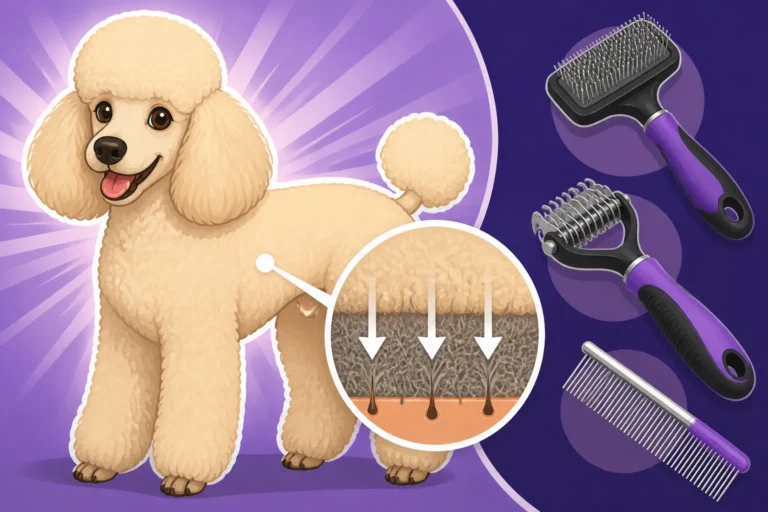
- Drying the Coat: Once rinsed, the drying process begins. Do not let a Poodle air dry, especially if their coat is long, as this almost guarantees matting and can lead to skin issues. Use absorbent towels to remove as much moisture as possible, then use a dog-specific high-velocity dryer (if your Poodle is accustomed to one) or a warm hairdryer on a low setting. Brush the coat as you dry to prevent tangles and ensure it dries straight, right down to the skin. Pay special attention to the areas prone to matting, like behind the ears, armpits, and groin. For tools, refer to What a Poodle Owner Spends on Blades and Shampoo.
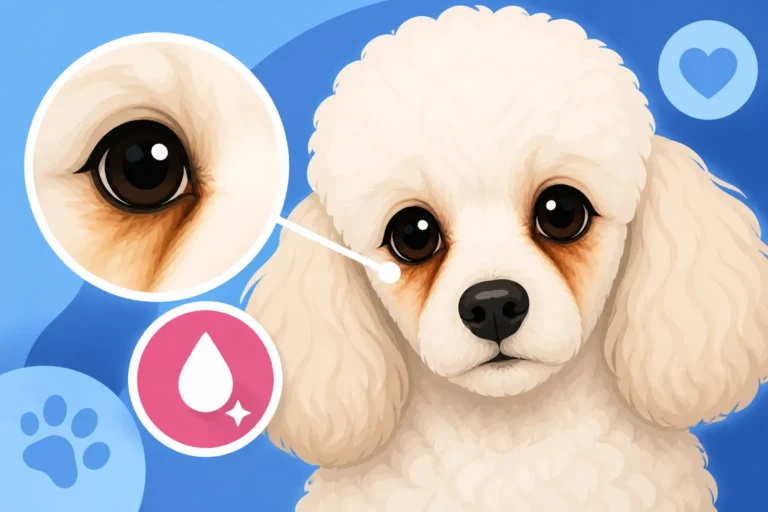
- Ear Care: Poodles have drop ears, which create a warm, moist environment perfect for yeast and bacteria to thrive, especially after getting wet. After every swim, thoroughly clean and dry their ears. Use a cotton ball or pad with a veterinarian-approved ear cleaner to gently wipe the visible parts of the ear canal. For more in-depth guidance, see Cleaning a Poodle's Ears After a Bath or Plucking and Cleaning Poodle Ears. Watch for any signs of redness, foul odor, or excessive scratching, which could indicate an ear infection. Ignoring ear care can lead to painful and recurring problems, so preventative measures are key to avoiding issues like those discussed in Ear Infections Under a Poodle's Drop Ears.
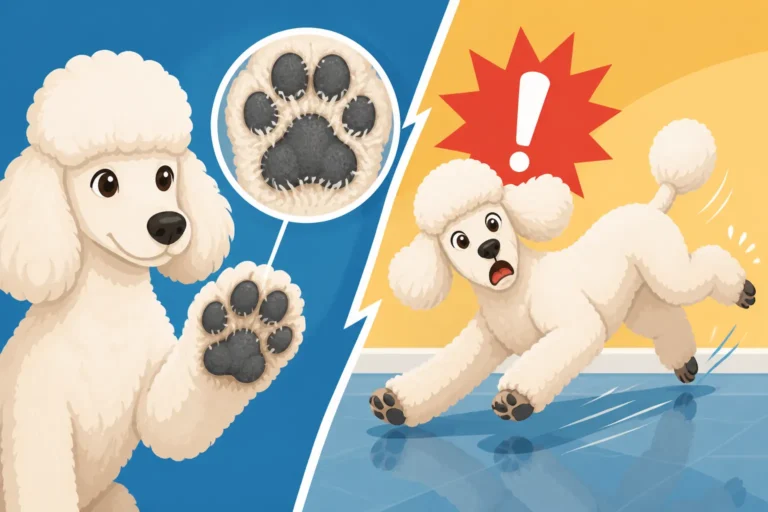
- Paw Check: After any outdoor activity, especially in water, check your Poodle's paw pads for cuts, abrasions, or anything lodged between their toes. Their paw pads can soften in water, making them more susceptible to injury.
- Skin Check: Occasionally part your Poodle's coat and check their skin for any irritation, redness, or bumps. Sometimes environmental allergens or waterborne irritants can cause reactions.
- Nutrition for Active Dogs: An active Poodle who swims and retrieves will have different nutritional needs than a sedentary one. Ensure they are getting a high-quality diet that supports their energy levels and coat health. Brands like Ollie offer fresh, human-grade food that can be excellent for maintaining an active Poodle's health and vitality. Discussing their activity level with your vet can help you tailor their diet appropriately.
By understanding your Poodle's deep-seated connection to water, preparing correctly, training positively, and prioritizing their safety and aftercare, you can unlock a world of shared joy and activity. There’s truly nothing quite like seeing a Poodle confidently and joyfully plunge into the water, embracing the very purpose for which their ancestors were bred.
Disclaimer
This article is for general informational purposes only and does not constitute professional advice. Laws, prices and regulations vary by location and change over time. Consult a qualified professional for guidance on your specific situation.