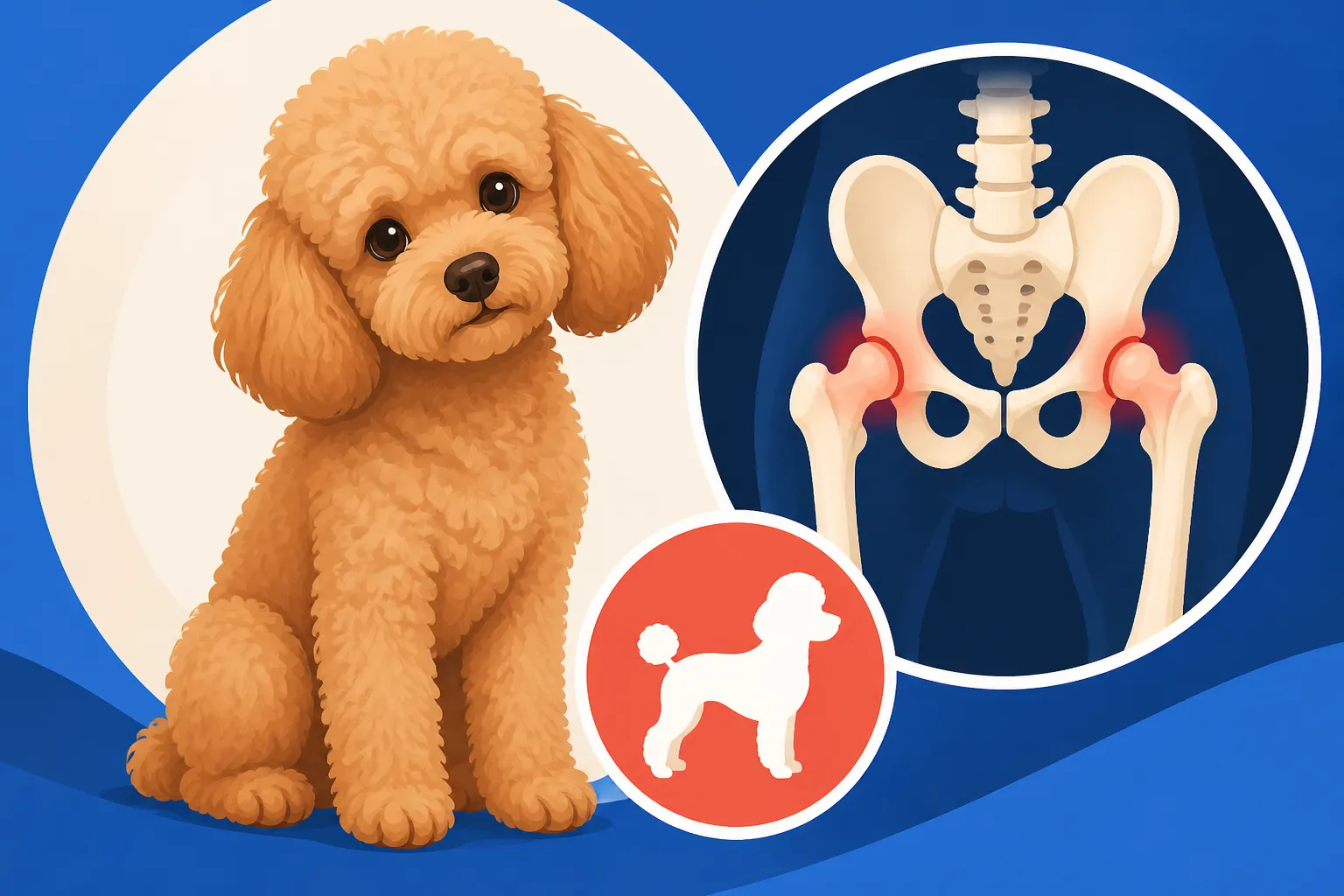
Whether Miniature Poodles Get Hip Dysplasia
It’s a common misconception that hip dysplasia is solely a problem for giant breeds like German Shepherds or Golden Retrievers. Many Poodle owners, especially those with smaller varieties like Miniatures, breathe a sigh of relief, thinking their compact companions are entirely exempt from such bone and joint issues. However, the truth is a bit more nuanced, and understanding the reality of hip dysplasia in Miniature Poodles is crucial for any responsible owner looking to ensure their beloved dog lives a long, comfortable life. This guide will meticulously break down what hip dysplasia is, its prevalence in Miniature Poodles, how to spot the signs, and what steps you can take to manage or prevent it.
Understanding Canine Hip Dysplasia
Before we dive into the specifics of Miniature Poodles, let’s get a clear picture of what hip dysplasia actually entails. It’s not just a fancy medical term; it’s a painful reality for many dogs and their devoted families.
What is Hip Dysplasia?
Hip dysplasia is a developmental condition where the hip joint doesn't form correctly. Think of a ball-and-socket joint: the "ball" is the head of the femur (thigh bone), and the "socket" is part of the pelvis (acetabulum). In a healthy hip, these two fit together snugly, allowing for smooth, fluid movement. With hip dysplasia, this fit is loose, or the bones themselves are malformed.
Over time, this poor fit leads to instability in the joint. The "ball" can move around too much within the "socket," causing friction and wear. This constant grinding and abnormal pressure eventually lead to degenerative joint disease, also known as osteoarthritis. The body tries to compensate by laying down new bone, which often makes the joint even less functional and more painful.
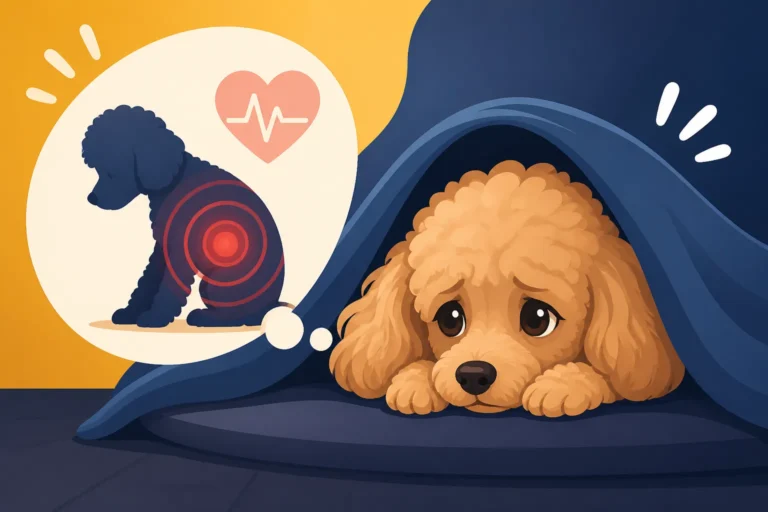
The consequence for your dog is chronic pain, stiffness, and reduced mobility. It's heartbreaking to watch your once energetic Poodle struggle to get up, climb stairs, or even just enjoy a leisurely walk. The progression of the disease can vary greatly, from mild discomfort to severe lameness, profoundly impacting a dog's quality of life.
Common Breeds Affected by Hip Dysplasia
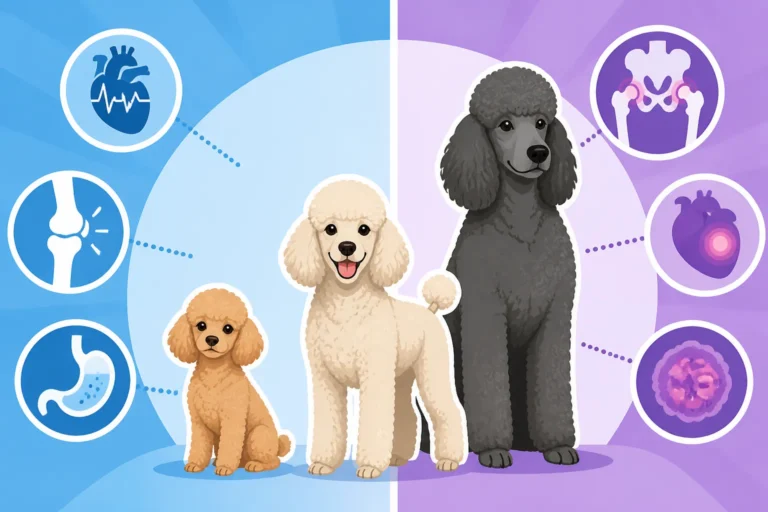
When you hear "hip dysplasia," your mind probably jumps straight to those large, majestic breeds. And you wouldn't be wrong. Breeds like Labrador Retrievers, Golden Retrievers, German Shepherds, Rottweilers, and Great Danes are indeed notoriously prone to hip dysplasia. Their rapid growth rates and heavier body weights put significant stress on developing joints, making them highly susceptible.
The sheer size and robust build of these dogs mean their joints bear a heavier load, exacerbating any underlying genetic predisposition. This is why breeders of these larger dogs are often stringent about hip screening, performing evaluations like those certified by the Orthopedic Foundation for Animals (OFA) or PennHIP. These certifications are a critical tool for ethical breeders to try and reduce the incidence of hip dysplasia in future generations.
It's this strong association with large breeds that often leads smaller dog owners, including those with Miniature Poodles, to believe their dogs are immune. But while the prevalence is certainly higher in the giants, dismissing the risk entirely for smaller breeds is a mistake that could cost your dog comfort and health down the line.
Miniature Poodles and Hip Dysplasia: The Reality
So, let's address the elephant in the room – or rather, the Miniature Poodle in the living room. Do these elegant, medium-sized dogs get hip dysplasia? The short answer is yes, they can.
Is it Common in Miniature Poodles?
No, hip dysplasia is not common in Miniature Poodles in the same way it is in, say, a German Shepherd. The statistics show a significantly lower incidence rate. Their lighter build and slower, less strenuous growth period compared to Standard Poodles mean their joints aren't subjected to the same biomechanical stresses during critical developmental phases. This is a significant advantage.
However, "less common" does not mean "never." Miniature Poodles still possess the genetic potential for hip dysplasia, albeit usually to a lesser degree or with less severe clinical signs than their larger counterparts. The structure of their hip joints can still be imperfect, leading to laxity and the subsequent wear and tear. It’s a bit like saying a compact car is less likely to have engine trouble than a heavy-duty truck; while generally true, both can still develop engine problems.
The frustration here is that because it's less common, owners and sometimes even less experienced veterinarians might initially overlook hip dysplasia in a Miniature Poodle. This can lead to delayed diagnosis and treatment, allowing the condition to progress further before intervention. So, while you might not worry about it as much as bloat in a Standard Poodle, it's still worth keeping on your radar.
Genetic Predisposition and Responsible Breeding
At its core, hip dysplasia is largely a genetic disease. This means it's passed down from parent dogs to their puppies. While environmental factors like diet, exercise, and rapid growth can influence the expression and severity of the disease, the underlying blueprint comes from genetics. This is why selecting a puppy from a responsible breeder is paramount, regardless of breed size.
A truly ethical Miniature Poodle breeder will be transparent about the health history of their breeding stock. They won't just tell you their dogs are "healthy"; they'll provide concrete evidence. This means screening their breeding dogs for hip dysplasia through official channels like the Orthopedic Foundation for Animals (OFA) or PennHIP. OFA evaluates X-rays of the hips and assigns a rating (Excellent, Good, Fair being passing grades). PennHIP provides a quantitative measure of hip laxity, which is often considered a more predictive indicator of future hip dysplasia.
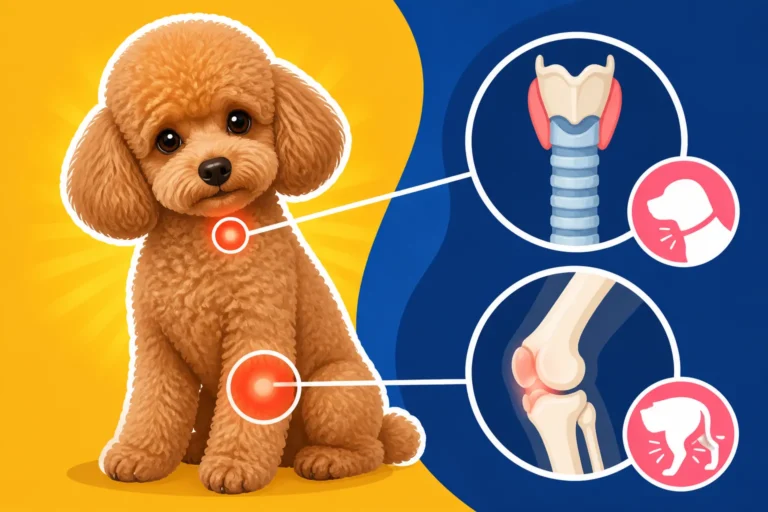
When you're looking for a puppy, don't be shy about asking to see these certifications for both parents. A good breeder will be proud to share them. They understand that their commitment to health testing not only benefits their puppies but also upholds the integrity of the breed. This meticulous approach to breeding is the single most important factor in reducing the risk of your Miniature Poodle developing hip dysplasia or other inherited conditions like Luxating Patella in Toy and Miniature Poodles or even ensuring they test for Full Thyroid Panels Poodle Breeders Order. Remember, a breeder who shrugs off health testing is a red flag, plain and simple.
Recognizing the Signs and Seeking Diagnosis
Because hip dysplasia can manifest differently and less dramatically in Miniature Poodles, recognizing the signs can be a bit like detective work. Owners must be attuned to subtle changes in their dog's behavior and movement.
Subtle Symptoms to Watch For
In larger breeds, hip dysplasia often presents as obvious lameness, a "bunny hop" gait, or difficulty rising. In a Miniature Poodle, these signs might be far less pronounced. You might notice a general reluctance to engage in activities they once loved. For example, your normally playful Miniature Poodle might hesitate before jumping onto the sofa, or perhaps they start avoiding stairs. This isn't just them being "lazy"; it could be a subtle sign of discomfort.
Look for a decrease in activity level or enthusiasm for walks. They might be slower to get up after resting, or appear stiff, especially after a long nap or in colder weather. Sometimes, you'll see a slight limp that seems to come and go, or a subtle shift in their posture when standing, perhaps holding their hind legs closer together. Your Poodle might even start to gain weight because they are moving less, which only exacerbates joint pain. Learning to distinguish these subtle cues is part of Reading Pain in a Sensitive Poodle.
Another common sign, even in smaller dogs, is muscle atrophy in the hindquarters. If the hip joint isn't being used properly due to pain, the muscles around it will start to weaken and shrink. You might notice that their hind legs look less muscular than their front legs. These changes can be gradual, making them easy to miss if you're not specifically looking for them. Any persistent change in gait, activity level, or demeanor warrants a veterinary visit.
The Diagnostic Process
If you suspect your Miniature Poodle might be experiencing hip pain, the first and most important step is a visit to your veterinarian. Don't try to self-diagnose or wait it out. Early intervention can make a significant difference in managing the condition and improving your dog's long-term comfort.
Your vet will start with a thorough physical examination. They'll observe your Poodle's gait, manipulate their hips to check for pain, laxity, and range of motion, and assess muscle condition. During this exam, they might perform what's called an Ortolani maneuver, which involves gently pushing the hip bone to feel for a "clunk" as the femoral head slips in and out of the socket. While this test is more indicative in younger dogs with significant joint laxity, it can still provide valuable clues.
The definitive diagnostic tool for hip dysplasia is radiography, or X-rays. Your vet will likely recommend taking X-rays of your Poodle's hips, often with sedation or light anesthesia to ensure proper positioning and minimize discomfort for your dog. These images allow the vet to visualize the bone structure, assess the fit of the ball and socket, and look for signs of degenerative joint disease like bone spurs or remodeling. The X-rays will often be sent to a veterinary radiologist for expert interpretation, providing a clear picture of the severity and extent of the dysplasia.
Managing and Treating Hip Dysplasia in Miniature Poodles
Once a diagnosis of hip dysplasia is confirmed, it's natural to feel overwhelmed. But take heart: there are many effective ways to manage this condition, allowing your Miniature Poodle to live a happy and comfortable life. The approach will depend on the severity of the dysplasia and your dog's individual needs.
Conservative Management Options
For many Miniature Poodles, especially those with mild to moderate hip dysplasia, conservative management is the first line of treatment. This non-surgical approach focuses on pain relief, reducing inflammation, and supporting joint health. Your vet might prescribe Non-Steroidal Anti-Inflammatory Drugs (NSAIDs) like carprofen (Rimadyl) or meloxicam (Metacam) to alleviate pain and swelling. These medications can significantly improve comfort and mobility.
Beyond medication, several other conservative strategies are key. Weight management is absolutely critical. Even a few extra pounds put immense strain on compromised joints, accelerating wear and tear. Working with your vet to achieve and maintain an ideal body weight is paramount to preventing Poodle Obesity and Its Consequences. Regular, controlled exercise, rather than sporadic intense bursts, helps strengthen supporting muscles without overstressing the joints. Think short, frequent walks on soft surfaces, rather than long runs on pavement. You should also be careful about Whether a Poodle Puppy Should Jog too early, as this can affect joint development.
Physical therapy, including hydrotherapy (swimming), can also be incredibly beneficial. Swimming provides excellent low-impact exercise, building muscle mass without bearing weight on the joints. Additionally, supplements like glucosamine, chondroitin, and Omega-3 fatty acids, often found in formulations like Cosequin or Dasuquin, can help support cartilage health and reduce inflammation. These Joint Supplements Worth Giving a Poodle can be a valuable part of a long-term management plan.
Surgical Interventions When Necessary
For Miniature Poodles with severe hip dysplasia, or those who don't respond adequately to conservative management, surgical intervention might be the best option. While the thought of surgery is daunting, these procedures can dramatically improve a dog's quality of life, eliminating pain and restoring function.
One common surgical procedure, particularly in smaller dogs, is Femoral Head Ostectomy (FHO). In an FHO, the "ball" portion of the femur (femoral head) is removed. The body then forms a "false joint" of scar tissue, which, while not a perfect anatomical joint, eliminates the painful bone-on-bone grinding. This allows the dog to move without pain, relying on strong musculature to support the limb. FHOs are often very successful in smaller, lighter dogs like Miniature Poodles because their lower body weight makes it easier for the scar tissue joint to bear the load.
Another, more complex, but highly effective option is a Total Hip Replacement (THR). This is essentially the same procedure humans undergo, where the damaged ball and socket are replaced with artificial implants made of metal and plastic. THR offers the best chance of restoring near-normal hip function and completely eliminating pain. However, it's a more invasive and costly procedure, typically performed by specialist orthopedic surgeons. While it's more commonly performed on larger breeds, it can be an option for Miniature Poodles if the resources and surgical expertise are available. Your veterinary surgeon will discuss the pros and cons of each option based on your Poodle's specific condition and your family's circumstances.
The Role of Lifestyle and Preventative Care
Beyond specific treatments, your Poodle's daily lifestyle plays a monumental role in managing hip dysplasia and, ideally, preventing its severe onset. Maintaining a healthy weight, as mentioned, is non-negotiable. Obesity significantly worsens joint conditions, so diligent portion control and appropriate calorie intake are essential. If you have a puppy, you want to ensure Why a Standard Poodle Puppy Should Grow Slowly, and the same principles apply to miniatures to support healthy joint development.
Regular, moderate exercise keeps muscles strong, supporting the joint and preventing stiffness. Avoid high-impact activities like excessive jumping or sudden, sharp turns, especially on slippery surfaces. Providing ramps or steps for access to furniture can help reduce strain on their hips. A supportive, orthopedic dog bed can also offer comfort and reduce pressure on painful joints during rest.
Furthermore, early detection through regular veterinary check-ups is vital. Your vet can monitor for any subtle signs of joint discomfort during routine physicals and catch issues before they escalate. While not always a preventative measure for hip dysplasia itself, ensuring your Poodle is up-to-date on Poodle Vaccination and Preventive Schedule and has comprehensive care supports their overall health, making them more resilient to any health challenges that arise. Proactive care, from the moment you bring your Miniature Poodle home, sets the stage for a lifetime of better joint health.
The Financial Aspect of Hip Dysplasia Treatment
Dealing with hip dysplasia isn't just emotionally taxing; it can also be a significant financial burden. Understanding the potential costs upfront can help you prepare and make informed decisions about your Poodle's care.
Understanding the Costs Involved
The cost of diagnosing and treating hip dysplasia can vary widely depending on the severity of the condition, the chosen treatment path, and your geographical location. Initial diagnostic costs, including veterinary consultations, sedation, and X-rays, can range from a few hundred dollars to upwards of $1,000. These are just to get a clear picture of what's going on.
If conservative management is chosen, ongoing expenses will include regular medication (NSAIDs, pain relievers), which can be $30-$100 per month or more, depending on the specific drug and dosage. Physical therapy sessions, including hydrotherapy, can add another $50-$150 per session, with many dogs needing multiple sessions weekly initially. Supplements, while not always expensive individually, add up over a lifetime. Overall, conservative management can easily cost several hundred to a few thousand dollars per year.
Should surgery become necessary, the costs escalate significantly. A Femoral Head Ostectomy (FHO) can range from $1,500 to $4,000 per hip. A Total Hip Replacement (THR), being a more complex procedure involving specialized implants, typically costs between $4,000 and $7,000 per hip. And remember, these figures often don't include pre-surgical bloodwork, post-operative pain medication, or extensive rehabilitation. This is where the financial strain truly hits, often catching owners off guard.
Pet Insurance Considerations
Given the potentially high costs associated with conditions like hip dysplasia, pet insurance can be a financial lifeline for many Poodle owners. Pet insurance works by reimbursing you for a portion of your veterinary bills, significantly easing the financial pressure when unexpected health issues arise. However, it's crucial to understand how pet insurance handles hereditary and pre-existing conditions.
Most pet insurance policies, including reputable providers like Healthy Paws, will cover hereditary conditions like hip dysplasia, provided the policy was in force before any symptoms of the condition were observed or diagnosed. This is the golden rule of pet insurance: you need to enroll your Poodle when they are young and healthy, before any signs of hip dysplasia appear. If your Poodle shows signs or is diagnosed with hip dysplasia before or during the policy's waiting period, it will likely be considered a pre-existing condition and therefore excluded from coverage.
When comparing policies, look for those with good coverage for chronic and hereditary conditions. Investigate their annual limits, reimbursement percentages (e.g., 70%, 80%, 90% of eligible costs), and deductibles. A provider like Healthy Paws, for instance, is known for its comprehensive accident and illness plans, which would typically cover eligible costs for hip dysplasia treatment if the condition isn't pre-existing. It's a proactive step that can save you thousands of dollars and immense stress down the road, ensuring you can always make healthcare decisions based on what's best for your Poodle, not just your budget.
Summary of Hip Dysplasia in Miniature Poodles
| Aspect | Description |
|---|---|
| Prevalence | Less common than in large breeds, but still possible due to genetic factors. |
| Primary Cause | Genetic predisposition, with environmental factors (diet, exercise) influencing severity. |
| Key Symptoms | Reluctance to jump/climb, stiffness, decreased activity, subtle limp, "bunny hop" gait, muscle atrophy in hind legs. |
| Diagnosis | Physical examination, Ortolani maneuver, and definitive X-rays (often under sedation). |
| Conservative Tx | Weight management, controlled exercise, NSAIDs, pain medication, joint supplements (glucosamine, chondroitin), physical therapy. |
| Surgical Tx | Femoral Head Ostectomy (FHO) for smaller dogs, Total Hip Replacement (THR) for severe cases. |
| Prevention | Choosing a responsible breeder who health tests (OFA/PennHIP) both parents, maintaining ideal weight, appropriate exercise, early intervention. |
| Cost | Diagnostics: $500-$1000. Conservative: $300-$1000+/year. Surgery: $1,500-$7,000+ per hip. |
| Insurance | Highly recommended; typically covers hereditary conditions if enrolled before symptom onset. |
Final Thoughts for Miniature Poodle Owners
While Miniature Poodles are less prone to hip dysplasia than many larger breeds, it's a mistake to believe they are immune. Staying informed, choosing a responsible breeder who performs thorough health screenings like those detailed in What a Poodle Breeder Must Test For, and being vigilant for any subtle changes in your dog's gait or behavior are your best defenses. Early detection and proactive management, whether through conservative care or surgical intervention, can make a world of difference in your Poodle's comfort and mobility. Just like understanding general Poodle Hip Dysplasia by Size is important, so is recognizing the specific nuances for your Miniature companion. With diligent care and a loving home, your Miniature Poodle can thrive, even if hip dysplasia does become part of their story.
Disclaimer
The information provided in this article is for general educational purposes only and is not a substitute for professional veterinary advice. Always consult with a qualified veterinarian for any health concerns or before making any decisions about your Poodle's medical care or treatment plan.