Hypothyroid Symptoms in a Poodle
It's incredibly frustrating, isn't it, when your beloved Poodle just seems… off? They're usually so bright and engaged, and suddenly, they're quieter, maybe a bit sluggish, or their beautiful coat isn't quite right. You know something's amiss, but pinpointing the cause can feel like chasing shadows, especially when the signs are subtle and easily mistaken for normal aging or minor issues. This guide is here to unravel the mystery of hypothyroid symptoms in Poodles, helping you understand what to look for, why it happens, and what steps to take to get your Poodle feeling like themselves again.
Understanding Hypothyroidism in Poodles
When we talk about hypothyroidism, we're delving into a common endocrine disorder that, unfortunately, Poodles are particularly susceptible to. It's a condition where the thyroid gland, located in your dog's neck, just isn't pulling its weight, leading to a cascade of problems throughout their body.
What is Hypothyroidism?
Think of the thyroid gland as the body's internal thermostat and energy regulator. It produces hormones, primarily thyroxine (T4), which control metabolism. Metabolism is essentially the rate at which every cell in your Poodle's body converts food into energy. When the thyroid gland becomes underactive, it doesn't produce enough of these crucial hormones. This slows down all bodily functions, much like trying to run a marathon in slow motion.
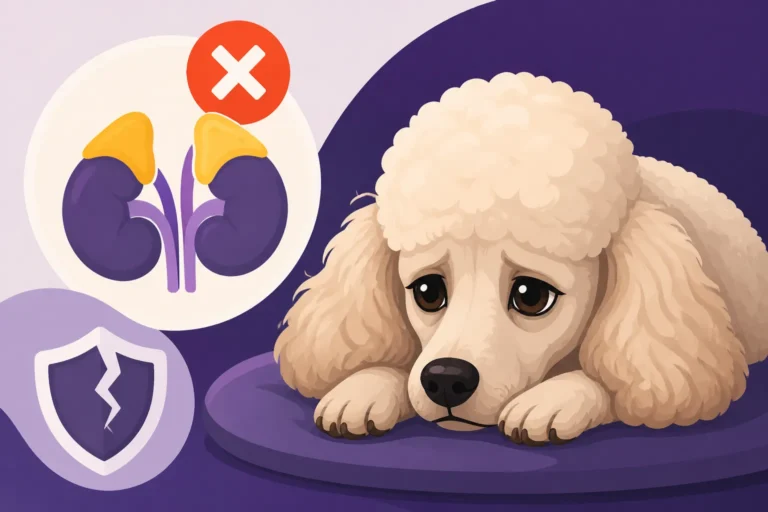
Most commonly, in Poodles, hypothyroidism is caused by an autoimmune disease where the dog's own immune system mistakenly attacks and destroys the thyroid gland. This is often referred to as autoimmune thyroiditis. Less frequently, it can be due to atrophy of the thyroid gland or, in very rare cases, a tumor. The key takeaway is that an underactive thyroid means sluggish cell function, impacting everything from skin health to energy levels, and even their mental acuity. It's a systemic problem, which is why the symptoms can be so varied and sometimes confusing.
Why Poodles Are Prone to Thyroid Issues
It's a sad truth that certain breeds carry a genetic predisposition to specific health challenges, and Poodles, especially Standard Poodles, are high on the list for thyroid disorders. This isn't to say Miniature or Toy Poodles are immune – they can also be affected – but the incidence tends to be higher in their larger cousins. This increased risk is largely genetic, often linked to the breed's narrower gene pool, a topic explored further in discussions like Why the Standard Poodle Gene Pool Narrowed. Breeders who are committed to the health of their lines will perform genetic screenings and often run full thyroid panels, like those discussed in Full Thyroid Panels Poodle Breeders Order, to identify carriers or affected dogs before breeding.
The autoimmune component is significant here. It's not just a random fluke; there's an inherited tendency for their immune system to malfunction in this particular way. This makes regular veterinary check-ups and being vigilant about changes in your Poodle's health even more critical, as subtle signs can often be the first clue. It’s a quiet disease that often creeps up slowly, making it easy to dismiss early symptoms.
Recognizable Hypothyroid Symptoms to Watch For
The symptoms of hypothyroidism can be incredibly varied, which is why it's often called "the great pretender." What might look like simple aging or a mild skin issue could actually be a tell-tale sign of an underactive thyroid.
Changes in Coat and Skin
One of the most common and often noticeable signs of hypothyroidism in a Poodle manifests in their magnificent coat and sensitive skin. Since thyroid hormones are vital for healthy cell turnover, including hair follicle function, a deficiency can wreak havoc.
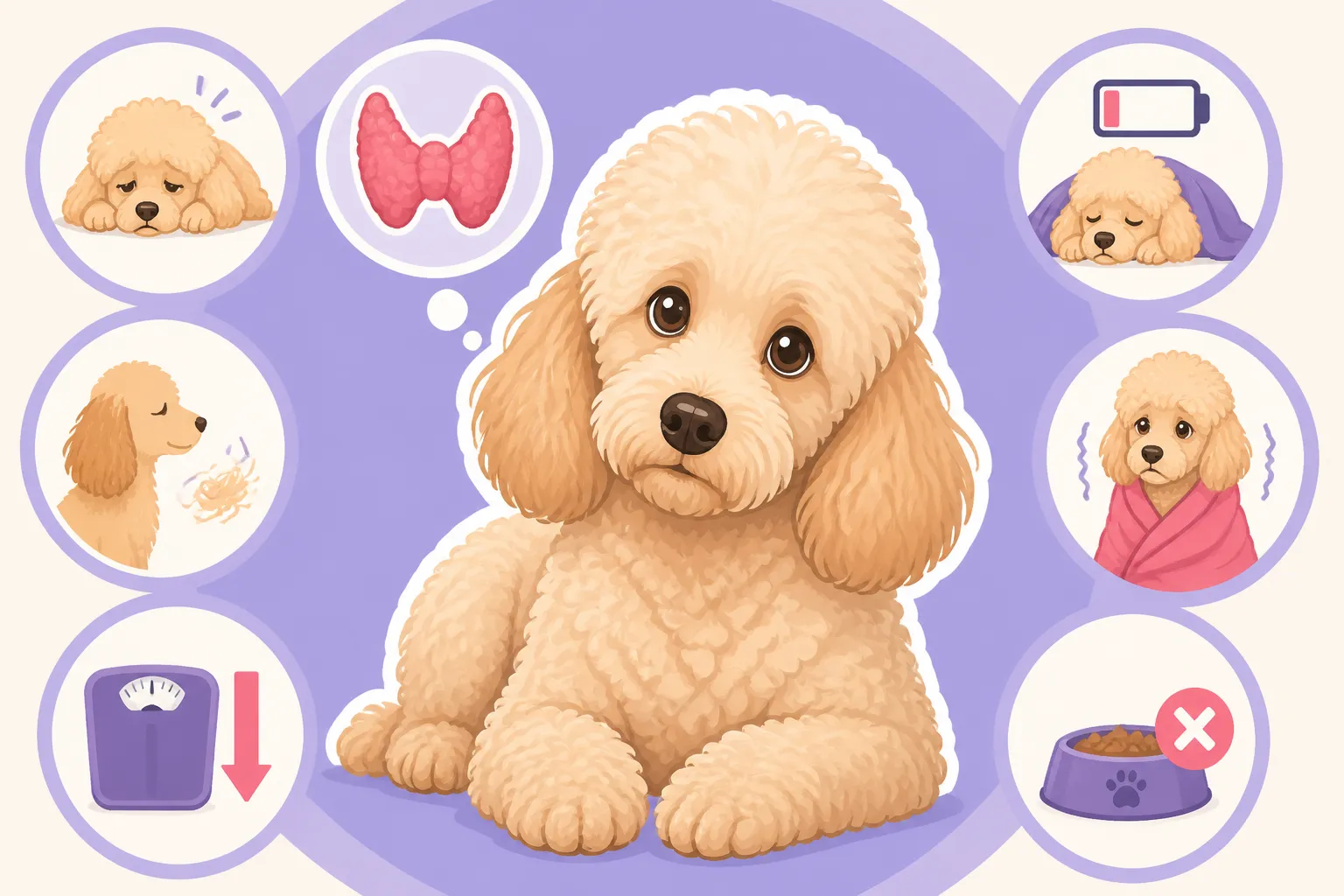
You might notice their typically dense, curly coat becoming dry, brittle, and sparse. The hair might feel coarse to the touch, and you could see excessive shedding, which is particularly unusual for a Poodle. A classic sign, though not present in all cases, is a "rat tail" or "bald tail" – where the hair on the tail thins dramatically, sometimes even becoming completely bald, and the skin can darken. This thinning isn't just cosmetic; it's a direct reflection of slowed hair growth cycles.
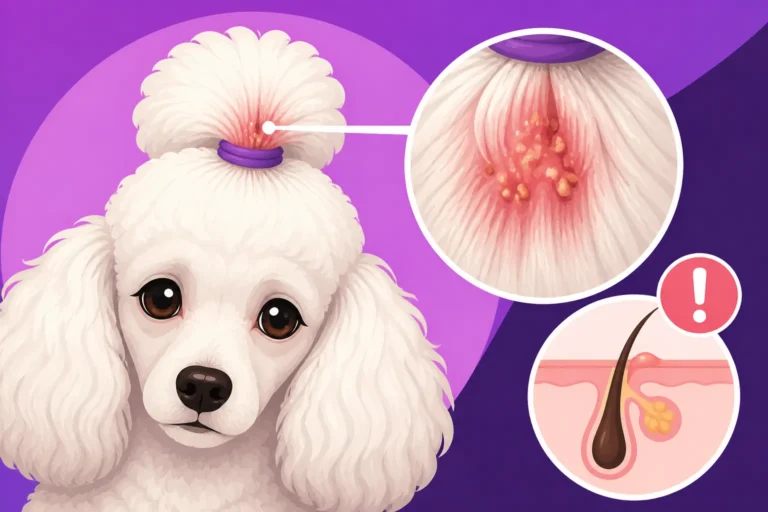
Beyond hair loss, the skin itself can suffer. Hypothyroid Poodles are prone to recurrent skin infections, often bacterial or yeast, because their skin's natural defenses are compromised. You might see areas of hyperpigmentation (darkening of the skin), especially in the armpits or groin, or an increase in dandruff and a greasy, seborrheic odor. Sometimes, these skin issues are so persistent that owners think they're dealing with allergies or other dermatological problems, leading to a long and frustrating diagnostic journey. Early sebaceous adenitis, for example, can share some similar skin symptoms, highlighting the importance of thorough diagnostics.
Shifts in Energy and Weight
Your Poodle's energy levels and weight can also be key indicators that something isn't right with their thyroid. This is often where the "just getting older" assumption can mislead us. While it's true that Caring for an Aging Poodle involves a natural slowdown, a dramatic or sudden change in vitality warrants investigation.
A hypothyroid Poodle will often become noticeably lethargic. They might be less enthusiastic about walks, playtime, or even their favorite activities. You might find them sleeping more, moving more slowly, or just generally showing a lack of zest for life. This isn't just about feeling tired; it's a systemic slowing down of their metabolism, making every movement require more effort. They might also become unusually intolerant to cold, seeking out warm spots more frequently, as their internal furnace isn't burning as efficiently.
Weight gain is another classic sign, and it can be particularly insidious. Many owners report that their Poodle is gaining weight despite no changes in diet or exercise. Their appetite might even decrease, yet the pounds pack on. This is because their metabolism is so slow that they're not burning calories efficiently. It's crucial to differentiate this from simple Poodle Obesity and Its Consequences, which is usually due to overfeeding or lack of exercise. With hypothyroidism, the weight gain is often resistant to conventional diet and exercise interventions.
Behavioral and Reproductive Changes
While less commonly associated by owners, hypothyroidism can also manifest in subtle yet significant behavioral and even reproductive changes in your Poodle. These can be particularly distressing because they affect your dog's personality and their quality of life.
Some Poodles may display what's often described as "mental dullness." They might seem less alert, slower to respond to commands, or less interested in learning new things. Their usually sharp Poodle intelligence might seem muted. You might notice a change in their typical happy-go-lucky demeanor, perhaps becoming more withdrawn or less interactive with the family. In rare cases, some dogs can even exhibit increased aggression or anxiety, which is very out of character for the generally sweet-natured Poodle. These behavioral shifts can be easily misinterpreted as a training problem or just a "phase," but they deserve medical attention.
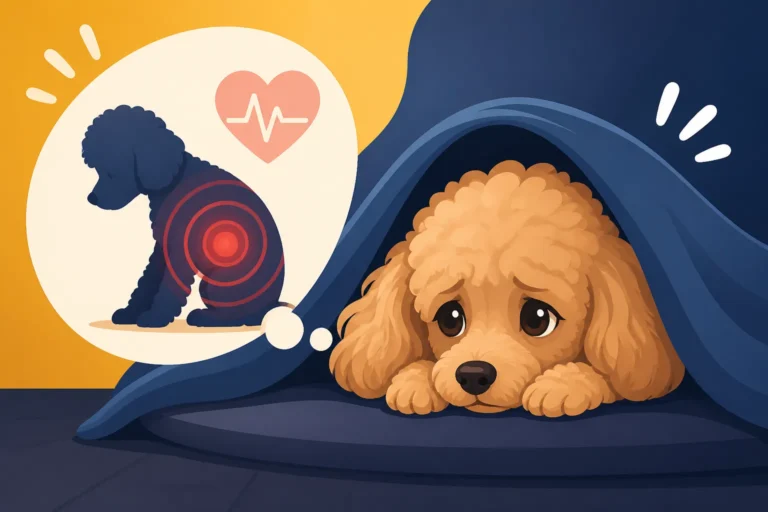
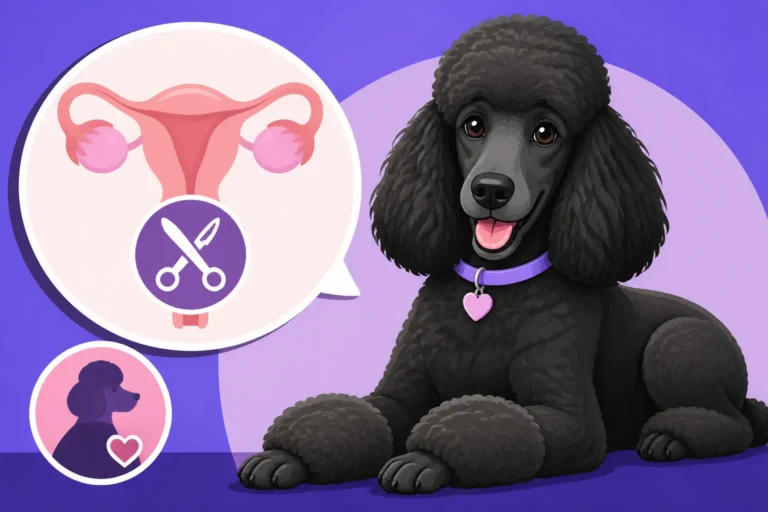
For intact Poodles, hypothyroidism can interfere with reproductive cycles. Females might experience irregular or absent heat cycles, or have difficulty conceiving and carrying a pregnancy to term. Males might show decreased libido or fertility issues. These signs highlight how profoundly thyroid hormones impact the entire bodily system, including the delicate balance required for reproduction. Any unexplained behavioral changes, especially alongside physical symptoms, should prompt a discussion with your veterinarian. Being able to recognize Reading Pain in a Sensitive Poodle or subtle distress signals becomes paramount here.
When to Suspect Hypothyroidism and Seek Vet Care
Recognizing the potential signs is the first step, but knowing when to act is just as important. Delaying diagnosis can lead to more advanced symptoms and a longer recovery process for your beloved Poodle.
The Importance of Early Detection
Because hypothyroid symptoms can mimic so many other conditions, from skin allergies to arthritis or simply the signs of Poodle Lifespan Across the Three Sizes, it's vital not to dismiss them. Early detection means your Poodle can start treatment sooner, often preventing the progression of symptoms and improving their quality of life significantly. A Poodle whose condition goes undiagnosed for too long might develop severe skin problems, significant weight issues, and a pronounced decline in energy and mental alertness. It's truly a scenario where proactive care can make all the difference.
Think of it this way: the longer the thyroid is underactive, the more systems in the body are negatively impacted. Starting medication early can reverse many of these symptoms, returning your Poodle to their vibrant self. It prevents secondary issues like chronic skin infections that can be painful and difficult to resolve, and it restores their energy, allowing them to enjoy their daily life again. Ignoring symptoms or hoping they'll resolve on their own rarely works with endocrine disorders like this.
Preparing for Your Vet Visit
When you notice a combination of these symptoms, it's time to schedule a thorough veterinary examination. Before your appointment, it's incredibly helpful to prepare a detailed list of all the changes you've observed in your Poodle, no matter how small or insignificant they might seem. Include:
- Timeline: When did you first notice changes? Have they gotten worse, or stayed the same?
- Specific Symptoms: Describe the coat quality, any hair loss patterns, skin issues (redness, itching, odor), weight changes (up or down, despite food intake), energy levels, and any behavioral shifts.
- Diet and Exercise: Detail their current food, treat intake, and daily exercise routine.
- Medications/Supplements: List anything else your Poodle is currently taking.
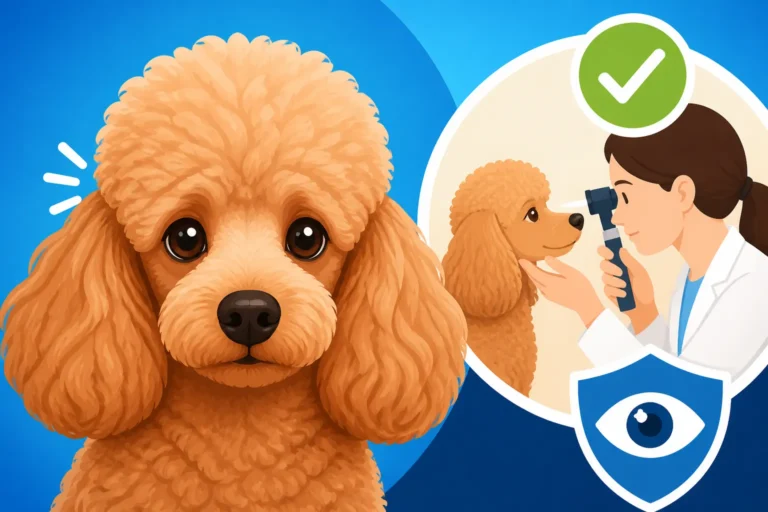
Your vet will likely perform a full physical exam and then recommend blood work. The primary diagnostic tool for hypothyroidism is a comprehensive thyroid panel, which typically includes measurements of total T4, free T4, and TSH (thyroid-stimulating hormone). Sometimes, specific autoimmune antibodies are also tested. These tests help to paint a complete picture of thyroid function. It’s not just about one number; it’s about how these values relate to each other. Don’t be surprised if your vet wants to re-test after a few weeks or perform additional blood work if results are borderline, as other illnesses or medications can temporarily affect thyroid levels.
It’s good to be aware that diagnostics and lifelong medication can be an expense. This is where Insuring a Poodle Against Addison's and Bloat can be a real help. Companies like Healthy Paws offer comprehensive pet insurance plans that can cover a significant portion of these costs, providing immense peace of mind. Discussing your financial options with your vet, or looking into a provider like Healthy Paws, can alleviate stress during an already worrying time.
| Symptom Category | Specific Manifestations | Why it Happens (Brief) |
|---|---|---|
| Coat & Skin | Dry, brittle coat; excessive shedding; "rat tail"; thinning hair (flanks, neck); recurrent skin infections; dandruff; hyperpigmentation | Slowed cell turnover; compromised skin barrier; impaired hair follicle function |
| Energy & Metabolism | Lethargy, reduced activity; increased sleeping; intolerance to cold; unexplained weight gain (despite normal eating) | Slowed metabolic rate; less efficient energy production |
| Behavioral | Mental dullness; decreased alertness; slower responses; withdrawn behavior; (rarely) aggression/anxiety | Impact on brain function and neurotransmitter balance |
| Other | Irregular heat cycles (females); infertility; muscle weakness | Systemic hormonal imbalance affecting reproductive and muscle tissues |
Living with a Hypothyroid Poodle: Management and Outlook
Receiving a diagnosis of hypothyroidism for your Poodle can feel daunting, but the good news is that it’s a very manageable condition with an excellent prognosis with proper care. It truly marks the beginning of a new chapter where you become an even more informed advocate for your Poodle's well-being.
Lifelong Medication and Monitoring
Once hypothyroidism is diagnosed, the treatment is typically lifelong and straightforward: daily administration of synthetic thyroid hormone, most commonly levothyroxine. This medication replaces the hormones your Poodle's thyroid gland isn't producing. It's usually given orally, once or twice a day, and it's essential to follow your vet's dosing instructions precisely. Consistency is key to managing the condition effectively. Missing doses can lead to a return of symptoms and an imbalance in their system.
Initial dosing will be carefully chosen by your vet, often starting with a standard amount based on your Poodle's weight. However, finding the perfect dose is often a process of fine-tuning. This means regular follow-up blood tests, usually every few weeks initially, to monitor their thyroid hormone levels and ensure the medication is working as intended. Once a stable dose is achieved, monitoring typically shifts to every 6-12 months. Your vet will be looking for improvements in clinical symptoms alongside normalized blood levels. Remember, never adjust the dosage yourself; always consult your veterinarian. The financial commitment to these routine tests and medications is significant, and resources like Healthy Paws can truly help make this lifelong care more manageable.
Supportive Care and Quality of Life
Beyond medication, supportive care plays a crucial role in ensuring your hypothyroid Poodle lives a full and happy life.
- Diet: While the medication will help with weight management, continuing to feed a high-quality, balanced diet is essential. If your Poodle gained significant weight before diagnosis, your vet might recommend a controlled diet to help them shed those extra pounds safely. Pay attention to Poodle Obesity and Its Consequences and ensure their caloric intake is appropriate for their energy level.
- Exercise: As their energy levels return, gradually reintroduce and increase exercise. Regular, moderate activity is not only good for their physical health but also for their mental well-being, helping to combat any lingering lethargy or mental dullness. Just be mindful of their initial stamina as they recover.
- Grooming: With proper medication, their coat quality should improve dramatically. Continue with a consistent grooming schedule, including regular brushing to prevent mats, which can be even more painful on a recovering, sensitive skin. If their coat was severely affected, you might see discussions like When a Poodle's Topknot Starts Thinning With Age apply to their whole body, but with treatment, new, healthy hair should grow back.
- Environmental Comfort: Ensure they have comfortable, warm places to rest, especially if they still show some cold intolerance. A cozy bed or a sweater during colder months can make a big difference.
The vast majority of Poodles with hypothyroidism go on to live normal, happy lives with appropriate management. It's a journey that requires your dedication, but seeing your Poodle regain their spark and vitality is an incredibly rewarding experience.
Disclaimer
The information provided in this guide is for general educational purposes only and should not be considered a substitute for professional veterinary advice. Always consult with a qualified veterinarian for any health concerns or before making any decisions related to your Poodle's health and treatment.