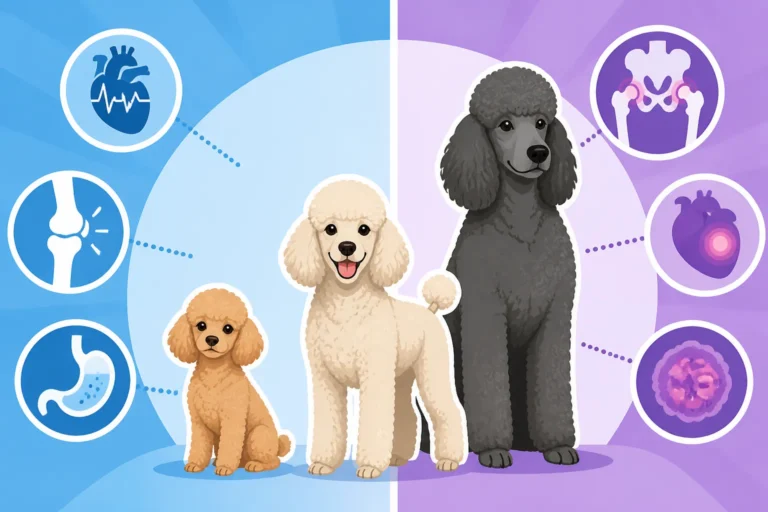
Why Poodle Health Splits by Size
It's incredibly frustrating when you start researching Poodle health and realize that advice for a Standard Poodle often doesn't apply to a tiny Toy, and vice-versa. You might feel overwhelmed by conflicting information or worry you're missing something crucial for your specific Poodle. This comprehensive guide is here to untangle the complexities of Poodle health, explaining why different sizes face different challenges and what you, as a Poodle parent, need to know to keep your companion thriving.
The Genetic Underpinnings of Poodle Health
Understanding why Poodle health issues often split along size lines begins with a dive into their genetic history. While they all share the elegant Poodle lineage, the creation of the Miniature and Toy varieties involved distinct breeding pathways that, over time, led to unique genetic predispositions and vulnerabilities. It's not just about size; it's about the very blueprint that makes them who they are.
How Size Breeding Impacts Gene Pools
When breeders set out to create smaller versions of the Poodle, they didn't simply shrink existing Standards. Instead, they carefully selected smaller individuals over generations, sometimes introducing other small breeds to achieve the desired diminutive stature. This process, while successful in producing the beloved Toy and Miniature Poodles we know today, had an unintended consequence: it segmented the breed's overall gene pool. Each size variety essentially became a somewhat isolated population, with certain genetic traits—both good and bad—becoming more concentrated within their respective lines. This means that a genetic mutation, for instance, that might be rare in Standards could become prevalent in Toys if it happened to be carried by the foundational dogs used to create that smaller size. The inherent diversity within the larger Standard Poodle gene pool sometimes offers a protective effect that the smaller varieties, by their very nature, couldn't retain.
The Role of Inbreeding and Line Breeding
Another factor influencing the genetic health split is the practice of inbreeding and line breeding, which has been a common tool in purebred dog breeding for centuries. While done with good intentions to solidify desirable traits like temperament, conformation, or specific coat qualities, it inevitably reduces genetic diversity. When you're dealing with already smaller gene pools, as is the case with Miniature and Toy Poodles, excessive reliance on these practices can quickly amplify the prevalence of recessive genes responsible for certain diseases. A health issue that might pop up occasionally in a large, diverse population can become heartbreakingly common when a limited number of carriers are repeatedly bred. This is why some specific conditions seem almost synonymous with one Poodle size more than another; the genetic bottleneck created during their development played a significant role.
Understanding Genetic Predisposition
Genetic predisposition means a Poodle is more likely to develop a certain condition due to their inherited genes. It doesn't guarantee they will get it, but it certainly tips the scales. For instance, the genes that contribute to larger size in Standard Poodles might also be indirectly linked to conditions common in large breeds, such as hip or elbow dysplasia, or even conditions like bloat, where anatomical features (like a deep chest) are a factor. Conversely, the genes responsible for very small stature in Toy Poodles can inadvertently be linked to fragile bone structures, patellar luxation, or even the metabolic quirks that lead to issues like hypoglycemia. Breeders today are much more aware of these predispositions and use genetic testing to try and mitigate these risks, but the historical impact remains a crucial part of understanding Poodle health today. Without this understanding, it's easy to assume all Poodles face the same challenges, which simply isn't the case.
Standard Poodles: Big Dog Problems
Ah, the magnificent Standard Poodle! With their graceful stature and athletic build, they truly are a sight to behold. But just like any large breed, their size and physical characteristics come with a specific set of health considerations. While generally robust, Standard Poodles are unfortunately prone to certain conditions that are either rare or non-existent in their smaller cousins. It’s a classic case of big dog, big problems, literally.
Gastric Dilatation-Volvulus Bloat Risks
One of the most terrifying emergencies for any Standard Poodle owner is Gastric Dilatation-Volvulus, commonly known as bloat. This is where the stomach fills with gas and twists, cutting off blood supply and becoming rapidly life-threatening. The deep, narrow chest characteristic of Standard Poodles is a known risk factor, meaning their anatomy unfortunately makes them more susceptible. It can strike incredibly quickly, often within an hour or two of eating or vigorous exercise. The signs are unmistakable: restlessness, pacing, dry heaving, a distended abdomen that feels hard to the touch, and signs of extreme discomfort or pain. Every Standard Poodle owner lives with a heightened awareness of this potential emergency. Knowing the specific symptoms is paramount, as early intervention is the only real chance for survival, often involving immediate surgery. For more detailed information, consider reading about Bloat and the Deep Standard Poodle Chest.
This isn't just a "big dog thing" in general; it's particularly prevalent in certain breeds, and Standard Poodles are high on that list. Imagine your beloved Poodle, perfectly fine one moment, suddenly collapsing in pain, their belly swelling rapidly. It's a nightmare scenario, and it’s why many Standard Poodle owners discuss preventative measures like gastropexy surgery with their veterinarians. This procedure tacks the stomach to the abdominal wall, preventing it from twisting, though it doesn't prevent the initial gas buildup. The decision to pursue such a surgery is a significant one, weighing the risks of the procedure against the potential for a fatal bloat episode.
Autoimmune Conditions and Joint Issues
Standard Poodles, unfortunately, have a genetic predisposition to several autoimmune diseases where the body's immune system mistakenly attacks its own healthy tissues. Addison's Disease, for example, is notoriously common in Standard Poodles. This condition affects the adrenal glands, leading to a deficiency in crucial hormones. Its symptoms can be incredibly vague and mimic many other illnesses, earning it the nickname "the great imitator" or "the great pretender." You might see lethargy, vomiting, diarrhea, lack of appetite, or just a general "off" feeling that comes and goes. Diagnosing Addison's can be challenging, but once identified, it's manageable with lifelong medication. If you suspect your Standard Poodle might be showing these subtle signs, prompt veterinary attention is crucial. You can learn more about this specific challenge with Addison's Disease in Standard Poodles.
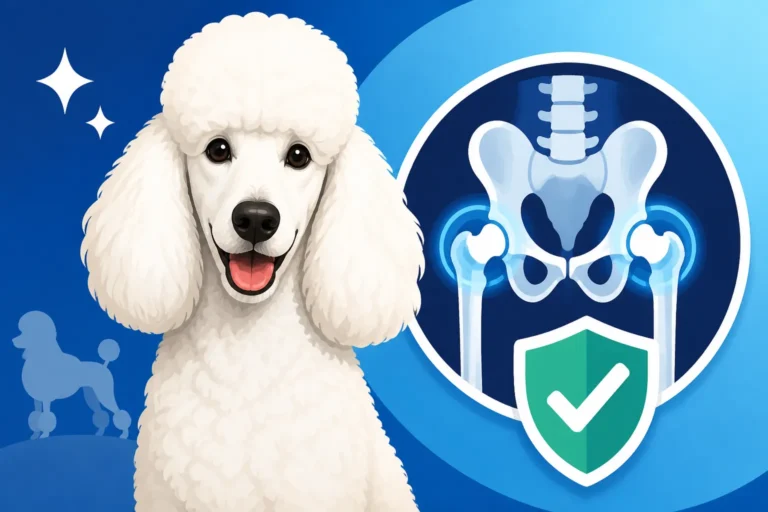
Beyond autoimmune issues, Standard Poodles can also face joint problems common to larger breeds. Hip dysplasia and elbow dysplasia, while not as prevalent as in some other giant breeds, can still occur. These are conditions where the joints don't develop properly, leading to arthritis, pain, and lameness over time. Early screening by reputable breeders is essential to try and reduce the incidence of these debilitating conditions. It's a heavy thought that a dog so agile and powerful could be brought low by issues with their very structure. Maintaining a healthy weight and ensuring appropriate exercise during their growth phase can help mitigate the severity, but genetics play the primary role here. Understanding Poodle Hip Dysplasia by Size can provide valuable insights into how these issues manifest differently across the varieties.
Cancer Concerns in Larger Poodles
Sadly, cancer is a significant health concern across many dog breeds, and Standard Poodles are no exception. Their larger size and longer lifespans, compared to some smaller breeds, can sometimes mean a higher cumulative risk for certain types of cancer. Lymphoma, osteosarcoma (bone cancer), and hemangiosarcoma are among the more frequently seen cancers in Standards. While early detection is key for all cancers, the sheer volume of tissue in a larger dog can sometimes make growths harder to detect until they're more advanced.
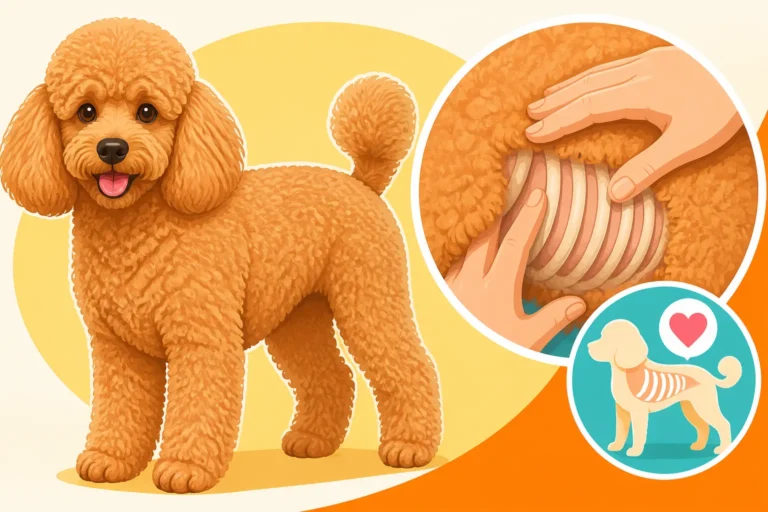
It's heartbreaking to consider, but proactive observation is an owner's best defense. Regularly checking your Poodle's body for any lumps, bumps, or unusual swelling, paying attention to changes in appetite, energy levels, or any persistent lameness, can make a critical difference. Annual veterinary check-ups become even more crucial as they age, where thorough physical exams and perhaps routine blood work can sometimes flag issues before they become overtly symptomatic. Companies like Healthy Paws, for instance, offer pet insurance plans that can be a real lifeline when faced with the extensive costs of cancer treatment, allowing owners to focus on care rather than finances during such a difficult time. The sheer size of a Standard Poodle means that treatments, from surgery to chemotherapy, often come with a higher price tag due to medication dosages and surgical complexity.
Miniature Poodles: A Mid-Range of Concerns
Miniature Poodles, nestled perfectly between the robust Standards and delicate Toys, often present a unique blend of health concerns. They don't typically face the extreme risks of bloat seen in Standards, nor are they as prone to the orthopedic fragility of Toys. However, they have their own set of hereditary conditions that owners need to be aware of, a testament to their distinct genetic lineage forged in the creation of this intermediate size.
Eye Conditions and Neurological Issues
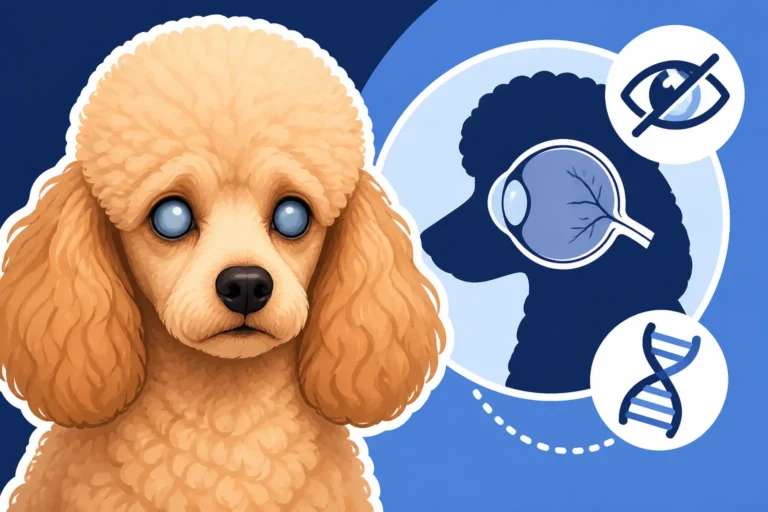
Miniature Poodles are unfortunately known to be susceptible to certain inherited eye conditions. Progressive Retinal Atrophy (PRA) is one such condition that can lead to blindness. It's a degenerative disease that slowly destroys the photoreceptor cells in the retina. Initially, you might notice your Poodle struggling in low light conditions, bumping into things in the dark, or becoming more hesitant at dusk. Over time, their vision deteriorates completely, often leading to total blindness. While there's no cure for PRA, DNA testing is available for certain forms of the disease, allowing responsible breeders to screen their breeding stock and avoid passing on the gene. You can delve deeper into this with Progressive Retinal Atrophy in Miniature Poodles.
Beyond eye issues, Miniature Poodles can also be prone to neurological conditions, most notably Idiopathic Epilepsy. This is a condition characterized by recurrent, unprovoked seizures. Seizures can manifest in various ways, from subtle twitching or "fly-biting" to full-blown grand mal seizures where the dog loses consciousness, paddles its legs, and may salivate heavily. The onset often occurs between six months and five years of age. While frightening to witness, many Poodles with epilepsy can lead full and happy lives with appropriate veterinary care and medication to manage the seizures. It's crucial for owners to accurately describe the seizures to their vet, including duration and frequency, to help formulate the best treatment plan.
Orthopedic Challenges in Miniatures
While not as prone to luxating patellas as Toy Poodles, or the severe hip and elbow dysplasia seen in some larger breeds, Miniature Poodles can still encounter their own set of orthopedic challenges. Legg-Calve-Perthes disease, though more commonly associated with smaller breeds, can occasionally be seen in Miniatures. This condition affects the hip joint, causing the head of the femur bone to spontaneously degenerate, leading to pain and lameness. It typically manifests in puppies or young dogs, and surgical correction is often required.
Additionally, patellar luxation, while usually milder than in Toys, can still affect Miniature Poodles. This is where the kneecap slips out of its groove, causing a skipping gait or sudden lameness. Depending on the severity, it may require surgical intervention to correct. Responsible breeders will screen their breeding stock for these orthopedic issues, often utilizing evaluations from organizations like the Orthopedic Foundation for Animals (OFA). Regular monitoring of your Poodle's gait and activity levels, especially during their younger, more active years, is important. Any persistent limping or reluctance to jump should always warrant a vet visit.
Thyroid and Hormonal Imbalances
Miniature Poodles, like their Standard counterparts, are prone to certain hormonal imbalances, with Hypothyroidism being a notable concern. This condition occurs when the thyroid gland doesn't produce enough thyroid hormone, which is crucial for regulating metabolism. Symptoms can be subtle and wide-ranging, often including lethargy, weight gain despite no change in diet, a dull or thinning coat, dry skin, and intolerance to cold. Because these signs can mimic normal aging or other health issues, hypothyroidism can sometimes go undiagnosed for a while.
Diagnosis usually involves a blood test to check thyroid hormone levels, and treatment is straightforward: lifelong daily medication in the form of synthetic thyroid hormone. With proper management, Poodles with hypothyroidism can lead completely normal lives. While Addison's is more prevalent in Standards, hypothyroidism is a significant hormonal consideration for Miniatures. Being aware of these subtle changes in your Poodle's energy and appearance can make all the difference in catching it early. Understanding the nuances of Thyroid Disease in Poodles can provide more in-depth knowledge about this common condition across the breed.
Toy Poodles: Small Dog Vulnerabilities
The endearing Toy Poodle, a pocket-sized bundle of joy, brings immense happiness to many homes. However, their incredibly small stature, while charming, also comes with a unique set of vulnerabilities and predispositions to health issues that are far less common in their larger relatives. These conditions often stem from the delicate nature of their tiny bones, tiny organs, and rapid metabolism.
Luxating Patellas and Tracheal Collapse
Perhaps one of the most common orthopedic issues observed in Toy Poodles is luxating patella, where the kneecap (patella) dislocates or slips out of its normal position. You might notice your Toy Poodle occasionally "skipping" a step, briefly holding up a hind leg, or exhibiting a sudden yelp of pain when the kneecap slips. The severity can range from mild, intermittent slips that don't cause much discomfort, to more severe cases where the kneecap is permanently out of place, leading to chronic lameness and arthritis. While mild cases might be managed with activity modification and supplements, surgical correction is often recommended for more severe or painful luxations to restore proper joint function and prevent long-term damage. These tiny kneecaps are a primary concern for Toy Poodle owners.
Another significant concern for Toy Poodles is tracheal collapse. Their delicate windpipes are prone to weakening and flattening, especially when under stress, causing a characteristic dry, harsh, "honking" cough, often exacerbated by excitement, exercise, or pulling on a collar. This cough is very distinct and can sound like a goose honking. While some cases can be managed with medication, weight control, and using a harness instead of a collar to avoid pressure on the trachea, severe cases may require surgical intervention to place a stent and keep the airway open. Owners of Toy Poodles often learn to recognize that particular cough with a sense of dread, knowing it signals discomfort for their little one. Understanding Toy Poodle Kneecaps and Windpipes is vital for providing appropriate care for these delicate areas.
Hypoglycemia and Dental Health
Toy Poodles, especially as puppies, are particularly susceptible to hypoglycemia, or dangerously low blood sugar. Because their tiny bodies have limited reserves of fat and their livers are still developing, they can quickly burn through glucose, leading to a sudden drop in blood sugar. Symptoms can be alarming: lethargy, weakness, wobbliness, disorientation, tremors, and even seizures or collapse. It's a condition that demands immediate attention; often, a little Karo syrup or honey rubbed on their gums can provide a quick boost, but a vet visit is always warranted to address the underlying cause. Young puppies, particularly those under five pounds, need frequent, small meals to prevent these blood sugar crashes. Keeping an emergency glucose gel on hand is something many Toy Poodle owners swear by. Learn more about Blood Sugar Crashes in a Toy Poodle to be prepared.
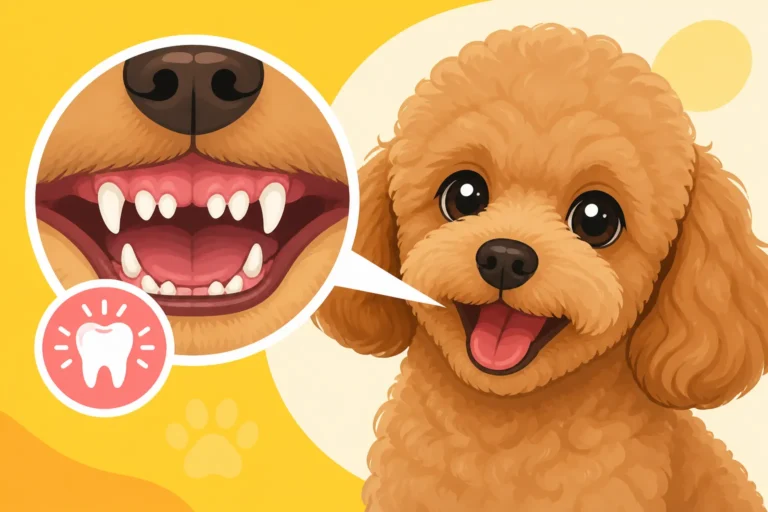
Dental health is another area where Toy Poodles face amplified challenges. Their small mouths are often crowded, making them prone to tartar buildup, gum disease, and early tooth loss. Imagine a full set of teeth crammed into such a tiny jaw; it's a recipe for dental issues. Periodontal disease, if left untreated, can lead to painful infections, abscesses, and even systemic health problems as bacteria from the mouth enter the bloodstream. Regular dental care, including daily brushing at home and professional dental cleanings under anesthesia, is critical for Toy Poodles. Without diligent care, many Toy Poodles will require tooth extractions by middle age. The financial aspect of repeated dental procedures is something to consider, and pet insurance like that offered by Healthy Paws can help cover these ongoing costs, which are often higher for smaller breeds due to specialized equipment and anesthesia protocols. Understanding Poodle Dental Disease by Size can help you prepare for these inevitable expenses.
Fragile Bones and Heart Murmurs
The delicate bone structure of Toy Poodles makes them more susceptible to fractures, even from seemingly minor falls or jumps. A fall from a sofa or an accidental step by a human can easily result in a broken leg or other serious injury. This isn't to say they are always breaking bones, but their small size means that playtime with larger dogs or boisterous children needs careful supervision. Owners often learn to "Poodle-proof" their homes, blocking off high surfaces or installing ramps to prevent risky jumps. Their fragility means even routine handling requires a gentle touch.
Furthermore, some Toy Poodles may be predisposed to heart murmurs or other congenital heart defects. While not all murmurs are cause for alarm, some can indicate underlying issues that require ongoing monitoring or treatment. A vet will usually detect a murmur during a routine physical exam and may recommend further diagnostics, such as an echocardiogram, to determine its severity and cause. Although a murmur doesn't automatically mean a shortened lifespan, it's an important aspect of their health profile that needs careful attention and, in some cases, lifelong medication.
Shared Health Risks Across All Poodle Varieties
While Poodle sizes largely dictate distinct health profiles, there are still some common adversaries that all Poodle varieties, from the majestic Standard to the dainty Toy, contend with. These are conditions that stem from general Poodle traits, their unique coat, or simply broad canine vulnerabilities that don't discriminate by size. Understanding these shared risks is crucial for comprehensive Poodle care, no matter how big or small your furry friend is.
Ear Infections and Skin Allergies
One of the most persistent and frustrating issues for Poodle owners across all sizes is recurrent ear infections. Those lovely, long, drop ears, so characteristic of the breed, unfortunately create a warm, moist, dark environment that is absolutely ideal for yeast and bacteria to thrive. Add to that the hair that grows inside the ear canal, trapping even more moisture and debris, and you have a recipe for chronic ear problems. Symptoms typically include head shaking, scratching at the ears, redness, odor, and sometimes a discharge. Regular cleaning is non-negotiable, and some Poodles require routine plucking of the ear hair (though this is a debated topic, as some vets believe it can irritate the canal). Without consistent ear care, painful infections can quickly take hold. More information can be found in Ear Infections Under a Poodle's Drop Ears.
Beyond ears, Poodles are generally prone to various skin allergies, which can cause intense itching, redness, hair loss, and secondary skin infections. These can be environmental allergies (atopy) to things like pollen, dust mites, or molds, or food allergies to certain proteins. An itchy Poodle is a miserable Poodle, and an owner dealing with an itchy Poodle can become quite desperate. Differentiating between the potential causes, like environmental triggers versus a dietary intolerance, often requires a process of elimination or specific allergy testing. It's a journey that can involve special diets, medications, medicated shampoos, and consistent management to keep their sensitive skin calm and healthy. You can gain more insights from Poodle Allergies and Skin Reactions.
Dental Disease: A Universal Poodle Problem
While Toy Poodles face heightened risks due to their crowded mouths, dental disease is truly a universal problem for all Poodle varieties. It’s one of the most common health issues diagnosed in adult dogs, and Poodles, with their tendency for tartar buildup, are particularly susceptible. Without consistent dental care, plaque hardens into tartar, leading to gingivitis (inflammation of the gums) and eventually periodontal disease, which can cause pain, infection, tooth loss, and even impact systemic health by allowing bacteria to enter the bloodstream.
This isn't just about bad breath; it's about your Poodle's comfort and overall well-being. Regular tooth brushing with dog-specific toothpaste, dental chews, and professional dental cleanings under anesthesia are critical components of preventative care. The frequency of professional cleanings can vary by individual Poodle and their propensity for tartar, but many Poodles benefit from yearly cleanings. The costs associated with these procedures, especially if extractions are needed, can be significant, reinforcing the value of pet insurance or a dedicated savings fund.
| Poodle Size | Common Dental Concerns | Recommended Prevention |
|---|---|---|
| Toy | Overcrowding, rapid tartar buildup, early tooth loss, retained deciduous teeth | Daily brushing, professional cleanings 1-2x/year, vet checks for retained baby teeth |
| Miniature | Moderate tartar buildup, gingivitis, periodontal disease | Daily/every-other-day brushing, professional cleanings 1x/year |
| Standard | Tartar buildup, gingivitis, fractured teeth (from chewing) | Daily/every-other-day brushing, professional cleanings 1x/year or as needed |
Addison's Disease: The Great Pretender
As mentioned earlier with Standard Poodles, Addison's disease (hypoadrenocorticism) is an autoimmune condition that affects Poodles of all sizes, though it's statistically more prevalent in Standards. However, Miniature and Toy Poodles can also be affected. This condition arises when the adrenal glands fail to produce sufficient levels of crucial hormones, particularly cortisol and aldosterone. The insidious nature of Addison's lies in its vague and often intermittent symptoms, making it incredibly challenging to diagnose.
Your Poodle might display lethargy, intermittent vomiting or diarrhea, decreased appetite, weight loss, or simply a general "off" feeling that seems to come and go. These non-specific signs can easily be mistaken for stress, a sensitive stomach, or even behavioral issues like sulking, which is why it's often called "the great pretender." However, if left untreated, an Addisonian crisis can occur, which is a life-threatening emergency involving severe shock, collapse, and organ damage. Early and accurate diagnosis, often through an ACTH stimulation test, is paramount. Once diagnosed, Addison's is manageable with lifelong medication, usually daily oral steroids and monthly injections, allowing affected Poodles to live full, happy lives. Being vigilant about any persistent, unexplained symptoms in your Poodle, regardless of their size, is key to early detection.
The Importance of Responsible Breeding and Health Testing
Given the genetic predispositions that split Poodle health by size, the role of responsible breeding cannot be overstated. A conscientious breeder is not just selling a puppy; they are guardians of the breed's future, striving to produce healthy, well-adjusted companions. This commitment involves rigorous health testing, meticulous record-keeping, and an in-depth understanding of genetics. For prospective Poodle owners, choosing a breeder who prioritizes these practices is the single most impactful decision you can make for your Poodle's long-term health.
Pre-Breeding Screening and Genetic Panels
Responsible breeders understand that the health of future generations starts with the health of the parents. This means putting their breeding stock through a battery of health screenings before any breeding takes place. For Standard Poodles, this typically includes OFA certifications for hips and elbows to screen for dysplasia, eye exams by a board-certified veterinary ophthalmologist (CERF/OFA Eye Certification Registry) to check for inherited eye diseases like Progressive Retinal Atrophy, and sometimes cardiac evaluations. They will also screen for Addison's disease and von Willebrand's Disease (a bleeding disorder).
For Miniature and Toy Poodles, while some of these tests overlap, there are additional specific screenings. Patellar luxation examinations are critical for both smaller varieties. Eye exams remain vital, often looking for PRA that affects Miniatures more. For Toy Poodles, screening for Legg-Calve-Perthes disease and ensuring sound dental structure are also priorities. Many breeders now also utilize comprehensive genetic panels (e.g., from labs like Embark or Optimal Selection) which test for dozens of breed-specific and general canine genetic conditions, allowing them to make informed breeding decisions that avoid producing affected puppies. You absolutely need to know What a Poodle Breeder Must Test For before committing to a puppy.
Choosing a Reputable Poodle Breeder
Finding a truly reputable Poodle breeder can feel like a daunting task, especially with the surge in popularity of Poodles and Poodle mixes. However, it's the most crucial step in ensuring you bring home a healthy puppy. A good breeder will be transparent about their health testing, eager to show you the results (not just tell you about them), and happy to discuss the health history of their lines. They should have a clear understanding of Why Size Changes Which Diseases a Poodle Gets and actively breed to minimize risks for their specific size variety.
They will also usually have a waiting list, interview prospective buyers thoroughly, and provide a health guarantee. They won't always have puppies available immediately. Be wary of any breeder who has multiple litters ready at once, offers a suspiciously low price, or cannot provide verifiable health clearances for both parents. A reputable breeder cares deeply about where their puppies go and will be a lifelong resource for you. They’ll also be upfront about potential health costs, perhaps even recommending pet insurance like Healthy Paws to help manage unforeseen veterinary expenses, demonstrating their commitment to the puppy's long-term welfare beyond the sale.
The Impact of Health Records on Lifespan
The meticulous maintenance of health records by responsible breeders isn't just for show; it's a critical tool that directly impacts the overall lifespan and quality of life for Poodles. By tracking health outcomes, genetic test results, and any diagnosed conditions within their lines, breeders can identify patterns, avoid breeding carriers of serious genetic diseases, and select pairings that promote robust health. This data-driven approach, refined over generations, helps to strengthen the gene pool and reduce the incidence of preventable hereditary conditions.
For you as a prospective owner, these records provide an invaluable snapshot of your puppy's genetic heritage and potential future health. You're not just buying a cute face; you're investing in a lifetime companion, and the breeder's dedication to health records provides a foundation for that healthy future. A puppy from well-tested lines, where generations of health have been documented, generally has a significantly better chance of avoiding serious hereditary conditions than one from unknown or untested parentage. This foresight contributes not just to individual health, but to the collective health of the entire Poodle breed.
When to Seek Veterinary Guidance
Even with the most responsible breeding and diligent home care, Poodles, like all living beings, can fall ill or suffer injuries. Knowing when to reach out to your veterinarian—whether for a routine check-up or an emergency—is a critical part of Poodle ownership. Given their intelligence and sometimes stoic nature, Poodles can be remarkably good at hiding discomfort, which means owners need to be extra vigilant and trust their instincts when something feels "off."
Recognizing Subtle Signs of Illness
Poodles are sensitive and intelligent creatures, and sometimes their signs of illness can be subtle. They might not limp dramatically or cry out in pain immediately. Instead, you might notice a slight decrease in energy, a change in their appetite, an unusual quietness, or a shift in their typical playful demeanor. Maybe they’re reluctant to jump on the sofa, or they're sleeping more than usual. A Poodle might start avoiding interaction, hiding away, or simply seem "not quite right." These nuanced changes in behavior are often the earliest indicators that something is amiss.
It's vital for Poodle owners to be attuned to their dog's normal habits and personality. A slight change in their stool consistency, a persistent cough (especially that distinctive honking cough in a Toy Poodle), excessive drinking or urination, or any new lumps or bumps on their body should never be ignored. Your Poodle relies on you to be their advocate. If you have a gut feeling that something is wrong, even if you can't pinpoint a specific symptom, it's always best to err on the side of caution and consult your vet. They are trained to interpret these subtle cues and conduct the necessary diagnostics.
Preventative Care and Regular Check-ups
The cornerstone of a long, healthy life for your Poodle, regardless of size, is consistent preventative care. This includes annual (or more frequent for seniors and puppies) veterinary check-ups, which allow your vet to perform a thorough physical examination, update vaccinations, and recommend parasite prevention. These routine visits are crucial for detecting potential problems early, sometimes before any symptoms even become apparent to you. For instance, a vet might notice a heart murmur, a change in lymph node size, or dental disease that requires attention.
Beyond vet visits, preventative care extends to your daily routine. Regular brushing of their distinctive coats prevents painful matting and allows you to check their skin for any abnormalities like rashes or the dry, flaky patches that might indicate Sebaceous Adenitis and the Poodle Coat. Consistent dental hygiene, as discussed, is non-negotiable. Providing a high-quality diet appropriate for their size and age, along with consistent, appropriate exercise, helps maintain a healthy weight and supports overall well-being. This proactive approach significantly reduces the likelihood of severe health issues developing unseen.
Emergency Situations and Early Intervention
Despite our best efforts, emergencies can happen, and knowing how to react swiftly can be life-saving. For Standard Poodle owners, recognizing the emergency signs of bloat (distended abdomen, unproductive retching, restlessness) is paramount, as every minute counts. For Toy Poodle owners, understanding the signs of hypoglycemia (lethargy, weakness, tremors, collapse) and knowing how to administer emergency sugar can be critical. Any sudden, severe lameness, difficulty breathing, profuse vomiting or diarrhea, collapse, or prolonged seizures warrant an immediate trip to an emergency veterinary clinic.
Don't hesitate to call your vet or an emergency clinic for guidance if you're unsure whether a situation is an emergency. They can provide immediate advice over the phone and tell you if your Poodle needs to be seen right away. Having an emergency fund or pet insurance, like a plan from Healthy Paws, in place beforehand can alleviate the stress of unexpected veterinary bills during these critical times, allowing you to focus entirely on your Poodle's care. Early intervention in an emergency often makes the difference between a successful outcome and a tragic one, so being prepared and informed is vital for every Poodle parent.
Disclaimer
The information provided in this article is for general educational purposes only and is not intended to be a substitute for professional veterinary advice, diagnosis, or treatment. Always seek the advice of your veterinarian or other qualified animal health provider with any questions you may have regarding a medical condition.