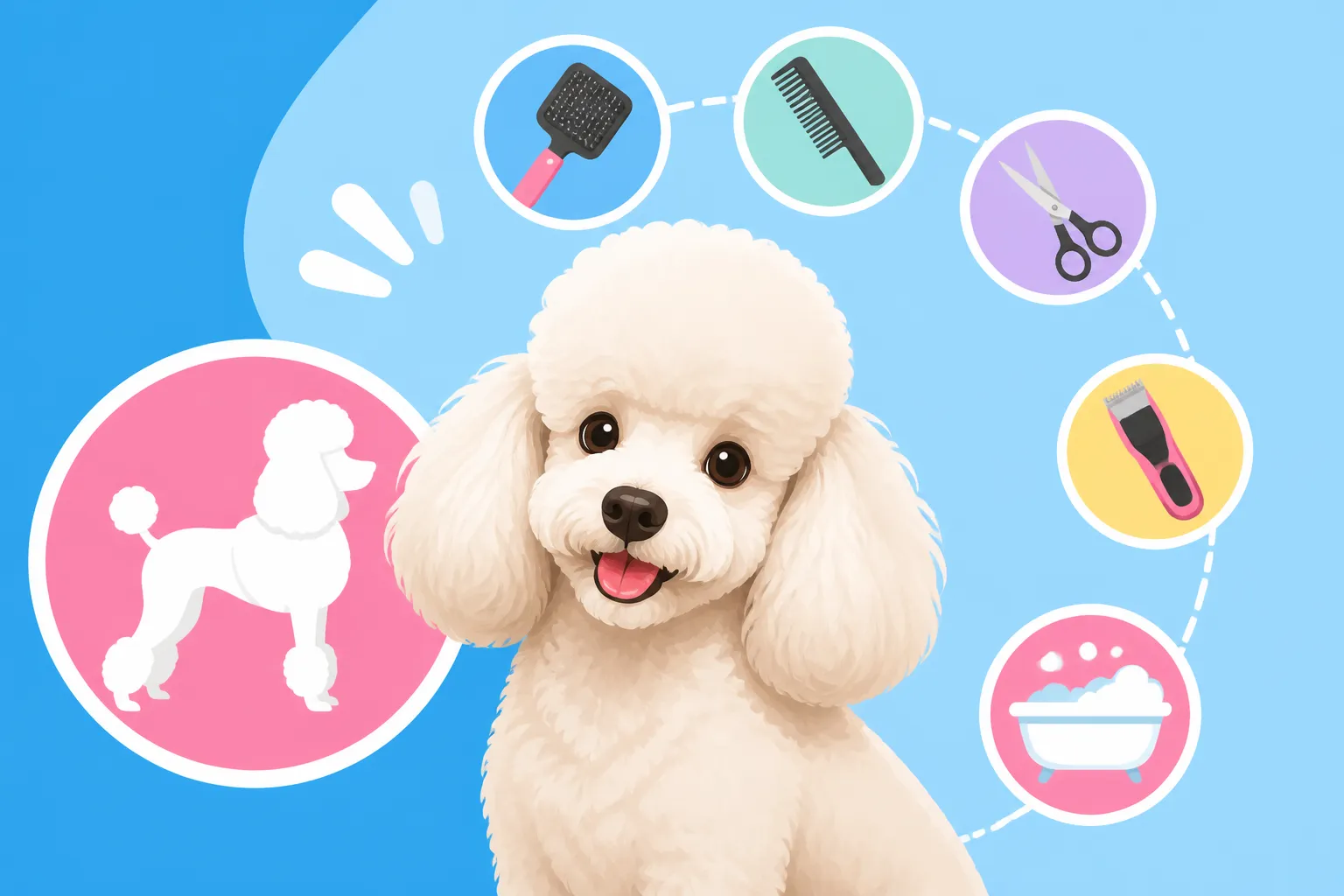
How Many Grooms a Poodle Needs a Year
One of the most common questions new Poodle owners (and even seasoned ones!) ask is, "Just how often do these fabulous fluff-balls need to be groomed?" It’s a valid concern because that magnificent Poodle coat, while non-shedding, is a high-maintenance marvel that can quickly turn into a matted nightmare if neglected. This guide is here to shed some light on the reality of Poodle grooming frequency, helping you understand the factors involved and how to keep your Poodle comfortable and looking their best.
The Bare Minimum: Understanding Poodle Grooming Frequency
Let's be brutally honest from the get-go: Poodles need a lot of grooming. It’s not a once-a-year thing, or even a twice-a-year thing. If you want a happy, healthy Poodle who isn't suffering from painful mats, you're looking at a commitment. The average Poodle, regardless of size, typically needs professional grooming every 4 to 8 weeks. That's a big range, right? The exact frequency depends on several critical factors, including the length of your Poodle's coat, their lifestyle, and how much home maintenance you're willing to do.
Many people are drawn to Poodles because they are often touted as "hypoallergenic" due to their hair-like coat that doesn't shed like traditional fur. But this very trait is what makes them so grooming-intensive. Unlike dogs with fur that sheds dead hair, a Poodle's hair just keeps growing and growing, similar to human hair. Without regular cutting and thorough brushing, that continuously growing hair will inevitably intertwine, forming tight, painful mats that pull at the skin. These mats aren't just an aesthetic problem; they can hide skin infections, parasites, and become incredibly uncomfortable for your dog. For many owners, the true cost of Poodle ownership often comes as a surprise, especially when factoring in What Grooming Adds to a Poodle's Lifetime Cost.
The "Standard" Schedule for a Pet Poodle
For most pet Poodles living a comfortable, active life, a professional grooming every 6 to 8 weeks is a good starting point. This schedule allows the groomer to thoroughly bathe, brush, and clip the coat to a manageable length, while also taking care of essential tasks like nail trims and ear cleaning. If you opt for a shorter, low-maintenance clip, you might stretch it closer to the 8-week mark, but anything beyond that is truly pushing it.
Consider your Poodle's daily life. Do they love romping in the park, getting muddy, or swimming? These activities, while wonderful for their physical and mental health, will certainly impact how quickly their coat gets dirty and matted. A Poodle who spends most of their time indoors and doesn't get into much mischief might genuinely be able to go a bit longer between full professional grooms compared to their adventurous counterparts. However, this doesn't mean skipping brushing at home. No matter the professional grooming schedule, daily or every-other-day brushing at home is non-negotiable for a Poodle.
The Impact of Desired Clip Style
The type of clip you choose for your Poodle also plays a huge role in determining how frequently they need attention. A long, flowing show coat, while stunning, requires nearly daily intensive brushing and far more frequent professional touch-ups. Most pet owners opt for much more practical clips.
For instance, a "kennel clip" or a "sporting clip," which keeps the coat relatively short all over the body, is fantastic for ease of maintenance. With a short clip, you can often stretch professional grooming appointments to the 8-week mark, provided you're still brushing regularly at home to prevent any short-coat matting (yes, it can still happen!). If you prefer a slightly longer "teddy bear trim" or a "lamb clip" that leaves a bit more fluff, you'll likely need to stick closer to a 4 to 6-week professional schedule to prevent mats from forming and to keep the shape tidy. Choosing a clip for a Pet Poodle is a balancing act between style and practicality.
Factors That Influence Grooming Intervals
The "average" schedule is just that – an average. Your Poodle is an individual, and several factors will dictate their unique grooming needs. It’s crucial to understand these variables to create a realistic and comfortable grooming routine for your furry companion.
Coat Type and Texture
Not all Poodle coats are created equal, even within the same size variety. Some Poodles have a coarser, dense curl that tends to hold mats more readily, while others might have a softer, wavier coat that, while beautiful, can also be prone to tangling. Puppy coats are notoriously difficult, often described as a soft, cottony fluff. When a Poodle puppy's coat changes, usually between 8-18 months of age, it transitions to a denser, adult coat. This "coat change" period is notorious for matting because the shedding puppy hair gets caught in the incoming adult coat. During this phase, you might find yourself needing to groom every 3-4 weeks just to keep ahead of the matting, even if you’re meticulously brushing daily.
Environmental factors can also play a role. Humidity, for example, can cause a Poodle's coat to curl more tightly, increasing the likelihood of mats. Living in a dry climate might make the coat more manageable, but it doesn't eliminate the need for regular care. Genetics also influence coat texture, so if you got your Poodle from a reputable breeder, they might be able to give you insights into the coat type typical of their lines.
Poodle Lifestyle and Activities
Think about your Poodle's daily adventures. A Poodle who spends their days lounging on the sofa and takes short, leash-walks around the block will naturally have a less challenging coat to maintain than one who regularly hikes through brush, swims in lakes, or attends doggy daycare. When dogs play enthusiastically, their coats rub and tangle, accelerating mat formation. Furthermore, dogs that are frequently outdoors will pick up burrs, twigs, and dirt that embed themselves deep within the curly coat, creating instant matting hotspots.
If your Poodle is a regular swimmer, whether in a pool or natural body of water, their coat will require extra attention. Chlorine and salt water can dry out and tangle the coat. It’s essential to rinse them thoroughly after every swim and then dry them completely with a high-velocity dryer, brushing them out as you go. For Poodles who enjoy water work, opting for a shorter, more practical clip, like the sporting clip, makes sense. This makes the post-swim routine much easier and less stressful for both you and your dog.
Owner's Home Grooming Commitment
This is arguably the biggest factor. Professional grooms are essential, but what you do between those appointments is equally, if not more, important. If you are diligent about Brushing a Poodle to the Skin daily or every other day, and you know how to Find Poodle Mats Before the Groomer Does, you can often extend the time between professional visits. This involves using the right tools—a good quality slicker brush and a metal greyhound comb are indispensable. You need to brush in sections, ensuring the comb can glide easily through the hair from skin to tip.
However, if home grooming feels overwhelming or you simply don't have the time, you'll need to increase the frequency of professional appointments. There's no shame in admitting that you can't keep up with a full brushing schedule; the key is to be realistic and adjust your professional grooming plan accordingly. Many owners find it helpful to learn Clipping a Poodle at Home for face, feet, and sanitary trims between full grooms. This not only keeps their Poodle tidy but can also help reduce the overall Professional Grooming Costs by Poodle Size. Products purchased from retailers like Chewy can help you maintain your pet's coat, from brushes to detangling sprays.
The Consequences of Neglected Grooming
It’s easy to think, "Oh, I'll just push it another couple of weeks, it's fine." But with a Poodle, those "couple of weeks" can lead to significant problems that are painful for your dog and costly for your wallet. Understanding these consequences might just be the motivation you need to stick to a consistent grooming schedule.
Painful Matting and Skin Issues
The most immediate and obvious consequence of neglected grooming is matting. Poodle hair, left unchecked, will intertwine into tight, felt-like clumps. These mats don't just sit on top of the coat; they pull at the skin, causing constant discomfort and pain with every movement. Imagine having your hair constantly tugged at from hundreds of points on your scalp—that’s what severe matting feels like for a Poodle.
Beyond the physical discomfort, mats create a breeding ground for various skin issues. They trap moisture, dirt, and parasites against the skin, leading to hot spots, bacterial infections, and fungal infections. The skin underneath a mat cannot breathe, leading to irritation and inflammation. If mats are particularly tight or extensive, they can even restrict blood flow. Vets often see skin infections under severely matted coats, and treatments can be expensive. Ensuring your Poodle has regular care can help prevent such issues, and having pet insurance like Healthy Paws can provide peace of mind for unexpected vet bills.
The Dreaded "Shave Down"
When a Poodle's coat becomes severely matted, there's often only one humane option left for a professional groomer: a complete shave down. This means shaving all the hair off, very close to the skin, to relieve the dog from the pain of the mats. Groomers absolutely dread doing shave downs because they know how uncomfortable and, frankly, humiliating it can be for the dog. Why Groomers Refuse Severely Matted Poodles is often due to the safety risk to the dog and the potential for clipper burn or nicks on the skin hidden beneath the mats.
A shave down is not just about aesthetics. It can expose sensitive skin to the elements, leading to sunburn or chill, especially for a dog accustomed to the insulation of a full coat. It also means starting from scratch, waiting for the hair to grow back, which can take many months. While a shave down provides immediate relief, it's a stark reminder of the importance of preventative care. Plus, groomers often charge a Surcharges Groomers Add for a Matted Poodle because of the extra time, specialized tools, and risk involved in safely dematting or shaving a matted dog.
Health and Hygiene Challenges
Beyond skin issues, neglected grooming can lead to other health problems. Long hair around the eyes can cause irritation, tear staining, and even impede vision, potentially leading to eye infections. Matted hair around the ears can block airflow, trapping moisture and debris, which increases the risk of Ear Infections Under a Poodle's Drop Ears. Poodles are particularly prone to these due to their floppy ears.
Similarly, neglected sanitary trims can lead to hygiene issues. Feces can get caught in the hair around the anus, causing irritation and discomfort. Urine can saturate hair around the privates, leading to skin infections and a persistent odor. Overgrown nails, often neglected alongside coat care, can curl under, grow into the paw pads, and cause pain, lameness, and difficulty walking. These are all simple issues to prevent with regular grooming but become significant problems when ignored. Even diet, such as fresh food options from Ollie, can support coat health and overall well-being, potentially making the coat a bit more resilient.
Creating a Realistic Grooming Schedule for Your Poodle
So, what's the magic number? There isn't one perfect answer that fits every Poodle, but we can outline some general guidelines and help you create a sustainable routine. The key is consistency and recognizing when your Poodle needs more attention.
Professional Grooming Recommendations
For most pet Poodles with a manageable clip (not too long, not shaved bald), aiming for a professional groom every 4 to 6 weeks is the sweet spot.
- Every 4 weeks: Ideal for Poodles with softer, more mat-prone coats, those with longer clips, very active dogs, or owners who do minimal home brushing. This schedule keeps the coat in pristine condition and prevents any matting from forming.
- Every 6 weeks: A good compromise for many Poodles. It allows for a fresh, clean coat and trim without letting things get too out of hand.
- Every 8 weeks: This is the absolute maximum for most Poodles, and only if they have a very short clip (like a true kennel cut) and receive diligent daily brushing and combing at home. Any longer, and you're almost guaranteed to encounter significant matting and discomfort for your dog.
Remember, these are full-service grooms that include bathing, drying, clipping, nail trimming, and ear cleaning. You can also explore options for "mini-grooms" or "bath and tidy" services between full grooms, which typically involve a bath, brush-out, and quick trims around the face, feet, and sanitary areas. This can be a lifesaver for extending the time between full clips, especially if you're working with a Budgeting for a Poodle Coat That Never Stops.
Essential At-Home Maintenance
No matter your professional grooming schedule, at-home care is paramount for a Poodle. This is where you truly prevent problems and keep your Poodle comfortable.
- Daily or Every Other Day Brushing: This is non-negotiable for How Often a Poodle Must Be Brushed. Use a good quality slicker brush and a metal comb to brush all the way to the skin. Pay special attention to areas prone to matting: behind the ears, armpits, groin, and around the collar or harness.
- Regular Bathing (as needed): Depending on your Poodle's lifestyle, bathing them every 2-4 weeks can help keep their coat clean and free of debris that causes tangles. Always use a high-quality dog shampoo and conditioner, rinse thoroughly, and always, always dry and brush them completely afterward. Air drying a Poodle is a recipe for disaster and will lead to severe matting. For more tips, check out Bathing and Drying a Poodle.
- Face, Feet, and Sanitary Trims: Learning to do these simple trims at home can make a huge difference in keeping your Poodle tidy and preventing matting in critical areas. If you're nervous about using clippers, a groomer can often offer a quick touch-up between appointments.
- Nail Trims: Aim to trim your Poodle's nails every 2-4 weeks. If you hear them clicking on the floor, they're too long. This is an easy task to learn at home, or your vet tech or groomer can do it for a small fee.
- Ear Cleaning: Check your Poodle's ears weekly and clean them as needed with a vet-approved ear cleaner. Poodles often need Plucking Hair From a Poodle's Ear Canal to prevent wax and moisture buildup that can lead to infections.
Here's a quick reference table for common grooming scenarios:
| Grooming Scenario | Professional Grooming Frequency | At-Home Brushing Frequency | Key Considerations |
|---|---|---|---|
| Short Kennel/Sporting Clip | Every 6-8 weeks | 2-3 times per week | Low maintenance, good for active dogs. Mats can still form if not brushed. |
| Medium Lamb/Teddy Bear Clip | Every 4-6 weeks | Every other day | Popular pet clip, requires consistent brushing to prevent mats. |
| Longer, Fluffier Pet Clip | Every 3-4 weeks | Daily | High maintenance. Even small mats can become big problems quickly. |
| Puppy (during coat change) | Every 3-4 weeks | Daily (intensive) | Critical period for mat prevention. Extra vigilance needed. |
| Active/Swimming Poodle | Every 4-6 weeks (shorter clip) | Daily, plus post-activity care | Rinsing and thorough drying after water activities is crucial. The Sporting Poodle Clip for a Busy House is ideal. |
| Poodle with Skin Sensitivities | Every 4-6 weeks | Daily | Regular grooming helps manage Poodle Allergies and Skin Reactions. Vet consultation may be needed. |
Ultimately, how many grooms a Poodle needs a year depends entirely on you and your Poodle. It's an ongoing commitment, but one that ensures your Poodle lives a comfortable, healthy, and happy life, flaunting that iconic Poodle charm!
Disclaimer
This article is intended for informational purposes only and does not constitute veterinary advice. Always consult with a qualified veterinarian for any health concerns or before making any decisions about your Poodle's care or treatment.