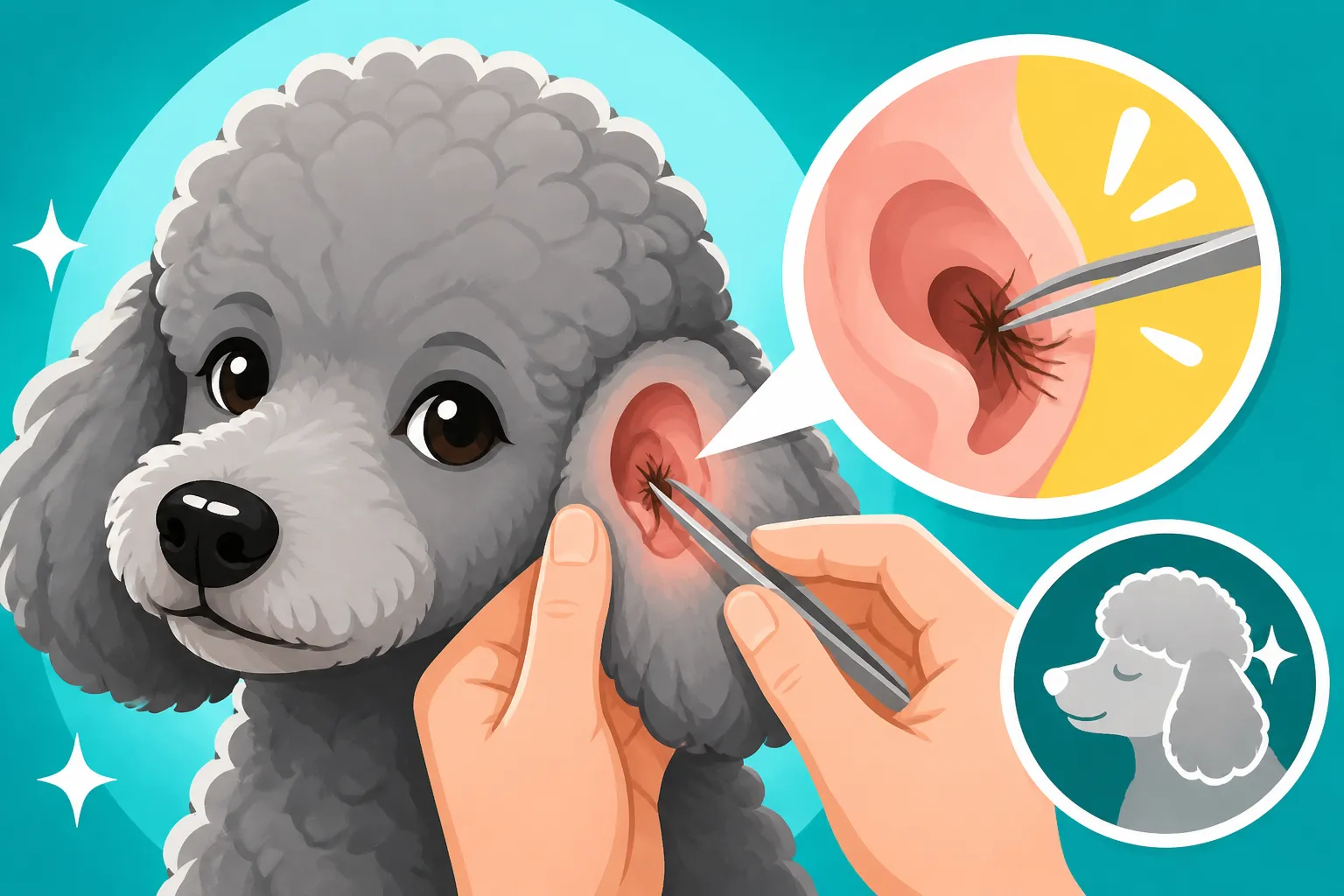
Plucking Hair From a Poodle’s Ear Canal
The dense, soft hair that Poodles are famous for can, unfortunately, also be the bane of their existence, especially when it comes to their ears. Many Poodle owners face the frustrating challenge of excessive hair growth deep within their dog's ear canals, leading to trapped moisture, wax, and debris. This creates a dark, warm, and humid environment—a perfect invitation for yeast and bacterial infections that can cause severe discomfort, pain, and recurring vet visits. This guide is here to unravel the mystery of why Poodles are prone to this issue and provide you with a detailed, empathetic walkthrough on how to safely and effectively manage the hair in your Poodle's ear canals through plucking, when appropriate, and alternative solutions to keep those sensitive ears healthy and clear.
Understanding Why Poodle Ears Get So Hairy
It’s a common lament among Poodle enthusiasts: "Why are their ears such a magnet for trouble?" The answer lies in a combination of their unique coat type and their ear structure. Unlike many breeds with smooth coats or erect ears, Poodles have a continuously growing coat that extends even into the ear canal, combined with floppy, drop ears that limit airflow. This perfect storm sets the stage for a host of potential problems if not properly managed.
The Unique Poodle Coat and Ear Anatomy
Poodles, regardless of their size – be it Standard, Miniature, or Toy – share that signature dense, curly coat that never stops growing. While wonderful for those with allergies because it minimizes shedding, this characteristic also means hair grows everywhere, including deep inside the ear canal. Picture it: a tiny, winding tunnel already prone to warmth and humidity, now lined with a thick carpet of hair. This isn't just stray strands; it can be a significant amount of fluffy growth, sometimes completely obscuring the canal opening.
Compounding this is the Poodle’s ear structure. Their ears are long and pendulous, hanging down over the ear canal. This drop-ear design, while undeniably charming, effectively seals off the ear canal from the outside world. It prevents air from circulating freely, which means any moisture that gets in – from a bath, a swim, or even just humidity in the air – stays trapped. This creates a warm, moist, and dark environment, which is exactly what yeast and bacteria thrive on. It’s a design flaw, in a way, but one we learn to manage for our beloved companions.
How Ear Hair Contributes to Ear Infections
That fluffy ear hair acts like a natural dam, blocking normal airflow and trapping everything that shouldn't be in there. Think about it: earwax, tiny bits of dead skin, environmental dust, pollen, and even water droplets from a refreshing swim or bath all get caught in that dense hair. Instead of naturally working their way out or drying, they remain lodged deep within the canal. This creates a build-up that irritates the sensitive skin of the inner ear, leading to inflammation.
Once the ear canal becomes irritated and blocked, it becomes a prime breeding ground for opportunistic infections. Yeast infections are incredibly common, often presenting with a distinct, yeasty odor and a brownish discharge. Bacterial infections can also take hold, leading to yellow or green pus, extreme pain, and a very unhappy Poodle. Without proper ventilation, the beneficial bacteria can't thrive, and the problematic ones take over. This is a common reason why Poodle owners frequently ask for advice on Why Drop Ears Trap Moisture in Poodles and how to prevent those uncomfortable, smelly, and often recurring Ear Infections Under a Poodle's Drop Ears.
Recognizing the Signs of Ear Trouble
As Poodle parents, we become experts at noticing subtle changes in our dogs. When it comes to ear issues, early detection is key to preventing a full-blown infection. Your Poodle can’t tell you their ear hurts, so it’s up to you to be vigilant. One of the first things you might notice is increased head shaking. It might start subtly, just a little more often than usual, then escalate to violent shaking that makes their long ears flap.
Another tell-tale sign is pawing or scratching at their ears, sometimes quite vigorously, potentially even breaking the skin around the ear flap. You might also observe a distinct, unpleasant odor coming from the ear, often described as sweet, yeasty, or even rotten, depending on the type of infection. Visual cues include redness or swelling of the ear canal opening, or a discharge that can range from dark brown and waxy (often yeast) to yellow-green and pus-like (usually bacterial). If you gently touch your Poodle's ear base and they flinch or cry out, that's a strong indicator of pain and inflammation.
The Controversial Practice of Ear Plucking
When it comes to managing ear hair in Poodles, few topics spark as much debate among vets, groomers, and owners as ear plucking. On one side, proponents swear by it as essential for hygiene and infection prevention. On the other, critics argue it causes trauma and can even increase the risk of problems. Navigating this conversation requires understanding both perspectives and considering what's best for your individual Poodle.
Arguments For Plucking Ear Hair
For many Poodle owners and professionals, plucking ear hair is a standard, necessary part of routine grooming. The primary argument in favor is simple: removing the dense hair from the ear canal improves airflow significantly. With better air circulation, the warm, moist environment that yeast and bacteria love is greatly reduced, thereby decreasing the likelihood of ear infections. Think of it like clearing out a clogged drain; once the blockage is gone, everything flows much more smoothly.
Furthermore, plucking makes it much easier to clean the ear canal effectively. When the canal is choked with hair, it's nearly impossible for ear cleaner solutions to reach the skin and break down wax and debris. A clear canal allows the cleaner to work its magic, helping to maintain a healthy pH balance and wash away irritants. Many groomers, especially those specializing in Poodles, find that regularly plucked ears are much healthier and easier to manage in the long run. Some pet insurance providers, like Healthy Paws, even cover ear infection treatments, highlighting how prevalent these issues are in breeds like Poodles that require diligent preventative care.
Arguments Against Plucking and Potential Risks
Despite the benefits, there's a strong counter-argument against routine ear plucking, championed by many veterinarians and experienced groomers. The main concern is that plucking, even when done carefully, can cause micro-trauma to the delicate skin lining the ear canal. Each hair follicle that is pulled out can become inflamed, creating tiny open wounds. These irritated follicles and micro-abrasions then become entry points for bacteria, potentially triggering an infection rather than preventing one. It’s like picking a scab – you might think you’re helping, but you could be making it worse.
Another point of contention is the pain and stress involved. Some Poodles are incredibly sensitive, and plucking can be a genuinely uncomfortable, if not painful, experience. A Poodle that has had a bad experience with ear plucking can become ear-shy, making future grooming and veterinary examinations incredibly difficult and stressful. This resistance can lead to more forceful handling, further increasing the risk of trauma and deepening their fear. For a sensitive breed like the Poodle, rebuilding trust after a painful encounter is a long road.
| Aspect | Arguments For Plucking | Arguments Against Plucking |
|---|---|---|
| Airflow & Moisture | Significantly improves airflow, reducing moisture trap. | Can lead to inflamed follicles, trapping moisture. |
| Cleaning | Allows ear cleaners to reach skin and remove debris more effectively. | Creates micro-trauma, allowing bacteria to enter easily. |
| Infection Risk | Reduces environment for yeast/bacteria, preventing infections. | Can introduce bacteria or irritate follicles, causing infection. |
| Pain/Discomfort | Minimal discomfort if done gently and regularly. | Can be painful and stressful for sensitive dogs. |
| Long-Term Health | Prevents chronic infections from hair blockage. | Can lead to chronic irritation and ear-shyness. |
| Veterinary Stance | Recommended by some vets for high-hair breeds with recurrent issues. | Many vets advise against routine plucking unless medically necessary. |
When Plucking Might Be Recommended by Vets
Given the debate, when is plucking truly the right course of action? Most veterinarians agree that routine, preventative plucking for every Poodle is not necessarily beneficial and can even be detrimental. However, there are specific scenarios where a vet might recommend or perform ear plucking. If your Poodle suffers from chronic, recurring ear infections directly attributable to a dense blockage of hair within the ear canal, and other methods of managing moisture and cleaning have failed, then plucking might be considered.
This decision is often made after a thorough examination of the ear canal by your vet, sometimes even using an otoscope to assess the extent of hair growth and the condition of the skin. They might suggest a controlled, gentle plucking of only the most problematic hair, rather than a full clearing. It’s a nuanced approach, prioritizing the individual dog’s health and comfort. If your vet does recommend plucking, they will likely advise on proper technique or offer to do it themselves to ensure it's done as safely and painlessly as possible, minimizing the risks of further irritation.
Your Step-by-Step Guide to Safe At-Home Ear Plucking
If you and your vet decide that at-home ear plucking is appropriate for your Poodle, it’s crucial to approach it with caution, gentleness, and the right tools. The goal isn't to rip out hair, but to carefully remove excess growth to improve ear health. Remember, if your Poodle is in pain or resisting strongly, stop and consult a professional.
Essential Tools for Poodle Ear Care
Before you even think about reaching for your Poodle’s ears, gather all your supplies. Having everything ready will make the process smoother and less stressful for both of you. First, you'll need ear powder, specifically formulated for dogs. This powder helps to grip the hair and provides a little bit of anesthetic effect to reduce discomfort. Brands like R-7 Ear Powder or Bio-Groom Ear Powder are popular choices among groomers and owners. Next, you'll need a good pair of blunt-nosed hemostats or ear forceps. These are long, thin tools that allow you to reach into the ear canal and grasp small tufts of hair without accidentally poking your Poodle. Investing in quality tools is key, as cheaply made ones can rust or lose their grip. You can find these as part of a larger kit when looking at Grooming Tools a Poodle Owner Must Buy.
Beyond the plucking tools, you'll also need a high-quality canine ear cleaner. This is essential for cleaning the ear before and after plucking to remove wax, debris, and any dislodged hairs, and to help soothe the skin. Always choose a cleaner specifically designed for dogs, as human products can be too harsh. Finally, have plenty of cotton balls or soft gauze pads on hand for applying the cleaner and wiping out the ears. Never use Q-tips in the ear canal, as they can push debris deeper and damage the eardrum.
Preparing Your Poodle for the Process
Preparation starts well before you even pick up the hemostats. Your Poodle needs to be comfortable with ear handling. Start by regularly touching, examining, and gently massaging their ears as part of your daily routine. Offer treats and praise to create a positive association. This foundational training is vital and applies to all aspects of grooming, including learning to hold still for general tasks like teaching a Poodle to enjoy grooming. If your Poodle is already resistant, work slowly over several days or weeks to build their tolerance. You might even consider having a helper to gently hold your Poodle while you work, especially if they are a bit squirmy.
Before you begin plucking, give your Poodle a thorough ear cleaning with a good canine ear cleaner. This will help remove any loose debris, soften wax, and allow you to see the hair more clearly. Simply fill the ear canal with the cleaner (following product instructions), gently massage the base of the ear for 30 seconds, and then let your Poodle shake their head. After they shake, use a cotton ball to wipe out any visible dirt and excess cleaner from the outer ear and the entrance of the canal. Allow their ears to air dry completely or use a soft towel before moving on to plucking.
The Gentle Plucking Technique
With your Poodle calm and ears cleaned, you’re ready to begin. Start by applying a small amount of ear powder into the ear canal. Gently massage the base of the ear to distribute the powder, which helps to dry any moisture and provides a better grip on the hair. Wait a minute or two for the powder to take effect. Then, using your hemostats, grasp only a very small tuft of hair at a time. Aim for 3-5 hairs, no more. The key here is tiny, manageable sections.
Grasp the hairs firmly but gently, close to the skin, and pull with a quick, decisive motion, straight out. Think of it like pulling a single hair from your eyebrow – quick and confident, not a slow tug. Poodles often don’t react much to tiny tufts if done correctly. Continue this process, working your way around the ear canal, removing small sections until the canal opening is clear and you can see down into it. Avoid plucking excessively deep or attempting to clear every single hair. The goal is to open the canal for airflow, not to create a completely barren, irritated landscape. Regularly reward your Poodle with praise and tiny, high-value treats throughout the process to keep it positive.
Aftercare and Prevention
Once you’ve finished plucking, it’s crucial to follow up with proper aftercare. Immediately after plucking, the ear canal may be a little sensitive and inflamed, which is normal. Re-clean the ears with a soothing ear cleaner to flush out any stray hairs and calm the irritated skin. This is where a good routine for Cleaning a Poodle's Ears After a Bath comes in handy. Some vets even recommend a gentle antiseptic ear flush to prevent any bacteria from taking hold in those freshly opened follicles.
Keep an eye on your Poodle’s ears for the next 24-48 hours. Watch for excessive redness, swelling, or any signs of increased discomfort. If you notice a foul odor or discharge developing, contact your vet, as it could indicate an infection. Regular maintenance is also critical. Poodle ear hair grows continuously, so plan to check and potentially pluck their ears every 3-4 weeks. Consistency helps keep the hair from building up excessively, making each session quicker, less painful, and less stressful. Diligent grooming helps prevent serious issues down the line, saving you from potentially expensive vet bills that insurance providers like Healthy Paws are there to help with if unexpected problems arise.
When to Seek Professional Help for Poodle Ear Health
Even with the best at-home care, there are times when your Poodle's ears demand professional attention. Knowing when to reach out to your veterinarian or a professional groomer is critical for your Poodle's comfort and long-term ear health. Ignoring persistent problems can lead to chronic infections, hearing loss, and even more complicated treatments.
Signs Your Poodle Needs a Vet or Groomer
If your Poodle is exhibiting any of the severe signs of ear trouble mentioned earlier—such as intense scratching, head shaking, crying out when touched, a foul odor, or visible discharge—it's time to call your vet immediately. Do not attempt to pluck or aggressively clean an already infected ear, as you could cause more pain and push the infection deeper. A veterinarian needs to diagnose the specific type of infection (yeast, bacterial, or both) and prescribe appropriate medication, which might include antibiotic or antifungal ear drops, or even oral medications for severe cases.
Another situation warranting professional help is if you find ear plucking too difficult, stressful, or painful for your Poodle, despite your best efforts. Some Poodles simply have too much hair, are too sensitive, or become too agitated for safe at-home plucking. In such cases, forcing the issue can damage your relationship with your dog and cause physical harm. Similarly, if your Poodle’s ears get infected frequently, even with regular plucking, it’s a sign that there might be an underlying issue like allergies or an anatomical abnormality that requires veterinary investigation. It's frustrating to keep asking How Often a Plucked Poodle Ear Still Infects when you're doing everything right, which points to a deeper problem. Poodle Allergies and Skin Reactions can often manifest as chronic ear issues, requiring a vet to pinpoint the root cause.
Professional Grooming Services for Ear Care
Many professional groomers offer ear cleaning and hair plucking as part of their standard grooming packages, or as a standalone service. If you're uncomfortable doing it yourself, or if your Poodle is too wiggly, a professional groomer can be a fantastic resource. They have specialized tools, techniques, and experience dealing with a wide variety of Poodle temperaments. They are often incredibly efficient, making the process quick and minimizing stress for your Poodle.
A good groomer will also be able to recognize early signs of infection and advise you to see a vet if they suspect a problem. They understand the intricacies of the Poodle coat and how to maintain overall hygiene, including ear care. While the cost of professional grooming can add up—What Grooming Adds to a Poodle's Lifetime Cost is a real consideration for Poodle owners—the peace of mind and the benefit to your Poodle's health are often well worth it. You can inquire about Professional Grooming Costs by Poodle Size when budgeting for your Poodle's ongoing care. Many groomers also include thorough ear cleaning as part of their regular Bathing and Drying a Poodle service, ensuring your Poodle's ears are fresh and clean after every visit.
Alternative Treatments for Ear Health
Beyond plucking, there are other strategies and products that can help maintain your Poodle's ear health. For Poodles with sensitive ears that react poorly to plucking, or those whose ear hair isn't excessively dense, some vets recommend simply using a good quality ear cleaner regularly (once a week or every two weeks) to keep the canals clean and dry. These cleaners often contain drying agents and mild antiseptics to prevent bacterial and yeast overgrowth. Regular wiping of the outer ear flap and canal entrance with a cotton ball after baths or swims is also essential.
Some Poodle owners find that certain diets can impact ear health, especially if food allergies are at play. If your Poodle has recurrent ear infections, discussing a hypoallergenic diet with your vet might be beneficial. Lastly, maintaining good overall hygiene and a strong immune system through proper nutrition and regular exercise contributes to your Poodle’s general health, which in turn can bolster their resistance to infections, including those in their ears. Always discuss any persistent ear issues with your veterinarian; they can provide the most accurate diagnosis and tailored treatment plan for your beloved Poodle.
Disclaimer
Please note that the information provided in this article is for educational purposes only and should not be considered a substitute for professional veterinary advice. Always consult with your veterinarian for any health concerns or before making any decisions about your Poodle's medical care or treatment.