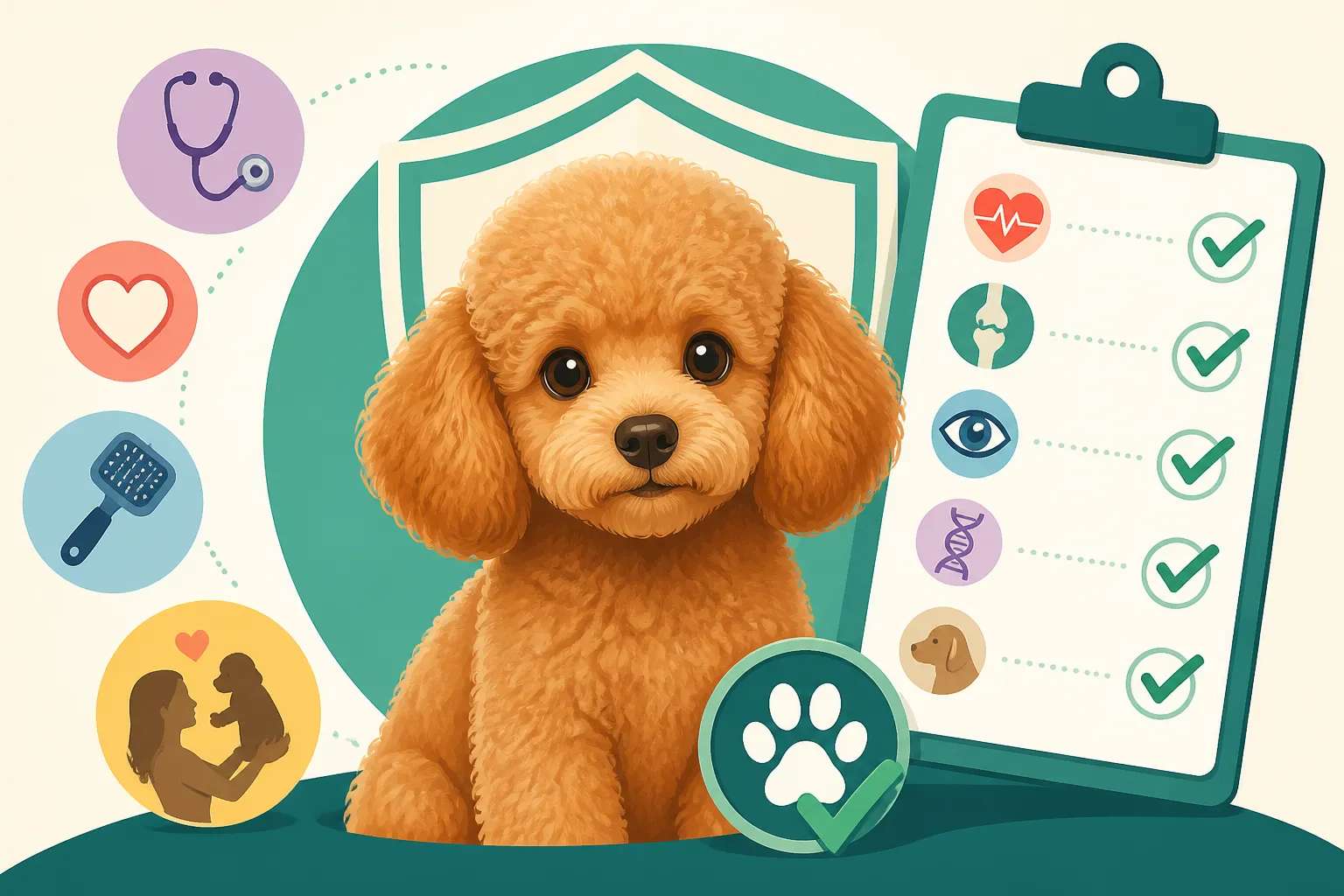
What a Toy Poodle Breeder Screens For
It can be incredibly disheartening to fall in love with a tiny, fluffy Toy Poodle puppy, only to discover later that your beloved companion is silently suffering from a painful or debilitating genetic condition. Many prospective owners feel overwhelmed trying to decipher breeder claims and understand what truly constitutes responsible health testing. This guide is here to unravel the complexities, detailing exactly what a reputable Toy Poodle breeder screens for to ensure the healthiest start for their puppies.
The Absolute Necessity of Health Screening for Toy Poodles
Bringing a Toy Poodle into your home is a commitment to a decade or more of companionship, and part of that commitment involves understanding their unique health needs. While Poodles are generally robust, their smaller size, particularly the Toy variety, makes them susceptible to certain genetic conditions that might not be immediately obvious in a cute, bouncing puppy. Responsible breeders aren't just selling a dog; they're upholding the health and integrity of the breed, and the cornerstone of that is comprehensive health screening of their breeding stock.
The frustrations for new owners often stem from a lack of transparency or understanding. You might hear a breeder say, "My dogs are healthy, they've never had any issues," but that's not the same as having documented, certified health clearances. Genetic conditions can be recessive, meaning parents can be carriers without ever showing symptoms themselves, yet pass the gene onto their offspring. This is why official screening is so vital. It's about looking beyond what meets the eye and proactively ensuring that the next generation isn't predisposed to unnecessary suffering. Ignoring these screenings is like building a house on shaky ground – it might look fine for a while, but problems are bound to surface.
Essential Orthopedic Screenings for Toy Poodles
Orthopedic issues can be particularly painful and costly for small dogs like Toy Poodles, often requiring extensive veterinary intervention. A good breeder will prioritize screening for conditions that impact joint and bone health, ensuring their breeding animals contribute healthy genetics to future litters.
Luxating Patella Examination
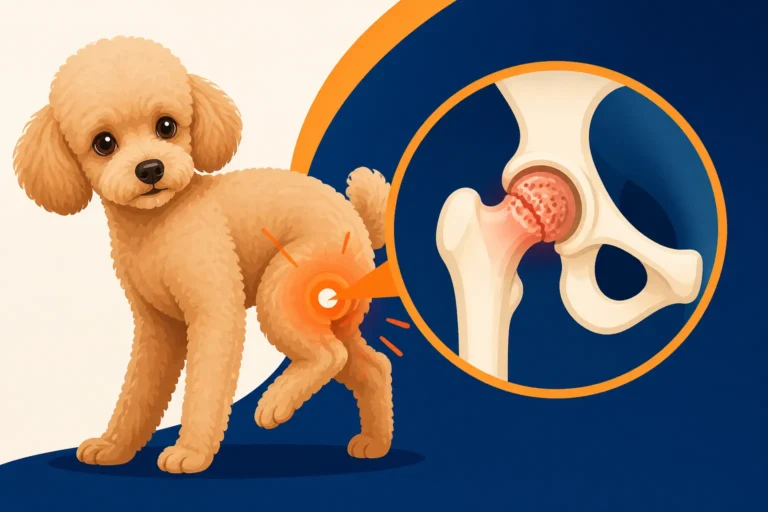
One of the most common orthopedic concerns in Toy Poodles, and indeed many small breeds, is luxating patella. This condition refers to the kneecap (patella) slipping out of its normal groove in the thigh bone (femur). It can range from a minor, occasional pop to a severe, constant dislocation that causes significant pain and lameness. You might notice your Toy Poodle occasionally skips a step, holds a leg up for a few strides, or bunny-hops. While not always an emergency, it can lead to arthritis and require surgical correction if severe.
A reputable breeder will have their breeding Toy Poodles examined by a veterinarian, often a specialist, to check for patellar luxation. The Orthopedic Foundation for Animals (OFA) offers a Patellar Luxation Database, where vets can submit examination results. The veterinarian manually manipulates the kneecap to assess its stability and grade any luxation present. This grading system ranges from Grade 0 (normal) to Grade 4 (severe, constant luxation). Breeders should only use dogs with Grade 0 or, at most, a very mild Grade 1, for breeding, and even then, only if paired with a completely clear mate. Asking to see the OFA certificates for both parents is crucial. If you want to learn more about this specific issue, we have a detailed article on Luxating Patella in Toy and Miniature Poodles.
Legg-Calve-Perthes Disease Checks
Another orthopedic condition that can affect small breeds like Toy Poodles, though less frequently than luxating patella, is Legg-Calve-Perthes disease (LCPD). This is a degenerative disease of the hip joint where the head of the femur (thigh bone) spontaneously degenerates due to a temporary interruption of blood supply. Over time, the bone dies and collapses, leading to arthritis and severe pain. It typically manifests in puppies between 5 and 8 months of age, often causing limping, pain, and muscle wasting in the affected leg.
While there isn't a specific genetic "test" like a DNA swab for LCPD, breeders whose lines have historically seen cases of LCPD should be extra diligent. Screening for LCPD primarily involves a thorough physical examination of the hips by a veterinarian. If there's any suspicion, X-rays are taken to confirm the diagnosis. A responsible breeder will be transparent about their lines and any historical incidences of LCPD, working to avoid breeding dogs that might carry a predisposition. This condition is a good example of why a breeder's overall commitment to health and their long-term knowledge of their lines is so important, extending beyond just standard certifications.
Ophthalmic and Broader Genetic Health Considerations
Beyond physical structure, the genetic health of a Toy Poodle's eyes and other systems is paramount. Conditions affecting vision can severely impact a dog's quality of life, and other genetic diseases, while perhaps less common, still warrant careful screening.
Progressive Retinal Atrophy Screening
Progressive Retinal Atrophy (PRA) is a group of genetic diseases that cause the degeneration of the retina, eventually leading to blindness. In Poodles, particularly the Miniature and Toy varieties, the most common form is Progressive Rod-Cone Degeneration (prcd-PRA). This condition is insidious because it often starts with night blindness and progresses slowly, so you might not notice significant vision loss until your dog is several years old. Imagine your active, playful Toy Poodle gradually losing their ability to see the world around them – it's heartbreaking.
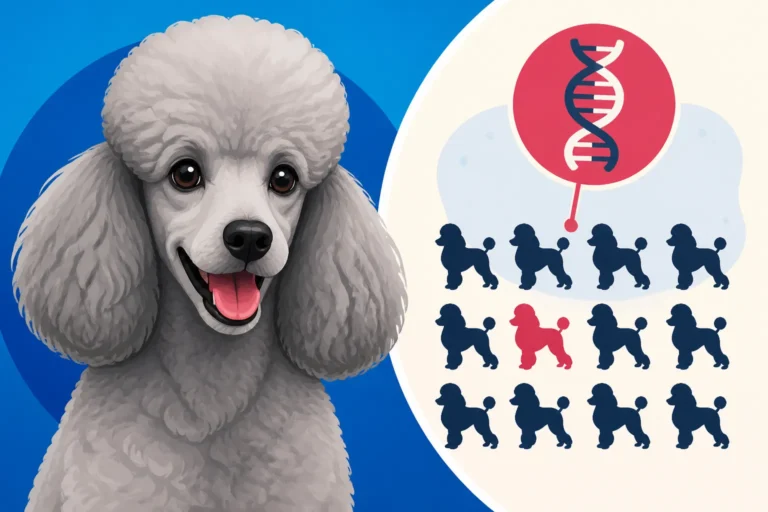
Fortunately, there is a highly reliable DNA test available for prcd-PRA. This test can identify whether a dog is clear, a carrier, or affected by the disease. Reputable Toy Poodle breeders will test all their breeding dogs for prcd-PRA. They should be able to provide documentation showing that both parents are "Clear" (meaning they don't carry the gene) or that one parent is "Clear" and the other is a "Carrier" (meaning they won't produce affected puppies, but some puppies might be carriers). Breeding two carriers together is a massive red flag, as it guarantees that some puppies will be affected and go blind. Don't hesitate to ask for the DNA test results; they are typically submitted to labs like OptiGen or Paw Print Genetics. You might find our article on DNA Testing a Poodle for PRA helpful for more information on this critical screening.
Congenital Heart Defect Evaluation
While not as prevalent as a specific, widespread genetic heart disease in Toy Poodles as in some other breeds, general cardiac health is still a consideration for any breeding dog. Congenital heart defects are structural abnormalities of the heart or great vessels present at birth. These can range from mild, asymptomatic murmurs to severe conditions that significantly impact a dog's lifespan and quality of life.
A thorough general veterinary examination by the breeder's vet should include auscultation of the heart to check for murmurs or arrhythmias. If a murmur is detected, further investigation, such as an echocardiogram performed by a veterinary cardiologist, would be warranted before a dog is cleared for breeding. While a minor murmur might sometimes be deemed benign, a responsible breeder will always err on the side of caution and exclude dogs with significant congenital heart issues from their breeding program. This helps ensure that the overall health of the breed remains strong.
Comprehensive Genetic Panels and Breeder Due Diligence
Modern veterinary science offers an array of tools to help breeders make informed decisions. Beyond specific conditions, a responsible breeder will consider a holistic approach to health, including extensive genetic panels and a deep understanding of their individual dogs' lineages.
Expanding Beyond Basic DNA Testing
While prcd-PRA is critical, genetic testing has evolved significantly. Many companies now offer comprehensive genetic panels that screen for dozens of potential inherited conditions relevant to Poodles. While not all of these conditions might be highly prevalent or severe in Toy Poodles specifically (for instance, Von Willebrand Disease type I is more critical for Standard Poodles, as explored in Von Willebrand Disease in Poodles), a truly dedicated breeder will run a broad panel to gain as much insight as possible into their dogs' genetic makeup.
These panels can identify carriers for other less common conditions, allowing breeders to make informed pairing decisions to avoid producing affected puppies. Think of it like a safety net – the more you know about the genetic predispositions, the better you can plan to mitigate risks. These tests are usually done with a simple cheek swab or blood sample, and results are typically available within a few weeks. Asking a breeder what full genetic panel they use (e.g., from Embark or Optimal Selection) and reviewing those results for their breeding dogs is a sign of their commitment to genetic health.
The Importance of Overall Health and Temperament
Beyond specific genetic tests, a responsible Toy Poodle breeder also evaluates the overall health and temperament of their breeding dogs. This includes:
- Regular Veterinary Check-ups: Ensuring parents are current on vaccinations (like those discussed in Poodle Vaccination and Preventive Schedule), parasite prevention, and have no underlying chronic health issues. A vet isn't just checking for genetic diseases but the general well-being of the animal.
- Good Structure and Conformation: While Toy Poodles might be small, good structure is still vital for their long-term health and mobility. Dogs with sound movement and good body proportion are less likely to develop secondary orthopedic issues.
- Excellent Temperament: A Poodle’s sensitive nature means temperament is key. Breeders should be selecting for confident, friendly, and stable temperaments. Parents with extreme shyness, aggression, or anxiety should not be bred, as these traits can be inherited. You'll want a well-adjusted puppy, not one prone to excessive fear or reactivity, which can sometimes be exacerbated by their small size.
- Clean and Healthy Environment: Observing the breeding environment can tell you a lot. Are the puppies and parents clean, well-fed, and socialized? Are they living in a home setting or a sterile, impersonal kennel? A breeder dedicated to their dogs' health will provide a stimulating and hygienic environment.
What to Ask a Prospective Toy Poodle Breeder
Finding a truly responsible Toy Poodle breeder requires you to be an informed consumer. Don't be shy about asking direct questions and requesting proof of screenings. A good breeder will welcome your inquiries and be proud to share their documentation.
Here's a list of crucial questions to ask:
- "Can I see the health clearances for both parents, including OFA certifications for patellas and DNA test results for prcd-PRA?" Look for official documents, not just verbal assurances. The documents should clearly state the dog's registered name, microchip or tattoo number, and the results.
- "What other genetic tests or health screenings do you perform on your breeding dogs?" A comprehensive breeder might also test for conditions like Von Willebrand Disease (even if less common in Toys) or other genetic markers through a full panel.
- "What is the health history of this particular line? Have there been any instances of serious health issues in previous generations or litters?" An honest breeder will be transparent about challenges and how they've addressed them.
- "What steps do you take to socialize your puppies?" This isn't a direct health screening, but early socialization is crucial for a Toy Poodle's mental health and ability to cope with the world, impacting their overall well-being.
- "Can I meet the puppy's parents (or at least the mother)?" Observing the parents' health, temperament, and living conditions is invaluable.
- "What is your contract like, and does it include a health guarantee?" Reputable breeders often provide a health guarantee against specific genetic conditions, typically for a year or two. Understand the terms of this guarantee.
When you're looking into bringing a new Poodle into your life, thinking about their health is crucial, and it’s wise to also consider how you’ll manage unexpected vet bills. Insurance providers like Healthy Paws offer peace of mind when it comes to unforeseen medical costs, helping families ensure their beloved Poodles receive the care they need without financial strain.
Red Flags to Watch Out For When Choosing a Breeder
Unfortunately, not all breeders operate with the same high standards. Being aware of red flags can save you from heartbreak and significant financial burden down the line.
| Red Flag | Why It's a Concern | What to Expect from a Good Breeder |
|---|---|---|
| No Health Clearances/Vague Answers | The biggest red flag. This indicates a lack of screening or attempts to hide issues. | Will readily provide official OFA/CHIC numbers, DNA test results, and veterinary records for parents. |
| Doesn't Allow You to Meet Parents/See Facility | Could be hiding unsanitary conditions, poor temperament, or a puppy mill setup. | Welcomes visits to see the parents (at least the mother) and the environment where puppies are raised. |
| Multiple Breeds for Sale | Often a sign of a high-volume breeder prioritizing profit over breed health. | Typically specializes in one or two breeds, deeply knowledgeable about their specific health and temperament needs. |
| Puppies Available Immediately | Good breeders usually have waiting lists due to demand and careful planning. | Has a thoughtful breeding schedule, often with a waiting list for puppies. |
| "Cash Only" or No Contract | Lack of professionalism and accountability, leaving you with no recourse. | Provides a detailed contract, including a health guarantee, spay/neuter clauses, and rehoming policies. Accepts various payment methods. |
| Priced Significantly Lower Than Average | Often indicates corners were cut (no health testing, poor care, unknown lineage). | Prices reflect the significant investment in health testing, quality food, vet care, and time dedicated to their breeding program. |
| Focuses Solely on "Rare" Colors | Prioritizing aesthetics over health and temperament can lead to unsound dogs. | Focuses on health, temperament, and conformation first; color is a secondary consideration within the breed standard. |
| Puppies Sent Home Before 8 Weeks | Crucial socialization happens between 6-8 weeks; early departure can cause issues. | Keeps puppies until at least 8 weeks of age, allowing them vital time with their mother and littermates. |
Remember, purchasing a puppy is not just a transaction; it's selecting a family member. Taking the time to research thoroughly and choose a responsible breeder, such as one who actively promotes genetic screening and transparency, will significantly increase your chances of bringing home a healthy, well-adjusted Toy Poodle. It's an investment that pays dividends in joy and companionship for years to come. Thinking ahead and preparing for the unexpected, perhaps with pet insurance from providers like Healthy Paws, can further protect your precious Poodle.
Disclaimer
Please remember that this article provides general information and should not replace professional veterinary advice. Always consult with a qualified veterinarian for any health concerns or before making decisions about your pet's care.