Toy Poodle Kneecaps and Windpipes
It's incredibly disheartening when our precious Toy Poodles, despite their vibrant personalities, face health challenges that stem from their very size. Owners often grapple with the worry of delicate joints and fragile airways, especially when their tiny companions show signs of discomfort or struggle. This comprehensive guide aims to demystify two common, yet often distressing, conditions in Toy Poodles: luxating patella, concerning those adorable kneecaps, and collapsing trachea, which affects their little windpipes, offering deep insights into understanding, managing, and preventing these issues.
The Delicate Nature of Toy Poodle Anatomy
Our tiny Poodles are bundles of joy, but their small stature comes with a unique set of anatomical considerations that can make them more susceptible to certain health issues. It's not just about being small; it's about the intricacies of how their smaller bodies are structured and function, which demands a more watchful eye from us as their devoted caregivers.
Why Small Size Comes with Unique Vulnerabilities
When you compare a Standard Poodle to a Toy Poodle, it's clear that the sheer difference in size translates to differences in skeletal and respiratory systems. Toy Poodles possess bones that are finer and more delicate, making them more prone to certain orthopedic problems. Think of it like miniature engineering – every component is scaled down, and sometimes, those scaled-down components face disproportionate stresses. For instance, the grooves that hold their kneecaps in place can be shallower, and the cartilage rings forming their windpipes can be less rigid, leading to common issues that we'll explore in detail. Their metabolic rates are also often higher, which, while not directly causing these issues, can influence recovery and overall resilience. We see these vulnerabilities manifest in their joints and airways, which often bear the brunt of everyday activity.
The Importance of Early Veterinary Care and Observation
Given these inherent vulnerabilities, proactive and attentive care from the moment you bring a Toy Poodle puppy home is absolutely critical. This isn't just about routine vaccinations; it's about establishing a baseline for their health and catching any potential issues before they escalate. A good veterinarian experienced with small breeds will pay close attention to gait, joint stability, and respiratory sounds during those initial puppy checks. As an owner, you become the primary observer. Are they skipping a step when they run? Do you hear a strange "honk" when they get excited? These subtle signs, easily missed in a larger, more robust breed, can be early indicators of trouble in a Toy Poodle. Regular check-ups, even when they seem perfectly healthy, allow your vet to monitor their development and address any emerging concerns promptly. The sooner these conditions are identified, the more effective and less invasive the management strategies tend to be, safeguarding your tiny friend's quality of life.
Understanding Luxating Patella in Toy Poodles
One of the most common orthopedic concerns for Toy Poodles is luxating patella, a condition that can range from a minor nuisance to a source of significant pain and lameness. It's a hallmark issue in many small breeds, and understanding its mechanics is the first step toward effective management.
What Exactly is a Luxating Patella?
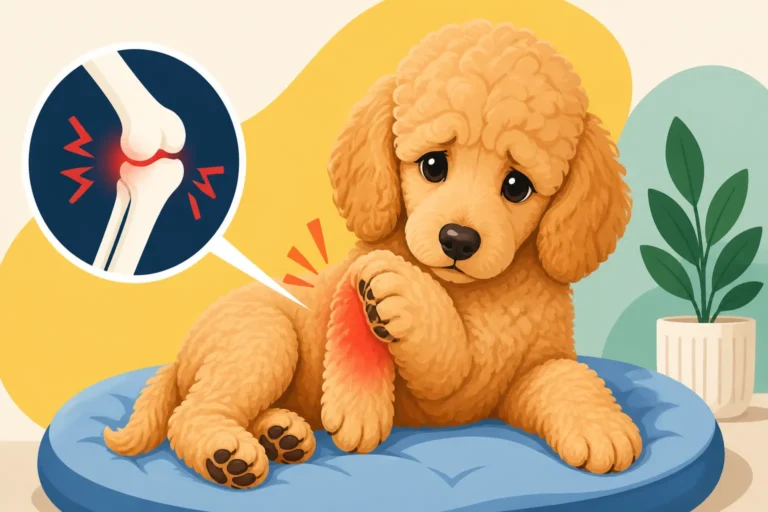
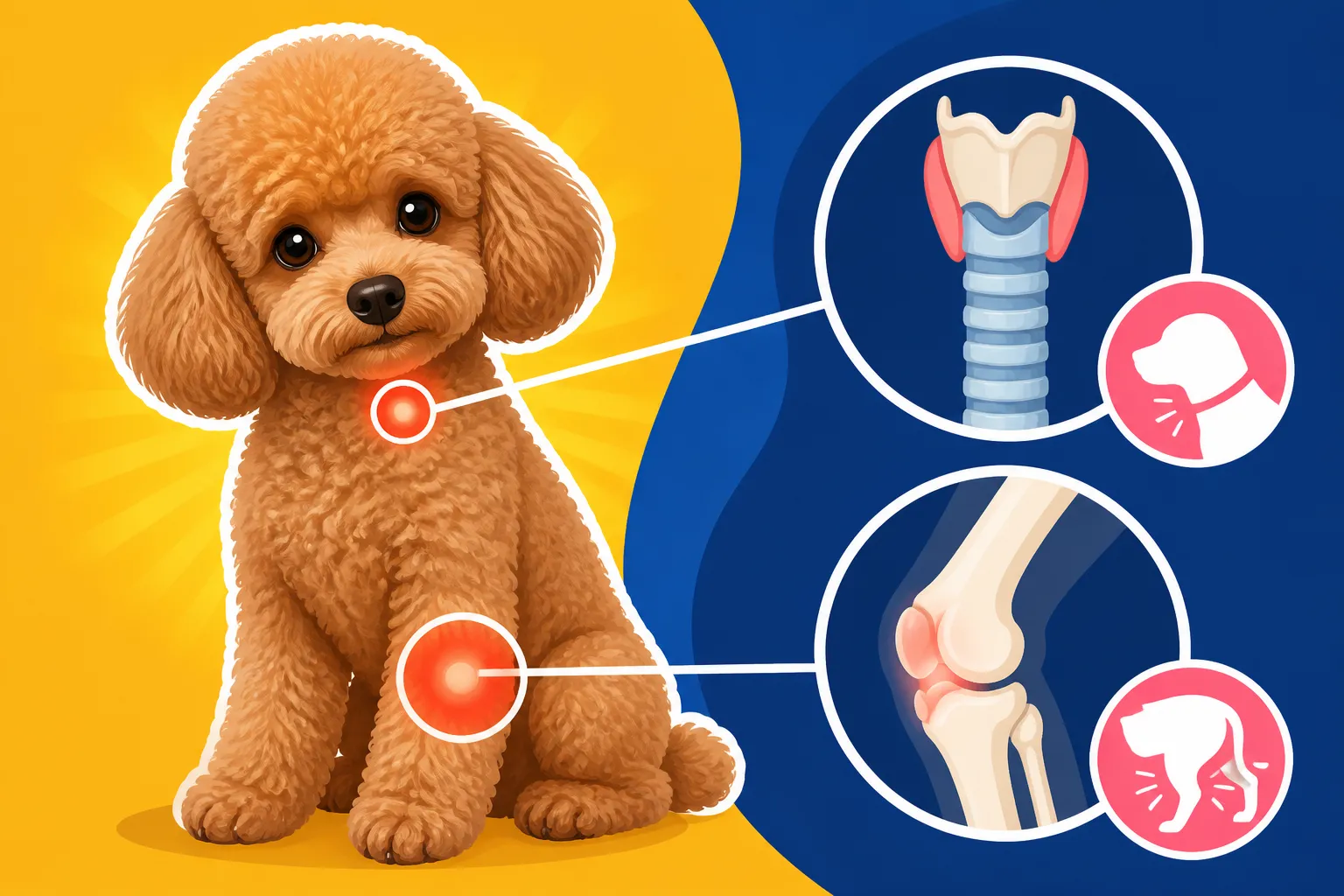
At its simplest, a luxating patella means the kneecap (patella) dislocates or slips out of its normal position. In a healthy knee, the patella sits snugly in a groove at the end of the thigh bone (femur), called the trochlear groove, and slides smoothly up and down when the leg bends and straightens. However, in dogs with luxating patella, this groove can be too shallow, or the alignment of the leg bones might be off, causing the kneecap to pop out. Most commonly, in Toy Poodles, the patella luxates medially, meaning it slips towards the inside of the leg. Less frequently, it might luxate laterally, slipping to the outside. This can happen intermittently, causing the dog to suddenly hold up its leg for a few steps before it pops back into place, or it can be a more persistent issue where the kneecap stays out, leading to continuous discomfort and difficulty walking. The condition often has a genetic component, making careful breeder selection important, though sometimes it can be aggravated by trauma.
Recognizing the Signs and Symptoms
The signs of a luxating patella can vary widely depending on the severity of the condition. You might notice your Toy Poodle suddenly skipping a step while running, holding one back leg up for a few seconds, or even briefly bunny-hopping with both back legs together. This intermittent lameness is usually the first clue. Imagine walking along, and your knee suddenly feels like it's out of place – that's often what your Poodle is experiencing. They might shake their leg, try to extend it out behind them, or even yelp if it's painful.
For milder cases, these episodes might be rare and self-correcting, with your dog appearing completely normal otherwise. However, as the condition progresses or becomes more severe, the lameness can become more frequent, more prolonged, or even constant. You might observe a reluctance to jump onto furniture, climb stairs, or engage in their usual playful activities. Some dogs might develop a bowed-leg appearance if the condition is long-standing and severe. It's crucial to pay close attention to these subtle changes in gait or behavior. Your veterinarian will typically grade the luxation from Grade I (mild, occasional slipping) to Grade IV (severe, permanently dislocated patella) during a physical examination, which helps determine the best course of action. For a more detailed breakdown of these classifications, you might find it helpful to read about the Grades of Patellar Luxation in a Toy Poodle.
Diagnosis and Treatment Options
Diagnosing a luxating patella typically begins with a thorough physical examination by your veterinarian. They will gently manipulate your Poodle's knee joint, attempting to manually luxate the patella to assess its stability and how easily it slips out of place. This palpation helps determine the grade of luxation. While X-rays are less effective at directly diagnosing the patellar movement itself, they are invaluable for assessing the overall alignment of the bones in the leg, the depth of the trochlear groove, and checking for any secondary changes like arthritis or other concurrent issues that might contribute to the lameness. This comprehensive view helps rule out other orthopedic problems and guides surgical planning if needed.
Treatment options depend heavily on the severity of the luxation and the impact it's having on your Poodle's life. For mild cases (Grade I or II) where there's minimal pain and intermittent lameness, conservative management is often recommended. This includes strict weight control to reduce stress on the joint, joint supplements containing glucosamine and chondroitin, and possibly anti-inflammatory medications during flare-ups. Controlled exercise, avoiding high-impact activities like jumping, and even physical therapy can strengthen the muscles around the knee, providing more stability.
However, for higher grades of luxation (Grade II that's painful, Grade III, or Grade IV), or when conservative measures fail to alleviate pain and improve quality of life, surgical intervention is often the best path forward. There are several surgical techniques designed to correct the problem:
- Trochlear Wedge or Block Recession: This involves deepening the trochlear groove in the femur so the patella has a more secure channel to slide within.
- Tibial Crest Transposition: If the patellar ligament (which attaches the kneecap to the shin bone) is misaligned, a section of the tibia where it attaches is cut, moved into a more appropriate position, and then reattached with pins, correcting the pull of the quadriceps muscle.
- Lateral Imbrication: This involves tightening the joint capsule on the side opposite the luxation to help hold the patella in place.
Often, a combination of these techniques is used to achieve the best outcome. The goal of surgery is to stabilize the kneecap, eliminate pain, and prevent the development of debilitating arthritis in the future. The decision to pursue surgery is a significant one, and your vet will discuss the prognosis, potential risks, and recovery period in detail. To dive deeper into when surgical intervention becomes necessary, exploring resources like When a Toy Poodle's Kneecap Needs Surgery can be highly beneficial. Pet insurance, such as a plan from Healthy Paws, can be incredibly helpful for covering the costs associated with diagnostics and potential surgery for this condition, provided it's enrolled before symptoms appear.
Collapsing Trachea in Toy Poodles: A Respiratory Challenge
Beyond their delicate joints, Toy Poodles can also face respiratory challenges, with collapsing trachea being another common concern. This condition, while not always life-threatening, can significantly impact their breathing comfort and activity levels.
The Anatomy of a Toy Poodle's Windpipe
To really grasp what's happening with a collapsing trachea, it helps to understand the normal structure of a dog's windpipe, or trachea. The trachea is like a vacuum cleaner hose, a tube made up of C-shaped rings of cartilage that run from the voice box (larynx) down to the lungs. These cartilage rings are supposed to be firm and keep the airway open, allowing air to pass freely. However, in some small breeds, including Toy Poodles, these rings can be inherently weaker or softer than they should be, or the C-shape can flatten out over time. When this happens, especially in the cervical (neck) portion of the trachea or even deeper in the chest, the airway can narrow or completely flatten, particularly during inhalation or exhalation. This partial or complete collapse restricts airflow, leading to the characteristic symptoms we associate with the condition. It's a structural weakness that essentially makes their breathing tube less resilient, much like a soft straw that gets pinched.
Identifying the Characteristic "Honking" Cough
The most distinctive and often alarming sign of a collapsing trachea is a sudden, dry, harsh cough that sounds very much like a goose honking. It's not a soft, wet cough, but a distinct, often violent expulsion of air. This cough typically worsens with excitement, during or after exercise, when pulling on a leash (especially with a collar putting pressure on the neck), or even when drinking water or eating too quickly. Imagine your Poodle getting worked up over a visitor, barking exuberantly, and then suddenly launching into a series of honking coughs – that's a classic presentation.
Environmental factors can also exacerbate the cough. Exposure to smoke, dust, allergens, or even sudden changes in temperature can trigger an episode. Some owners notice it more prominently first thing in the morning or after their dog has been resting. It's a frustrating symptom for owners to witness, as it often looks and sounds quite distressing for the dog. The intensity and frequency of the cough can vary; some dogs have occasional bouts, while others might experience chronic coughing that significantly impacts their daily lives. If you hear this distinct sound, it's a strong indicator that a vet visit is in order to investigate the cause. Understanding this specific symptom is key, and you can learn more about it in depth by reading The Honking Cough of a Toy Poodle.
Diagnostic Procedures and Management Strategies
Diagnosing a collapsing trachea typically involves a multi-pronged approach. Your veterinarian will start with a thorough physical exam, often gently palpating your Poodle's trachea along the neck. Sometimes, just touching the windpipe or having them cough can trigger the characteristic honking, providing a strong clue. X-rays are commonly used, but they need to be taken at specific points during both inhalation and exhalation, as the collapse can be dynamic – meaning it might only be visible during one phase of breathing. Static X-rays can sometimes miss intermittent collapse. More advanced diagnostics include fluoroscopy, which is a real-time X-ray video that allows the vet to observe the trachea as your dog breathes, and endoscopy, where a tiny camera is inserted into the airway to directly visualize the inside of the trachea and assess the degree and location of the collapse.
Once diagnosed, management strategies are primarily focused on reducing irritation and improving airflow. For most Toy Poodles, medical management is the first line of defense, aiming to control symptoms and improve comfort. This often includes:
- Cough suppressants: Medications like hydrocodone or butorphanol can help reduce the frequency and severity of the cough, giving your Poodle relief.
- Bronchodilators: These can help open the airways, making breathing easier.
- Anti-inflammatory medications: Corticosteroids might be prescribed for short periods to reduce inflammation in the airway, which can contribute to coughing.
- Weight management: Perhaps one of the most crucial lifestyle changes, keeping your Toy Poodle at a healthy weight significantly reduces pressure on the trachea and improves breathing efficiency. Learn more about the profound impact of weight on overall health in Poodle Obesity and Its Consequences.
- Harness over collar: This is non-negotiable for dogs with collapsing trachea. Any pressure on the neck from a collar can compress the already weakened trachea, triggering a coughing fit. A comfortable, well-fitting harness distributes pressure across the chest and shoulders, alleviating strain on the windpipe. This seemingly small change can make a monumental difference in their daily comfort, and the importance of this is detailed in Why Harnesses Matter for a Toy Poodle's Throat.
- Environmental control: Reducing exposure to irritants like smoke, strong perfumes, dust, and allergens is vital. Using a humidifier can help keep airways moist and less irritated.
For many Toy Poodles, a combination of these medical and lifestyle adjustments can provide excellent symptom control, allowing them to lead relatively normal lives. It's an ongoing process of management and observation, often involving lifelong medication and careful daily routines. For those looking to manage this condition effectively without invasive procedures, understanding strategies like those discussed in Managing a Toy Poodle's Trachea Without Surgery is invaluable. Managing chronic conditions like collapsing trachea often involves recurring vet visits, medications, and potentially advanced diagnostics. A comprehensive pet insurance policy, such as one from Healthy Paws, can be a financial lifeline, helping to cover these ongoing costs and ensure your Poodle receives the best possible care without undue financial strain on you.
Overlapping Concerns and Preventative Measures
While luxating patella and collapsing trachea are distinct conditions, they share common threads, particularly when it comes to exacerbating factors and proactive care. Addressing these shared concerns can significantly improve a Toy Poodle's overall health and well-being.
The Link Between Obesity and Joint/Respiratory Issues
It's a truth universally acknowledged in veterinary medicine that extra weight is detrimental to a dog's health, and for Toy Poodles predisposed to joint and respiratory problems, it's a double-whammy. Every extra pound on a small frame dramatically increases the stress on their already delicate knee joints. This added load can hasten the progression of patellar luxation, make it more painful, and accelerate the onset of debilitating arthritis. Imagine carrying a backpack heavier than you should – now imagine doing that with a knee that's already unstable. The impact is profound and directly worsens the condition.
Similarly, obesity places significant pressure on the chest and abdomen, which in turn can compress the trachea. An overweight Toy Poodle will have more difficulty breathing because their lungs have to work harder, and the fat deposits around their neck and chest wall can physically constrict the airway, making a collapsing trachea far worse. Their respiratory system is already compromised by the structural weakness; adding excess weight simply piles on more difficulty. Therefore, maintaining an ideal body weight is not just about aesthetics; it's a critical preventative and management strategy for both luxating patella and collapsing trachea. It’s one of the simplest, yet most impactful, things an owner can do to improve their Poodle's quality of life and reduce the severity of these conditions. Your vet can help you determine the ideal weight for your individual Poodle and recommend a suitable diet and exercise plan to achieve it.
Environmental Considerations for Small Breeds
Creating a safe and comfortable environment is crucial for Toy Poodles, especially those with predispositions to joint and respiratory issues. For luxating patella, protecting their knees means minimizing activities that put undue stress on the joints. This includes avoiding frequent jumping off high furniture, repetitive stair climbing, or rough play that involves sudden twists and turns. Providing ramps or pet stairs for beds and sofas can prevent jarring impacts that might cause the patella to luxate or worsen existing instability. Ensuring good traction on slippery floors with rugs or mats can also prevent slips and falls that could injure their knees.
For collapsing trachea, environmental control focuses on reducing airway irritation. Avoid using air fresheners, strong cleaning chemicals, or scented candles around your Poodle, as these can trigger coughing fits. If you live in an area with air pollution or smoke, consider air purifiers. In dry climates, a humidifier can help keep the air moist, which can soothe irritated airways and reduce coughing. It’s about creating a breathing-friendly space where their delicate respiratory system isn’t constantly battling irritants. These seemingly small adjustments to their living space can make a big difference in preventing flare-ups and maintaining comfort for your sensitive little Poodle.
Proactive Care from Puppyhood
The journey to a healthy adult Toy Poodle begins long before they even come home. Proactive care starts with responsible breeding practices. While not always possible to entirely prevent genetic predispositions, choosing a reputable breeder who prioritizes health can significantly reduce the risk. Such breeders typically screen their breeding stock for common hereditary conditions. For luxating patella, this often means performing Orthopedic Foundation for Animals (OFA) evaluations on the parents to assess knee health and only breeding dogs with sound patellas. While tracheal collapse is more complex and less straightforward to screen for genetically, a good breeder will observe their lines for any history of the condition and aim for structurally sound dogs. When considering a puppy, asking a breeder directly about their health testing protocols is vital. To gain insight into what a responsible breeder focuses on, exploring resources like What a Toy Poodle Breeder Screens For is highly recommended.
Once your Toy Poodle puppy is home, proactive care continues. This includes providing a high-quality diet appropriate for their size and age, ensuring they maintain a healthy weight from day one. Early, controlled exercise helps build strong muscles around their joints without overstressing developing bones. Regular veterinary check-ups are paramount, as your vet can monitor their growth, assess gait, listen to their breathing, and catch any early signs of either condition. Teaching safe play habits and providing appropriate ramps or steps to access furniture as they grow will protect their joints. By investing in these preventative measures from puppyhood, you’re laying the foundation for a healthier, more comfortable life for your cherished Toy Poodle.
Living with a Poodle Diagnosed with These Conditions
Receiving a diagnosis of luxating patella or collapsing trachea can feel overwhelming, but it's important to remember that many Toy Poodles live full, happy lives with these conditions. It simply means adapting your routine and environment to provide the best possible support for your beloved companion.
Adapting Your Home Environment
Once your Toy Poodle is diagnosed with luxating patella or collapsing trachea, taking a good, hard look at your home environment is often the first step in management. For dogs with luxating patella, preventing jumps and falls is paramount. This means providing ramps or small steps for them to easily access furniture like sofas and beds. Consider their primary resting spots – are they jumping down onto hard floors? Providing soft, orthopedic beds or placing rugs on slippery surfaces can cushion impacts and provide better traction, reducing the likelihood of a slip that could trigger a luxation or worsen joint pain. Their living area should be designed to minimize strenuous activity that puts stress on their knees.
For a Toy Poodle with a collapsing trachea, the focus shifts to creating a calm, low-irritant breathing zone. As mentioned, switching from a collar to a harness is critical to avoid any pressure on the throat. Additionally, ensuring good air quality is key. If your home tends to be dry, especially in winter, investing in a humidifier can keep their airways moist and less prone to irritation, reducing coughing episodes. Avoid smoking indoors or using aerosol sprays, strong air fresheners, or heavy perfumes, which can all act as irritants. Think of their environment as a sanctuary for their sensitive airways. While elevated food and water bowls are sometimes recommended for larger dogs to help with digestion and bloat risk, for tiny Poodles with collapsing trachea, make sure the bowls aren't too low, forcing them to crane their necks uncomfortably, or too high, which can cause them to gulp air. Small adjustments like these can significantly improve their daily comfort and reduce symptom flare-ups.
Daily Care and Medication Management
Living with a Toy Poodle who has a chronic condition like luxating patella or collapsing trachea means integrating daily care and, often, medication management into your routine. Consistency is absolutely crucial. If your Poodle is prescribed joint supplements, anti-inflammatory drugs, cough suppressants, or bronchodilators, adhering strictly to the vet's instructions regarding dosage and timing is paramount. Missing doses or giving incorrect amounts can undermine the treatment plan and lead to symptom flare-ups or even adverse effects.
It’s helpful to create a clear schedule for medication and stick to it. Many owners find success using pill pockets or hiding medication in a favorite treat. Keeping a log of medication given and observing any changes in your Poodle's symptoms (better, worse, no change) can be incredibly useful information for your vet during follow-up appointments. Regular follow-ups with your veterinarian are essential. These appointments allow your vet to assess the effectiveness of the treatment plan, make adjustments as needed, monitor for any side effects, and check for progression of the condition. For example, for a Poodle on long-term anti-inflammatories, regular blood work might be needed to monitor liver or kidney function. These check-ups are not just about renewing prescriptions; they are vital for ensuring your Poodle's long-term health and comfort. If your Poodle requires ongoing medication, understanding the financial implications is important; an article like Monthly Medication Costs for an Addisonian Poodle can offer perspective on chronic drug expenses, which pet insurance like Healthy Paws can often alleviate.
Emotional Support and Quality of Life
Beyond the physical adaptations and medical management, providing emotional support and ensuring a high quality of life is central to caring for a Toy Poodle with these conditions. It can be incredibly frustrating for a tiny dog to experience pain when moving or discomfort when breathing. They might become less active, more withdrawn, or even irritable if they are constantly uncomfortable. Your Poodle needs your understanding and patience more than ever.
Find ways to keep their intelligent minds stimulated even if their physical activity is somewhat restricted. Puzzle toys, gentle indoor games, scent work, or learning new tricks that don't strain their bodies can provide excellent mental enrichment. If they can't go on long walks, shorter, more frequent strolls at a slower pace might still be possible, or car rides to new places can offer sensory stimulation. Pay attention to their body language to gauge their comfort levels and avoid pushing them beyond their limits. A happy, mentally stimulated Poodle is better equipped to cope with chronic health issues. Their spirit and bond with you are powerful components of their overall well-being. These conditions can sometimes be emotionally draining for owners too, as you witness your pet's struggles. Remember to seek support if you need it, and take comfort in knowing you are providing the best possible care. The financial burden of long-term care can also be a source of stress, and having a reliable pet insurance policy, like those offered by Healthy Paws, can significantly ease this, allowing you to focus on your Poodle's comfort and happiness.
Surgical Interventions: When and Why
While medical management and environmental adjustments go a long way, there are situations where surgery becomes the most effective, or even necessary, course of action for both luxating patella and collapsing trachea. These are significant decisions, and understanding the rationale and recovery process is vital.
Deciding on Patellar Surgery
The decision to proceed with surgery for a luxating patella is a nuanced one, made in close consultation with your veterinarian and potentially an orthopedic specialist. It's usually considered when conservative management is no longer sufficient to control pain, when the luxation is severe (Grade III or IV), or when it significantly impairs your Toy Poodle's ability to walk, run, and enjoy life. For example, if your Poodle is constantly limping, can't bear weight on the affected leg, or shows signs of chronic pain, surgery offers the best chance for long-term comfort and improved mobility.
Factors influencing the decision include the grade of luxation, the degree of pain your dog is experiencing, the presence of secondary issues like arthritis, and your Poodle's age and overall health. While puppies can undergo surgery, sometimes it's delayed slightly to allow for more bone growth, though prolonged luxation can lead to more severe deformities. The goal is always to restore normal knee function and prevent further damage to the joint. It's a significant investment, both emotionally and financially, but for many dogs, it provides immense relief and a dramatically improved quality of life. For a clearer picture of the financial commitment, exploring resources such as Knee Surgery Prices for a Toy Poodle can be helpful in your planning.
Tracheal Stent Placement
For Toy Poodles suffering from severe collapsing trachea that doesn't respond adequately to medical management, a tracheal stent may be considered. This is a more advanced surgical procedure, typically performed by a veterinary internal medicine specialist or surgeon, and it's generally reserved for cases where the quality of life is significantly compromised by persistent, debilitating coughing and breathing difficulties. A tracheal stent is a small, flexible, self-expanding mesh tube that is placed inside the collapsed portion of the trachea to hold the airway open. It acts as an internal scaffold, preventing the walls of the windpipe from collapsing.
The decision for stent placement is not taken lightly, as it involves potential risks and requires specialized expertise. While stents can dramatically improve breathing and reduce coughing, they are not without complications, which can include stent fracture, granuloma formation (scar tissue around the stent), or continued coughing if the collapse extends beyond the stented area. Post-operative care is crucial and will involve medication to manage coughing and inflammation, along with careful monitoring. Stents are a life-changing intervention for some, but they are generally seen as a last resort when all other medical options have been exhausted. The costs associated with such specialized procedures can be substantial; for an idea of the financial aspect, you might want to look into Tracheal Stent Prices for a Toy Poodle. This is another area where a pet insurance policy from a provider like Healthy Paws can be invaluable, helping to cover the high costs of these advanced treatments.
Post-Operative Care and Recovery
Whether your Toy Poodle undergoes patellar surgery or tracheal stent placement, post-operative care and recovery are critical phases that demand your utmost dedication and patience. For patellar surgery, recovery typically involves a period of restricted activity, often for several weeks, to allow the bones and tissues to heal. This means leash walks only, no jumping, and preventing excessive running or rough play. Pain management is paramount, with prescribed medications to keep your Poodle comfortable. Physical therapy, including gentle range-of-motion exercises, might be recommended to help rebuild muscle strength and improve joint mobility. Monitoring the incision site for any signs of infection or swelling is also essential. The journey back to full activity is gradual, and rushing it can jeopardize the surgical outcome.
For tracheal stent placement, post-operative care focuses on managing inflammation and coughing. Your Poodle will likely be on cough suppressants, anti-inflammatories, and potentially antibiotics. Strict activity restriction will also be necessary to prevent undue stress on the stent. Owners must be vigilant in watching for any signs of respiratory distress, persistent coughing, or changes in their Poodle's breathing. Regular follow-up X-rays or fluoroscopy may be performed to ensure the stent remains properly positioned and effective. In both cases, the long-term outlook is generally good with proper care, but it requires a committed owner to follow all veterinary instructions meticulously. Your veterinary team will provide detailed instructions and support throughout the recovery period, ensuring your Poodle has the best chance at a successful outcome.
The Breeder's Role and Genetic Considerations
When considering a Toy Poodle, it's impossible to overstate the importance of the breeder. Their practices directly influence the health and genetic predispositions of the puppies they produce, including susceptibility to conditions like luxating patella and collapsing trachea.
Responsible Breeding Practices
Responsible breeding is the cornerstone of preventing hereditary health issues in any breed, and it's especially critical for Toy Poodles due to their delicate constitution. A reputable breeder is not simply pairing two Poodles; they are carefully selecting breeding stock based on health, temperament, and adherence to the breed standard. For luxating patella, this means both parent dogs should ideally have been evaluated by a veterinary orthopedic specialist and received an "excellent" or "good" rating from organizations like the Orthopedic Foundation for Animals (OFA) or similar international registries. While OFA does not certify puppies for patellar luxation, breeders will generally wait until breeding dogs are at least 12 months old for initial evaluations, with permanent certification often done at 24 months. They should be transparent about these results and willing to share official documentation.
Tracheal collapse is a more complex issue, often considered multifactorial, meaning both genetic and environmental factors play a role. There isn't a single genetic test that can eliminate the risk entirely, like there might be for other conditions. However, responsible breeders will still prioritize sound structure, good respiratory health in their lines, and will not breed dogs with a known history of severe tracheal collapse. They will be open about the health history of their breeding dogs and their ancestors, discussing any instances of these conditions in their lines. They understand that their choices impact the future health of the breed and the lives of the families who welcome their puppies. This dedication to health testing and transparency is a hallmark of an ethical breeder. To understand more about which health tests truly make a difference, you can explore information on Which Poodle Tests Actually Change Outcomes.
Understanding Inherited Traits vs. Environmental Factors
Both luxating patella and collapsing trachea are conditions where genetics and environmental factors intertwine, though to different degrees. Luxating patella is widely recognized as having a strong inherited component. The conformation of the knee joint, the depth of the trochlear groove, and the alignment of the leg bones are all influenced by genetics. This is why responsible breeders screen their dogs; they're trying to reduce the genetic load for this condition in their lines. While trauma or obesity can exacerbate a luxating patella, the underlying structural predisposition is often genetic.
Collapsing trachea is a bit more complicated. While there's strong evidence that genetics play a role in the inherent weakness of the tracheal cartilage, it's not a simple one-gene inheritance pattern. Environmental factors can significantly trigger or worsen symptoms in a dog with a genetic predisposition. For instance, a dog might inherit weak tracheal rings but live a life with minimal symptoms if kept at a healthy weight, in a smoke-free environment, and always walked on a harness. Conversely, a dog with a mild genetic predisposition might develop severe symptoms if they are overweight, live with smokers, or constantly pull on a collar. This distinction is crucial for owners because it empowers them to take proactive steps to manage the environmental triggers, even if the genetic predisposition is present. It highlights the intricate balance between what a dog is born with and how they are cared for throughout their lives. The general concept of how size influences disease prevalence in Poodles is also elaborated in Why Size Changes Which Diseases a Poodle Gets.
Advocating for Healthier Poodles
As prospective or current Toy Poodle owners, you have a powerful voice in advocating for healthier Poodles. This starts with education and informed choices. When looking for a puppy, rigorously vetting breeders and insisting on transparency regarding health testing is non-negotiable. Don't be afraid to ask for OFA certifications for patellas, inquire about the respiratory health of the parent dogs and their lineages, and read their health guarantees carefully. A reputable breeder will welcome these questions and be proud to share their documentation. Be wary of breeders who offer puppies at suspiciously low prices or who cannot provide clear health histories; these are often red flags indicating a lack of proper health testing and care.
By supporting ethical breeders, you are helping to drive demand for healthier breeding practices. Beyond initial puppy selection, advocating for your Poodle's health means being proactive with veterinary care, maintaining a healthy weight, providing a safe environment, and being prepared for potential health challenges. This could involve setting aside an emergency fund or, crucially, investing in pet insurance before any issues arise. Companies like Healthy Paws are excellent resources, as their policies can cover unexpected accidents and illnesses, including many hereditary conditions if enrolled before diagnosis. This preparedness not only benefits your individual Poodle but also contributes to a broader culture of responsible pet ownership that ultimately promotes healthier Poodle populations for generations to come.
Financial Realities and Pet Insurance
Caring for a Toy Poodle, especially one with potential or diagnosed health conditions like luxating patella or collapsing trachea, comes with significant financial considerations. Being prepared for these costs is a critical part of responsible pet ownership.
The Cost of Chronic Care
The expenses associated with managing chronic conditions like luxating patella or collapsing trachea can quickly add up and become a significant financial burden for owners. Think about the recurring costs: initial diagnostic tests (X-rays, fluoroscopy, endoscopy), regular veterinary consultations to monitor the condition, ongoing medications (cough suppressants, anti-inflammatories, joint supplements), and potentially physical therapy sessions. For a collapsing trachea, these medications might be lifelong commitments, requiring refills month after month. For luxating patella, even if surgery is not immediately needed, the cost of managing secondary arthritis with supplements and pain relief can be substantial over your Poodle's lifetime.
If surgery becomes necessary for either condition, the costs escalate dramatically. Patellar surgery can range from a few thousand dollars per knee, and many dogs may need both knees corrected. Tracheal stent placement is an even more specialized procedure, often costing several thousand dollars. Post-operative care, including follow-up visits, pain medication, and rehabilitation, adds further to the bill. These aren't one-time expenses but rather a continuum of care that can span years. Without proper financial planning, owners can find themselves in a distressing situation where they have to make difficult decisions based on their budget rather than their Poodle's best interest. To get an idea of ongoing medication costs, consider reading Monthly Medication Costs for an Addisonian Poodle, which highlights the financial commitment of managing long-term conditions.
How Pet Insurance Can Help
This is where pet insurance, like a policy from Healthy Paws, steps in as an invaluable tool for responsible Poodle owners. Pet insurance is designed to help mitigate the financial shock of unexpected accidents and illnesses, which certainly includes conditions like luxating patella and collapsing trachea. The key to maximizing its benefit is to enroll your Poodle before any symptoms or diagnoses of these conditions occur. Most pet insurance policies consider pre-existing conditions (those diagnosed or showing symptoms before enrollment or during a waiting period) to be ineligible for coverage. Therefore, getting insurance when your Toy Poodle is a healthy puppy offers the best chance for comprehensive coverage should these hereditary conditions manifest later in life. You can learn more about this crucial timing by checking out Insuring a Poodle Before Any Diagnosis.
A robust pet insurance policy typically covers a significant portion of diagnostic tests, veterinary exams, medications, and surgical procedures related to covered conditions. For example, if your Poodle develops a luxating patella or collapsing trachea after being enrolled, Healthy Paws could reimburse you for a large percentage of the eligible vet bills (often 70-90%, depending on your chosen plan, after your deductible is met). This means you can focus on providing the best medical care for your Poodle without having to choose between your budget and their well-being. Understanding various policy options, including deductibles and reimbursement rates, is important, and resources like Monthly Insurance Premium by Poodle Size can help you assess the financial aspects of different plans for your Toy Poodle.
Planning for the Unexpected
Even with the best breeding and preventative care, unexpected health issues can arise. Planning for the unexpected is a cornerstone of responsible pet ownership. Beyond pet insurance, having an emergency fund specifically for your Poodle's health needs can provide an additional layer of security. This could be a separate savings account, or simply a portion of your overall emergency savings designated for pet care. Knowing you have resources available can alleviate immense stress during a health crisis.
When emergencies or complex diagnoses do occur, understanding your options for payment plans through your veterinary clinic or third-party financing like CareCredit can also be beneficial. However, these options often involve interest and are reactive rather than proactive. This reinforces the value of pet insurance from a reliable provider like Healthy Paws. By covering significant portions of unexpected veterinary costs, Healthy Paws provides peace of mind, allowing you to say "yes" to necessary treatments and focus entirely on your Poodle's recovery and comfort. It's about empowering you to make decisions based on what's best for your beloved companion, rather than being constrained by financial limitations. The foresight to plan for potential health challenges is one of the greatest gifts you can give your Toy Poodle.
Comparison of Luxating Patella and Collapsing Trachea
To help visualize the key differences and similarities between these two common Toy Poodle health issues, here's a comparative table:
| Feature | Luxating Patella | Collapsing Trachea |
|---|---|---|
| Affected System | Musculoskeletal (knee joint) | Respiratory (windpipe) |
| Primary Issue | Kneecap slips out of its groove | Tracheal cartilage rings weaken and flatten |
| Common Signs | Intermittent limping, skipping steps, leg-holding, "bunny hopping," reluctance to jump/climb stairs | Dry, harsh "honking" cough, difficulty breathing, wheezing, gagging, worse with excitement/exercise/collar pressure |
| Triggers/Worsens | Trauma, obesity, repetitive stress, sudden movements | Excitement, exercise, pulling on leash (collar), obesity, allergens, smoke, humidity |
| Genetic Link | Strong hereditary component | Hereditary component, but also multifactorial |
| Diagnosis | Physical exam (palpation), X-rays (for bone alignment and secondary issues) | Physical exam (tracheal palpation), X-rays (inspiratory/expiratory), fluoroscopy, endoscopy |
| Conservative Treatment | Weight management, joint supplements, controlled exercise, physical therapy, pain relief | Weight management, harness use, cough suppressants, bronchodilators, anti-inflammatories, environmental control |
| Surgical Options | Trochlear groove deepening, tibial crest transposition, lateral imbrication | Tracheal stent placement |
| Prevention | Responsible breeding (OFA screening), weight management, safe environment (ramps, rugs) | Responsible breeding (sound structure), weight management, harness use, clean air, avoiding irritants |
| Impact of Obesity | Significantly increases stress on joint, worsens pain and progression | Increases pressure on airway, exacerbates collapse and breathing difficulty |
Disclaimer
The information provided in this article is for general educational purposes only and is not a substitute for professional veterinary advice. Always consult with a qualified veterinarian for any health concerns or before making any decisions related to your Poodle's medical care.