Whether Standard Poodles Cost More Than Toys
One of the biggest questions I hear from aspiring Poodle parents, especially when they're weighing their options, is a simple but incredibly loaded one: "Will a Standard Poodle cost more than a Toy Poodle?" It's a valid concern because while both are Poodles, their sheer difference in size suggests vastly different budget requirements. This guide is here to help you break down the financial realities, from the initial puppy price to ongoing monthly expenses and unexpected veterinary bills, so you can make an informed decision without any surprises.
Initial Purchase Price Comparison: Standards Versus Toys
The initial cost of bringing a Poodle puppy home can feel like a significant hurdle, and it’s often the first place people assume a Standard will automatically be more expensive. While there's some truth to that, it's not always as straightforward as you might think. Many factors play into a puppy's price tag, regardless of size.
Reputable Breeder Costs for Standard Poodles
When you're looking for a well-bred Standard Poodle, you're investing in more than just a puppy; you're investing in years of dedicated breeding, health testing, and early socialization. Reputable Standard Poodle breeders typically charge a premium because they put a tremendous amount of effort and money into their breeding programs. This includes genetic screening for conditions like hip and elbow dysplasia, thyroid issues, and Addison's disease, which are more prevalent in larger Poodles. They also invest in quality nutrition for the dam and puppies, proper veterinary care, and crucial early enrichment.
You can expect to see prices for a well-bred Standard Poodle puppy ranging anywhere from $2,500 to $5,000, and sometimes even more, depending on the breeder's reputation, the lineage of the parents (show champions, working titles), and your geographic location. Some breeders even publish their Hip Scores Standard Poodle Breeders Publish to demonstrate their commitment to health. This price reflects the breeder's commitment to producing healthy, stable puppies, ensuring they’re doing their part to mitigate future health problems that could lead to even greater financial strain down the road.
Reputable Breeder Costs for Toy Poodles
Don't let the smaller stature of a Toy Poodle fool you into thinking their initial price tag will be significantly lower. Toy Poodle Puppy Prices from reputable breeders can often rival, or even exceed, those of Standard Poodles. The reason for this often lies in the challenges of breeding very small dogs. Toy Poodles often have smaller litters, and there can be more complications during pregnancy and birth, sometimes requiring veterinary intervention like C-sections, which adds to the breeder's overhead.
Like Standard Poodle breeders, ethical Toy Poodle breeders conduct extensive health testing for issues specific to their size, such as luxating patellas and certain eye conditions. They also focus on temperament and ensuring the puppies are robust, not overly fragile. Expect to pay anywhere from $2,000 to $4,500 for a Toy Poodle puppy from a breeder who adheres to high standards. While their physical size is tiny, the effort and care that goes into producing a healthy Toy Poodle is immense, and that’s reflected in the price.
Factors Influencing Initial Price
Beyond the general size category, several specific factors can drive a Poodle puppy's initial cost up or down. Understanding these can help you anticipate the price range you'll encounter.
Firstly, pedigree and lineage play a huge role. A puppy from a line of show champions, titled working dogs, or highly successful agility competitors will almost always command a higher price. These dogs are proven examples of the breed standard, both in conformation and temperament, and their offspring are highly sought after. Secondly, health testing of the parents is non-negotiable for a reputable breeder, but the extent and cost of these tests can influence the final puppy price. Breeders who perform genetic panels and screenings for all breed-specific ailments are safeguarding the future health of their puppies, which is a valuable, albeit costly, endeavor. You'll want to ask What a Poodle Breeder Must Test For to ensure they're thorough.
Thirdly, rarer coat colors or patterns, like certain shades of red or phantom markings, might sometimes fetch a higher price, though ethical breeders will emphasize health and temperament over color. Lastly, geographic location can affect pricing, with puppies in high-demand urban areas or regions with fewer reputable breeders often costing more due to supply and demand dynamics. It's not just the size that dictates cost, but the quality and care behind the breeding.
Ongoing Monthly and Annual Expenses: A Deeper Dive
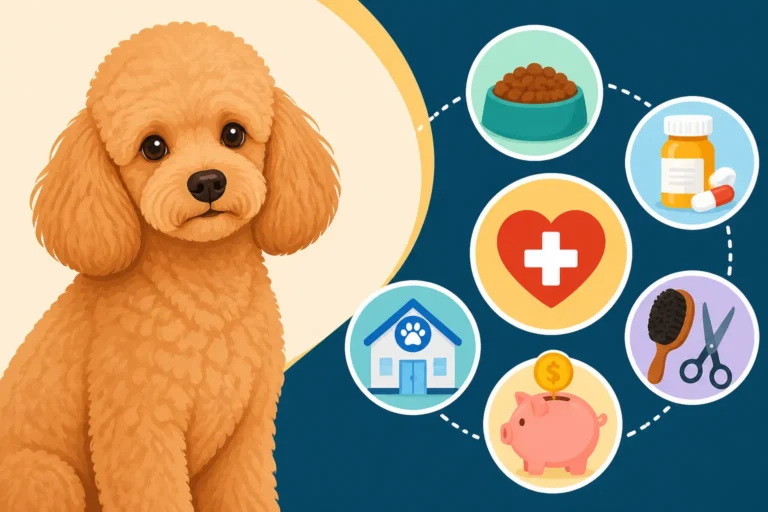
Once the initial puppy purchase is out of the way, the true financial commitment of Poodle ownership really begins. This is where the size difference between a Standard and a Toy Poodle becomes most apparent in your budget, as larger dogs naturally consume more and require more extensive care in many areas.
Food Costs: Standard Versus Toy
This is perhaps the most significant ongoing cost difference you’ll encounter. A Standard Poodle, which can weigh anywhere from 40 to 70 pounds (or even more), simply eats a lot more than a Toy Poodle, which typically weighs between 4 and 6 pounds.
Imagine feeding a growing Standard Poodle puppy; they're burning through calories at an incredible rate, necessitating larger portions of high-quality food. You can expect to buy substantial bags of kibble, often 30-40 pound bags, every few weeks. Brands like Purina Pro Plan, Royal Canin, or even fresh food delivery services like Ollie (which customizes portions) cater to these needs but come with varying price points. For a Feeding a Standard Poodle for a Month, you might be looking at $80-$120 or more, especially if you opt for premium or specialized diets.
In contrast, a Toy Poodle consumes far less. A small bag of quality kibble, perhaps 4-8 pounds, might last them a month or even longer. For a Monthly Food Cost for a Toy Poodle, you could be spending $30-$50, depending on the brand and quality. While they still need high-quality nutrition, the sheer volume is drastically different. It’s also worth considering specific kibble sizes for their smaller mouths and stomachs. Companies like Chewy offer a vast selection of small-breed specific foods. This difference alone adds up significantly over the lifespan of your Poodle, easily becoming hundreds, if not thousands, of dollars saved with a smaller companion.
Grooming Expenses: Professional Versus DIY
Poodles are famous for their magnificent, non-shedding coats, but that beautiful coat comes with a significant grooming commitment. This is another area where size heavily dictates cost.
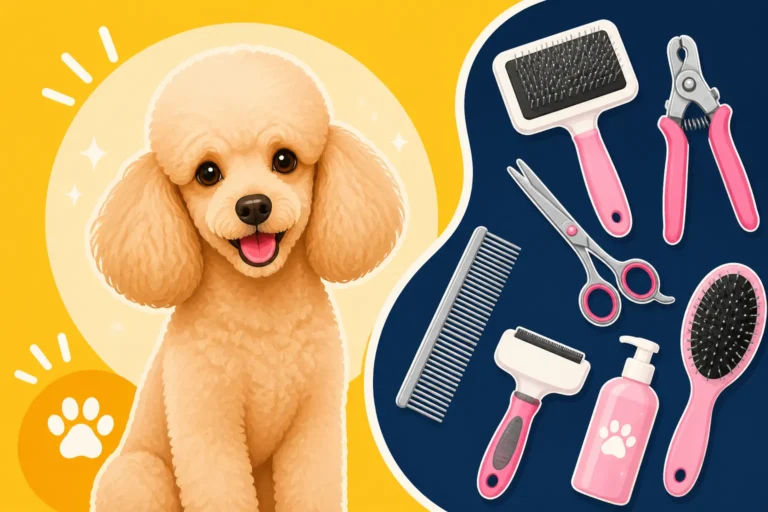
Professional grooming is essential for most Poodle owners, as keeping their coats mat-free and healthy requires skill, specialized tools, and time. Professional Grooming Costs by Poodle Size vary widely. For a Standard Poodle, a full groom (wash, dry, brush-out, clip, nails, ear cleaning) can cost anywhere from $80 to $150 or more, depending on your location, the groomer's experience, and the specific clip you choose (like a fancy Continental clip). Given that most Poodles need professional grooming every 4-8 weeks, these costs can quickly reach over $1,000 annually.
For a Toy Poodle, the professional grooming cost per visit will be lower, often in the range of $50 to $90. While this is less per visit, they still require the same frequency of care. Over a year, you might spend $600-$1,000. So, while cheaper per session, the relative difference in annual cost might not be as huge as with food, simply because the work is still intricate, even on a smaller canvas.
Many owners opt to learn Clipping a Poodle at Home to save money. This can be a rewarding endeavor, but it requires an initial investment in quality clippers, blades, brushes, and shampoo, which can easily run into several hundreds of dollars. Even then, you'll still need to factor in your What a Poodle Owner Spends on Blades and Shampoo for replacements and supplies. Regardless of size, the time commitment for DIY grooming is substantial, with weekly brushing and regular clipping being necessary to prevent painful matting.
Veterinary Care and Preventative Measures
Routine veterinary care, including vaccinations, deworming, and annual check-ups, is crucial for both Standard and Toy Poodles. However, when it comes to preventative medications and potential emergency care, the costs can start to diverge.
Preventative medications like flea, tick, and heartworm treatments are typically dosed by weight. This means a larger Standard Poodle will require more medication and, therefore, incur higher costs for these monthly preventatives compared to a small Toy Poodle. Over a year, this difference can add up.
Beyond routine care, it’s vital to consider pet insurance. Given the genetic predispositions of Poodles to various health issues, having a good policy can be a lifesaver. Companies like Healthy Paws offer comprehensive plans that can cover accidents, illnesses, and even some emergency care. The Poodle Insurance Premiums by Size and Age will almost certainly be higher for a Standard Poodle than for a Toy Poodle, reflecting the higher potential costs associated with treating a larger animal (e.g., larger drug doses, more extensive surgical supplies). It’s not just about the types of diseases, but the cost to treat them.
Training, Toys, and Miscellaneous
The initial costs for training, toys, and other miscellaneous items might seem comparable at first glance, but subtle differences emerge over time.
Both sizes of Poodles are incredibly intelligent and benefit immensely from training classes. Puppy kindergarten, obedience, and even advanced Poodle Training and Sports Class Costs will likely be similar for both. However, a Standard Poodle might require more robust training tools, like stronger leashes and harnesses, which can be slightly more expensive.
When it comes to toys, a Standard Poodle needs durable toys designed to withstand powerful chewers, which often cost more than the smaller, less robust toys suitable for a Toy Poodle. A giant Kong or a heavy-duty Nylabone for a Standard will likely outprice a delicate plush toy for a Toy. Furthermore, general supplies like larger beds, bigger crates, and travel kennels for a Standard Poodle will invariably cost more than their Toy-sized counterparts. A large, orthopedic bed for a Standard Poodle can easily cost upwards of $100-$200, whereas a cozy bed for a Toy might be $30-$60. Even consumables like poop bags will be used more frequently with a larger dog!
Long-Term Health Costs and Insurance Considerations
Beyond the predictable monthly expenses, the specter of long-term health issues is a significant financial consideration for any Poodle owner. Both sizes have breed-specific health concerns, but the nature and cost of treating them can differ substantially.
Common Health Issues by Poodle Size
It's important to understand that Why Poodle Health Splits by Size due to their unique genetic predispositions.
Standard Poodles, being larger, are prone to certain conditions that smaller Poodles rarely experience. One of the most terrifying and expensive emergencies is Gastric Dilatation-Volvulus (GDV), commonly known as Bloat and the Deep Standard Poodle Chest. This life-threatening condition requires immediate, often costly, emergency surgery. Other concerns for Standards include Addison's Disease, an autoimmune disorder requiring lifelong medication, and hip dysplasia. A Gastric Torsion Risk in a Standard Poodle event can quickly incur vet bills running into thousands of dollars.
Toy Poodles, on the other hand, have their own set of size-specific challenges. They are more susceptible to Toy Poodle Kneecaps and Windpipes issues like luxating patellas (slipping kneecaps) which often require surgical correction, and collapsing tracheas, a respiratory condition that can necessitate ongoing management or even surgery. Dental disease is also a more pronounced and earlier problem in small breeds, often requiring more frequent professional cleanings and extractions, which, while not as dramatic as bloat, can still be a recurring expense. Why Small Poodles Lose Teeth Early is a common frustration for Toy Poodle owners.
The Role of Pet Insurance
Given the potential for significant health expenditures, pet insurance isn't just a nice-to-have; it's often a financial necessity for Poodle owners. While premiums will be higher for a Standard Poodle, the potential for a catastrophic bill is also higher.
Companies like Healthy Paws, Embrace, or Figo offer various plans. Generally, insuring a Standard Poodle will cost more per month due to the higher expected payout should a serious illness or accident occur. For example, a surgery for hip dysplasia or bloat in a Standard Poodle could cost $5,000-$10,000, while a luxating patella surgery for a Toy Poodle might be $2,000-$4,000. Though both are significant, the larger dog often commands higher surgical and medication costs. It’s crucial to sign up for insurance when your Poodle is young and healthy, before any pre-existing conditions are noted, as most policies won't cover conditions diagnosed before enrollment.
Emergency Funds Versus Insurance
For some, the idea of paying monthly insurance premiums feels like an unnecessary drain, and they prefer to self-insure by building an emergency fund. While this can work, it requires significant financial discipline. You'd need to have at least $5,000-$10,000 readily accessible for potential emergencies with a Standard Poodle, and perhaps $3,000-$6,000 for a Toy Poodle, to cover the most common high-cost issues.
The benefit of pet insurance is that it protects you from those truly unexpected, massive bills that can decimate an emergency fund in one go. For a Standard Poodle, where bloat surgery can be a sudden, life-or-death situation with a hefty price tag, insurance provides peace of mind. For both sizes, considering Saving Ahead for a Poodle Emergency is always a smart move, whether you combine it with insurance or use it as your sole safety net.
Hidden or Unexpected Costs of Poodle Ownership
Beyond the obvious expenses, there are often subtle or unforeseen costs that can quickly add up, affecting both Standard and Toy Poodle owners, albeit sometimes in different ways.
Boarding and Pet Sitting
Life happens, and sometimes you need to travel without your Poodle. This is where boarding or hiring a pet sitter comes into play, and once again, size can influence the bill.
Most boarding facilities charge by weight or kennel size. A Standard Poodle requires a much larger kennel space and more food, meaning their nightly boarding rates will typically be higher than for a Toy Poodle. You might pay $40-$70 per night for a Standard, compared to $25-$45 for a Toy. Over a week-long vacation, this difference can become substantial. Moreover, some boarding facilities may have breed-specific requirements or preferences. If you're looking for a pet sitter to come to your home, they might charge a flat rate, but if they need to walk your dog, a Standard Poodle often requires a longer, more vigorous walk, which might influence their rate or availability.
Furthermore, if your Poodle has any special needs, such as daily medication for conditions like Addison's (more common in Standards), the boarding facility or sitter might charge an additional fee for administration. Even Boarding a Poodle Without Wrecking the Coat requires specific instruction and care, which can sometimes come at an added charge.
Home Modifications and Supplies
While neither Poodle size typically requires extensive home modifications like building a special ramp for a giant breed, there are still differences in basic supplies.
For a Standard Poodle, you might need a larger, more durable vehicle restraint for car travel, a more substantial dog ramp if they have joint issues, and larger, more robust chew-proof toys. Their sheer size means they take up more space, requiring larger beds, bowls, and potentially more robust fencing for a yard. If your Poodle is a particularly enthusiastic chewer, replacing destroyed items can add up, and a large dog can do more damage to household items than a small one.
For a Toy Poodle, while less destructive, you might find yourself needing smaller, specialized items, such as tiny harnesses, car seats designed for small dogs, or even indoor potty pads if outdoor access is limited or weather is extreme. Due to their delicate nature, extra safety measures might be needed to prevent them from getting underfoot or being accidentally injured. Sometimes, the temptation to buy a multitude of adorable outfits and accessories for a tiny Poodle can also become an unexpected budget drain!
Time Investment as a Cost
While not a direct monetary cost, the time investment required for Poodle ownership is significant, and this can subtly translate into financial implications. Both sizes need daily exercise and mental stimulation, but the type and amount can differ.
A Standard Poodle typically requires more extensive physical exercise – long walks, runs, swimming, or vigorous playtime. If you're unable to provide this yourself, you might need to hire a dog walker or enroll your Poodle in doggy daycare, which are additional expenses. Dog Walkers and a Standard Poodle might charge more for a larger, higher-energy dog. Their complex minds also need intellectual challenges; otherwise, you might find your What an Unexercised Poodle Does to the House is far more destructive than a bored Toy.
A Toy Poodle, while not needing as much physical exertion, still requires consistent training and mental engagement. Their grooming needs are just as intense, proportionally speaking, and their sensitivity often means they thrive on consistent human interaction. If you work long hours, you might need to consider a pet sitter or a structured daycare environment for either size, but the larger Poodle's needs will often incur higher costs in these scenarios. Ultimately, time is money, and a Poodle demands a substantial investment of both.
Here’s a simplified breakdown of typical annual costs to give you a clearer picture:
| Category | Toy Poodle (Estimated Annual Cost) | Standard Poodle (Estimated Annual Cost) |
|---|---|---|
| Food & Treats | $360 – $600 | $960 – $1440 |
| Professional Grooming (6-12x) | $600 – $1080 | $960 – $1800 |
| Routine Vet Care | $200 – $400 | $300 – $600 |
| Preventative Meds (Flea/HW) | $120 – $240 | $240 – $480 |
| Pet Insurance Premiums | $300 – $700 | $500 – $1200 |
| Toys & Supplies | $100 – $200 | $200 – $400 |
| Training/Classes | $100 – $300 | $100 – $300 |
| Boarding/Sitter (1-2 wks) | $350 – $630 | $560 – $980 |
| Total Estimated Annual Cost | $2390 – $4150 | $3820 – $7200 |
Note: These are estimates and can vary greatly based on location, brand choices, health needs, and individual circumstances. Initial puppy purchase price is not included.
Disclaimer
This article is intended for informational purposes only and does not constitute veterinary advice. Always consult with a qualified veterinarian for any health concerns or before making decisions about your Poodle's care.