Luxating Patella in Toy and Miniature Poodles
Few things are quite as heartbreaking for a small poodle owner as seeing their beloved companion suddenly yelp, hold up a tiny paw, or start skipping awkwardly on three legs. This moment of confusion and concern often points to a condition called luxating patella, where the kneecap temporarily slips out of place. This guide will walk you through everything you need to know about understanding, identifying, and managing luxating patella in your Toy or Miniature Poodle, helping you navigate this common challenge with confidence and compassion.
Understanding What a Luxating Patella Actually Is
When your vet mentions "luxating patella," it can sound intimidating, but it essentially means a dislocating kneecap. This isn't just a quirky gait; it’s a genuine anatomical issue that causes pain and can lead to more severe problems if left unaddressed. Poodles, particularly the smaller varieties, are unfortunately predisposed to this condition due to their specific genetic makeup and bone structure.
The Anatomy of a Poodle's Knee
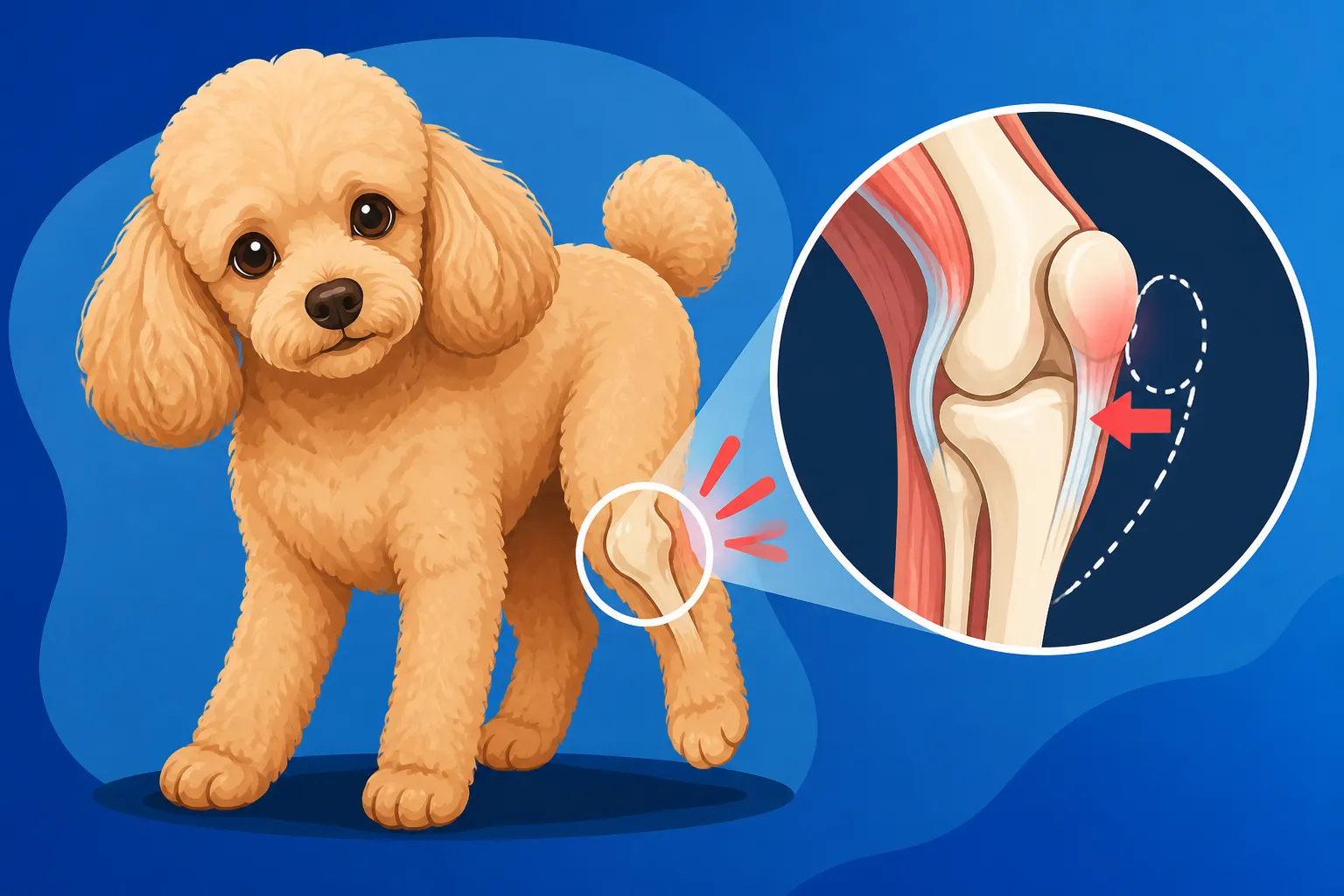
To truly grasp luxating patella, let's talk a little about the knee joint itself. Your poodle's knee, just like yours, is a complex hinge joint. It connects the femur (thigh bone) to the tibia (shin bone). The patella, or kneecap, is a small, flat bone that sits in a groove on the end of the femur, called the trochlear groove. It’s held in place by ligaments and tendons, acting like a pulley to help extend the leg. When your poodle runs, jumps, or even just walks, the patella should glide smoothly up and down this groove.
This delicate balance is crucial for smooth movement. In Toy and Miniature Poodles, sometimes this groove isn't deep enough, or the surrounding structures aren't quite aligned right from birth. This structural predisposition makes them naturally more susceptible to their kneecaps slipping. Think of it like a train running on tracks – if the tracks aren't perfectly aligned, the train can derail.
How a Patella Dislocates
A luxating patella occurs when the kneecap pops out of its trochlear groove. It can dislocate either towards the inside of the leg (medial luxation), which is the most common type in small breeds like Poodles, or less frequently, towards the outside (lateral luxation). When this happens, the leg often locks up, causing your poodle to hold it up or skip for a few steps until the kneecap either slips back into place on its own or your poodle extends and flexes their leg to "pop" it back. This can be startling to witness, and while it often resolves quickly, it's a clear sign of an underlying issue.
The frequency and ease with which it dislocates vary greatly. For some poodles, it might only happen occasionally, causing minimal discomfort. For others, it can be a constant struggle, leading to chronic pain and significantly impacting their mobility and quality of life. Repeated luxation can also wear down the cartilage and bone, setting the stage for more serious conditions like arthritis.
Why Small Poodles Are Prone
It's a common lament among Toy and Miniature Poodle owners: why us? The truth is, it boils down to genetics and conformation. Over generations, the selective breeding for smaller sizes, sometimes inadvertently, led to certain anatomical predispositions. The specific angulation of the hind limbs and the shallower trochlear grooves often seen in smaller breeds contribute significantly to the prevalence of luxating patella. It’s not a fault of the individual dog or owner, but rather a characteristic that has become more widespread within the breed lines.
This isn't to say every small poodle will develop it, but the risk is considerably higher than in larger breeds. Reputable breeders actively screen their breeding dogs for this condition to try and reduce its incidence in future generations. This is one of the many reasons why it's so important to find a breeder who performs thorough health testing. If you're looking into bringing a new poodle into your home, understanding what a poodle breeder must test for can help prevent heartache down the line.
Recognizing the Signs of Luxating Patella
As a poodle owner, you know your dog's quirks and normal behaviors better than anyone. That keen observation is your first line of defense in identifying a luxating patella. The signs can range from subtle to overtly obvious, and they often become more pronounced as the condition progresses.
Intermittent Limping and Skipping
One of the hallmark signs of luxating patella is an intermittent limp or skip. You might be out for a walk, and suddenly your poodle lifts one of their back legs, holding it up for a few steps, then puts it down and carries on as if nothing happened. This "three-legged hop" is a classic indicator that the kneecap has slipped out of its groove. Once it pops back in, the dog feels immediate relief and resumes normal movement. This can happen multiple times a day or only once every few weeks, depending on the severity and frequency of the luxation.
It's easy to dismiss these occasional skips, especially if your poodle seems otherwise happy and pain-free immediately afterward. However, even mild, infrequent episodes can indicate an underlying issue that could worsen over time. Keeping a mental note or even a small journal of when these episodes occur can be incredibly helpful information for your veterinarian. Pay attention to activities that trigger it, like jumping off furniture or sudden turns during play.
The Classic "Poodle Hop"
Beyond the intermittent limp, many owners describe a distinct "poodle hop" or "bunny hop" gait. This occurs when both kneecaps luxate simultaneously or almost simultaneously, causing the dog to keep their hind legs stiff and move them together, almost like a rabbit hopping. It’s a compensatory mechanism to avoid the pain and instability of individual kneecap dislocations. This gait might be more noticeable during periods of excitement or strenuous activity.
While endearing, the "poodle hop" is a red flag. It indicates that your dog is experiencing significant discomfort or instability and is trying to minimize the movement that causes their kneecaps to slip. If you notice your Toy or Miniature Poodle exhibiting this unusual gait, it’s definitely time for a veterinary check-up. The sooner you get it checked, the sooner you can explore options to alleviate their discomfort and prevent further joint damage.
Pain and Reluctance to Use the Leg
As the condition progresses or becomes more severe, your poodle might show more obvious signs of pain and reluctance to use the affected leg. This could manifest as persistent limping, not just intermittent skips. They might cry out when the kneecap dislocates, or even when you touch their knee area. You might notice them favoring the leg, putting less weight on it, or struggling to jump, climb stairs, or even get up after lying down.
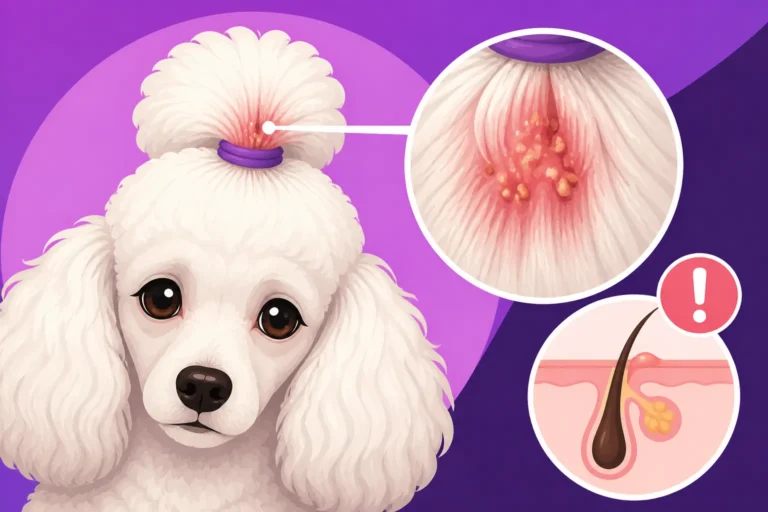
In some cases, the pain can lead to changes in behavior. A normally active and playful poodle might become withdrawn, less interested in walks or games, or even snap if the affected leg is accidentally bumped. Early sebaceous adenitis on a poodle's topknot or other skin conditions might cause discomfort in other areas, but limping almost always points to musculoskeletal issues. Muscle atrophy in the affected leg can also become noticeable over time, as your poodle instinctively avoids using the painful limb, leading to a thinner, less muscular appearance in that leg compared to the others. This is why addressing the issue proactively is so important.
Diagnosing Luxating Patella in Your Poodle
If you suspect your poodle might have a luxating patella, the next crucial step is getting a proper diagnosis from your veterinarian. They have the expertise and tools to accurately assess the condition and determine the best course of action. Don't try to self-diagnose or delay a visit; early intervention can make a significant difference.
The Veterinary Examination
Your vet will start with a thorough physical examination. They’ll observe your poodle's gait, both walking and sometimes trotting, to look for any limping, skipping, or abnormal movements. Then, they'll meticulously palpate (feel) your poodle’s knees, gently manipulating the patella to see if it can be manually dislocated from its groove. This manipulation helps them feel how easily the kneecap slips out and whether it returns on its own. They'll also check for any associated pain, swelling, or grinding sensations (crepitus) within the joint.
This hands-on examination is often enough for an experienced veterinarian to diagnose luxating patella. They'll assess both knees, as it’s quite common for the condition to affect both legs, even if only one seems to be causing obvious symptoms initially. Don't be surprised if your vet wants to check other joints too, like the hips, as sometimes conditions like Poodle hip dysplasia by size can coexist or mimic similar symptoms, especially in larger Standard Poodles.
Grading the Severity of Luxation
Once luxating patella is diagnosed, your vet will assign a grade to quantify its severity. This grading system helps guide treatment decisions and gives you a clearer picture of your poodle's condition. The grades typically range from 1 to 4:
| Grade | Description | Clinical Signs | Recommended Action |
|---|---|---|---|
| Grade 1 | The patella can be manually luxated but returns to its normal position spontaneously. | Occasional skipping or limping. Minimal pain. | Conservative management (weight control, exercise modification, joint supplements). Monitoring. |
| Grade 2 | The patella luxates spontaneously but can be manually returned to its normal position. | Frequent skipping, limping, or "poodle hop." More noticeable pain. | Conservative management initially, but often requires surgical correction if symptoms are persistent or worsen. |
| Grade 3 | The patella is permanently luxated but can be manually returned to its normal position. | Persistent limping, crouching, or altered gait. Significant pain and discomfort. | Surgical correction is typically recommended to improve quality of life and prevent further degeneration. |
| Grade 4 | The patella is permanently luxated and cannot be manually returned to its normal position. | Severe lameness, inability to bear weight, significant pain. Deformed limb. | Surgical correction is necessary, often involving more complex procedures, but prognosis might be guarded due to extensive joint changes. |
Understanding these grades, like the Grades of Patellar Luxation in a Toy Poodle, is vital. A Grade 1 might be managed conservatively for years, while a Grade 3 or 4 almost certainly requires surgical intervention to restore function and alleviate pain. This table provides a useful summary, but remember that individual dogs can present differently.
Imaging and Further Diagnostics
While the physical exam and grading are usually sufficient for diagnosis, your vet might recommend X-rays to get a clearer picture of the skeletal structures. X-rays can reveal the depth of the trochlear groove, the alignment of the femur and tibia, and any signs of arthritis or bone remodeling that may have occurred due to chronic luxation. They can also help rule out other conditions that might be causing similar symptoms, such as fractures or growth plate issues in younger poodles.
In some complex cases, or if your vet suspects other concurrent issues, specialized imaging like MRI or CT scans might be considered, though this is less common for routine luxating patella diagnosis. These advanced diagnostics allow for a much more detailed view of soft tissues, cartilage, and bone, providing comprehensive information for surgical planning if needed. However, most cases in Miniature and Toy Poodles can be thoroughly assessed without these more expensive and invasive procedures.
Management and Treatment Options
Once your poodle has been diagnosed with a luxating patella, your vet will discuss the various management and treatment options available. The approach will depend heavily on the grade of luxation, your poodle's age, overall health, and your family's lifestyle. It’s not a one-size-fits-all solution, and a good vet will work with you to find the best path forward.
Conservative Management Approaches
For poodles with Grade 1 or sometimes Grade 2 luxation, especially if the symptoms are mild and infrequent, conservative management is often the first line of defense. This approach focuses on minimizing discomfort, protecting the joint, and strengthening surrounding muscles without surgery. Key elements include:
- Weight Management: Keeping your poodle at an ideal weight is paramount. Even a few extra pounds can put significant strain on already compromised joints, increasing pain and accelerating joint degeneration. Your vet can help you determine the ideal body condition for your poodle and suggest appropriate dietary adjustments.
- Controlled Exercise: High-impact activities like jumping, quick turns, and rough play should be minimized. Instead, focus on low-impact exercises like leash walks on even surfaces. Swimming can be an excellent way to build muscle without stressing the joints. The goal is to strengthen the quadriceps muscles, which help stabilize the kneecap.
- Joint Supplements: Supplements containing glucosamine, chondroitin, and MSM can help support cartilage health and reduce inflammation. Omega-3 fatty acids are also beneficial for their anti-inflammatory properties. Brands like Dasuquin, Cosequin, or even specific veterinary formulas are popular choices. Discuss these with your vet, as they can recommend the best supplements and dosages for your individual poodle, like Joint Supplements Worth Giving a Poodle.
- Pain Relief: During flare-ups or periods of increased discomfort, your vet might prescribe anti-inflammatory medications (NSAIDs) to manage pain and reduce swelling. It's crucial to use these strictly as directed by your vet to avoid potential side effects. Always be cautious when dosing pain relief for a small poodle, as their tiny systems can be very sensitive.
Conservative management aims to keep your poodle comfortable and mobile for as long as possible, delaying or even avoiding surgery in milder cases. However, it requires consistent effort and vigilance on your part as an owner.
Surgical Interventions
For poodles with higher-grade luxations (Grade 2 with persistent symptoms, Grade 3, and Grade 4), or those for whom conservative management isn't providing sufficient relief, surgery is often the most effective long-term solution. The goal of surgery is to permanently realign the patella within its trochlear groove. Several surgical techniques can be used, often in combination:
- Trochlear Wedge Resection or Trochleoplasty: This involves deepening the trochlear groove in the femur, so the kneecap has a more secure channel to glide in. A small wedge of bone is removed from the groove and then replaced in a deeper position.
- Tibial Tuberosity Transposition (TTT): The tibial tuberosity is a bony prominence where the patellar ligament attaches on the tibia. If the ligament pulls the kneecap out of alignment, this bony piece is cut, moved to a more appropriate position, and then reattached with pins.
- Fascial Release/Capsular Overlap: These techniques involve releasing tight tissues that might be pulling the patella out of place and tightening loose tissues on the opposite side to help stabilize it.
The specific combination of procedures will depend on the individual poodle's anatomy and the nature of their luxation. The success rate for surgical correction is generally very high, especially when performed by an experienced veterinary orthopedic surgeon. It’s important to discuss the potential risks, benefits, and expected recovery with your vet before making a decision. You might also want to research When a Toy Poodle's Kneecap Needs Surgery to better understand the decision-making process.
Post-Operative Care and Rehabilitation
Surgery isn't the end of the journey; it’s just the beginning of the recovery process. Post-operative care is critical for a successful outcome and can be just as demanding as the surgery itself. Your poodle will likely go home with pain medication, anti-inflammatories, and possibly antibiotics. Strict rest is usually prescribed for the first few weeks, meaning confined to a crate or a small, safe area to prevent re-injury. Leash walks for potty breaks will be short and controlled.
As healing progresses, your vet or a certified canine rehabilitation specialist will guide you through a physical therapy program. This might include:
- Passive Range of Motion (PROM) Exercises: Gently flexing and extending the joint to prevent stiffness.
- Therapeutic Exercises: Specific movements to strengthen the surrounding muscles without putting undue stress on the healing joint.
- Hydrotherapy: Underwater treadmill sessions can be incredibly beneficial, allowing your poodle to exercise with reduced weight bearing, promoting muscle strength and mobility.
This rehabilitation period can last several weeks to a few months. It requires patience and dedication, but it’s essential for ensuring your poodle regains full strength and mobility. For owners worried about the costs associated with recovery, understanding potential expenses like Knee Surgery Prices for a Toy Poodle can help you budget appropriately. Investing in pet insurance like Healthy Paws before any issues arise can also be a lifesaver for these unforeseen veterinary expenses.
Life with a Poodle and Luxating Patella
Living with a poodle who has, or has had, a luxating patella means making some thoughtful adjustments to their care and lifestyle. While the diagnosis can feel overwhelming, many poodles go on to live full, happy lives with appropriate management.
Long-Term Outlook and Potential Complications
The long-term outlook for poodles with luxating patella is generally good, especially with timely and appropriate intervention. For those managed conservatively, careful weight control and restricted activity can keep symptoms at bay for years. For surgically corrected poodles, most regain excellent function and are pain-free. However, it's important to be realistic about potential long-term complications.
The most common complication, regardless of treatment, is the development of arthritis in the affected joint. Even after successful surgery, the joint may have experienced some wear and tear prior to correction, or the new alignment might cause slightly different stresses on the cartilage. This is why ongoing joint support, whether through supplements, anti-inflammatories, or other therapies, often remains a part of their care plan for life. In rare cases, especially with severe Grade 4 luxations, the surgery might not fully restore perfect function, or the patella could reluxate. Regular veterinary check-ups are key to monitoring for these issues and addressing them promptly.
Preventive Measures and Lifestyle Adjustments
While you can't change your poodle's genetic predisposition, there are certainly things you can do to minimize the risk or severity of luxating patella, and to support their joint health throughout their life:
- Responsible Breeding: If you're considering a poodle puppy, choose a breeder who performs health clearances on their breeding stock, including evaluations for patellar luxation. This greatly reduces the chances of inheriting the condition. Asking to see the parent's Orthopedic Foundation for Animals (OFA) certificates is a good start. Knowing What a Toy Poodle Breeder Screens For can empower you to make an informed choice.
- Maintain Ideal Weight: As mentioned, weight control is crucial. Regular monitoring of your poodle's body condition score is much more important than just watching the number on the scale. Feeling ribs under a thick poodle coat can be tricky, but it's essential for assessing their weight.
- Controlled Exercise: Avoid excessive jumping, rough play, or activities that involve sudden twisting motions, especially with young, growing puppies whose joints are still developing. Provide consistent, moderate exercise like regular walks.
- Supportive Environment: Provide ramps or pet stairs for accessing furniture to reduce impact on their knees. Ensure non-slip flooring in your home, especially on stairs or slick surfaces, to prevent falls and slips that could injure joints.
These lifestyle adjustments are not only beneficial for poodles with luxating patella but are generally good practices for overall joint health in all small breeds.
Supporting Your Poodle Through Recovery
If your poodle undergoes surgery, your role in their recovery is paramount. Patience, consistency, and a calm environment are vital. They won’t understand why they can't run and play, so it's up to you to manage their activity and provide mental stimulation during their restricted period. Puzzle toys, gentle training sessions for simple cues, or just quiet cuddle time can help keep their spirits up. Reading pain in a sensitive poodle will be crucial, as they might hide discomfort.
Celebrate small milestones – the first unassisted stand, the first short walk without a limp. Stick diligently to medication schedules and physical therapy exercises. If you find yourself struggling, don't hesitate to reach out to your vet or rehab specialist for support and guidance. They are there to help you help your poodle every step of the way. Many pet insurance plans, like those offered by Healthy Paws, often cover rehabilitation therapies, which can significantly ease the financial burden of extensive recovery protocols.
When to Consider Financial Planning for Patella Issues
Veterinary care, especially specialized orthopedic surgery, can be expensive. It’s a harsh reality, but being prepared financially can save you a lot of stress during an already difficult time. Understanding potential costs upfront is a responsible part of pet ownership.
Understanding the Costs Involved
The cost of diagnosing and treating luxating patella can vary widely depending on the severity of the condition, your geographic location, and whether surgery is required. A basic veterinary examination and X-rays might cost a few hundred dollars. However, if surgery is recommended, the price tag can quickly escalate. Surgical costs can range from $1,500 to $5,000 or even more per knee, especially if performed by a board-certified orthopedic surgeon. This typically includes the surgery itself, anesthesia, post-operative medications, and initial follow-up visits.
Beyond the surgery, there are ongoing costs for conservative management, such as long-term joint supplements, potential pain medications, and the cost of physical rehabilitation sessions, which can add hundreds to thousands of dollars over time. These figures can be daunting, but knowing them helps you make informed decisions and plan accordingly.
The Role of Pet Insurance like Healthy Paws
This is where pet insurance truly shines. Investing in a good pet insurance policy, like those offered by Healthy Paws, when your poodle is young and healthy, can provide invaluable financial protection against unexpected veterinary expenses. Most pet insurance policies consider luxating patella a congenital or hereditary condition, but if you enroll your poodle before they show any signs or receive a diagnosis, it is typically covered. If the condition is already documented as a pre-existing condition, it will likely be excluded.
A policy from Healthy Paws or similar providers can cover a significant portion of diagnostic tests, surgical costs, medications, and even rehabilitation therapies, easing the financial strain considerably. It allows you to make treatment decisions based on what’s best for your poodle, rather than solely on your budget. It's truly about giving you peace of mind that you can afford the best care should your poodle ever need it. Reviewing different insurance providers and their coverage options is a smart move for any poodle owner.
Saving for Potential Surgeries
Even if you have pet insurance, or if you decide against it, having a dedicated emergency fund for your poodle's health needs is a wise decision. Many owners set up a separate savings account specifically for their pet, contributing a small amount regularly. This way, if a major health issue like a luxating patella diagnosis arises, you have a cushion to draw from.
Consider breaking down potential costs: if a surgery might be $3,000, and you save $50 a month, you'd reach that goal in five years. While it might seem like a long time, consistent saving can prevent having to make difficult choices when faced with a sudden large bill. Discussing average Knee Surgery Prices for a Toy Poodle with your vet can help you set a realistic savings target. Being proactive about financial planning ensures you can always provide the best care for your beloved Toy or Miniature Poodle, no matter what health challenges come their way.
Disclaimer
The information provided in this article is for educational purposes only and is not a substitute for professional veterinary advice. Always consult with a qualified veterinarian regarding your poodle's health and any medical conditions.