First Signs of Addison’s in a Poodle
It’s truly disheartening when your beloved Poodle just isn't acting themselves, but the signs are so subtle, so frustratingly vague, that you can't quite put your finger on what's wrong. You might second-guess yourself, wondering if it's just a mood, a minor tummy ache, or simply an off day. This guide is here to shed light on those early, often missed, indicators of Addison's disease in Poodles, helping you recognize the whispers before they become shouts.
Understanding Addison's Disease and Your Poodle's Vulnerability
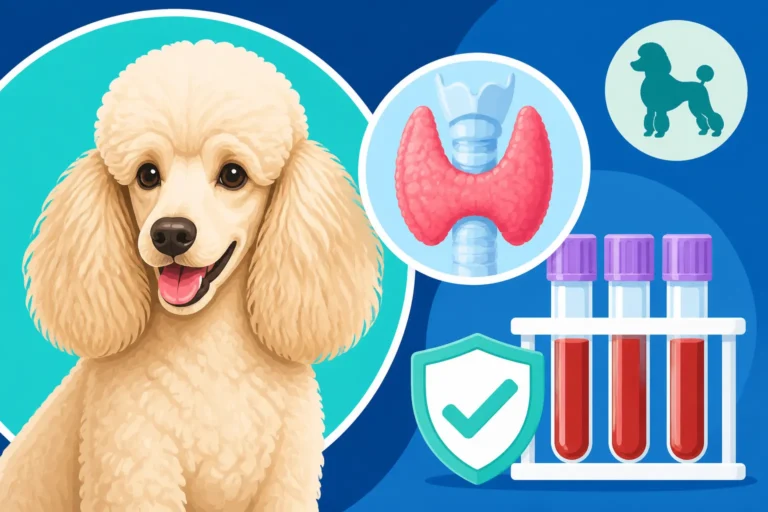
Addison's disease, or hypoadrenocorticism, is a tricky condition where your Poodle's adrenal glands, small glands located near the kidneys, don't produce enough vital hormones like cortisol and aldosterone. These hormones are crucial for managing stress, regulating blood pressure, balancing electrolytes, and generally keeping the body functioning smoothly. When production drops, the body struggles, and you start to see a cascade of symptoms.
Poodles, especially Standard Poodles, are disproportionately affected by Addison's disease compared to other breeds. It’s a genetic predisposition, and unfortunately, it's one of the reasons it's so important to choose a breeder who performs proper health testing. This breed's unique genetic makeup, potentially impacted by things like Why the Standard Poodle Gene Pool Narrowed, seems to make them more susceptible to this autoimmune condition. When the body mistakenly attacks its own adrenal glands, that's what we call primary Addison's disease. There's also a less common "atypical" form, where only cortisol is affected, making diagnosis even more of a puzzle because electrolyte imbalances, a key indicator, might not be present.
The Elusive Early Signs: Why Addison's is So Hard to Spot
Addison's disease has earned the nickname "the great pretender" for a very good reason. The initial symptoms are rarely dramatic or specific, often mimicking common, mild ailments like a simple upset stomach or a temporary case of lethargy. This makes it incredibly easy for dedicated Poodle owners to dismiss these early indicators, assuming their furry friend will bounce back on their own. And often, they do, at least for a while.
The hallmark of early Addison's symptoms is their waxing and waning nature. You might notice your Poodle seems a bit "off" for a day or two – perhaps a little quieter than usual, or they skip a meal – only to appear perfectly fine and energetic the following day. This deceptive pattern can continue for weeks or even months, giving owners a false sense of security. Imagine your playful Miniature Poodle, usually bouncing with energy, lying around more than usual for a couple of days, only to be back to their normal antics right when you start to get concerned. This fluctuation is precisely why Why Poodle Addison's Is the Great Pretender is such a critical concept to understand for Poodle owners. It's not a steady decline; it's a frustrating dance of good days and bad days that eventually becomes more frequent and severe.
Key Behavioral and Physical Red Flags to Watch For
While the early signs can be frustratingly vague, there are specific categories of symptoms that, when considered together or when they persist and worsen, should raise a red flag. Pay close attention to these common indicators of early Addison's disease in your Poodle.
Changes in Appetite and Gastrointestinal Issues
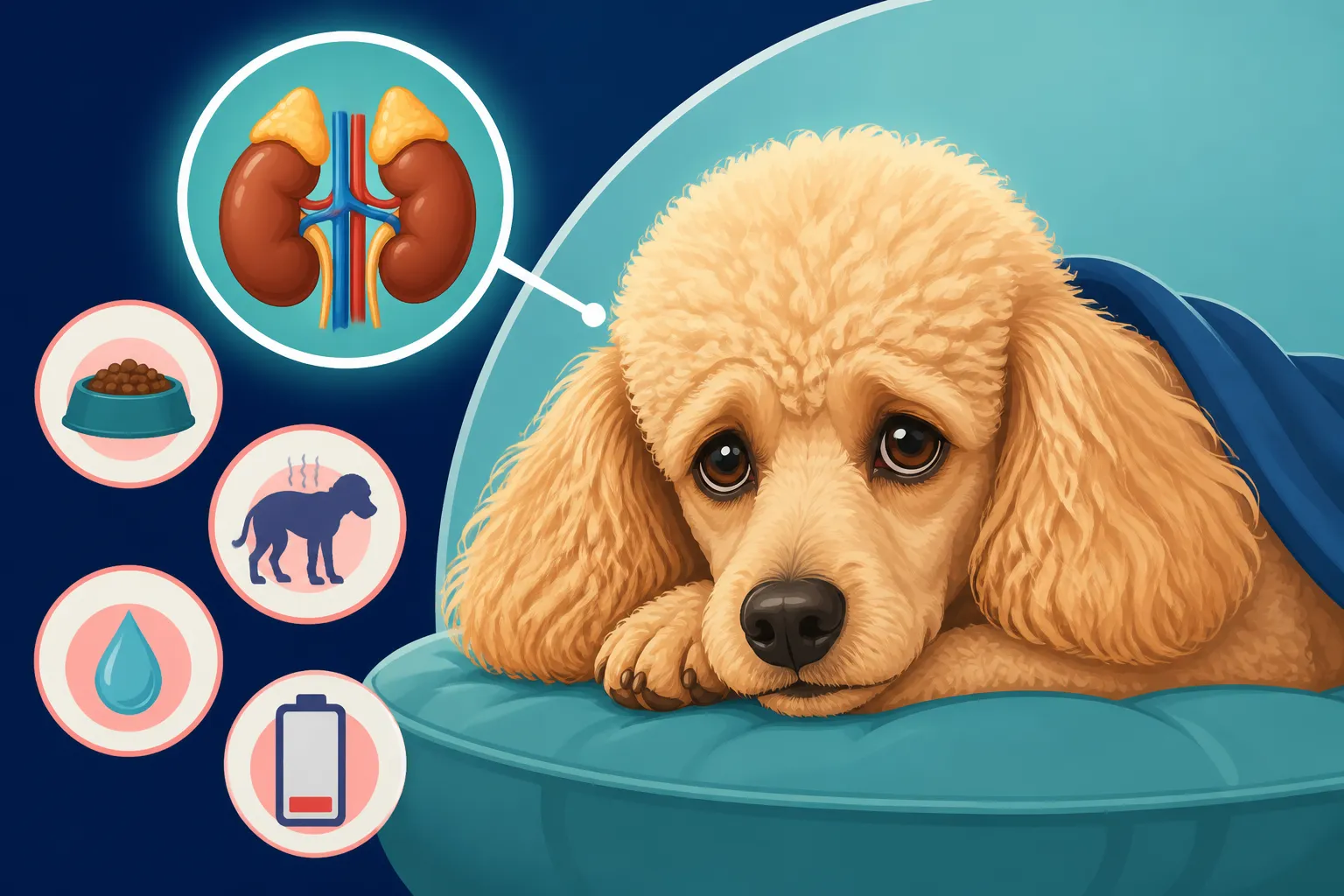
One of the most frequent early signs you might observe is a subtle, intermittent change in your Poodle's eating habits. Your normally enthusiastic eater might suddenly turn their nose up at breakfast, or only pick at their food. This isn't usually a complete refusal of food, but rather a decreased appetite or finickiness that comes and goes. Coupled with this, you might notice sporadic bouts of vomiting or diarrhea. These aren't necessarily severe, explosive episodes, but rather mild, occasional upsets that clear up on their own, making them easy to attribute to dietary indiscretion or a passing bug. However, if these symptoms become more frequent, last longer, or your Poodle starts to lose weight despite eating, it’s definitely time to pay closer attention.
Lethargy, Weakness, and Mood Shifts
Perhaps the most common and difficult-to-pin-down early sign is a general sense of lethargy and weakness. Your Poodle might seem less enthusiastic about walks, less playful, or just generally "quieter." They might sleep more, be slower to get up, or seem to tire out more quickly during their usual activities. This isn't necessarily a dramatic collapse, but a subtle reduction in their usual energy levels. For a sensitive breed like the Poodle, this might also manifest as a change in demeanor. They might appear withdrawn, clingier, or even a bit "sulky." It's easy to mistake this for normal Poodle sensitivity or a temporary mood, but if it's recurring or persistent, it could be a warning sign. Recognizing these subtle cues can be difficult, as Poodles are known to hide discomfort, leading to situations where Reading Pain in a Sensitive Poodle becomes a crucial skill for owners. A lack of interest in their favorite toys or a reluctance to engage in usual routines are also important observations.
Increased Thirst and Urination
While not present in every case, especially in the earliest stages or atypical forms, some Poodles with Addison's disease may start to drink more water and, consequently, urinate more frequently. This symptom, known as polyuria/polydipsia (PU/PD), is often associated with kidney issues or diabetes, but it can also be a sign of the electrolyte imbalances that sometimes accompany Addison's. If you find yourself refilling the water bowl more often or noticing more frequent requests to go outside, especially if these changes are recent and unexplained, keep a mental note. It's one more piece of the puzzle that, when combined with other vague symptoms, can help paint a clearer picture for your vet.
Shaking, Trembling, and Muscle Stiffness
As Addison's progresses, and the body's electrolyte balance becomes more disrupted, you might start to observe physical signs such as shaking, trembling, or even muscle stiffness. This isn't always a full-blown seizure, but more often a subtle tremor or an unsteadiness in their gait. Your Poodle might seem a bit wobbly, or reluctant to jump onto furniture they usually navigate with ease. These signs are often indicative of low blood sodium and high blood potassium levels, which severely impact nerve and muscle function. In some cases, owners might notice their Poodle is just generally "stiff" or uncomfortable, struggling more with everyday movements. This can be an evolution from the earlier, more subtle quietness, signifying that Why a Poodle Goes Quiet Before It Limps might be due to a systemic issue like Addison's.
The "Addisonian Crisis" – A Critical Warning
While not an early sign, it's vital to understand that if the subtle symptoms of Addison's are missed or ignored, the disease can escalate rapidly into a life-threatening "Addisonian crisis." This is an acute, severe episode requiring immediate emergency veterinary care. During a crisis, your Poodle might collapse, suffer from severe vomiting and diarrhea, exhibit extreme weakness, have pale gums, a slow heart rate, and go into shock. This is often the point at which many Poodles are finally diagnosed, but catching it before this critical stage is paramount for their long-term health and prognosis. This emphasizes why recognizing the subtle, earlier signs is so incredibly important for Poodle owners.
When to Seek Veterinary Attention and What to Expect
If you've noticed any of these subtle, fluctuating signs in your Poodle, especially if they are recurring or worsening, don't delay in contacting your veterinarian. It’s always better to be overly cautious when it comes to your Poodle’s health. Be prepared to provide a detailed history of your dog's symptoms: when they started, how often they occur, how long they last, and any patterns you've noticed (e.g., worse after stress, better after rest). This information is gold for your vet in unraveling the mystery.
Initial Veterinary Assessment
When you bring your Poodle in, your vet will perform a thorough physical examination. They might notice subtle signs like low body temperature, a slow heart rate, or abdominal pain. Standard blood work, including a complete blood count (CBC) and a chemistry panel, will likely be recommended. While these tests aren't definitive for Addison's, they can provide important clues. For instance, high potassium and low sodium levels, changes in kidney values, or an elevated white blood cell count (which is unusual for a sick dog and often called a "reverse stress leukogram") are strong indicators that Addison's might be at play. However, as mentioned earlier, atypical Addison's might not show the classic electrolyte imbalances, making the diagnosis even more challenging.
The Definitive Diagnostic Test
The gold standard for diagnosing Addison's disease is the ACTH (Adrenocorticotropic Hormone) stimulation test. This test measures your Poodle's cortisol levels before and after an injection of synthetic ACTH, a hormone that normally stimulates the adrenal glands to produce cortisol. If your Poodle's adrenal glands are healthy, their cortisol levels will rise significantly after the injection. If they have Addison's, their cortisol levels will remain low, indicating that the adrenal glands are not responding as they should. This critical test is exactly what your vet will perform to get a definitive diagnosis, a process thoroughly explained in How a Vet Confirms Poodle Addison's.
Why Early Diagnosis Matters
Catching Addison's disease in its early stages is incredibly important. An early diagnosis can prevent your Poodle from ever experiencing a life-threatening Addisonian crisis. While Addison's is a lifelong condition, it is highly manageable with proper medication, often allowing Poodles to live full, happy lives. Understanding your Poodle’s specific breed predispositions, as outlined in articles like Why Poodle Health Splits by Size and Addison's Disease in Standard Poodles, empowers you to be a proactive advocate for their health. Regular vet visits and prompt attention to even subtle changes can make all the difference.
Consider the financial aspect too; diagnosing and treating chronic conditions can be costly. Many Poodle owners find that pet insurance can be a lifesaver. Providers like Healthy Paws offer comprehensive coverage that can help offset the expense of diagnostic tests, emergency care, and ongoing medication, ensuring you can always make the best decisions for your Poodle without financial strain. It's worth researching options like Healthy Paws before any health issues arise, so you're prepared.
Here's a quick comparison of common mild symptoms versus potential Addison's indicators:
| Symptom Category | Common Mild Ailment (e.g., passing bug) | Potential Early Addison's Sign | Key Differentiator |
|---|---|---|---|
| Appetite | Short-term decrease (1-2 meals), then returns | Intermittent, fluctuating, sometimes complete refusal | Persistence & Recurrence: Comes and goes repeatedly |
| Vomiting/Diarrhea | Acute, resolves within 12-24 hours | Sporadic, mild, often self-resolving but reoccurring | Fluctuation: Not continuously severe, but doesn't fully resolve long-term |
| Energy Level | Brief lethargy, recovers fully after rest | General "quietness," less enthusiasm, tires easily | Subtlety & Duration: Subtle reduction, lasts longer, recurs often |
| Thirst/Urination | Unchanged or mildly increased if dehydrated | Noticeably increased drinking and urinating (sometimes) | Consistency: Persistently higher water intake/outgo |
| Behavior | Slight grumpiness, but still engaged | Withdrawn, "sulking," less responsive, clingy (new) | Departure from Norm: Significant shift in usual temperament |
| Physical (Shaking) | May shiver if cold or scared | Unexplained trembling, weakness, wobbly gait | Context: Not tied to external factors, often with other symptoms |
For Poodle owners, being informed is your best defense. Diseases like Addison’s remind us how important it is to be observant and to trust our gut feelings about our dogs. Discussing your concerns with your vet can lead to crucial early detection, allowing your Poodle to receive the necessary Lifelong Treatment for an Addisonian Poodle and thrive. Remember that proper health screening by breeders, as covered in topics like What a Poodle Breeder Must Test For and Genetic Panels for the Three Poodle Sizes, is designed to minimize the risk of such conditions, but vigilance on your part is always key.
Disclaimer
The information provided in this article is for educational purposes only and is not a substitute for professional veterinary advice. If you suspect your Poodle is exhibiting signs of Addison's disease or any other health concern, please consult with your veterinarian immediately for an accurate diagnosis and appropriate treatment plan.