Why a Retrieving Poodle Kept Its Chest Hair
You might have looked at a Poodle, especially one in a traditional show clip, and wondered about those dramatic puffs of hair on their chest and hips. They certainly look ornate, even a little whimsical, leading many to think they’re purely for aesthetics or a sign of fussiness. But the truth is, these specific areas of longer hair, particularly on the chest, have a deep historical and practical root in the Poodle’s original working life. This guide will take you back in time to understand why a retrieving Poodle kept its chest hair, and how those functional roots evolved into the iconic look we see today.
The Poodle's Working Roots: A Hunter, Not Just a Lapdog
It's easy to forget, given their elegant appearance today, that Poodles were originally bred for demanding work. They weren't always lounging on velvet cushions; they were hardy, intelligent, and athletic hunting dogs. Understanding this active heritage is key to unlocking the mystery of their unique grooming style.
From Waterfowl Retriever to Companion
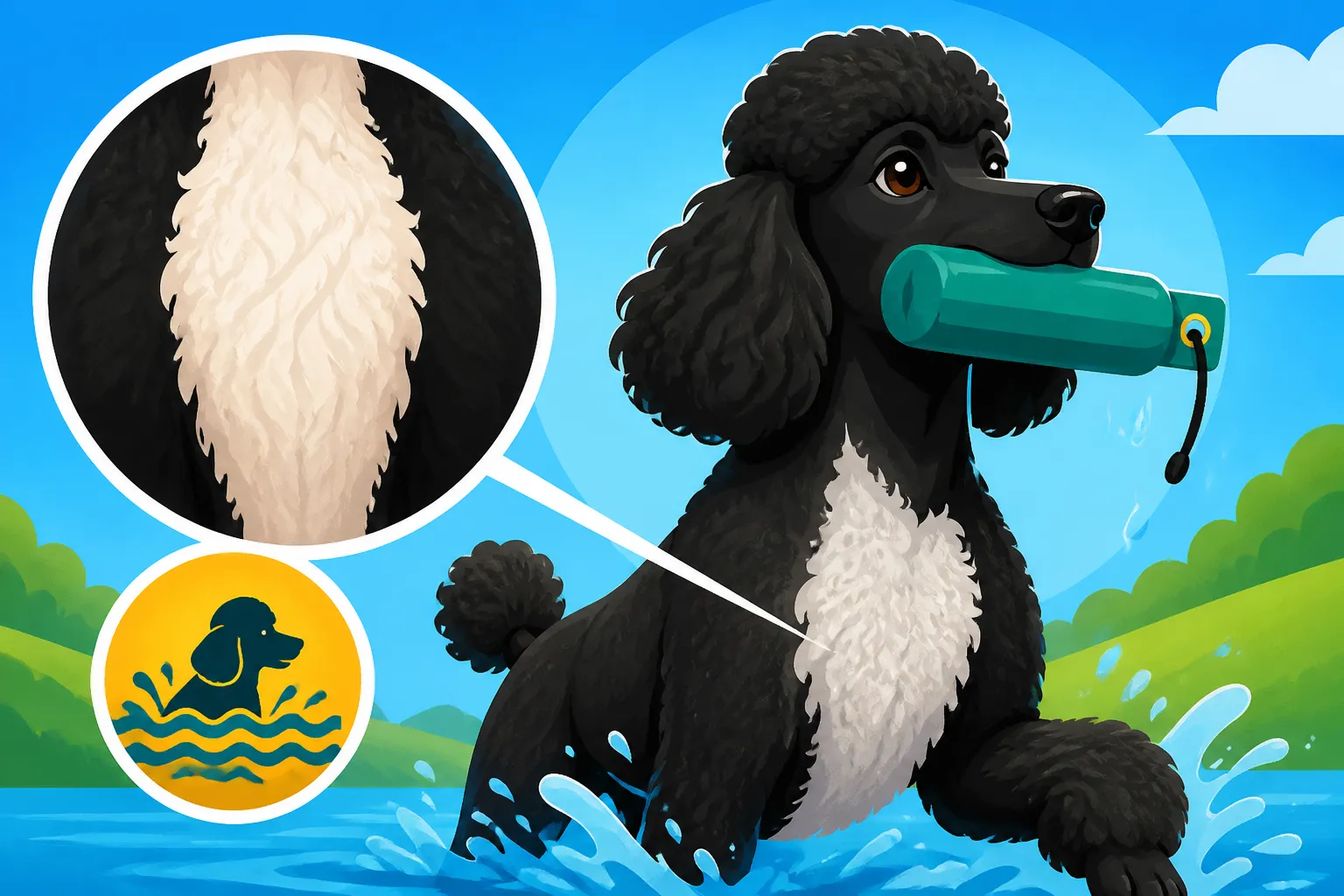
The Poodle, whose name likely comes from the German word "Pudel," meaning "to splash," was originally a water retriever. Imagine vast, chilly lakes and marshes, and hunters needing a dog agile enough to plunge into icy water, locate downed waterfowl, and bring them back without becoming bogged down. This was the Poodle's primary job for centuries, particularly in Germany and France. They were bred for endurance, a keen retrieving instinct, and a dense, water-resistant coat that protected them from the elements. This heritage is so vital to their identity that it's worth exploring The Water Dog Behind the Poodle.
Their evolution into beloved companions and show dogs is a testament to their versatility and intelligence, but their physical characteristics, including their coat and the traditional ways it was managed, are direct links to that working past. They needed to be streamlined for swimming yet protected from the cold.
The Logic of the Original Working Clip
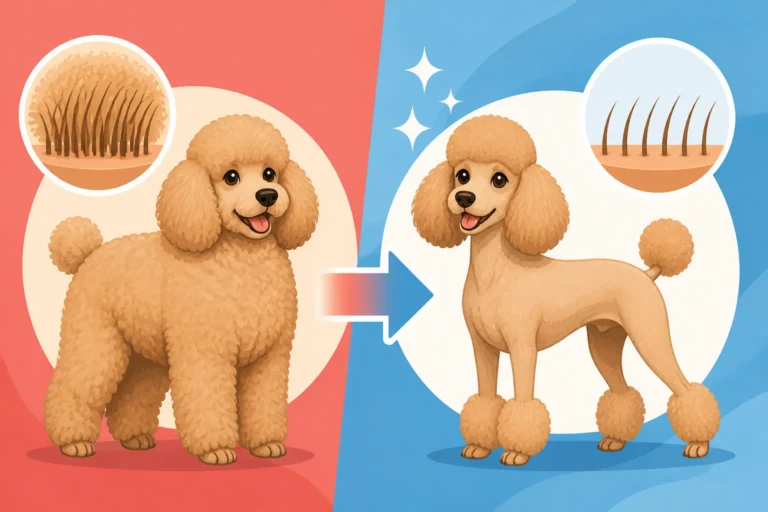
When a Poodle would dive into freezing water repeatedly, a full, long coat would quickly become waterlogged, heavy, and a significant hindrance. It would increase drag, making swimming harder, and take forever to dry, leading to chilling and potential hypothermia. So, early hunters developed a practical solution: shave down most of the dog's body to reduce weight and increase efficiency in the water.
However, a completely shaved dog would be vulnerable to the biting cold and potential injuries. This led to the strategic decision to leave patches of longer hair over specific, vital areas. Think of it like a specialized wetsuit – stripped down for performance, but reinforced where protection is most critical. This is Why a Working Poodle Was Clipped at All, and it was all about keeping the dog safe and effective in its demanding role.
Strategic Hair Placement: Protection for Vital Organs
The distinctive patches of hair seen on a traditional Poodle clip weren't arbitrary. They were carefully chosen to safeguard the dog's most vulnerable points while maximizing their capabilities in the water. The chest hair was arguably one of the most critical elements of this protective system.
Insulating the Heart and Lungs from Icy Waters
The chest area houses the heart and lungs, two of the most crucial organs for survival, especially when exposed to extreme cold. When a Poodle repeatedly entered frigid water, the dense, curly hair left on the chest acted as a natural insulator. This strategic "puff" helped to retain body heat around these vital organs, significantly reducing the risk of hypothermia. A thin, shaved chest would have offered almost no protection against the chill, making prolonged work in cold conditions dangerous. It was an ingenious, natural solution to a very real environmental challenge.
Imagine plunging your own bare chest into icy water compared to wearing a thick, woolen sweater over it. The principle is the same. The Poodle's thick coat, when left long in this particular spot, created a protective barrier, trapping air and warming it, insulating against the cold penetration of the water. This was about more than just comfort; it was about preventing a life-threatening drop in core body temperature. Which Parts of a Poodle the Clip Protected goes into more detail about how this functional thinking applied to other parts of their body too.
Protection Against Impact and Abrasion
Beyond insulation, the Poodle's working environment posed other risks. Retrieving birds often meant navigating through dense reeds, thorny bushes, or even broken ice. A shaved body, while efficient for swimming, offered little protection against scrapes, cuts, and minor impacts from debris in the water or along the shore.
The longer, thicker hair on the chest provided a buffer. It acted as a natural shield, helping to protect the delicate skin, muscle, and bone structure of the chest from abrasions and bruising that could occur during vigorous activity. This allowed the Poodle to move with confidence and agility, without sustaining injuries that would hamper its ability to retrieve. The balance was key: shave for speed and less water absorption, but leave protection where it mattered most for safety and durability.
The Evolution of the Poodle Clip: From Function to Flair
While the origins of the Poodle's chest hair were purely functional, like so many things, its purpose evolved over time. As Poodles transitioned from working dogs to symbols of elegance and companionship, their unique clips became more about artistry and breed standards than practical necessity.
The Continental Clip: A Stylized Legacy
The traditional "Continental Clip," with its elaborate chest rosette (often called a "mane" or "lion cut") and pom-poms on the hips and tail, is a direct descendant of that original working clip. However, its purpose shifted dramatically. In the show ring, these stylized patches are designed to highlight the Poodle's elegant build, proud carriage, and beautiful coat texture. The chest hair, once a life-saving insulator, became an artistic statement, emphasizing the dog's powerful front and graceful neck.
This clip requires meticulous grooming and maintenance, a far cry from the quick, practical trims of a working hunter. The skill involved in maintaining such a clip for competition is immense, and it showcases the Poodle's unique non-shedding coat to its fullest. If you've ever seen a show Poodle, you know the impressive amount of dedication it takes to keep that coat pristine. When the Continental Became a Poodle Show Clip details this fascinating transformation.
Modern Pet Clips: Comfort and Convenience
For most pet Poodle owners today, practicality and ease of maintenance often take precedence over traditional show clips. While some enthusiasts might opt for a modified Continental or English Saddle clip, the majority choose simpler styles like the "Sporting Clip," "Puppy Clip," "Lamb Clip," or "Teddy Bear Cut." These clips typically involve an even length all over the body, or slightly longer on the legs and head, without the dramatic chest rosette.
For a pet Poodle, comfort, hygiene, and manageability are the main considerations. A shorter, all-over clip can be easier to brush, quicker to dry after a bath, and more comfortable for an active family dog. Many owners find themselves navigating the world of grooming tools from retailers like Amazon to keep their Poodle looking tidy between professional visits. When choosing a clip for your companion, it's about finding what works best for your lifestyle and your Poodle's comfort, recognizing that the historical reasons for the chest hair are no longer a daily concern for most. To learn more about common pet styles, check out Choosing a Clip for a Pet Poodle.
The Poodle's Coat: A Constant Need for Care
Regardless of the clip chosen, the Poodle's unique non-shedding coat is a hallmark of the breed and requires consistent attention. It's hair, not fur, and grows continuously, just like human hair. This means regular brushing to prevent mats and tangles, and professional grooming every 4-8 weeks. Even without the elaborate chest puffs, a Poodle's coat demands investment in time or money.
| Clip Style | Purpose (Historical) | Chest Hair Presence | Maintenance Level | Modern Use |
|---|---|---|---|---|
| Working Clip | Insulation, impact protection | Yes (functional) | Moderate | Historical, very rare |
| Continental Clip | Show standard, aesthetic enhancement | Yes (stylized) | High | Show ring, enthusiasts |
| Pet Clip | Comfort, ease of care | No (usually even) | Low to Moderate | Everyday companion |
Maintaining a Poodle's coat, whether it's a show dog or a beloved pet, also ties into their overall health and nutrition. A diet rich in essential fatty acids helps keep their skin healthy and their coat lustrous. Brands like Ollie or high-quality kibble from Chewy can contribute significantly to coat health, ensuring that even a simple clip looks fantastic. Regular bathing with appropriate Shampoo and Conditioner for a Poodle Coat is also essential to keep the skin and hair healthy.
So, the next time you see a Poodle, especially one with that classic show clip, you'll know that those distinctive patches of hair, particularly on the chest, are a beautiful and functional nod to their incredible history as dedicated, athletic water retrievers. They remind us that even the most elegant dogs have rugged, practical roots.
Disclaimer
This article is for general informational purposes only and does not constitute professional advice. Laws, prices and regulations vary by location and change over time. Consult a qualified professional for guidance on your specific situation.