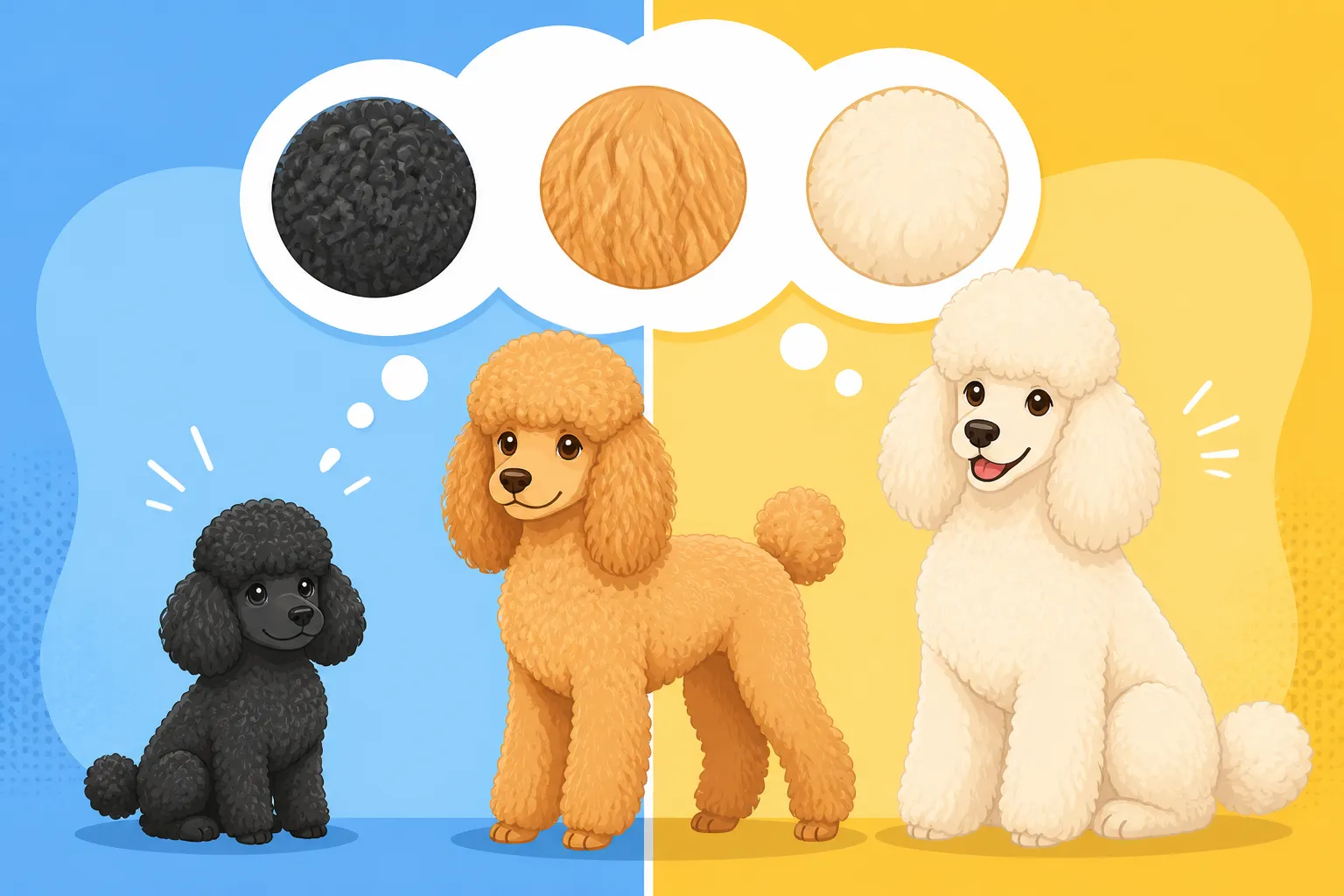
Whether Poodle Coats Differ by Size
One common question I get from Poodle owners, especially those considering adding another Poodle to their family or switching sizes, is whether the coat itself changes significantly between a tiny Toy Poodle and a majestic Standard. It’s a completely valid thought, given how different they look when groomed, but the underlying truth about Poodle coats is often misunderstood. This guide will dive deep into the specific characteristics of Poodle hair and explain why, at its core, a Poodle coat is a Poodle coat, regardless of whether it's wrapped around a 5-pound Toy or a 70-pound Standard.
The Core Truth About Poodle Coats Across Sizes
It’s easy to look at a fluffy little Toy Poodle and a grand, corded Standard Poodle and assume they must have entirely different hair types. But here's the beautiful, simple truth: the Poodle coat is fundamentally the same across all three recognized sizes – Toy, Miniature, and Standard. The differences you perceive are almost entirely due to variations in growth rate, density, and, most significantly, the grooming choices we make as their human companions.
Identical Structure, Different Perception
Genetically, the Poodle's coat is a marvel, designed by nature for water retrieval work. This unique hair structure is what gives them their "non-shedding" reputation and distinctive curl. Whether your Poodle is small enough to fit in a handbag or tall enough to reach the kitchen counter, their hair follicles are producing the same type of hair.
What does this mean in practice? It means that a Toy Poodle's hair is microscopically identical in its fundamental characteristics to a Standard Poodle's hair. Both grow continuously, both are single-coated (meaning no thick undercoat like many shedding breeds), and both possess that signature dense, curly, or corded texture. The perception of difference often comes from how much volume of hair there is to manage, and how rapidly it appears to grow, which correlates directly with the dog's size and metabolic rate. A Standard Poodle simply has more surface area to cover, and often a more robust system growing it.
Understanding the Poodle Hair Follicle
To truly understand why Poodle coats are alike regardless of size, we need to look at what makes Poodle hair, well, Poodle hair. Unlike dogs with fur, which typically has a determined growth cycle leading to shedding, Poodles have hair. This hair grows continuously from the follicle, much like human hair. This is why you don't find tumbleweeds of Poodle hair rolling across your floor, but instead, you find mats forming if that continuously growing hair isn't brushed out regularly.
The Poodle coat is dense, with a coarse to medium texture, and can be curly or corded. This density and curl are crucial; they act like Velcro, trapping any loose hairs within the coat itself rather than releasing them into your home. This is the mechanism behind their hypoallergenic qualities and why they require such dedicated grooming. This characteristic is universal across all Poodle sizes. A tiny Toy Poodle's curl might seem finer simply because the individual strands are shorter and the overall mass is less, but the curl pattern and growth habit remain the same as its larger cousins. This shared characteristic is why whether a Poodle has hair rather than fur is such an important distinction for owners to grasp.
Practical Differences in Coat Management by Poodle Size
While the underlying genetic structure of the Poodle coat remains consistent across all sizes, the practicalities of managing that coat can feel very different. It's not that the hair itself is different, but the scale of the task definitely changes when you go from grooming a small lap dog to a towering Standard.
Grooming Time and Effort
Let's be real: grooming a Poodle is a commitment, no matter the size. But the sheer volume of coat on a larger Poodle inevitably means more time and effort. Imagine brushing a small throw rug versus an entire wall-to-wall carpet – that's roughly the difference in scale when comparing a Toy to a Standard Poodle.
For a Toy Poodle, a thorough brush-out might take 15-20 minutes every other day, depending on the length of their clip. You might use a smaller slicker brush and a fine-toothed comb to get right to the skin. Now, take a Standard Poodle in a similar clip; that same thorough brush-out could easily extend to 45 minutes to an hour, if not more, especially if you're line brushing properly. You'll need larger, sturdier grooming tools, and your arm will certainly get more of a workout. Bathing follows a similar pattern: a Toy Poodle can be washed and dried relatively quickly, while a Standard Poodle requires a significant time investment, from getting them thoroughly wet, through shampooing and conditioning, to the crucial, lengthy drying process that ensures no mats form. This is why understanding Line Brushing a Poodle Explained and Drying a Poodle Straight is crucial for all Poodle owners, regardless of size.
Coat Texture and Density Nuances
While the type of hair is the same, some owners report subtle differences in texture or density. For example, some might say their Toy Poodle has a "softer" curl, or their Miniature Poodle's coat feels "denser" than a Standard they once knew. These are usually anecdotal observations rather than breed-wide scientific distinctions based on size.
Often, these perceived nuances relate more to individual genetics within specific lines, the Poodle's age (puppy coats are notoriously softer and then transition during Coat Change in an Adolescent Poodle), or even their diet. A Poodle on a high-quality, balanced diet rich in essential fatty acids will likely have a healthier, more vibrant coat than one on a sub-par diet, regardless of their size. Companies like Ollie, for instance, focus on fresh, human-grade ingredients which many owners report contribute to a shinier, healthier coat. These nutritional factors impact the hair from the follicle up, affecting its strength, elasticity, and overall feel. So, while your Toy Poodle might feel silkier than your friend's Standard, it's more likely due to a combination of individual genetics, diet, and grooming routine, rather than a universal characteristic of their size group.
Why Perceptions of Coat Differences Arise
If the coat is inherently the same, why do so many people feel that Poodle coats differ by size? It really boils down to how we interact with, groom, and perceive these magnificent dogs. What looks different on the surface is almost always a result of human choices and natural developmental stages, rather than inherent variations in the hair itself.
Grooming Styles and Clipping Practices
This is, by far, the biggest reason for perceived coat differences. Poodles are incredibly versatile when it comes to grooming, and the options for clips are endless. A small Toy Poodle might be kept in a short, practical "puppy clip" or "kennel clip" for easy maintenance, making their coat appear uniformly soft and plush. In contrast, a Standard Poodle might sport a more elaborate "Continental" or "English Saddle" clip for the show ring, featuring dramatic pompoms and bracelets of hair. The visual impact of these very different styles creates an illusion that the type of hair must be different.
Consider a closely shaved Poodle versus one with several inches of luxurious coat. The feel, the management, and the visual appeal are vastly different, but it's the same hair, just cut to different lengths and shaped in distinct ways. The length and style directly influence how much How Often a Poodle Must Be Brushed and Shampoo and Conditioner for a Poodle Coat you need. Many owners of smaller Poodles opt for very short clips because it's less time-consuming and often more comfortable for the dog in warmer climates. Owners of Standards might keep their dogs in a longer, fluffier clip, but this requires exponentially more dedication to brushing to prevent mats, making the coat appear fuller and more robust.
Puppy Coat vs. Adult Coat Changes
Another significant factor contributing to perceived differences is the "coat change" that all Poodles go through during adolescence. This is a critical period where the soft, fluffy puppy coat transitions into the denser, curlier adult coat. This usually happens between 9 and 18 months of age, though it can vary. During this phase, the old puppy hair becomes very prone to matting as the new adult hair grows in and intertwines with it.
For a Toy Poodle, this coat change can be managed, albeit with extra vigilance. For a Standard Poodle, with its much larger volume of hair, this period can feel like an absolute nightmare of endless mats and tangles. The sheer amount of hair involved can make owners believe that the adult Standard Poodle coat is inherently tougher or more difficult than a Toy Poodle's, when in reality, it's the same developmental process happening on a much larger scale. Getting Through a Poodle's Coat Change is a challenge no matter the size, but the larger the Poodle, the more daunting it can feel. Understanding this phase is key to preventing severe matting, which often leads groomers to recommend a full shave-down, further altering the perceived coat type.
Essential Universal Poodle Coat Care
Since the Poodle coat is fundamentally the same across all sizes, the principles of excellent coat care are also universal. Whether you have a tiny Toy Poodle or a grand Standard Poodle, consistent, diligent care is the bedrock of keeping their coat healthy, beautiful, and mat-free. This isn't just about aesthetics; mats can be incredibly painful, pulling on the skin and leading to skin infections.
The Golden Rules of Brushing and Bathing
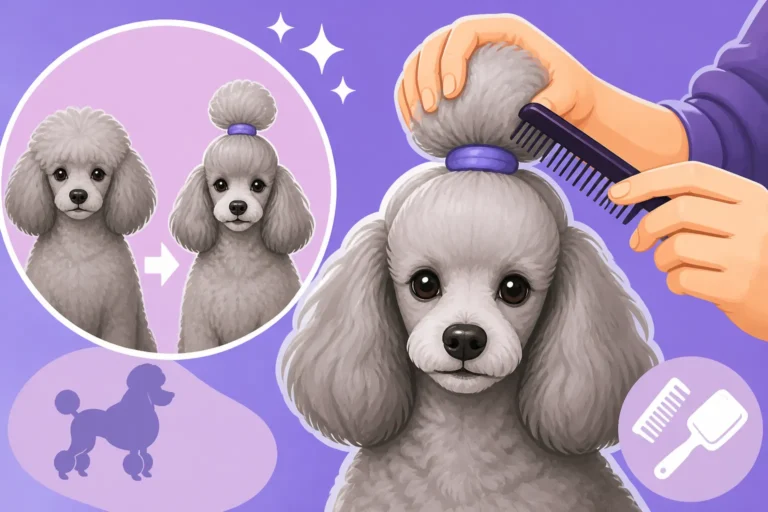
The number one rule for any Poodle owner, regardless of size, is consistent and correct brushing. You must Brushing a Poodle to the Skin to prevent mats from forming at the base of the hair shaft. This means using the right tools – typically a good quality slicker brush and a metal greyhound comb – and systematically brushing small sections of hair, ensuring the comb can glide easily through the coat all the way to the skin. For longer coats, a detangling spray can be a lifesaver. You can find a wide array of these tools and products on platforms like Chewy or Amazon, making it easy to stock up on essentials.
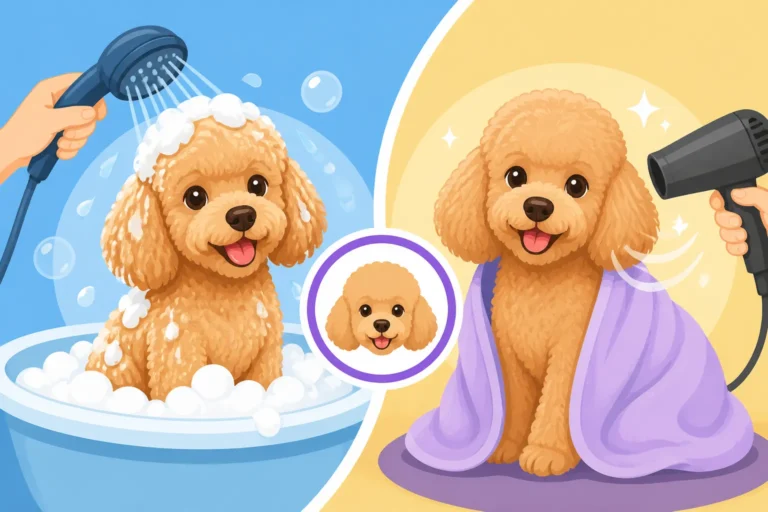
Bathing is equally important. Poodles should be bathed every 2-4 weeks, or more frequently if they get dirty. The key is to thoroughly wet the coat, apply a good quality shampoo and conditioner (designed for curly coats), rinse completely, and then, critically, fully dry the coat. Never let a Poodle air dry; their curls will tighten as they dry, and any dampness will cause mats to form almost instantly. A high-velocity dryer is an invaluable tool for speeding up this process and blowing the hair straight, making it easier to brush and clip. Learning how to effectively Bathing and Drying a Poodle is fundamental to Poodle ownership.
Nutrition for Optimal Coat Health
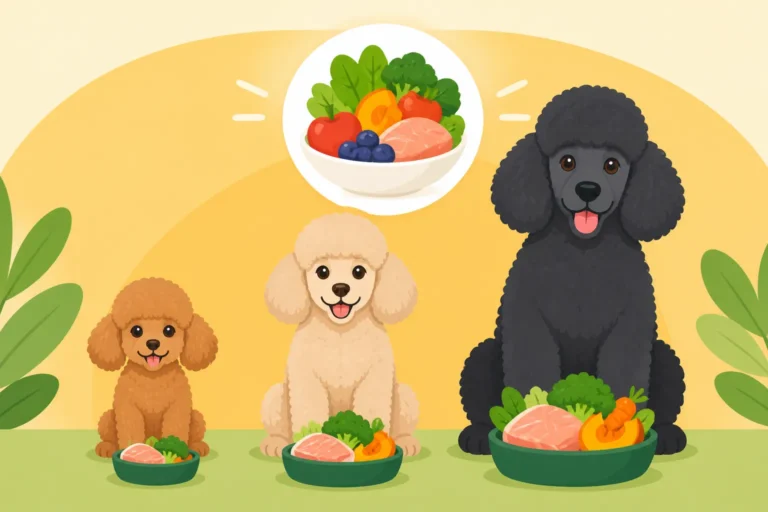
You are what you eat, and so is your Poodle's coat! A healthy, shiny, and strong coat begins from the inside out with a high-quality diet. Poor nutrition can lead to dry, brittle hair that is more prone to breakage and matting, regardless of whether it's a Toy or Standard. Look for dog foods that list real meat as the first ingredient and contain beneficial omega-3 and omega-6 fatty acids, which are crucial for skin and coat health.
Some Poodle owners opt for fresh food diets from companies like Ollie, believing the quality ingredients result in a noticeable improvement in coat condition, shine, and overall health. Others stick with premium kibble brands. Whatever you choose, ensure it's appropriate for your Poodle's life stage and size, as calorie needs and nutrient requirements can vary. For example, a growing Standard Poodle puppy has different needs than a senior Toy Poodle. Checking out guides like Feeding a Poodle by Size can help tailor your approach. Always discuss dietary changes with your vet to ensure it meets your Poodle's specific needs.
The Importance of Professional Grooming
While home grooming can save you a significant amount of money and build a strong bond with your Poodle, professional grooming is often a necessity, especially for larger Poodles or those in more intricate clips. A professional groomer has specialized equipment, expertise, and a fresh perspective to tackle tough mats, achieve precise clips, and ensure your Poodle's skin and coat are in top condition.
Even if you do most of the daily brushing and bathing yourself, many owners opt for professional grooms every 6-8 weeks. This helps maintain the coat, keep it in a manageable style, and address any areas you might miss. For a Standard Poodle, the sheer physical effort and time involved in a full groom make professional services almost essential for many busy families. Understanding What Grooming Adds to a Poodle's Lifetime Cost can help you budget appropriately for this vital aspect of Poodle care. Groomers are also excellent resources for advice on specific tools like Tools That Reach a Poodle's Undercoat and products that work best for your Poodle's individual coat texture.
Grooming Commitment: A Size-Based Comparison
To give you a clearer picture of how size impacts the amount of grooming required, here's a general comparison table. Remember, these are estimates and can vary based on coat length, individual coat texture, and lifestyle.
| Factor | Toy Poodle (approx. 4-7 lbs) | Miniature Poodle (approx. 10-15 lbs) | Standard Poodle (approx. 40-70 lbs) |
|---|---|---|---|
| Brushing Frequency | Daily (long clip) / Every 2-3 days (short) | Daily (long clip) / Every 2 days (short) | Daily (long clip) / Daily (short) |
| Brushing Time (per session) | 10-20 minutes | 20-30 minutes | 45-60+ minutes |
| Bathing Frequency | Every 2-4 weeks | Every 2-4 weeks | Every 2-4 weeks |
| Bathing & Drying Time | 45-90 minutes | 1-2 hours | 2-4 hours |
| Professional Grooming Intervals | 4-8 weeks | 4-8 weeks | 4-6 weeks |
| Matting Risk | High (especially during coat change) | High (especially during coat change) | Very High (especially during coat change) |
| Tool Size | Small to Medium Slicker, Fine Comb | Medium Slicker, Medium-Fine Comb | Large Slicker, Coarse Comb, HV Dryer |
This table clearly illustrates that while the type of care is consistent, the volume of work scales significantly with the size of your Poodle. It's not a different coat, just more of it!
Disclaimer
This article is for general informational purposes only and does not constitute professional advice. Laws, prices and regulations vary by location and change over time. Consult a qualified professional for guidance on your specific situation.