Coat Change in an Adolescent Poodle
One of the most baffling and frustrating periods for any new Poodle parent is when their delightful, fluffy puppy coat suddenly transforms into a matting disaster. This guide will walk you through the phenomenon known as "coat change" in adolescent Poodles, explaining why it happens, what challenges it presents, and how you can navigate this tricky stage with patience and the right grooming strategies, saving both your sanity and your Poodle's beautiful coat.
Understanding the Poodle's Unique Coat Structure
Before we dive into the "what" and "when" of coat change, it's crucial to grasp the fundamental nature of a Poodle's coat. It’s unlike most other dog breeds, and this uniqueness is precisely why it presents such specific grooming challenges, especially during adolescence.
The 'Hair' versus 'Fur' Distinction
When people talk about Poodles being "hypoallergenic" or "non-shedding," they're essentially referring to this core difference: Poodles have hair, not fur. What does that really mean? Well, most dogs have a double coat of fur, which grows to a certain length, dies, and then sheds out in cycles throughout the year. Think about the tumbleweeds of Golden Retriever fur you might see – that's fur shedding.
Poodle hair, on the other hand, is more akin to human hair. It grows continuously, without a programmed shedding cycle. Instead of falling out freely, dead Poodle hairs get caught within the dense, curly coat. While this means less loose hair around your house, it also means that if these dead hairs aren't regularly brushed out, they intertwine with the growing live hair, forming tight, painful mats that can quickly become a serious problem. This continuous growth is also why Poodles need regular haircuts, something you'll quickly realize when you have one of your own. The Poodle Coat and Why It Never Stops Growing goes into even more depth on this topic.
Growth Cycles and Density
A Poodle's coat is incredibly dense, which was historically a huge asset for their original purpose as water retrievers, protecting them from cold water and harsh underbrush. This density, combined with the continuous growth, creates a thick, springy texture that is both beautiful and high-maintenance.
The individual hairs themselves can range in texture from soft and cottony (especially in puppies) to coarse and wiry. This variation can even occur on the same dog, with different parts of the body having slightly different coat types. This dense, ever-growing quality is the foundation of their magnificent appearance, but it also necessitates a lifelong commitment to diligent grooming. Without it, the coat quickly becomes a tangled mess, capable of tightening into solid felt, pulling at the skin, and causing discomfort or even skin infections.
What Exactly is the "Adolescent Coat Change"?
This is the phase that often catches new Poodle owners by surprise, turning a manageable puppy into a tangled beast seemingly overnight. It's a natural, albeit challenging, developmental stage in every Poodle's life.
The Puppy Fluff to Adult Density Transition
From the moment you bring home your adorable Poodle puppy, they possess a coat that is generally soft, fine, and relatively easy to manage. It's often described as "puppy fluff." You can usually brush through it with ease, and while it might develop a few tangles here and there, serious matting isn't usually a widespread issue. This puppy coat serves its purpose, but it's not the robust, dense coat of a mature Poodle.
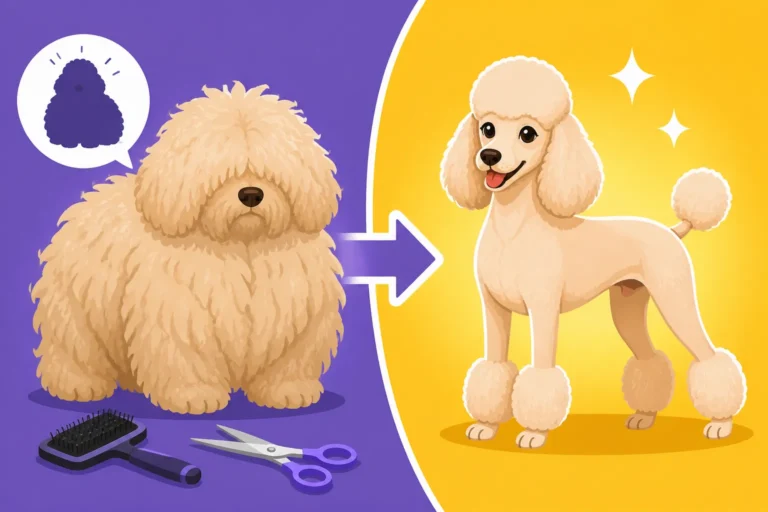
As your Poodle grows into adolescence, their body begins the process of replacing this fine puppy coat with the denser, coarser, and more substantial adult coat. Imagine trying to grow a new, thick head of hair while simultaneously having to shed out your old baby fine hair, but the old hair refuses to let go and just gets stuck in the new growth. That's essentially what's happening. The texture changes, the density increases, and the hair becomes much more prone to tangling and matting. When a Poodle Puppy Coat Changes offers more insights into the timing and nature of this transition.
When and How It Happens
The timing of this "coat change" can vary slightly between individual Poodles and even the three sizes. Generally, you can expect it to begin anywhere from 6 to 18 months of age. For some Poodles, it might start as early as six months and be largely over by twelve months. For others, particularly some Standards, it can drag on until they are closer to two years old, sometimes even a bit longer. There isn't a hard and fast rule, which makes it all the more challenging to predict for individual owners.
The "how" is gradual but often feels sudden in its effects. You might notice your Poodle's coat starting to feel thicker, less soft, and more prone to tangling after playtime or even just a nap. The new, tougher adult hairs grow in, and the old puppy hairs don't shed out easily. Instead, they get firmly interwoven with the new growth, creating the perfect recipe for matting. It's not an overnight switch, but rather a slow, relentless process where the coat becomes increasingly difficult to comb through. One day you're brushing easily, the next day it feels like you're fighting a losing battle against knots.
The Common Challenges of Coat Change
This period isn't just a minor inconvenience; it's a significant grooming hurdle that can be painful for your Poodle and incredibly frustrating for you. Understanding these challenges can help you prepare and react effectively.
The Matting Nightmare
Let's be blunt: the adolescent coat change is often a matting nightmare. What were once easily brushed-out tangles can now become tight, felted mats in a matter of hours. These mats are not just unsightly; they are genuinely painful for your Poodle. As the mat tightens, it pulls on the skin, causing discomfort and limiting movement. If left unchecked, mats can lead to skin irritation, infections, and even hot spots.
The areas most susceptible to severe matting during this phase are typically those with high friction: behind the ears, under the armpits, inside the thighs, around the collar area, and on the tail. But truly, any part of the coat can become a tangled mess. Owners often find themselves thinking, "I just brushed him yesterday, how can he be this matted already?" It's not a reflection of your grooming skills, but rather the intense biological process occurring in their coat. This stage truly underscores the importance of Finding Poodle Mats Before the Groomer Does.
Grooming Frustration for Owners and Poodles
This matting nightmare leads to immense frustration for everyone involved. For you, the owner, what was once a pleasant bonding experience can turn into a daily struggle filled with tugging, pulling, and your Poodle squirming away. It's disheartening to feel like you're constantly battling their coat, and it can be hard to know if you're doing it right or causing pain.
For your Poodle, it's even worse. Grooming sessions, which should ideally be positive, can become uncomfortable or even outright painful if mats are being pulled or if you're trying to force a comb through matted hair. Poodles are sensitive dogs, and they will remember negative grooming experiences. This can lead to them developing a strong aversion to being brushed, bathed, or handled, making future grooming even more difficult. It's a vicious cycle that you absolutely want to avoid. This is why it's so important to be patient and gentle, and to have the right tools on hand – places like Amazon offer a wide array of specialized slicker brushes and metal combs that are indispensable during this time.
Essential Grooming Strategies During Coat Change
Surviving the adolescent coat change requires a proactive and consistent approach. You can't just brush every few days; it truly becomes a daily, sometimes twice-daily, commitment.
Upping the Brushing Ante
Forget your old brushing schedule. During coat change, daily brushing is non-negotiable, and for some Poodles, even twice a day might be necessary. The key technique you must master is line brushing. This isn't just surface brushing; it's about systematically brushing the coat from the skin outwards, in small sections.
Here’s how to do it:
- Divide and Conquer: Part the coat horizontally, close to the skin, creating a small line of hair.
- Brush from the Root: Use a high-quality slicker brush to brush the hair below the part, sweeping upwards and outwards, making sure to feel the brush bristles on the skin.
- Comb to Confirm: Follow immediately with a metal Greyhound comb to ensure there are no tangles. If the comb snags, go back with the slicker brush until it glides smoothly.
- Repeat: Move up a small section, create another part, and repeat the process until you've covered the entire dog, head to tail, including those tricky armpits and ears.
This technique ensures you are getting all the way down to the skin, where mats typically start. Without it, you might be brushing the top layer of the coat, while mats are forming underneath, unbeknownst to you. For a visual guide, check out Line Brushing a Poodle Explained. Investing in good quality brushes and combs from pet suppliers like Chewy can make a huge difference in effectiveness and comfort.
Strategic Bathing and Drying
Bathing during coat change can be a double-edged sword. While clean hair mats less easily, an improperly dried Poodle coat is an instant recipe for felted disaster. If you bath a matted Poodle, the water will shrink the mats, making them even tighter and harder to remove. Never bathe a Poodle with mats already in the coat. You must brush out every single tangle before the bath.
Once the coat is tangle-free:
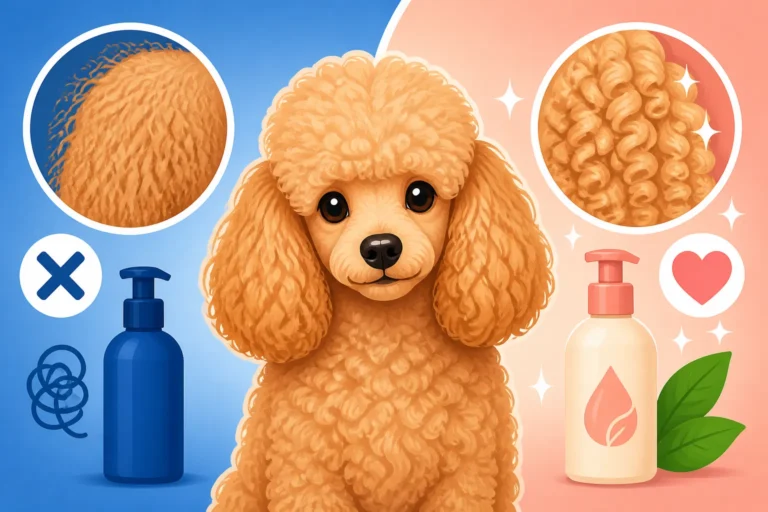
- Use Quality Products: A good quality, moisturizing shampoo and conditioner formulated for curly coats will help keep the hair soft and manageable.
- Dilute Shampoo: Diluting shampoo can help it distribute more evenly and rinse out completely, preventing residue that can contribute to matting.
- Squeeze, Don't Scrub: When washing, gently squeeze the shampoo through the coat rather than scrubbing vigorously, which can create tangles.
- Condition Liberally: A good conditioner is your best friend. Leave it on for a few minutes to help smooth the hair cuticle.
- Thorough Rinsing: Rinse, rinse, and rinse again until the water runs clear and there's no product residue.
- CRITICAL: High-Velocity Drying: This is the most crucial step. You absolutely need to use a high-velocity dryer to blow the water out of the coat and straighten the curls as it dries. Air drying or towel drying a Poodle will cause the curls to spring back, often creating instant mats. As you dry, continuously brush the coat to ensure it’s blown straight and entirely free of tangles. Bathing and Drying a Poodle provides a step-by-step tutorial.
Professional Groomer Intervention
Even with the most diligent home grooming, you might reach a point where the coat change simply overwhelms you, or you find a mat too stubborn to tackle. This is when a professional groomer becomes an invaluable ally. Don't be ashamed to reach out; they've seen it all before.
A good groomer can offer several solutions:
- Demating (with caution): For minor mats, a groomer might be able to carefully work them out using specialized tools and products. However, extensive dematting is painful, stressful, and often costly. Many reputable groomers will refuse to put a dog through prolonged dematting sessions, as it's simply inhumane.
- The "Shave Down": This is often the most humane and practical solution for a severely matted Poodle during coat change. It means clipping the coat very short, essentially starting fresh. While it might be a shock to see your fluffy Poodle shorn, it removes all the pain and allows the new, adult coat to grow in without the old puppy hair interfering. It gives you a clean slate to implement better grooming habits. When a Poodle Coat Has to Be Shaved Off discusses this option in more detail.
- Shorter Pet Clips: Even if not severely matted, a groomer can recommend a shorter, more manageable pet clip during this period, such as The Poodle Puppy Clip and Who It Suits or a simple sporting clip. This reduces the amount of hair that can tangle and gives you a fighting chance to stay on top of daily brushing.
| Coat Stage | Typical Age | Characteristics | Grooming Difficulty (1-5) | Primary Concern | Recommended Action |
|---|---|---|---|---|---|
| Puppy Coat | 0 – 6/8 months | Soft, fine, somewhat sparse | 2 | Minor tangles, easy to brush | Regular brushing (every 2-3 days), positive exposure to grooming. |
| Adolescent Coat Change | 6 – 18/24 months | Old puppy coat intertwines with new adult coat, very dense, prone to severe matting | 5 | Intense, painful matting | Daily line brushing, high-velocity drying after baths, frequent professional grooming/short clips. |
| Adult Coat | 18/24 months + | Dense, coarse, strong curl, uniform texture | 3-4 | Regular matting if neglected, continuous growth | Consistent (every other day to daily) line brushing, professional grooming every 4-8 weeks. |
Tips and Tricks for Surviving the Transition
The coat change is a marathon, not a sprint. It requires dedication, a thick skin (yours, not your Poodle's!), and a toolbox full of patience.
Short-Term Solutions: The Puppy Clip
While you might envision your Poodle with a majestic, flowing coat, during the adolescent coat change, practicality often needs to take precedence over aesthetics. A "puppy clip" or a very short, functional trim can be a lifesaver. This clip keeps the hair uniformly shorter, significantly reducing the surface area available for mats to form and making daily brushing much quicker and easier.
It's a temporary solution to a temporary problem. Once your Poodle has fully transitioned to their adult coat, and you've established a consistent grooming routine, you can always let their coat grow longer again. Don't feel guilty about opting for a shorter clip. Your Poodle's comfort and your ability to keep them mat-free are far more important than any specific style. This is also a time when you might learn how to Learning to Clip a Poodle at Home yourself to save on grooming bills and manage the coat more frequently.
Patience, Positive Reinforcement, and Persistence
This period can test the patience of even the most seasoned dog owners. There will be days when you feel like giving up. But remember that your Poodle isn't trying to be difficult; their body is simply going through a demanding physical change.
- Patience is paramount: Rushing grooming sessions or getting frustrated will only make your Poodle more anxious and resistant. Take breaks if you or your Poodle are getting overwhelmed.
- Positive Reinforcement: Make grooming a positive experience. Offer high-value treats (like small pieces of cooked chicken or a lick mat smeared with peanut butter, readily available from Chewy) during and after brushing. Praise them calmly and frequently. Associate grooming with good things. Teaching a Poodle to Hold Still on the Table is a great resource for building positive associations.
- Persistence is Key: Consistency is vital. Don't skip a day, thinking "it'll be fine." A single missed day can lead to serious matting during this phase. Stick to your daily routine, even if it's just a quick brush-through.
Diet and Coat Health
While good nutrition won't prevent the adolescent coat change from happening, a high-quality diet can certainly contribute to overall coat health, potentially making it stronger and more resilient. Ensure your Poodle is eating a balanced, complete diet appropriate for their age and size. Look for foods with good sources of omega fatty acids, which are excellent for skin and coat condition. Some owners explore fresh food options from providers like Ollie to ensure their Poodle is getting optimal nutrition, but even a high-quality kibble can support coat health.
Avoid frequent changes in diet during this already stressful period, as gastrointestinal upset can add another layer of discomfort. A healthy coat, supported by good nutrition, may be slightly more manageable and less prone to breakage than a coat from a Poodle on a poor diet.
What to Expect After the Coat Change
Rest assured, the coat change is a temporary phase. It might feel like it lasts forever, but eventually, your Poodle will transition to their adult coat.
The Adult Coat: Still Demanding, But Different
Once your Poodle has completed the adolescent coat change, typically by 18-24 months of age, they will have their full adult coat. This coat is generally thicker, coarser, and often has a more uniform curl than the puppy coat. It might also settle into its final color, as many Poodle colors, like apricot and red, can fade or 'clear' as they mature.
While the adult coat is denser and still requires consistent grooming, it usually mats less intensely than during the coat change phase. The unique intertwining of puppy and adult hair is gone, replaced by a more cohesive, albeit continuously growing, texture. You'll still need to brush regularly – likely every other day or daily, depending on the length of the coat – and maintain a professional grooming schedule, but it won't be the same battle against sudden, felted mats.
Long-Term Grooming Habits
The lessons you learn and the habits you establish during the adolescent coat change will serve you and your Poodle for the rest of their lives. If you powered through that challenging phase with diligence and positive reinforcement, you've likely instilled a good foundation for future grooming.
Continue with regular line brushing, thorough bathing, and complete drying. Keep up with professional grooming appointments every 4-8 weeks to keep the coat healthy and manageable. Remember, a Poodle's coat never stops growing, so grooming is a lifelong commitment. The good news is that once you're past the adolescent coat change, you'll feel like a seasoned pro, ready to tackle anything their magnificent coat throws your way. You'll understand the value of tools like a good high-velocity dryer, and perhaps even feel confident enough to trim your Poodle Trimming a Poodle Between Professional Grooms yourself for maintenance.
Disclaimer
This article is for general informational purposes only and does not constitute professional advice. Laws, prices and regulations vary by location and change over time. Consult a qualified professional for guidance on your specific situation.