Portions for a Growing Standard Poodle
Bringing home a Standard Poodle puppy is an exciting, often whirlwind experience, but the sheer speed at which they grow can leave even the most prepared owners scratching their heads about how much to feed them. It feels like one day they're a fluffy little ball, and the next they're a gangly teenager, constantly hungry, making you wonder if you're doing it right. This guide is all about helping you confidently navigate those crucial early months, making sure your growing Standard Poodle gets exactly the right fuel to develop into a healthy, strong adult, without the pitfalls of under or overfeeding.
Understanding the Unique Nutritional Needs of a Growing Standard Poodle
Standard Poodles are magnificent dogs, but their rapid growth phase, particularly during their first year, comes with specific nutritional demands that differ significantly from smaller breeds or adult dogs. You're not just feeding a bigger puppy; you're fueling the development of their entire skeletal structure, muscle mass, and complex organ systems. It’s a delicate balance, and getting it right now sets the stage for a healthy life.
The Dynamics of Rapid Growth and Bone Development
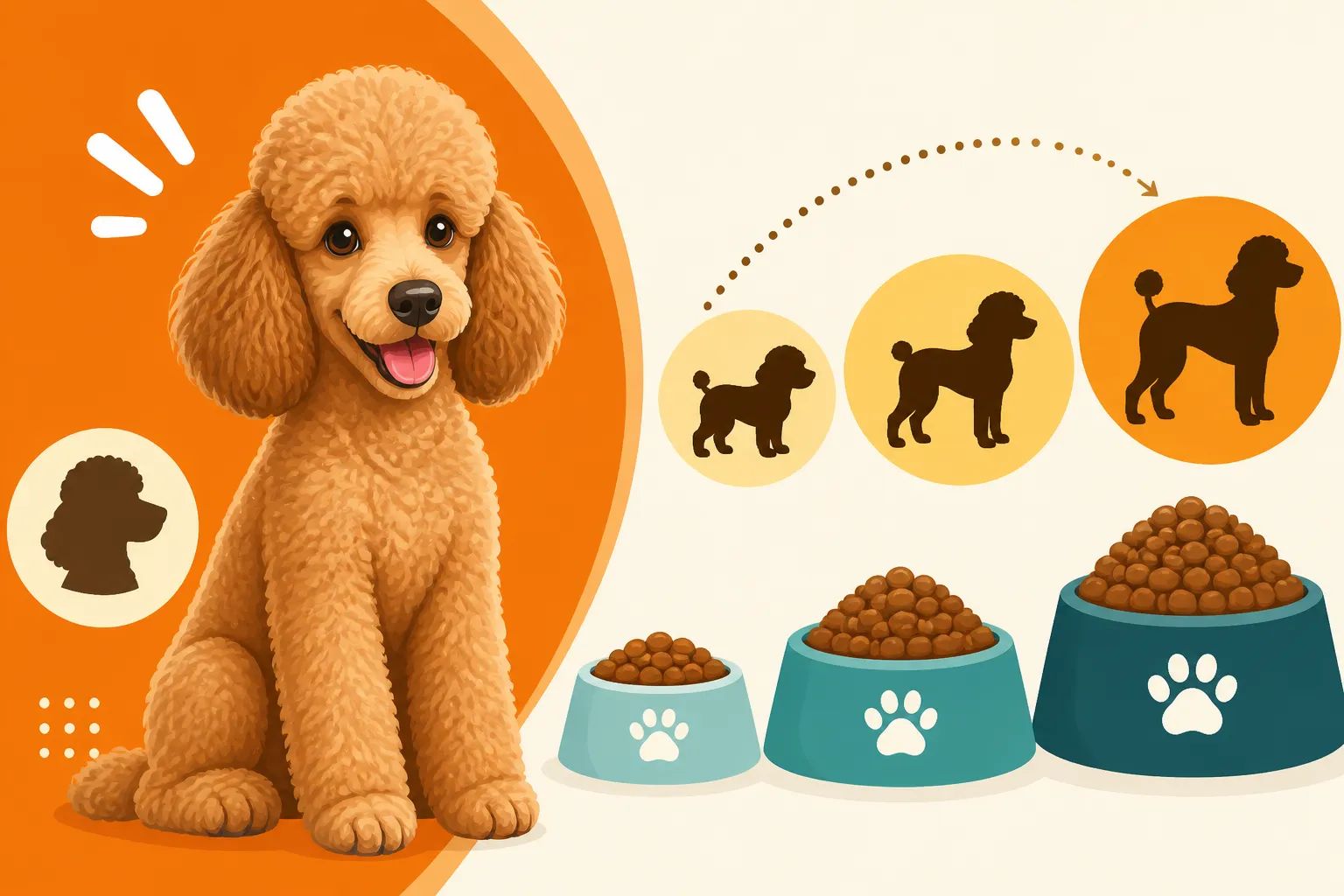
Standard Poodles, like all large and giant breeds, experience an incredibly fast growth spurt. They go from tiny, palm-sized fluff balls to robust, tall dogs in a surprisingly short amount of time. This rapid growth puts immense stress on their developing bones and joints. If they grow too quickly, or if their diet is imbalanced, it can lead to serious orthopedic issues such as hip and elbow dysplasia, or other growth plate problems. This is a common concern for owners, and it's why specialized nutrition is so critical. You'll often hear breeders emphasize that Why a Standard Poodle Puppy Should Grow Slowly, and this is exactly why. It’s not about keeping them small, but about fostering steady, strong growth that prevents future problems.
Unlike smaller breeds, whose bones mature relatively quickly, a Standard Poodle's growth plates remain open longer. This means their bones are more vulnerable to damage from excessive weight or too much calcium and phosphorus in their diet, which can disrupt normal bone mineralization. Imagine building a skyscraper too fast with weak materials; it’s a recipe for disaster. We want a strong, steady foundation.
Energy and Calorie Requirements Through Puppyhood
While rapid growth is a defining characteristic, it's also important to remember that puppies are bundles of boundless energy! They play, explore, and learn at an astonishing rate. All this activity requires a significant amount of calories, protein, and fat. However, this isn't a license to free-feed or overindulge them. The challenge lies in providing enough calories for their energy and development without providing too many that lead to excessive growth and weight gain.
Their metabolism is working overtime, but those calories need to be perfectly balanced with nutrients. Think of it this way: your Standard Poodle puppy needs fuel, but it needs premium fuel, not just any fuel. The exact energy requirements will fluctuate based on their age, activity level, and individual metabolism. A particularly rambunctious puppy playing all day might need a bit more than a quieter one, but always within reason. This balance is key to avoiding both the skinny, underfed look and the plump, rapidly growing look that can predispose them to Growing Pains in a Standard Poodle Puppy.
Deciphering Puppy Food Labels and Choosing the Right Formula
Walking down the pet food aisle or browsing online can feel like navigating a maze. So many brands, so many claims! For a growing Standard Poodle, choosing the right food is one of the most impactful decisions you'll make for their health. It’s not just about "puppy food"; it's about large breed puppy food.
The Importance of Large Breed Puppy Formulas
This is arguably the most crucial point when selecting food for your Standard Poodle puppy. Generic "all breed" puppy foods often have higher calcium and phosphorus levels, and a higher caloric density, which can be detrimental to large and giant breeds. Large Breed Formula for a Standard Poodle Puppy is specifically designed to support their unique growth needs. These formulas generally contain:
- Controlled Calcium and Phosphorus Levels: Crucial for slow, steady bone growth, helping to prevent orthopedic issues.
- Lower Caloric Density: This means your puppy can feel full without consuming excess calories that would promote too-rapid growth.
- Optimal Protein and Fat Ratios: High-quality protein supports muscle development, while appropriate fat provides necessary energy without being excessive.
When you're shopping, whether it's on Chewy for a wide selection or checking out fresh options like Ollie, always look for the phrase "large breed puppy formula" or "large breed growth formula" on the bag. This designation is your first line of defense in ensuring proper nutrition.
Understanding AAFCO Statements and Ingredient Lists
The Association of American Feed Control Officials (AAFCO) statement on pet food labels is your stamp of assurance. It indicates that the food is nutritionally complete and balanced for a specific life stage, such as "growth" or "all life stages." For your Standard Poodle puppy, you want to see a statement that confirms it's formulated to meet the nutritional levels established by the AAFCO Dog Food Nutrient Profiles for growth or all life stages, with specific mention for large breeds if possible. If a bag just says "for all life stages," double-check the nutrient profile to ensure it aligns with large breed puppy recommendations.
Beyond the AAFCO statement, take a moment to look at the ingredient list. High-quality protein sources, like chicken, beef, or lamb, should be among the first few ingredients. Avoid foods that list generic "meat by-products" or an abundance of fillers like corn or soy as primary ingredients. While some carbohydrates are necessary for energy, the bulk of the nutrition should come from quality animal protein and beneficial fats. Ingredients like fish oil, glucosamine, and chondroitin can also be beneficial for joint health in large breeds, though their inclusion in puppy food is often a bonus rather than a primary requirement for a standard large breed formula. Reputable brands sold on platforms like Amazon or direct from manufacturers will typically provide detailed ingredient breakdowns and nutritional analysis to help you make an informed choice.
Establishing a Feeding Schedule and Portion Control
Once you've chosen the right food, the next step is nailing down how much and how often to feed your growing Standard Poodle. This isn't a "set it and forget it" task; it's an ongoing adjustment based on their development.
Puppy Feeding Frequency by Age
For very young Standard Poodle puppies, typically from 8 to 12 weeks of age, three to four meals per day are usually recommended. Their tiny tummies can't handle large quantities at once, and frequent meals help stabilize their blood sugar and provide a steady stream of nutrients for their incredible growth. As they mature, you can gradually reduce the frequency.
Here's a general guideline for feeding frequency:
| Age of Puppy | Recommended Daily Meals | Reasoning |
|---|---|---|
| 8 weeks to 4 months | 3-4 meals | Small stomach capacity, rapid metabolism, steady nutrient supply. |
| 4 months to 6 months | 3 meals | Continued rapid growth, increasing stomach capacity. |
| 6 months to 12-18 months | 2-3 meals | Nearing adult size, metabolism stabilizing, longer stretches between meals. |
| 18 months+ | 2 meals | Fully grown, maintaining weight and energy levels. |
Remember, these are starting points. Always observe your puppy and consult with your veterinarian. Consistency in timing is also helpful for house training and establishing a routine.
Reading the Bag: Starting Points for Portions
Every bag of quality dog food will have a feeding guide, usually presented as a chart that correlates your puppy's current weight or projected adult weight with their age, and then provides a recommended daily portion. This is your absolute starting point, but it's crucial to understand it's just that – a starting point, not a strict rule.
For example, a bag might recommend 3 cups of food per day for a 30-pound, 4-month-old Standard Poodle puppy. If you're feeding three times a day, that would be 1 cup per meal. Always measure with a standard kitchen measuring cup, not just scooping haphazardly. Precision matters, especially during this critical growth phase. It’s a good idea to remember that How Much Food a Standard Poodle Eats Yearly can be quite substantial, so getting the daily portions correct now will prevent issues later.
It's also worth noting that if you're exploring fresh food delivery services like Ollie, they often provide pre-portioned meals based on a comprehensive profile of your dog, taking much of the guesswork out of the equation. Regardless of the food type, always ensure access to fresh, clean water at all times.
Monitoring Growth and Adjusting Portions
Feeding a growing Standard Poodle is an art as much as a science. The bag provides a general guide, but your puppy is an individual, and their needs will evolve. Consistent monitoring is key to ensuring they are thriving.
Body Condition Scoring: Your Best Indicator
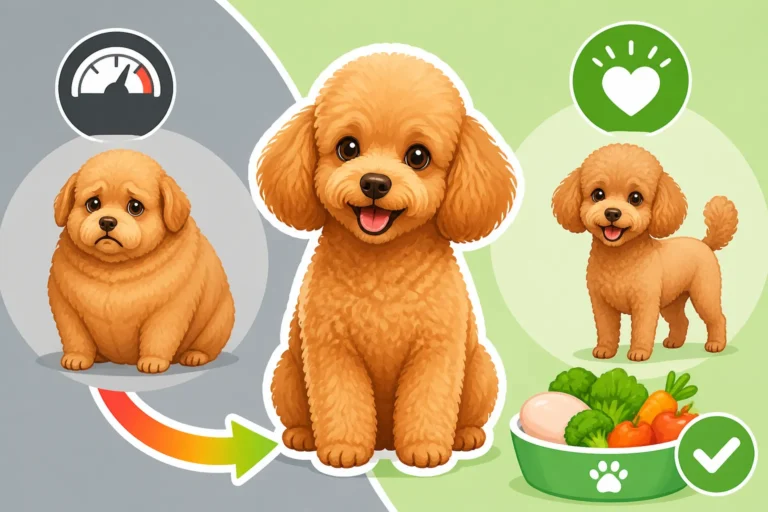
Instead of relying solely on the scales, learn to use body condition scoring (BCS). This is a hands-on method to assess whether your puppy is at a healthy weight, regardless of what the numbers say. You should be able to:
- Feel, but not see, their ribs easily when you gently run your hands along their side. If you see ribs without trying, they might be too thin. If you have to press hard to feel them, they might be overweight. Feeling Ribs Through a Poodle's Coat can be tricky with their thick fur, so develop a sensitive touch.
- Observe a defined waist when looking down at them from above, and a tuck-up (where the belly recedes) when looking at them from the side.
- Feel a small amount of fat covering their spine and hip bones, but these bones should still be palpable.
A lean puppy is a healthy puppy, especially a growing Standard Poodle. A slightly thin puppy is far preferable to an overweight one during this critical development period, as excess weight puts immense strain on their developing joints.
Signs of Underfeeding and Overfeeding
While body condition scoring is your primary tool, there are other signs to watch for:
Signs of Underfeeding:
- Visible ribs, spine, and hip bones without much effort.
- Lack of energy (though this can also indicate illness, so consult a vet).
- Stunted growth (they appear significantly smaller than littermates or breed average).
- Dull coat, poor skin condition.
- Constant begging for food, even after meals.
Signs of Overfeeding:
- Difficulty feeling ribs, spine, or hip bones.
- No discernible waist or belly tuck.
- Lethargy or reluctance to play.
- Rapid, "chunky" growth – this is a big red flag for large breeds and increases the risk of Poodle Hip Dysplasia by Size and elbow issues.
- Excessive panting after minimal activity.
If you suspect your Standard Poodle is either under or overweight, make gradual adjustments to their food portions (by about 10% increments) and monitor for a week or two. Never make drastic changes.
The Role of Your Veterinarian and Regular Check-ups
Your veterinarian is your most valuable partner in navigating your Standard Poodle's growth. During their regular puppy check-ups and vaccinations, your vet will assess their growth curve, body condition, and overall health. They can provide personalized feeding advice based on your puppy's specific genetics, activity level, and any emerging health concerns. Don't hesitate to ask them to demonstrate proper body condition scoring. They can also advise you on When a Standard Poodle Stops Growing, which is important for transitioning them to adult food.
They can also help if you're considering special dietary needs or supplements. For instance, if your puppy has a sensitive stomach, your vet might suggest specific formulations available on reputable pet supply sites like Chewy or your local pet store. Some owners even track their puppy's weight and height on a chart, which can be a fun way to visualize their progress and share with your vet during appointments.
Remember that treats also contribute to your dog's daily calorie intake. Choose high-quality, low-calorie treats, and factor them into your daily feeding calculations, especially during training. Puzzle feeders can also be a fantastic way to slow down a fast eater and provide some mental enrichment.
Feeding your growing Standard Poodle puppy correctly is a foundational element of their health. By understanding their unique needs, choosing appropriate food, establishing a consistent schedule, and diligently monitoring their condition, you’re setting them up for a long, vibrant life.
Disclaimer
This article is for general informational purposes only and does not constitute professional advice. Laws, prices and regulations vary by location and change over time. Consult a qualified professional for guidance on your specific situation.