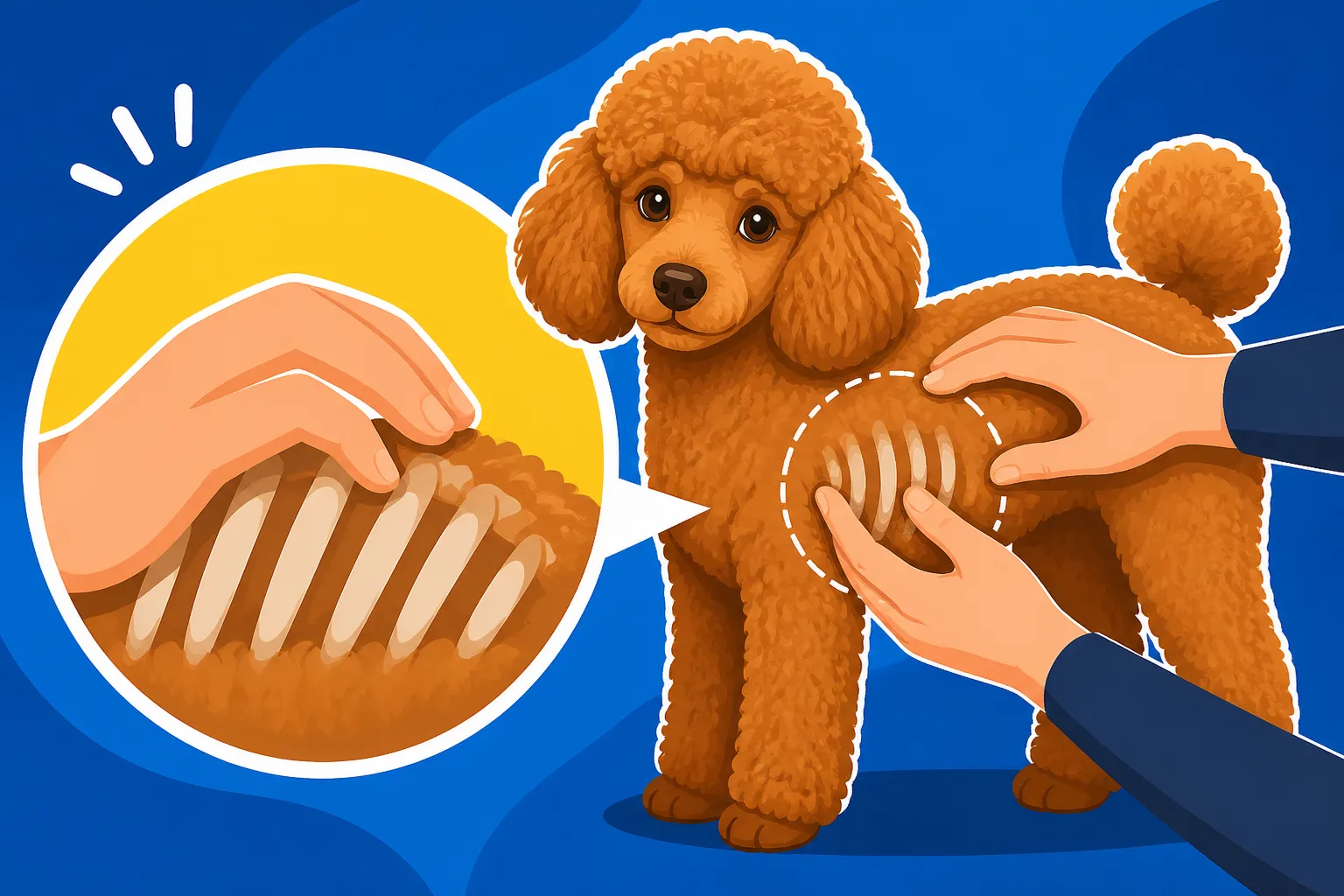
Feeling Ribs Through a Poodle’s Coat
One of the most common worries Poodle parents express to me is the struggle to figure out if their furry friend is at a healthy weight. That thick, glorious Poodle coat, while stunning, can be a real master of disguise, hiding everything from a lean frame to a few extra pounds. It leaves many of us feeling like we're just guessing, but don't fret – this guide will walk you through exactly how to confidently assess your Poodle's body condition, starting with how to properly feel their ribs.
The Poodle Coat: A Beautiful Deception
Let's be honest, that magnificent Poodle coat is both a blessing and a bit of a curse when it comes to health assessments. It’s what gives them their iconic look, allows for all those creative grooms, and feels like a cloud when you bury your face in it. However, its very nature makes it incredibly challenging to gauge what’s truly going on underneath without getting hands-on. Many owners mistakenly assume that if their Poodle "looks fine" or "feels chunky" when patted on top of the fur, that's an accurate assessment. Unfortunately, this fluffy facade can be incredibly misleading.
The Density and Curl: What You're Really Feeling
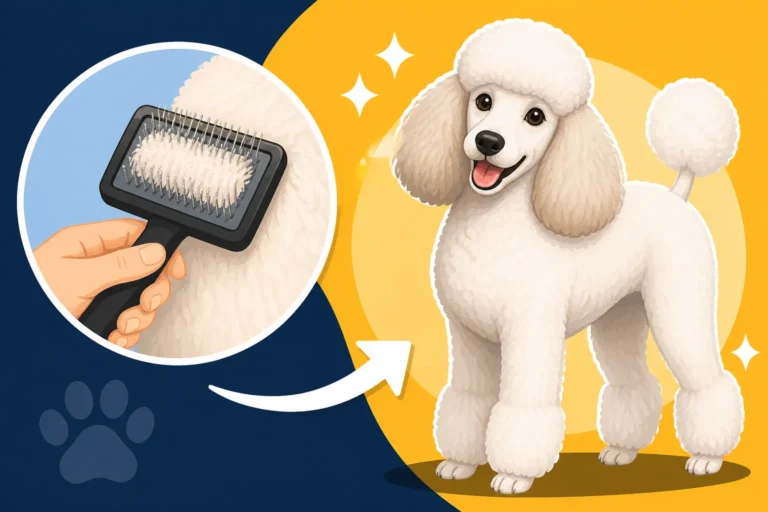
Unlike dogs with short, slick coats where ribs and spine are often visible or easily felt with a light touch, a Poodle’s dense, curly hair provides a significant cushion. Imagine trying to feel the frame of a well-upholstered armchair – it’s a similar concept. This thick layer of hair can make a Poodle appear much larger or more solid than they actually are. You might run your hand over their side and feel a soft, rounded shape, leading you to think they're plump, when in reality, it's just the volume of their hair. Conversely, a Poodle that's actually too thin might still look reasonably substantial due to the sheer fluff, making it easy to miss crucial signs of weight loss. It truly requires a deliberate, firm touch to get past the outer layer of coat and feel the skeletal structure beneath.
This is particularly true for Poodles in fuller coats, perhaps those destined for the show ring, or just beloved companions with a more natural, longer clip. The longer the hair, the more it creates an illusion of mass. Even a short puppy clip can have surprising density, especially after a fresh bath and fluff dry. It’s not about judging by sight alone, or by a casual pat, but by understanding that you need to actively seek out those bony landmarks. This physical interaction also builds a stronger bond with your Poodle, as they learn to trust your touch during these routine checks, which can be invaluable for regular grooming sessions later on.
How Grooming Can Mask Weight Fluctuations
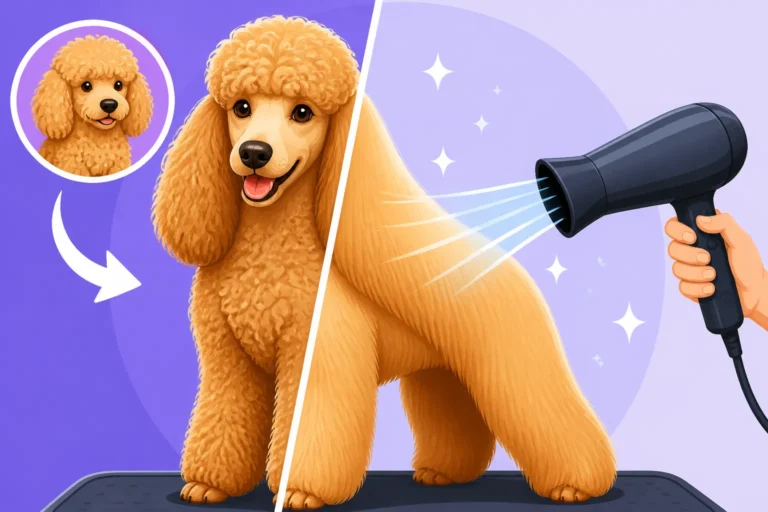
The way your Poodle is groomed can dramatically alter their perceived body shape. A Poodle with a full, fluffy clip, like a traditional Continental or even a long pet clip, will inherently look more substantial. Their coat is expertly fluffed and shaped, creating volume and giving them a robust appearance. This can easily hide a slight dip in weight that might indicate an underlying health issue or simply that they're not getting enough to eat. If you only see your Poodle after a fresh groom, when they look absolutely magnificent and "full," it's easy to overlook subtle changes that occur between appointments.
Conversely, a Poodle that’s been shaved down into a very short kennel clip or a summer cut might suddenly appear much leaner than you remember. This can sometimes lead owners to worry their dog has lost weight when, in fact, the removal of the dense hair has simply revealed their true body shape. I remember a client who panicked after her Standard Poodle, Winston, got his annual summer shave-down. She was convinced he was emaciated, but after demonstrating how to feel his ribs, she realized he was actually at a perfect weight; the coat had simply been hiding his athletic build! This phenomenon is a perfect example of why relying on visual cues alone can lead to unnecessary stress or, more critically, missing genuine health concerns. Always remember to check their body condition regularly, regardless of their current haircut.
Mastering the Rib Check: A Hands-On Guide
Feeling for your Poodle’s ribs is the most direct and reliable way to assess their body condition. It's not about being a vet, but about learning a simple, tactile skill that empowers you to monitor your dog's health more closely. Think of it as a regular self-check, just like you might check your own body for changes. This isn't a one-time thing; it's a routine you'll want to incorporate into your Poodle's care, perhaps during a cuddle session or before a bath. The more you do it, the better you'll become at recognizing what's normal for your specific Poodle.
The "Goldilocks" Zone: Too Much, Too Little, Just Right
The goal when feeling for ribs is to find that "just right" balance. You want to be able to feel the individual ribs easily with light pressure, but not have them visibly protruding or feel sharp under your fingertips. It’s a subtle art, and practice truly makes perfect. Start by placing both of your thumbs on your Poodle’s backbone, just behind their shoulder blades, spreading your fingers down over their rib cage. Now, apply gentle but firm pressure, running your fingers along their sides.
What you're looking for is a feeling similar to running your hand over the knuckles of your loosely clenched fist. You can feel the individual bones, but they’re not sharp or prominent. If you can see your Poodle’s ribs without even touching them, or if they feel very prominent and sharp like the back of your hand with fingers spread wide, your Poodle might be underweight. On the other hand, if you have to press firmly to feel the ribs, and they feel indistinct or like your palm with a flat hand, your Poodle is likely carrying too much weight. This "Goldilocks" zone, where the ribs are palpable but not overly prominent, indicates a healthy body condition. Consistency in your technique will help you detect even minor changes in your Poodle's weight over time. You can also observe their waistline – a healthy Poodle should have a noticeable tuck behind their ribs when viewed from above, and a slight abdominal tuck when viewed from the side.
| Body Condition Score | Rib Feel | Waistline (Top View) | Abdominal Tuck (Side View) | Overall Appearance |
|---|---|---|---|---|
| Emaciated | Ribs, spine, pelvic bones very prominent | Severe hourglass, sunken flanks | Severe tuck | Obvious bone structure, no body fat |
| Thin | Ribs easily visible, felt with no pressure | Marked hourglass, obvious tuck | Marked tuck | Minimal fat, prominent bone structure |
| Ideal | Ribs felt easily with light pressure | Proportional hourglass shape | Slight tuck | Well-proportioned, visible muscle, good coat |
| Overweight | Ribs felt with firm pressure, fat deposits | Square/barrel shape, no tuck | Little to no tuck | Heavy set, broad back, some fat rolls |
| Obese | Ribs very difficult to feel, heavy fat | Rounded/bulging, no waist | Hanging abdomen, no tuck | Massive fat deposits, profound loss of shape |
Beyond the Ribs: Other Indicators of Body Condition
While the rib check is foundational, it’s not the only way to assess your Poodle's weight. You should also check other bony areas where fat tends to accumulate or deplete. Run your hands over their spine, just like you did with the ribs. You should be able to feel the individual bumps of the vertebrae without having to press hard. If they feel like a flat table, that’s a sign of excess fat. If they feel like sharp, exposed mountains, your Poodle might be too thin. Similarly, check their hips and the base of their tail. In an ideal weight Poodle, you can feel these bones, but they won't be overly sharp or padded with a thick layer of fat.
Another crucial indicator is their energy level and overall demeanor. An overweight Poodle might seem sluggish, less enthusiastic about walks, or tire more quickly. They might also be prone to Poodle Obesity and Its Consequences. On the other hand, an underweight Poodle might seem lethargic, weak, or uninterested in food, though sometimes being underweight can also make them hyperactive due to nutritional deficiencies. Changes in coat quality can also sometimes accompany significant weight fluctuations. Keep an eye on your Poodle’s daily habits. Is their play as vigorous as usual? Do they still have that characteristic Poodle bounce? These observations, combined with your physical checks, paint a more complete picture of their health. If you notice any drastic changes, it's always best to consult your vet.
Common Pitfalls and Troubleshooting
Even with the best intentions, assessing a Poodle's weight can present a few challenges. Don't get discouraged if it takes a bit of practice to get a feel for it. Every Poodle is unique, and what feels normal for one might be slightly different for another, even within the same size variety. Remember, this is about learning your individual dog's normal, so you can spot deviations.
Dealing with a Wiggly or Uncooperative Poodle
Some Poodles are just naturally more energetic or, shall we say, "opinionated" about being handled. If your Poodle wiggles constantly or tries to pull away during your rib check, you’ll need a strategy. First, try to make it a positive experience. Offer high-value treats (perhaps something healthy from Chewy's selection, or even small pieces of cooked chicken) and praise profusely. Perform the check during a calm moment, perhaps after a walk when they're a bit tired, or during a quiet evening cuddle session. Start with very short sessions, just a few seconds of feeling, and gradually increase the duration as they get more comfortable.
Another trick is to do it when they’re distracted. While they’re eating their meal, you can gently run your hands over their sides. Or, if they're particularly food-motivated, have a helper hold a lick mat or a puzzle toy filled with a tasty spread to keep them occupied. Consistency is key here. If you make it a regular, positive part of your routine, they'll learn to accept it, much like they learn to accept brushing or nail trims. If your Poodle is truly resistant or shows signs of fear or aggression when handled in this way, it might be worth consulting with a positive reinforcement trainer to help build their comfort with body handling.
When to Consult Your Veterinarian for Weight Concerns
While regular at-home checks are invaluable, there are definitely times when a professional opinion is warranted. If you consistently find yourself struggling to feel your Poodle's ribs, indicating they're overweight, and your efforts to reduce their weight haven't been successful, it's time to talk to your vet. Obesity can lead to serious health issues like joint problems, diabetes, and heart disease. They can help you devise a safe and effective weight loss plan, including recommendations for Portion Control for a Poodle and potentially a prescription diet.
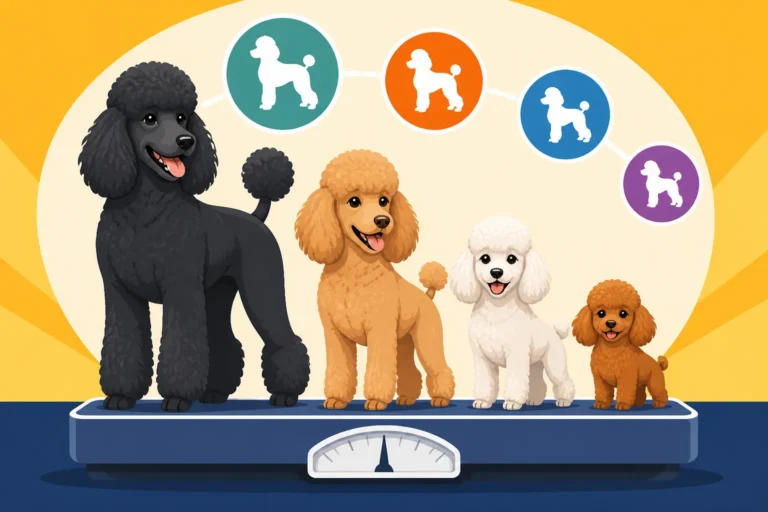
Conversely, if your Poodle's ribs are easily visible or feel very sharp, suggesting they are underweight, and you haven't intentionally put them on a diet, a vet visit is imperative. Unexplained weight loss can be a symptom of many underlying health conditions, from dental issues that make eating painful to more serious illnesses like thyroid problems or Addison's disease. Your vet can perform a thorough examination, run diagnostic tests if needed, and rule out any medical causes. They can also advise on appropriate dietary adjustments to help your Poodle safely gain weight, perhaps suggesting a higher-calorie food or supplements, and discuss What a Poodle Should Weigh by Variety for an individualized assessment. Always err on the side of caution when it comes to significant or unexplained weight changes.
Maintaining a Healthy Weight for Your Poodle
Once you've mastered the art of feeling your Poodle's ribs and established what their ideal body condition feels like, the next step is to maintain it. This isn't just about aesthetics; it's about giving your Poodle the best chance at a long, healthy, and happy life. A healthy weight supports their joints, organs, and overall vitality, allowing them to enjoy their clever Poodle lives to the fullest.
Tailoring Diet to Your Poodle's Needs
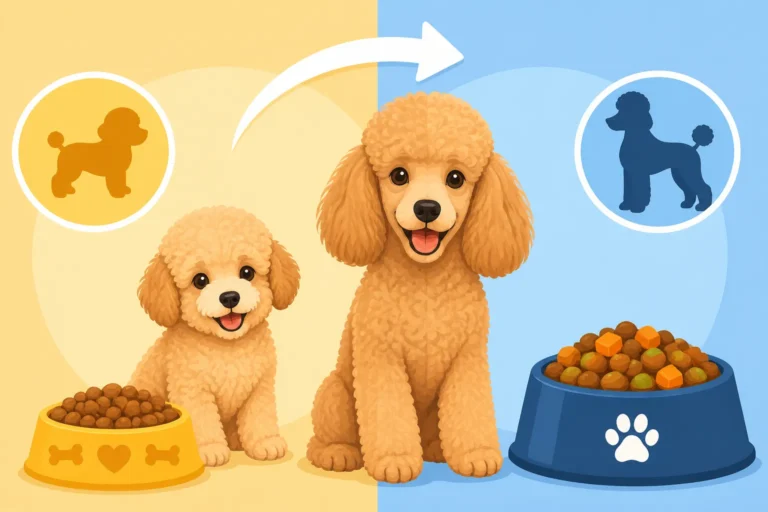
A Poodle's dietary needs are highly individualized, depending on their size, age, activity level, and any specific health conditions. A tiny Toy Poodle obviously requires a different caloric intake than a robust Standard Poodle. Feeding a Poodle by Size is not just a suggestion; it's a necessity. Look for high-quality dog foods that list a meat source as the first ingredient. Brands like Ollie offer fresh, customized meal plans that can be particularly helpful for managing weight, as they provide precise portioning based on your dog's specific profile. For dry kibble, I often browse Chewy for reputable brands with clear nutritional information.
Always follow the feeding guidelines on the food packaging as a starting point, but remember these are just guidelines. Your Poodle might need slightly more or less. Adjust as necessary based on your regular rib checks. If you notice them getting a bit pudgy, slightly reduce their portions or swap out some high-calorie treats for Low Calorie Treats for a Poodle like small pieces of carrot or green bean. If they're a bit too lean, you might need to slightly increase their food, always making changes gradually to avoid digestive upset. Remember that treats and dental chews also contribute to their daily caloric intake, so factor those in.
Exercise: More Than Just a Walk in the Park
Poodles, regardless of size, are intelligent and active dogs who thrive on both physical exercise and mental stimulation. Simply letting them out in the yard isn't enough to keep them physically fit or mentally engaged. A Standard Poodle needs substantial daily exercise, often including brisk walks, fetching, or even swimming. You can find robust toys on Amazon that stand up to their playful energy. For more ideas, check out Daily Exercise for a Standard Poodle.
Even Toy Poodles, despite their small stature, require regular activity beyond short potty breaks. They might not need miles of running, but active play sessions, indoor games, and short walks around the block are crucial for their physical and mental well-being. Read up on Daily Exercise for a Toy Poodle for specific tips. Structured playtime and training sessions not only burn calories but also keep their brilliant Poodle minds occupied, which can prevent destructive behaviors that often stem from boredom. Regular exercise helps build and maintain muscle mass, which contributes to a healthy metabolism and a lean body condition, making those rib checks much more informative.
Disclaimer
This article is for general informational purposes only and does not constitute professional advice. Laws, prices and regulations vary by location and change over time. Consult a qualified professional for guidance on your specific situation.