Feeding a Toy Poodle Four Times a Day
It’s a common worry for new Toy Poodle parents, isn't it? That tiny, energetic bundle of fluff seems to burn through calories faster than you can blink, and the fear of them crashing from low blood sugar is very real. This guide will walk you through why feeding your Toy Poodle four times a day, especially as a puppy, is not just a good idea, but often a critical one for their health and well-being, and how to manage this feeding schedule effectively.
The Unique Metabolic Demands of a Toy Poodle Puppy
Let’s be honest, those little Toy Poodles are just tiny. And with that tiny stature comes a specific set of metabolic needs that are quite different from their larger Standard or Miniature cousins. Toy Poodle puppies are particularly susceptible to Hypoglycemia in a Toy Poodle Puppy, a condition where their blood sugar levels drop dangerously low. It’s not just a minor inconvenience; it can be life-threatening.
Why Small Size Means Frequent Meals
Imagine trying to keep a tiny furnace burning with very small pieces of coal. You'd have to feed it often, right? That’s essentially what’s happening with your Toy Poodle puppy. Their small bodies have a higher surface area to volume ratio compared to larger dogs, which means they lose heat more quickly and have a faster metabolism. This rapid metabolism burns through their energy reserves, primarily glucose, at an alarming rate. Their small stomachs also mean they can't consume large quantities of food in one go, so frequent, smaller meals are the logical answer.
Think about a human baby versus an adult. Babies need to eat much more frequently because their systems are still developing and they have very little in the way of energy reserves to draw upon. The same principle applies to our smallest Poodle puppies. A tiny liver, which is responsible for storing glycogen (the body's reserve glucose), simply doesn't have the capacity to hold enough to tide them over for long stretches between meals. If they go too long without food, especially after periods of high activity or stress, their blood sugar can plummet, leading to symptoms like lethargy, wobbliness, confusion, and even seizures. Understanding Signs of Low Blood Sugar in a Toy Poodle Puppy is vital for any Toy Poodle owner.
Avoiding Hypoglycemia: A Proactive Approach
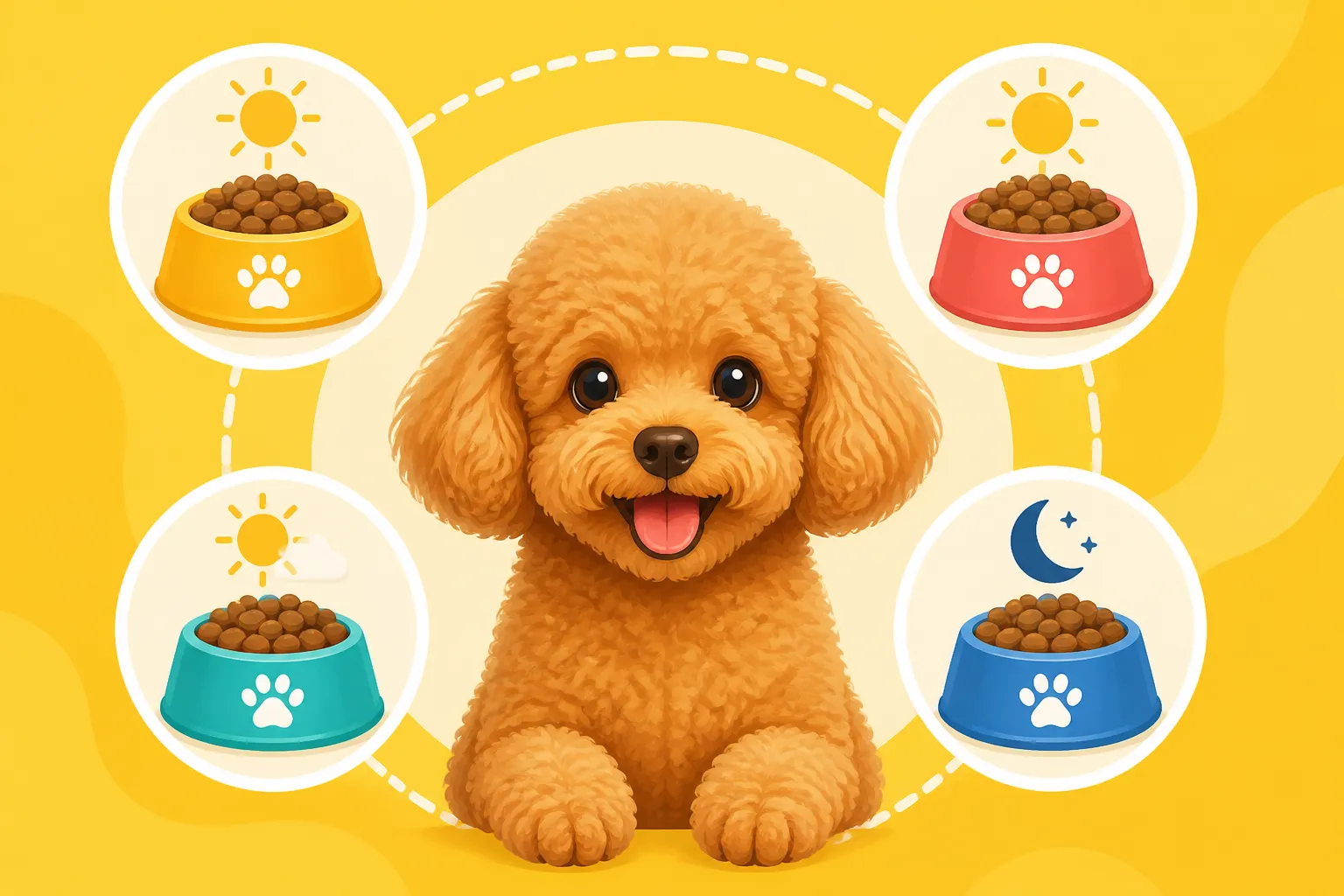
The key to preventing hypoglycemia is a proactive feeding schedule. For a young Toy Poodle puppy, particularly those under four or five months old, offering food four times a day acts as a consistent buffer against blood sugar dips. This regular intake ensures a steady supply of glucose, supporting their rapid growth, high energy levels, and developing organs. It's not about stuffing them full, but rather providing a constant, manageable trickle of nutrition.
Many owners feel overwhelmed by the thought of feeding four times a day, especially when juggling work and other commitments. However, it quickly becomes part of the daily routine. The peace of mind knowing you're protecting your precious pup from a serious health issue is invaluable. Plus, these frequent feeding times are also wonderful opportunities for bonding and positive reinforcement training. Each meal can become a mini-training session, teaching good manners around food. You’ll be surprised how quickly they learn to associate mealtime with positive experiences, which is a great foundation for future training too. How Often a Toy Poodle Puppy Must Eat is a question frequently asked, and four times a day is generally the golden standard for young pups.
Crafting a Successful Four-Meal-a-Day Schedule
Implementing a four-meal-a-day schedule doesn't have to be complicated. It’s all about consistency and tailoring it to your Poodle puppy’s individual needs and your household's rhythm. The goal is to distribute their total daily caloric intake evenly across these four smaller meals, ensuring they get the necessary nutrients without overeating at any one time.
Setting Up a Consistent Routine
Consistency is paramount. Just like human babies thrive on routine, so do puppies. Aim for roughly equal intervals between meals throughout the day. For example, if your puppy gets breakfast at 7 AM, subsequent meals could be around 11 AM, 3 PM, and 7 PM. This provides a roughly four-hour gap, which is often ideal for tiny pups.
| Meal Time | Approximate Interval (from previous meal) | Notes |
|---|---|---|
| 7:00 AM | – | Start the day strong! |
| 11:00 AM | 4 hours | Good for a mid-morning boost, especially after morning play. |
| 3:00 PM | 4 hours | Helps sustain energy through the afternoon, crucial for preventing crashes before the last meal. |
| 7:00 PM | 4 hours | Final meal of the day, allowing time for digestion before bedtime. |
Of course, this is just an example, and you'll need to adjust based on your own schedule. If you work outside the home, you might need a midday dog walker or a trusted friend/family member to step in for that second or third feeding. Or, consider staggering meals a bit if you have flexibility, perhaps 6 AM, 11 AM, 4 PM, and 9 PM if your evenings are later. The important thing is regularity and making sure those gaps aren't too long.
Choosing the Right Food and Portions
When it comes to the food itself, a high-quality puppy formula specifically designed for small breeds is essential. These formulas are typically more calorie-dense and have smaller kibble sizes, which are perfect for tiny mouths and developing digestive systems. Look for brands that list real meat as the first ingredient and avoid excessive fillers. You can find excellent options on platforms like Chewy or Amazon, where you can read reviews and compare ingredients easily. Some owners even opt for fresh food diets, like those offered by Ollie, which can be custom-portioned for their specific dog's needs, offering convenience and often high palatability.
To determine the correct portion size for each of your four meals, you'll first need to calculate your puppy's total daily caloric needs based on their age, weight, and activity level. This information is usually available on the food packaging, or your veterinarian can provide guidance. Then, simply divide that total daily amount by four. It’s crucial not to simply add a fourth meal on top of what they would normally eat for three; you're splitting their daily intake into more frequent intervals. Your vet is truly your best resource for exact feeding recommendations for Feeding a Toy Poodle Puppy, especially if your pup has any specific health concerns. They can help you understand What a Vet Checks on a Toy Poodle Puppy and how to tailor their diet.
Transitioning and Adapting as Your Poodle Matures
While four meals a day is ideal for young Toy Poodle puppies, it's not a lifelong commitment. As your Poodle grows and their metabolism matures, their need for such frequent feedings will naturally decrease. Knowing when and how to transition them to fewer meals is an important part of their ongoing care.
When to Reduce Meal Frequency
Generally, Toy Poodle puppies can begin to transition from four meals to three meals a day around 4 to 6 months of age. The move from three meals to two a day usually happens between 6 and 12 months. However, these are just guidelines. The exact timing will depend on your individual Poodle's growth rate, energy levels, and overall health.
Here are some signs your Poodle might be ready for fewer meals:
- Consistent Weight Gain: Your Poodle is growing steadily and maintaining a healthy body condition. You should be able to feel their ribs easily, but not see them.
- Stable Energy Levels: They no longer experience sudden dips in energy or seem excessively ravenous right before meal times.
- Leaving Food Behind: They start to leave a little bit of food in their bowl, indicating they're feeling satiated for longer.
- Reduced Risk of Hypoglycemia: As their liver matures, it becomes more efficient at storing glycogen, reducing the risk of blood sugar crashes.
Always make these transitions gradually. For instance, when moving from four meals to three, you might slightly increase the portion size of the remaining three meals over a week or two, rather than just cutting out a meal cold turkey. Watch for any changes in appetite or energy. If your Poodle seems hungry or lethargic, you might need to revert to the previous schedule for a bit longer. For some exceptionally tiny or very active Toy Poodles, particularly those on the smaller end of the spectrum, three meals a day might be their ideal adult schedule, even if most dogs eventually go to two. This is particularly true for The Age a Toy Poodle Goes to Two Meals, where some may linger on three for longer.
Long-Term Feeding Strategies
Once your Toy Poodle is an adult, typically around 12 months of age, most will do well on two meals a day – a breakfast and a dinner. This schedule aligns well with most human routines and ensures your Poodle maintains a healthy metabolism throughout the day. Even as adults, Poodles are an intelligent and active breed, so consistent nutrition is key.
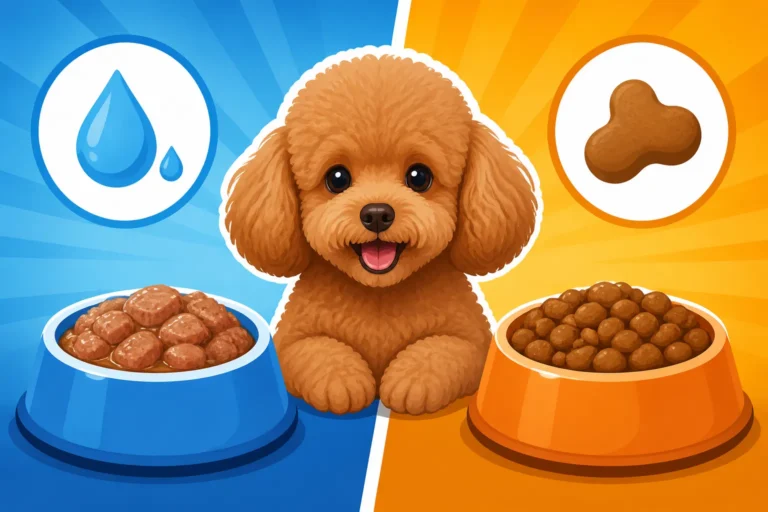
When considering adult food, again, look for high-quality formulas. The kibble size should still be appropriate for their small jaws. While fresh water should always be available, especially with dry kibble, some Toy Poodles may benefit from a bit of wet food mixed in, particularly if they are finicky eaters or need extra hydration. Platforms like Chewy offer auto-ship options, making it easy to keep your Poodle's favorite food coming without interruption. If you're exploring different types of food, such as raw feeding or other specialized diets, always consult with your veterinarian. They can help ensure your chosen diet is nutritionally complete and appropriate for your Poodle's specific needs as they age and their activity levels change. You might also want to look into Kibble Size for a Toy Poodle's Jaw to ensure optimal dental health.
Remember that feeding isn't just about calories; it's about providing the right balance of proteins, fats, vitamins, and minerals. Regular vet check-ups will help ensure your Toy Poodle is thriving and that their feeding plan remains appropriate throughout their life, from energetic puppyhood to Caring for an Aging Poodle.
Common Feeding Challenges and Solutions for Toy Poodles
Even with the best intentions, feeding a Toy Poodle can sometimes present unique challenges. Their small size, delicate digestive systems, and sometimes finicky appetites mean owners need to be observant and adaptable.
Managing a Finicky Eater
Some Toy Poodles can be incredibly picky. One day they love a certain food, the next they turn their nose up at it. This can be particularly frustrating when you're trying to ensure consistent intake to prevent hypoglycemia.
Here are a few strategies for a finicky Toy Poodle:
- Consistency, Then Variety: Stick to one high-quality food for a while to establish a routine. If they become truly bored, you can try rotating between a couple of different high-quality brands or protein sources, but introduce new foods slowly to avoid stomach upset. A small amount of warm water or low-sodium broth mixed into kibble can sometimes enhance flavor and aroma.
- Avoid Free-Feeding: While it might seem tempting to leave food out all day for a picky eater, it can actually make them more finicky. They learn the food is always available, so there's no urgency. Instead, put the food down for 15-20 minutes, then pick it up, even if they haven't eaten much. They'll quickly learn to eat when the food is offered.
- Watch the Treats: Are you giving too many treats between meals? Those tiny calories add up for a Toy Poodle, and they might be filling up on less nutritious snacks instead of their main meals. Be mindful of training treats small enough for a Toy Poodle and integrate them into their overall caloric intake.
- Rule Out Medical Issues: A sudden change in appetite could indicate a health problem. If your Poodle, who was previously a good eater, suddenly becomes finicky, a vet visit is always a good idea to rule out dental issues, stomach upset, or other underlying conditions.
Preventing Overfeeding and Weight Gain
Conversely, some Toy Poodles are enthusiastic eaters, and it's easy to overfeed them. Given their small stature, even a few extra kibbles a day can lead to unhealthy weight gain, putting strain on their tiny joints and increasing the risk of other health problems.
- Measure Everything: Don't eyeball it. Use a precise measuring cup or even a kitchen scale to ensure you're giving the exact recommended portion at each meal. This is especially critical for those four small meals a day.
- Monitor Body Condition: Regularly check your Poodle's body condition. You should be able to easily feel their ribs without pressing hard, and they should have a discernible waist when viewed from above. If you can't feel the ribs, it's time to talk to your vet about adjusting their diet. Remember, a Poodle’s fluffy coat can hide a lot! Feeling Ribs Under a Thick Poodle Coat can be tricky, but it's an important skill to master.
- Factor in Treats: As mentioned, treats count. If you're using treats for training, deduct those calories from their daily food allowance. Opt for very small, low-calorie treats.
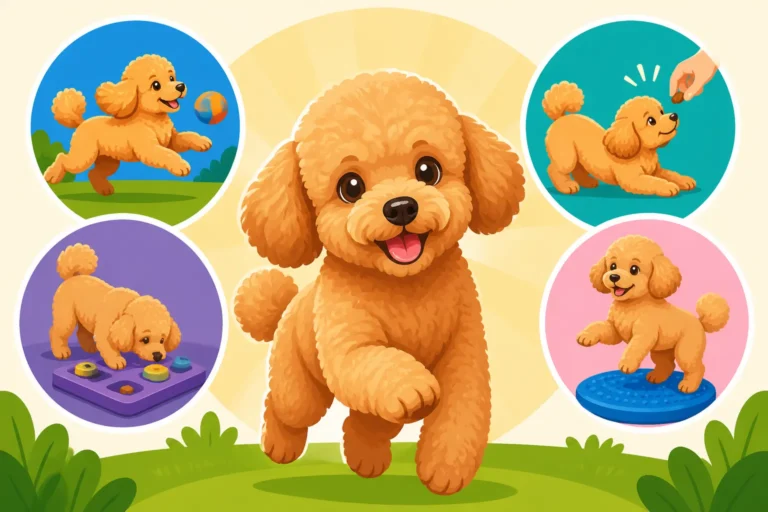
- Active Lifestyle: Toy Poodles, despite their size, need regular exercise. Daily walks, indoor play, and mental stimulation will help them burn calories and maintain a healthy weight. Daily Exercise for a Toy Poodle is crucial for both physical and mental well-being.
- Slow Feeder Bowls: If your Toy Poodle inhales their food too quickly, a slow feeder bowl can help them eat at a more measured pace, aiding digestion and making them feel fuller. You can find many options on Amazon or Chewy.
By being mindful of these common challenges and proactively addressing them, you can ensure your Toy Poodle receives optimal nutrition, leading to a happy, healthy life.
Disclaimer
This article is for general informational purposes only and does not constitute professional advice. Laws, prices and regulations vary by location and change over time. Consult a qualified professional for guidance on your specific situation.