Nose Work as Exercise for a Poodle
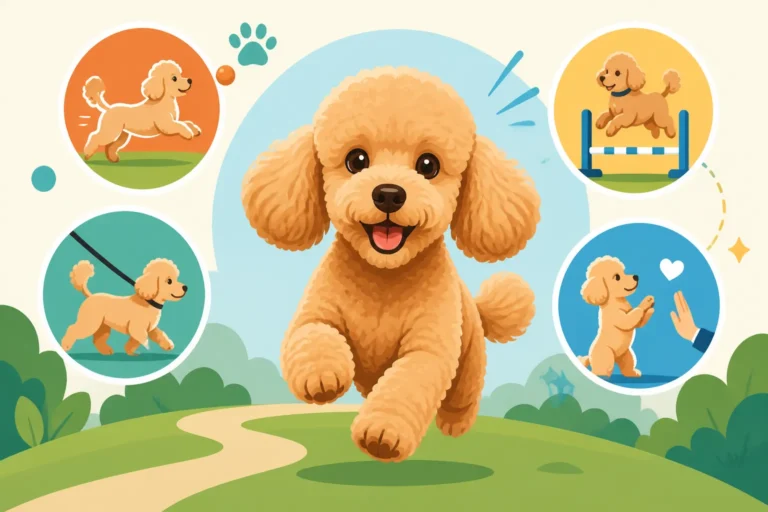
One common frustration for Poodle owners is the sheer amount of mental energy these brilliant dogs possess. A simple walk around the block often isn't enough to truly tire them out, leaving them bored and sometimes a little mischievous at home. This guide will dive deep into nose work, a fantastic activity that taps into your Poodle's natural intelligence and powerful sense of smell, providing an enriching outlet that goes far beyond typical physical exercise.
Why Nose Work Is a Perfect Fit for the Poodle Brain
Poodles are renowned for their exceptional intelligence, often ranking among the smartest dog breeds. While this makes them incredibly trainable, it also means they need significant mental stimulation to be truly happy and well-adjusted. Left to their own devices, a bored Poodle brain can invent its own "jobs," which sometimes look a lot like chewing up your favorite rug or incessant barking. That's where nose work comes in as a brilliant solution, harnessing their natural instincts and giving them a job they were practically born to do.
Tapping Into Natural Instincts and Poodle Intelligence
Many people forget that Poodles were originally bred as water retrievers, specifically for hunting ducks. This history imbues them with a strong prey drive, keen observation skills, and, crucially, an amazing sense of smell. They had to locate downed birds, often in dense cover or water, relying heavily on their noses to find what their human partners couldn't see. Modern Poodles might be more accustomed to plush sofas than murky ponds, but that incredible scenting ability is still there, lying dormant and eager to be used.
Think about it: your Poodle already uses their nose constantly, sniffing out interesting smells on walks, investigating every new object in the house, or finding that tiny dropped crumb under the table. Nose work simply formalizes this natural behavior, giving it structure and purpose. It's not about forcing them to do something unnatural; it's about giving them an acceptable, engaging outlet for something they instinctively love to do. This kind of activity is incredibly satisfying for them, engaging their primal hunting instincts in a safe and fun way.
Beyond Physical Exercise: The Mental Workout a Poodle Needs
While we all know Poodles need their daily physical exercise – whether it's a good long walk, a game of fetch, or a romp in the park – it's often the mental stimulation that truly exhausts them. A physically tired Poodle might still have a buzzing brain, leading to restlessness. Nose work, however, flips this script entirely. It's a mental marathon, requiring focus, problem-solving, and sustained concentration. Your Poodle has to think, analyze scents, strategize their search, and persevere until they find the "target."
Just 15-20 minutes of dedicated nose work can be as tiring, if not more so, than an hour-long walk for some Poodles. It burns brainpower, which is often the most critical ingredient for a calm and content Poodle at home. When their minds are engaged and satisfied, they're less likely to seek out destructive behaviors or display signs of anxiety born from boredom. This makes nose work an invaluable tool for Keeping a Poodle Mind Occupied and preventing the kind of mischief that can arise when Why a Bright Poodle Gets Bored. It's a fantastic way to ensure your Poodle is truly tired, both mentally and physically, by the end of the day.
Getting Started with Simple Nose Work Games at Home
You don't need fancy equipment or a professional trainer to start engaging your Poodle in nose work. The beauty of it is that you can begin right in your own home with items you already have. The key is to make it fun, positive, and build their confidence, gradually increasing the challenge as they understand the game. Remember, your Poodle's sensitive nature means patience and praise are far more effective than frustration.
The Shell Game: A Perfect Introduction to Scent
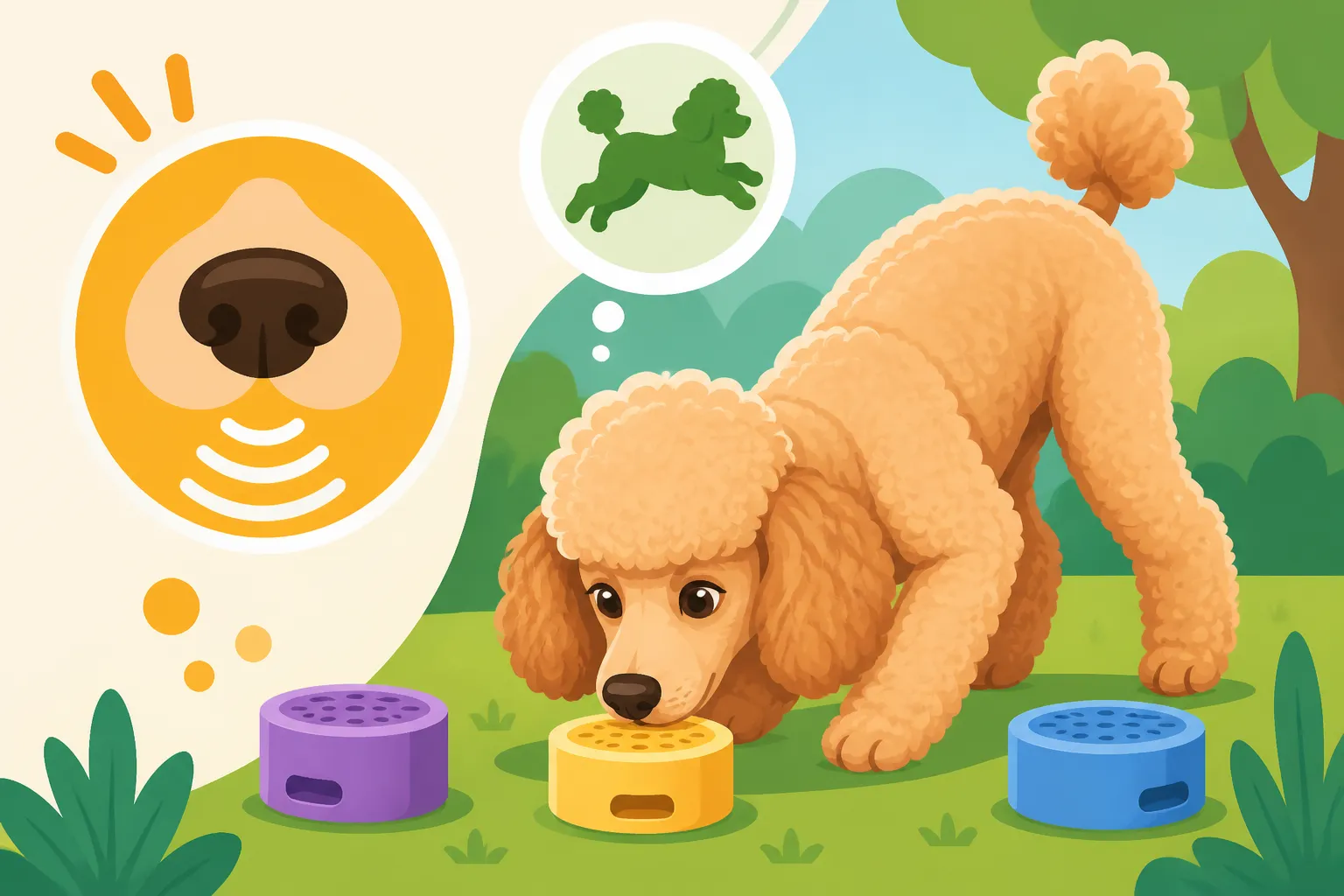
One of the easiest ways to introduce your Poodle to the concept of finding a hidden treat by scent is the classic shell game. All you need are three opaque cups (plastic or paper works great) and some high-value, pea-sized treats. Start by letting your Poodle watch you place a treat under one cup. Encourage them to "find it" and praise them enthusiastically when they nose or paw at the correct cup. Lift the cup, let them have the treat, and make a huge fuss.
Once they understand that getting the treat means interacting with the cup, you can start to subtly move the cups around in front of them, letting them see which cup the treat is under. Gradually, make the movements quicker or more elaborate. The goal is for them to use their nose, not just their eyes, to follow the scent. Don't worry if they get it wrong at first; just gently guide them, showing them the correct cup and letting them have the reward. The objective here is to build their confidence and make the game highly rewarding. You want them to love searching.
Hide and Seek with Treats: Expanding the Search Area
Once your Poodle masters the shell game, you can expand their search area dramatically with simple hide-and-seek games. Start in a quiet room, with your Poodle in a "stay" or crated nearby. Show them a high-value treat – something they adore, perhaps a tiny piece of their favorite training treat or a small bite of something special from your pantry. Then, let them watch you hide it in an easy-to-find spot, like just under a chair, behind a curtain flap, or on a low shelf. Release them with a cue like "Find it!" or "Search!"
As they get better, you can increase the difficulty:
- More complex hiding spots: Higher up, under a blanket, inside a slightly open box.
- Multiple hiding spots: Hide several treats, encouraging a longer search.
- Different rooms: Start in one room, then expand to others.
- Distractions: Play with the TV on or another family member present.
Remember to celebrate every find with huge praise! The treat is the immediate reward, but your enthusiasm is what tells them they're doing a fantastic job. This is a brilliant way to provide Mental Work That Tires a Poodle without needing to leave the house, especially on rainy days or when you're short on time for a long walk. You can find a vast array of suitable treats on platforms like Chewy or Amazon, making it easy to stock up on their favorites. Brands like Ollie also offer high-quality, human-grade food that can be portioned into tiny, irresistible training treats.
Progressing Your Poodle's Scent Skills
Once your Poodle is a seasoned pro at finding treats around the house, you can start to introduce more structure and challenge to their nose work adventures. This progression helps to refine their skills, introduce new concepts, and keep the game fresh and exciting. It's about moving from basic treat-finding to understanding the specific odor you want them to locate.
Introducing a Target Odor: The Scent of Birch
Professional nose work, often called K9 Nose Work or Scent Work, involves teaching dogs to find specific essential oil odors, such as birch, anise, and clove. You can introduce these at home. You'll need an "odor kit," which typically includes small vials of essential oil diluted and placed on cotton swabs, stored in airtight containers. These kits are readily available online from pet supply retailers.
Here’s a common way to introduce the target odor:
- Paired association: Start by placing a birch-scented cotton swab (secured in a straw or tin with holes) right next to a highly desirable treat. Let your Poodle find both together repeatedly. The goal is for them to associate the smell of birch with the fantastic reward.
- Gradual separation: Once they consistently go for the birch scent and the treat, you can start to slightly separate them. Hide the birch scent in one small container and the treat in another, close by. Your Poodle should indicate the birch scent, and then you reward them with the treat from the other container.
- Increasing difficulty: Gradually hide the birch scent in more challenging locations, still rewarding them enthusiastically when they indicate its presence. The reward should always come from your hand after they correctly identify the target odor, not from finding the treat with the odor.
This phase requires patience and consistency. Your Poodle is learning a new rule: "Find this specific smell, and then I get my reward." It’s an intellectual leap that truly challenges their cognitive abilities. Remember that Poodles, despite their incredible intelligence, can sometimes shut down if they feel they are failing or being unfairly corrected, so keep the experience positive and rewarding. This helps build confidence, especially for a Poodle Temperament and Sensitivity that might be prone to withdrawing if pressured.
Container, Interior, and Exterior Searches
As your Poodle develops a strong understanding of the target odor, you can diversify the types of searches you engage in. This mimics the stages of competitive nose work and keeps their skills sharp across different environments.
- Container Searches: This involves hiding the target odor among a series of identical containers, such as cardboard boxes or plastic tubs. Start with just one container holding the odor and a few empty ones. As your Poodle succeeds, increase the number of empty containers, move them around, or use containers of different sizes and materials.
- Interior Searches: This moves the game into larger spaces within your home. Hide the odor on furniture, under rugs, inside drawers (slightly ajar), or on window sills. The challenge here is the vastness of the space and the various ambient smells that might distract them. Start with easy hides and gradually increase the difficulty, celebrating every successful find.
- Exterior Searches: Taking nose work outside introduces a whole new level of complexity. Wind, weather, and a myriad of natural scents can make finding the target odor much harder. Begin in a calm, familiar outdoor space like your backyard. Hide the odor on outdoor furniture, plants, or fence posts. As your Poodle gains proficiency, you can move to new environments like a local park (being mindful of other dogs and people).
Consider enrolling in an introductory nose work class if you want to pursue this activity more formally. Many dog training facilities offer classes that teach these concepts in a structured way, providing expert guidance and helping you understand how to read your Poodle's subtle "tells" when they find the scent. These classes can be an excellent way to continue challenging your Poodle's mind and strengthen your bond. When looking for a class, seek out trainers who use positive reinforcement and understand Finding a Trainer a Poodle Will Not Shut Down For.
Beyond Exercise: The Profound Benefits of Nose Work
Nose work offers much more than just a way to burn off energy; it provides profound benefits for your Poodle's overall well-being, enhancing their confidence, focus, and your bond together. It truly taps into the core of what makes a Poodle such a special and intelligent companion.
Building Confidence and Reducing Anxiety
For Poodles who might be a bit shy, nervous, or prone to anxiety, nose work can be a game-changer. The activity is entirely self-rewarding: they find the scent, they solve the puzzle, and they get the praise and reward. There's no pressure from the handler (you) to perform a specific action, only encouragement and celebration for their natural abilities. This independence in problem-solving builds immense confidence.
Imagine a Poodle who is usually timid around new people or places. When they successfully find a hidden scent in a novel environment, they learn that they can control their world, solve challenges, and earn good things, regardless of external distractions. This empowerment can translate into a more confident demeanor in other aspects of their life. It teaches them to trust their instincts and abilities, which is invaluable for dogs who may otherwise feel overwhelmed. It helps a dog truly focus, and for many Poodles, a job gives them purpose, helping them feel secure and useful.
Enhancing Focus and Problem-Solving Skills
Nose work demands intense focus. Your Poodle has to tune out distractions – sights, sounds, and competing odors – and concentrate solely on the target scent. This sustained mental effort strengthens their ability to concentrate, which can have ripple effects in other training areas. A Poodle practiced in nose work often shows improved focus during obedience sessions because they've learned how to block out environmental noise and hone in on a specific task.
It’s also an incredible exercise in problem-solving. A Poodle isn't just looking for a treat; they're interpreting air currents, mapping a search area, determining the strongest scent source, and navigating obstacles to get to it. They're constantly making decisions: "Is the scent stronger here? Should I check under this?" This cognitive engagement is precisely What a Poodle Does When Its Brain Is Idle in less constructive ways. The satisfaction of figuring out the puzzle is a huge part of the reward for these clever dogs, contributing to their overall happiness and contentment.
Strengthening the Human-Canine Bond
Few activities foster the human-canine bond as intimately as nose work. As the handler, your role is to observe, encourage, and celebrate your Poodle's efforts. You learn to read their subtle body language – the slight head turn, the increased sniffing intensity, the freezing gaze – that tells you they've found the scent. This deep observation strengthens your understanding of your dog and builds a non-verbal communication that is incredibly rewarding.
You become their cheerleader, their support system, and their trusted partner in adventure. Your Poodle learns to trust your cues and celebrates with you at every success. It’s a shared activity that relies on cooperation and mutual respect, rather than simply command and obey. This teamwork deepens your connection, making your Poodle feel understood and valued, and giving you a unique insight into their incredible abilities. It’s truly a wonderful way to connect with your Poodle, engaging in Scent Games That Stretch a Poodle's Mind together.
Essential Gear for the Aspiring Scent Detection Poodle
You don't need a huge investment to get started with nose work, but a few key items will make the process smoother and more effective for you and your Poodle. Prioritizing quality for certain items, like treats and odor kits, will yield better results.
| Item | Purpose | Key Considerations |
|---|---|---|
| High-Value Treats | Motivation and reward for correct detection. | Small, soft, smelly (cheese, cooked meat, liver treats). Avoid crumbly treats. |
| Odor Kit | Introduces target essential oils (birch, anise, clove). | Scent should be diluted, not pure oil. Swabs should be protected in a non-porous container (e.g., metal tin, plastic vial). |
| Search Containers | For container searches (initial hiding spots). | Cardboard boxes, plastic containers (e.g., from Amazon). Consistent size/shape initially, then vary. |
| Lidded Containers | For storing odor aids and preventing contamination. | Airtight to preserve scent. Separate containers for different odors. |
| Long Line or Leash | For managing your Poodle in larger or outdoor search areas. | Lightweight but sturdy, allows freedom to roam while maintaining control. |
| Clicker (Optional) | For precise marking of the exact moment of detection. | Helps clearly communicate when your Poodle has done the correct thing. |
When choosing treats, remember that Poodles can sometimes be particular, and you might need variety to keep them interested. Look for options that are easy to break into tiny pieces, as you'll be giving many rewards. Chewy and Amazon both offer a wide selection, including many Low Calorie Treats for a Poodle or Treats Small Enough for a Toy Poodle, which is especially important if you're working with a smaller Poodle or one prone to putting on weight.
Regarding odor kits, always ensure you're getting properly diluted essential oils intended for dog training. Pure essential oils can be too strong and potentially harmful. Reputable suppliers package their kits safely. Once you have your kit, keep the odors separate from food rewards and other strong smells to avoid cross-contamination. This ensures your Poodle learns to focus on the specific target odor and nothing else.
Disclaimer
This article is for general informational purposes only and does not constitute professional advice. Laws, prices and regulations vary by location and change over time. Consult a qualified professional for guidance on your specific situation.