What a Poodle Does When Its Brain Is Idle
It’s a scenario many Poodle owners know all too well: you’ve got this incredibly smart, eager-to-please dog, but when their brilliant mind isn't given anything productive to do, they suddenly become a furry, four-legged whirlwind of mischief. Whether it's destructive chewing, incessant barking, or inventing new and alarming ways to get into trouble, an idle Poodle brain can lead to a chaotic home. This guide will help you understand why your Poodle acts out when bored and, more importantly, equip you with practical strategies to channel their intelligence into positive behaviors, bringing peace back to your household.
The Curse of Poodle Intelligence
Having a Poodle is like living with a canine genius. They are famously ranked as one of the most intelligent dog breeds, capable of understanding complex commands and solving intricate problems. While this sounds wonderful on paper, it often comes with a significant challenge: a genius who isn't given stimulating work will find their own, often less-than-desirable, ways to stay entertained.
Why a Bright Poodle Gets Bored
Poodles were originally bred as water retrievers in Germany, tasked with complex jobs like finding and bringing back downed game from icy waters. This required not just physical prowess but keen intelligence, problem-solving skills, and a strong desire to work alongside their human companions. Their ancestors weren't just running around; they were thinking, assessing, and making decisions. This deep-seated need for mental engagement is still very much alive in modern Poodles, regardless of their size.
You can learn more about how their intelligence is measured in articles like Poodle Intelligence and Coren's Ranking. If you've ever felt like your Poodle is a bit "too smart for its own good," you're not alone. This very intelligence, while a huge advantage in training, can also be a double-edged sword, making life with them uniquely challenging if their mental needs aren't met. It’s a common sentiment that Why Intelligence Makes a Poodle Harder to Live With is precisely because they need constant mental stimulation. Simply put, a Poodle with an empty schedule will write its own, and you might not like the script. This is essentially Why a Bright Poodle Gets Bored and needs outlets.
Common Boredom Behaviors
When a Poodle’s brain is idle, the behaviors can range from annoying to downright destructive. You might come home to find a trail of destruction that suggests a small tornado passed through, not just your elegant Poodle.
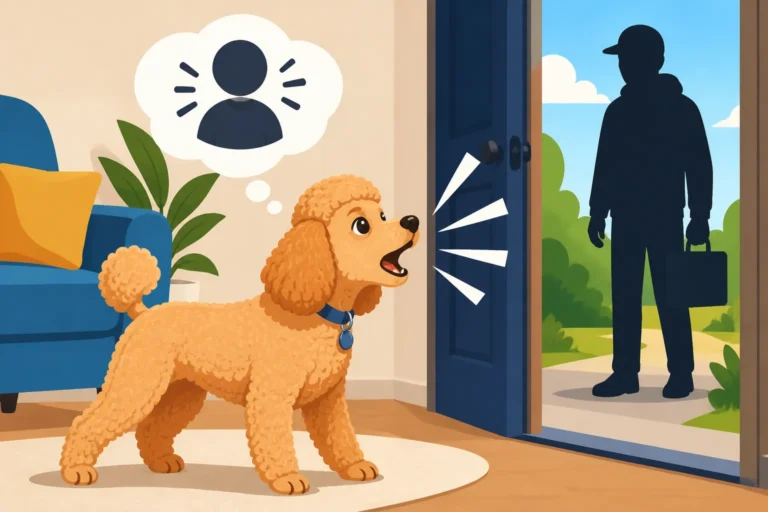
One of the most common signs of boredom is excessive barking. Your Poodle might bark at every leaf blowing past the window, every person walking down the street, or even at nothing at all, simply because it’s a way to expend energy and get attention. Destructive chewing is another classic. Instead of gnawing on their approved toys, they might decide your sofa cushions, table legs, or prized sneakers are far more interesting. This isn't out of spite; it's often a desperate attempt to engage their minds and mouths. Some Poodles become diggers, tearing up your garden or even your carpets. Others might resort to counter-surfing, turning into furry chefs in your kitchen, or developing incessant licking behaviors, sometimes even leading to skin irritations. They might even invent their own shortcuts in training, anticipating cues rather than waiting for them, which can be frustrating when you're trying to refine a behavior, as discussed in Why a Poodle Invents Its Own Shortcuts. These behaviors are their way of saying, "Hey, I'm bored! Give me something to do!"
Channeling That Cleverness: Mental Enrichment Ideas
The good news is that Poodle intelligence, while demanding, also means they are incredibly receptive to learning and new challenges. The key is to redirect their natural drive into activities that are both stimulating and acceptable.
Puzzle Toys and Interactive Feeders
These are absolute lifesavers for Poodle owners. Instead of just putting food in a bowl, make your Poodle work for it! Puzzle toys turn mealtime into a mental scavenger hunt. There's a vast range out there, from simple rubber treat dispensers that require rolling to get kibble out, to complex multi-step puzzles that challenge your Poodle to lift, slide, and manipulate pieces to access hidden rewards.
The trick with Poodles is that they often master these quickly. What might challenge another breed for an hour, a Poodle can figure out in minutes. So, it’s crucial to rotate toys, increase the difficulty, or even combine several puzzle types. You can find a fantastic array of these on platforms like Amazon, offering everything from simple treat dispensers to more complex brain games that will keep your Poodle engaged. Remember, a toy that's too easy will only hold their attention for a moment before they get bored again. You'll want to invest in a few different types to keep things fresh. These types of tools are explicitly designed to be Feeders That Make a Poodle Think for Dinner.
Scent Work and Nose Games
Poodles possess an excellent sense of smell, a remnant of their hunting heritage. Engaging their nose is one of the most effective and often overlooked ways to provide mental stimulation. Scent work is surprisingly tiring for dogs because it requires intense focus and problem-solving.
You can start with simple "find it" games at home. Hide a few high-value treats around a room while your Poodle watches, then release them with a "find it!" command. As they get better, make the hiding spots harder, or have them wait in another room while you hide the treats. You can also incorporate this into your outdoor walks by letting them sniff and follow interesting scents in a safe, leashed environment. For more structured engagement, many local dog training clubs offer scent work classes, also known as K9 Nose Work. These classes teach your Poodle to detect specific odors, mimicking detection dog work, and can be incredibly rewarding. It's truly amazing to see how much energy Nose Work as Exercise for a Poodle can burn, even more than a long walk sometimes!
Trick Training and Advanced Obedience
Poodles don’t just learn quickly; they love to learn. Basic obedience commands like "sit" and "stay" are just the tip of the iceberg for a Poodle. To truly engage their minds, push beyond the basics into trick training or advanced obedience.
Think about teaching them to retrieve specific named toys ("get the squeaky ball!"), to open and close doors, put their toys away in a basket, or even turn off lights. The possibilities are endless, limited only by your imagination and consistency. Many Poodle owners find that online programs, like those offered by BAXTER & Bella, provide structured, positive reinforcement methods perfect for challenging their bright Poodles with new cues and behaviors from the comfort of your own home. They thrive on the interaction and the mental challenge of figuring out new tasks. This kind of work is not only fun but strengthens your bond and builds their confidence. Poodles are famous for Why Poodles Learn a Cue in Five Repetitions, so you'll be amazed at how quickly they pick things up. Dedicating time to Trick Training a Poodle can turn a bored Poodle into a contented, well-behaved companion.
Daily Structure and Preventative Measures
Preventing boredom is often easier than managing its consequences. By building mental engagement into your Poodle's daily routine, you can preempt many of those undesirable behaviors.
Integrating Mental Work into Daily Routines
Consistency is key. Don't wait until your Poodle is acting out to think about mental stimulation. Instead, proactively weave it into their day. Start the day with a puzzle feeder for breakfast. During short breaks, engage in a quick 5-10 minute training session to reinforce known commands or teach a new trick. Even a simple game of fetch with a purpose – like having them retrieve a specific item – can be mentally engaging.
For example, instead of just letting them out in the yard, hide their favorite toy and send them on a "search" mission. Mix short bursts of mental work with physical exercise. A 20-minute walk followed by 10 minutes of brain games can be more tiring and satisfying for a Poodle than an hour-long walk alone. The goal is to make their day predictable yet stimulating, giving them a constructive outlet for their intelligence. Building this structure is vital for Daily Work for a Poodle's Body and Mind.
The Importance of a "Job"
Poodles, being working dogs, inherently thrive when they have a "job" to do, however simple. This isn't about professional dog work; it's about giving them a sense of purpose and contribution within your family unit.
Consider teaching your Poodle to carry in small groceries from the car, fetch the mail, or even help you "find" lost items around the house. These aren't just cute tricks; they fulfill your Poodle's innate desire to be useful and collaborate. This gives their keen mind something constructive to focus on, reducing the likelihood of them inventing their own jobs (like chewing the sofa). Think about enrolling in an online course from BAXTER & Bella to learn how to teach your Poodle practical skills, turning everyday tasks into engaging activities. This proactive approach underscores Why a Poodle Needs a Job Rather Than a Walk – they need both mental and physical exertion.
Avoiding Common Pitfalls
Even with the best intentions, it's easy to fall into traps that exacerbate Poodle boredom. One common mistake is relying solely on physical exercise. While essential, a long walk alone won't necessarily tire out a Poodle's brain. They might develop incredible stamina and just become fitter, not calmer, if their minds aren't also engaged.
Another pitfall is providing too many toys at once, or toys that are too easy. A mountain of plush toys won't stimulate a Poodle if they don't offer a challenge. Rotate toys, keeping only a few accessible at a time, and introduce new or more difficult puzzles regularly. Finally, don't underestimate the impact of leaving a Poodle alone for extended periods without adequate mental preparation. While a Poodle can cope, as discussed in Hours a Poodle Copes With an Empty House, it's important to set them up for success with interactive toys and a comfortable, secure environment.
Here’s a quick overview of how different enrichment activities tackle boredom:
| Enrichment Type | Primary Benefit | Examples | Intensity Level | Poodle Appeal |
|---|---|---|---|---|
| Puzzle Feeders | Mental stimulation, satiety | Kong Wobbler, snuffle mat, LickiMat | Medium | High – combines food drive with problem-solving |
| Scent Games | Olfactory engagement | "Find it" with treats, hiding toys, K9 Nose Work | High | Very High – taps into natural hunting instincts |
| Trick Training | Learning, communication | "Spin," "weave," fetch specific items, put toys away | Medium-High | High – Poodles love to learn and interact |
| Interactive Play | Physical & mental exertion | Fetch, flirt pole, hide-and-seek | Medium-High | High – satisfies retrieving drive, builds bond |
| Chew Toys (Durable) | Instinctual outlet | Benebones, Nylabones, natural chews | Low-Medium | Medium – good for passive engagement, satisfying oral need |
When Boredom Becomes a Behavioral Concern
While most boredom behaviors are manageable with consistent enrichment, there are times when they can escalate into more serious issues that warrant professional intervention. It's crucial for Poodle owners to recognize these red flags.
Recognizing the Red Flags
If your Poodle's destructive behavior becomes relentless, causing significant damage to your home, or if they start to exhibit self-harming behaviors like excessive licking that results in hot spots or sores, it's more than just boredom. These can be signs of underlying anxiety, frustration, or even compulsive disorders.
Other red flags include aggression that wasn't present before, extreme separation anxiety where your Poodle is destroying doors or windows, or a complete shutdown where they seem depressed or unresponsive. While some Poodles might simply "sulk" when they're not getting their way, as explored in Whether Poodles Sulk, prolonged sadness or extreme destructive actions are different. If you find yourself constantly battling these behaviors despite implementing enrichment strategies, or if you notice a sudden change in temperament, it’s time to seek expert help. It’s important to understand the difference between typical Poodle boredom and more severe issues, as discussed in Telling Poodle Boredom From Real Panic.
Seeking Professional Guidance
When you've tried various enrichment strategies and are still struggling, or if the behaviors seem to be escalating, reaching out to a certified professional dog trainer or a veterinary behaviorist is the next step. They can help assess the root cause of the behavior, which might be beyond simple boredom and could involve anxiety, stress, or even an undiagnosed medical condition.
Look for professionals who use positive reinforcement methods, as Poodles are sensitive and can easily shut down with harsh corrections, as explored in Why a Poodle Shuts Down When Scolded. A good trainer will work with you to develop a tailored plan that addresses your Poodle's specific needs and helps you implement it effectively. They can also provide guidance on advanced training or dog sports that might be a perfect fit for your Poodle's intelligence. Finding a trainer who truly understands the Poodle temperament and won't resort to force is paramount, as discussed in Finding a Trainer a Poodle Will Not Shut Down For. Don't hesitate to seek help; it's a sign of a responsible owner committed to their Poodle's well-being.
Disclaimer
This article is for general informational purposes only and does not constitute professional advice. Laws, prices and regulations vary by location and change over time. Consult a qualified professional for guidance on your specific situation.