Why Poodle Ears Grow Hair Inside
It's a familiar scenario for many Poodle owners: you're gently cleaning your beloved companion's ears, and you discover not just a little fuzz, but a dense, undeniable growth of hair deep inside the ear canal. This isn't just an oddity; it's a distinctive Poodle trait that, while natural, can lead to frustration and recurrent ear problems if not properly understood and managed. This comprehensive guide will explain precisely why Poodles develop this internal ear hair, the potential issues it creates, and how you can best care for your Poodle's ears to keep them healthy, comfortable, and free from infection.
The Unique Anatomy of a Poodle's Ear
Poodles stand out for their intelligence, their regal bearing, and, of course, their magnificent curly coats. But their ears also possess a unique characteristic that requires special attention. Unlike many breeds with open, upright ears, Poodles have pendulous, or "drop," ears. This physical trait alone creates a specific environment within the ear canal, and when you combine it with the continuous hair growth that is typical of the Poodle's coat, you have a recipe for potential challenges.
More Than Just Drop Ears: The Internal Structure
When we refer to "drop ears," we're speaking about the visible, floppy part of the ear, known as the pinna, which hangs down the side of their head. This covering acts much like a lid, significantly reducing the natural air circulation within the ear canal. For many breeds, this is simply a characteristic with minimal impact. However, for Poodles, this is compounded by the fact that their unique hair isn't just on the outside; it grows persistently and thickly deep inside the ear canal itself. Imagine trying to keep a tightly closed, warm, and humid closet aired out when it's already filled to the brim with thick, moisture-trapping material – that's a pretty good analogy for what happens inside an unmanaged Poodle ear. The constant warmth and lack of fresh air create an environment where moisture, wax, and microscopic debris can easily become trapped.
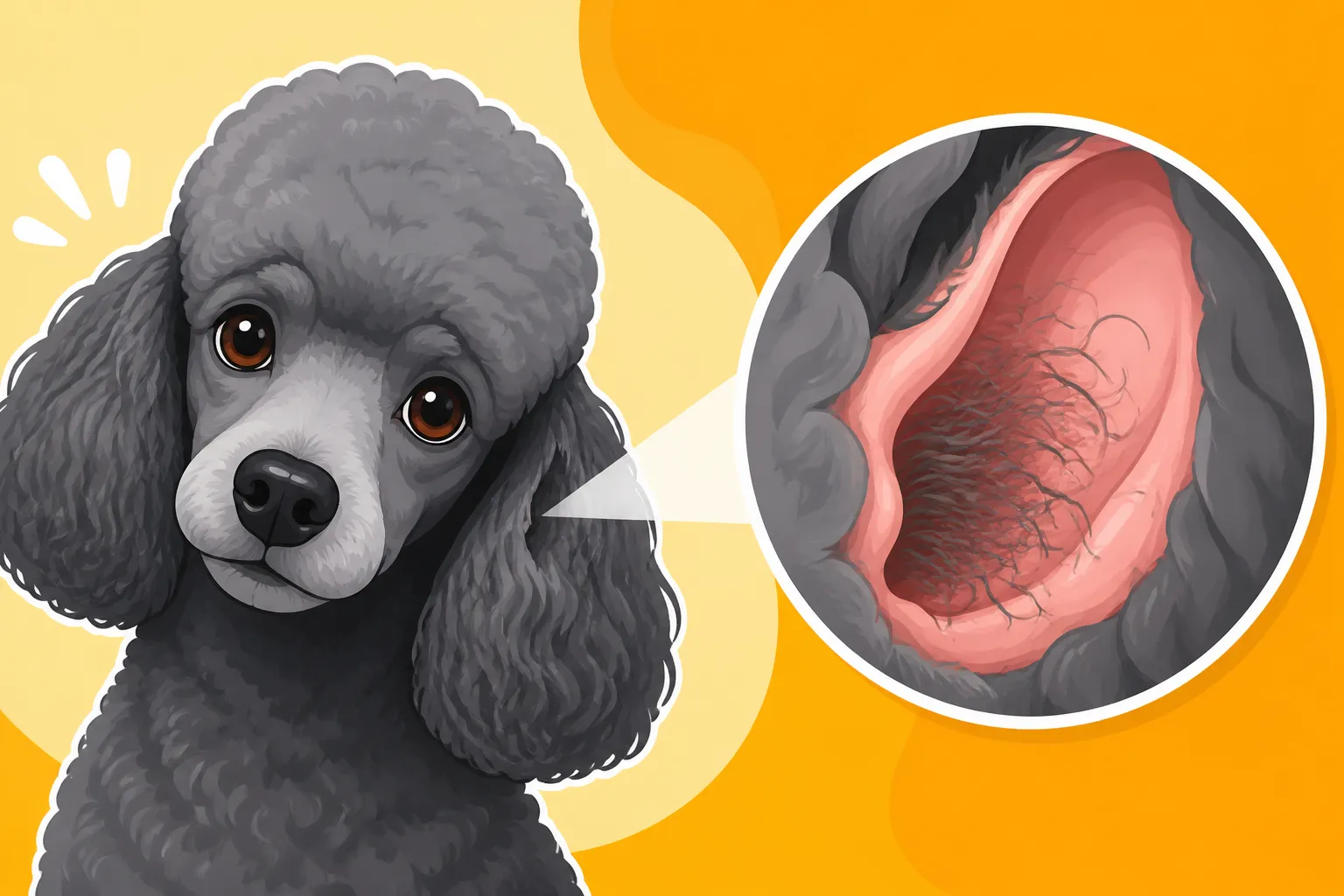
This internal hair is not just a light scattering of fine fuzz. It's the same kind of dense, curly, and continuously growing hair found across the rest of their body. It can grow quite long, often forming a dense plug or a tangled mat deep within the canal. This dense growth makes it incredibly difficult for any accumulated ear wax, dirt, foreign particles, or moisture to naturally exit the ear. The hairs act like tiny, interwoven barriers, effectively holding everything in place and creating an ideal, dark, and damp habitat for bacteria and yeast to proliferate. It's a double whammy for Poodles: the physical design of the drop ear combined with the relentless, internal hair growth. Many a new Poodle owner has peered into their dog's ear, only to be surprised by what looks like a tiny, fluffy hairball stubbornly blocking the opening.
A Genetic Trait Rooted in Breed History
So, why do Poodles specifically exhibit this internal ear hair when many other dog breeds do not? This characteristic is largely a genetic trait, deeply linked to their distinctive coat type and, arguably, their original purpose. Poodles were originally bred as robust water retrievers, designed to plunge into cold, marshy waters to fetch game. Their dense, curly, and water-resistant coats were a functional marvel, providing excellent insulation and shedding water efficiently, which was critical for their work. While the external coat clearly served a practical purpose in this aquatic role, the internal ear hair is likely a less obvious, but equally inherent, manifestation of this same genetic predisposition for dense, continuously growing hair. It’s simply part of the unique biological package that defines a Poodle.
This ear hair isn't considered an anomaly, a defect, or a health problem in itself; it's simply a natural aspect of how Poodle ears are designed. Over countless generations of selective breeding, with breeders focusing on enhancing that iconic curly coat, the trait of hair growing within the ear canal became firmly established within the breed's genetic blueprint. It’s an inherited characteristic, much like their specific coat texture or their elegant, springy gait. Understanding this helps us move beyond wondering "why my Poodle?" to focusing on "how do I best care for this specific Poodle trait?" because it's an undeniable part of loving and living with a Poodle. It's one of those unique physical attributes that sets them apart from many other breeds and is something all dedicated Poodle owners quickly learn to incorporate into their regular grooming and health maintenance routine.
The Practical Problems Caused by Hairy Ears
While the internal ear hair is a fascinating biological characteristic, from a practical standpoint, it presents several significant challenges. For Poodle parents, this trait translates into a considerably heightened risk of various ear issues if it's not diligently and consistently managed. It's important to understand that this isn't merely a cosmetic concern; it directly impacts your Poodle's comfort, health, and quality of life, often leading to painful infections.
The Perfect Breeding Ground for Infections
As we've discussed, the combined effect of drop ears and the hair growing within the ear canal creates a warm, moist, and poorly ventilated environment. This specific microclimate is, unfortunately, absolutely ideal for the rapid growth and proliferation of bacteria and yeast. These microorganisms are the primary culprits behind the vast majority of ear infections (otitis externa) seen in dogs. The internal ear hair acts like a meticulous trap, capturing virtually everything that enters the ear canal – this includes environmental irritants like pollen, fine dust, shed skin cells, and most crucially, any water that gets in during baths, swims, or even just humid weather. Instead of allowing these irritants and moisture to naturally exit the ear, the dense hair holds them firmly against the delicate and sensitive skin of the inner ear canal.
When bacteria and yeast find such a hospitable environment, they multiply unchecked, leading to inflammation, intense itching, and significant pain for your Poodle. As an owner, you might start noticing tell-tale signs such as your Poodle shaking their head excessively, constantly scratching at their ears (sometimes causing secondary skin damage), or even holding one ear lower or tilted to one side due to discomfort. When you inspect the ear, the inside might appear visibly red, swollen, and in many cases, produce a foul-smelling, waxy, or pus-like discharge. These ear infections are not only intensely uncomfortable for your Poodle but can also escalate very quickly, potentially leading to more serious, chronic issues or even deeper ear infections if left untreated. Prompt recognition of these symptoms and intervention is crucial, as is the understanding that the internal hair itself is a major predisposing factor. Indeed, Ear Infections Under a Poodle's Drop Ears is a very common and frustrating problem that many Poodle owners encounter.
Obstruction and Reduced Airflow
Beyond merely creating a microbial paradise, the sheer volume and density of the internal ear hair can physically obstruct the ear canal itself. Imagine a tiny, intricate tunnel with a fluffy, stubborn pillow firmly wedged inside – it's going to severely impede both airflow and the natural drainage processes. This physical obstruction actively prevents the ear's inherent self-cleaning mechanisms from functioning effectively. Ear wax, which is a natural substance designed to trap foreign particles and then slowly migrate out of the canal, becomes trapped by the hair, unable to complete its journey. Over time, this trapped buildup can become dense, hardened, and incredibly painful, pressing against the sensitive structures of the ear.
The severely reduced airflow means that the ear canal remains perpetually damp, a condition often exacerbated after baths, swimming sessions, or even during periods of high environmental humidity. This constant dampness further encourages the unchecked growth of bacteria and yeast. Moreover, this hair obstruction can make it incredibly difficult for any prescribed topical medications to reach the affected areas if an infection does unfortunately occur, as the hair acts as a formidable barrier, preventing the drops from penetrating effectively. Owners often describe the hair as forming a "mat" or "plug" deep inside the ear, which can be both challenging and painful to remove without professional assistance. A truly blocked ear can also temporarily impair your Poodle's hearing, making them seem less responsive or attentive than usual.
Managing Hairy Poodle Ears: Prevention and Care
Given the inherent challenges associated with a Poodle's hairy ears, proactive and consistent ear care is not merely an option, but an absolute necessity for all Poodle owners. It is simply not a chore that can be skipped or postponed, as neglecting those furry ears will almost inevitably lead to discomfort for your Poodle, potential pain, and costly visits to the veterinarian.
To Pluck or Not to Pluck: That is the Question
This is undoubtedly one of the most frequently debated and often controversial topics among Poodle owners, breeders, and professional groomers alike. Historically, ear plucking – the manual removal of hair from inside the ear canal using specialized tools – was considered standard, routine practice. The logic behind it was straightforward: remove the hair, thereby improving crucial airflow, and consequently reduce the risk of troublesome ear infections. However, contemporary veterinary science and a deeper understanding of ear physiology have introduced a more nuanced perspective on this practice. Whether Poodle Ear Hair Should Be Plucked is not a one-size-fits-all answer; it truly depends on your individual Poodle, their specific ear health, and the nature of their hair growth.
For some Poodles, particularly those with an extremely dense, thick, and matting hair growth that undeniably obstructs the ear canal and leads to chronic, recurrent infections, careful and gentle plucking can indeed be beneficial. In these specific cases, plucking, when performed correctly and gently, may help alleviate the persistent problems. However, for other Poodles, plucking can ironically become a source of irritation, inflammation, and even create tiny, microscopic traumas to the highly delicate skin lining the inside of the ear. These minute wounds can then become opportunistic entry points for bacteria, potentially leading to more frequent or severe infections, rather than preventing them. It truly is a delicate balance, and the most sound advice is to consult your trusted veterinarian or a highly experienced, reputable Poodle groomer. They possess the expertise to accurately assess your Poodle's specific ear health, the density of their internal ear hair, and any existing sensitivities, allowing them to recommend the most appropriate and beneficial course of action for your individual dog. If you do proceed with plucking, always ensure you use proper ear powder to enhance grip and minimize slippage, use appropriate plucking forceps, and always exercise extreme gentleness to avoid causing pain or injury.
Cleaning and Maintenance Beyond Plucking
Regardless of the decision you make regarding ear plucking, regular and meticulous ear cleaning is absolutely paramount for all Poodles. This essential routine involves using a veterinarian-approved ear cleaning solution specifically formulated for dogs, which helps to effectively break down accumulated wax and debris while also aiding in the gentle drying of the ear canal. When selecting a cleaner, look for products that are known to be gentle, non-irritating, and ideally, one that has been specifically recommended by your vet. You'll find a wide range of suitable products from trusted brands on platforms like Chewy or Amazon, but always prioritize quality and heed your veterinarian's specific advice. Furthermore, a crucial step after every bath or swimming session is to ensure your Poodle’s ears are thoroughly and completely dry. This is vital to prevent any lingering moisture from creating that ideal, damp environment for bacterial and yeast overgrowth. Cleaning a Poodle's Ears After a Bath should become a consistent and non-negotiable step in your regular grooming routine.
Here’s a practical, step-by-step routine that you can follow at home to maintain your Poodle's ear health:
- Perform Weekly Visual Inspections: Make it a habit to regularly lift your Poodle's ear flaps and visually inspect the visible portion of the ear canal. Pay close attention to the color of the skin, look for any signs of redness, swelling, or unusual discharge. Gently sniff the ear – a healthy ear should have a very minimal, clean odor. Any strong, foul, or yeasty smell is a definite red flag and warrants further investigation.
- Clean Regularly as Needed: The frequency of ear cleaning will vary based on your Poodle's individual ear health, the density of their ear hair, and their activity levels (e.g., frequent swimmers might need more frequent cleaning). It could range from weekly to bi-weekly or monthly. To clean, gently squirt the veterinarian-approved cleaning solution directly into the ear canal, filling it. Then, gently but firmly massage the base of your Poodle's ear for about 20-30 seconds. This action helps to loosen and break up any accumulated wax and debris. After massaging, allow your Poodle to naturally shake their head, which helps to dislodge and expel the solution and loosened debris.
- Wipe Gently and Safely: After your Poodle shakes their head, use a soft cotton ball, a piece of gauze, or a dedicated ear wipe to carefully and gently wipe away any visible debris or excess cleaning solution from the outer parts of the ear canal and the inner surface of the ear flap. It is critically important to never insert cotton swabs (Q-tips) deep inside your Poodle's ear canal. Doing so can inadvertently push debris further into the ear, compacting it against the eardrum, or even cause serious damage to the delicate eardrum itself.
- Ensure Thorough Drying: This step is particularly critical for Poodles, especially those with dense ear hair and heavy drop ears. A soft towel can be used to dry the outer ear flap. For the deeper canal, allowing some air drying is beneficial. If your Poodle tolerates it, a low, cool setting on a dog-specific forced-air dryer (which you might find available on Amazon) can be incredibly helpful for ensuring the canal is completely dry, particularly if your Poodle has been swimming.
Table: Essential Poodle Ear Care Checklist
| Task | Recommended Frequency | Primary Purpose | Key Considerations for Poodles |
|---|---|---|---|
| Visual & Olfactory Check | Weekly | Early detection of redness, swelling, discharge, or foul odors. | Poodles' drop ears and internal hair can mask issues; be diligent. |
| Gentle Plucking | As needed (Vet/Groomer Guided) | Improve airflow and reduce hair-trapping that encourages moisture. | Can cause irritation in some Poodles; always discuss with your vet or professional groomer. |
| Ear Cleaning | Weekly to Monthly | Remove wax and debris, help dry the canal, reduce microbial load. | Use vet-approved solutions; never insert cotton swabs deep into the canal. Consistency is key. |
| Post-Bath/Swim Drying | Every time | Prevent moisture buildup which creates an ideal environment for infections. | Thorough drying of the inner ear is critical due to hair and drop ears. Consider a low-heat dog dryer. |
| Professional Grooming | Every 4-6 weeks | Comprehensive ear care, precise trimming, and expert cleaning. | Groomers are skilled in delicate ear hair management and can identify early signs of trouble. |
Furthermore, scheduling regular visits to a professional groomer can be an absolute lifesaver for Poodle owners. Professional groomers are highly skilled in managing the unique Poodle coat, including the notoriously tricky ear hair. They can expertly trim the hair around the ear canal opening, which significantly helps with airflow, and perform careful plucking if it is specifically deemed necessary and beneficial for your Poodle, all while minimizing stress or potential injury. Many groomers offer specialized ear care services, fully aware of just how important this aspect of grooming is for the breed. Do not underestimate the immense value of their expertise when it comes to maintaining Poodle Ears, Eyes and Nails.
When to Seek Professional Help and Long-Term Health
Even with the most diligent and consistent at-home care, Poodles can unfortunately still develop ear issues. As a responsible Poodle owner, knowing precisely when a problem has escalated beyond your capabilities and clearly requires professional veterinary intervention is absolutely crucial. Proactive action can prevent minor issues from becoming painful, chronic conditions.
Recognizing Signs That Warrant a Vet Visit
Your Poodle's ears are a delicate and complex ecosystem, and despite your best efforts, sometimes things can still go awry. If you begin to notice persistent and excessive head shaking, your Poodle frequently pawing or scratching at their ears, an obvious sensitivity or pain when you touch their ears, or any distinct change in their normal behavior (such as lethargy or irritability), these are all clear indicators that it's time for a visit to your veterinarian. More specific physical signs include a strong, unpleasant or foul odor emanating from the ears, the presence of excessive, dark, waxy, or pus-like discharge, or any visible redness and swelling deep inside the ear canal. These are all immediate red flags that should not be ignored. Please, do not delay or wait, hoping that the problem will simply clear up on its own. Untreated ear infections in Poodles can quickly become chronic, leading to severe and prolonged pain, permanent damage to the ear structures, and in some unfortunate cases, even hearing loss. Being able to effectively Reading Pain in a Sensitive Poodle is especially important here, as Poodles can sometimes be quite stoic and hide their discomfort until an issue is quite advanced.
Your veterinarian is equipped to accurately diagnose the specific type of infection (whether it's bacterial, yeast, or a combination of both) and will prescribe the most appropriate course of treatment. This might involve medicated ear drops designed to target the specific pathogens, oral antibiotics, or anti-inflammatory medications. They can also perform a thorough and deep cleaning of the ear canal, which can be incredibly challenging and even dangerous to do effectively at home when there is significant inflammation, pain, or a dense plug of hair and debris. In a very small percentage of severe, chronic, or recurrent ear issues that resist all other forms of treatment, surgical intervention might be considered as a last resort to improve ear canal ventilation and drainage, but this is usually only after all other, less invasive treatments have been exhausted. Prompt veterinary attention can help you avoid these more drastic and costly measures.
Connecting Ear Health to Overall Well-being
It's important to understand that a Poodle's ear health is not an isolated aspect of their overall well-being. In fact, chronic or recurrent ear infections can often be a symptomatic manifestation of broader, underlying health issues, most commonly allergies. Many Poodles are prone to various types of allergies, including environmental allergies (such as pollen or dust mites) or food sensitivities. One of the most common ways these allergies present themselves is through persistent or recurring ear infections. If your Poodle continues to experience ear problems despite diligent and consistent ear care, your veterinarian might suggest exploring allergy testing or initiating a carefully managed elimination diet to identify potential triggers. Some premium dog food brands, such as those offered by Ollie, provide fresh, limited-ingredient options that could potentially be beneficial for Poodles with known sensitivities, but any significant dietary change should always be thoroughly discussed and approved by your vet.
Furthermore, managing those furry Poodle ears is a continuous and lifelong commitment throughout your Poodle's entire life. As your Poodle ages, their immune system might naturally become a little less robust, which can unfortunately make them more susceptible to various infections, including ear infections. Therefore, regular ear checks and consistent care become even more critically important in their senior years. This dedicated attention to ear health is simply an integral part of the journey of owning a Poodle, a breed that provides so much joy, companionship, and affection, and therefore deserves our most attentive and consistent care. Understanding How Often a Plucked Poodle Ear Still Infects can give you valuable perspective on why comprehensive, proactive management, often in partnership with your veterinarian, is so vital, even if you do choose to regularly pluck your Poodle's ear hair. It truly is a lifelong partnership in maintaining their comfort and health.
Disclaimer
This article is for general informational purposes only and does not constitute professional advice. Laws, prices and regulations vary by location and change over time. Consult a qualified professional for guidance on your specific situation.