Bathing Frequency for a Poodle
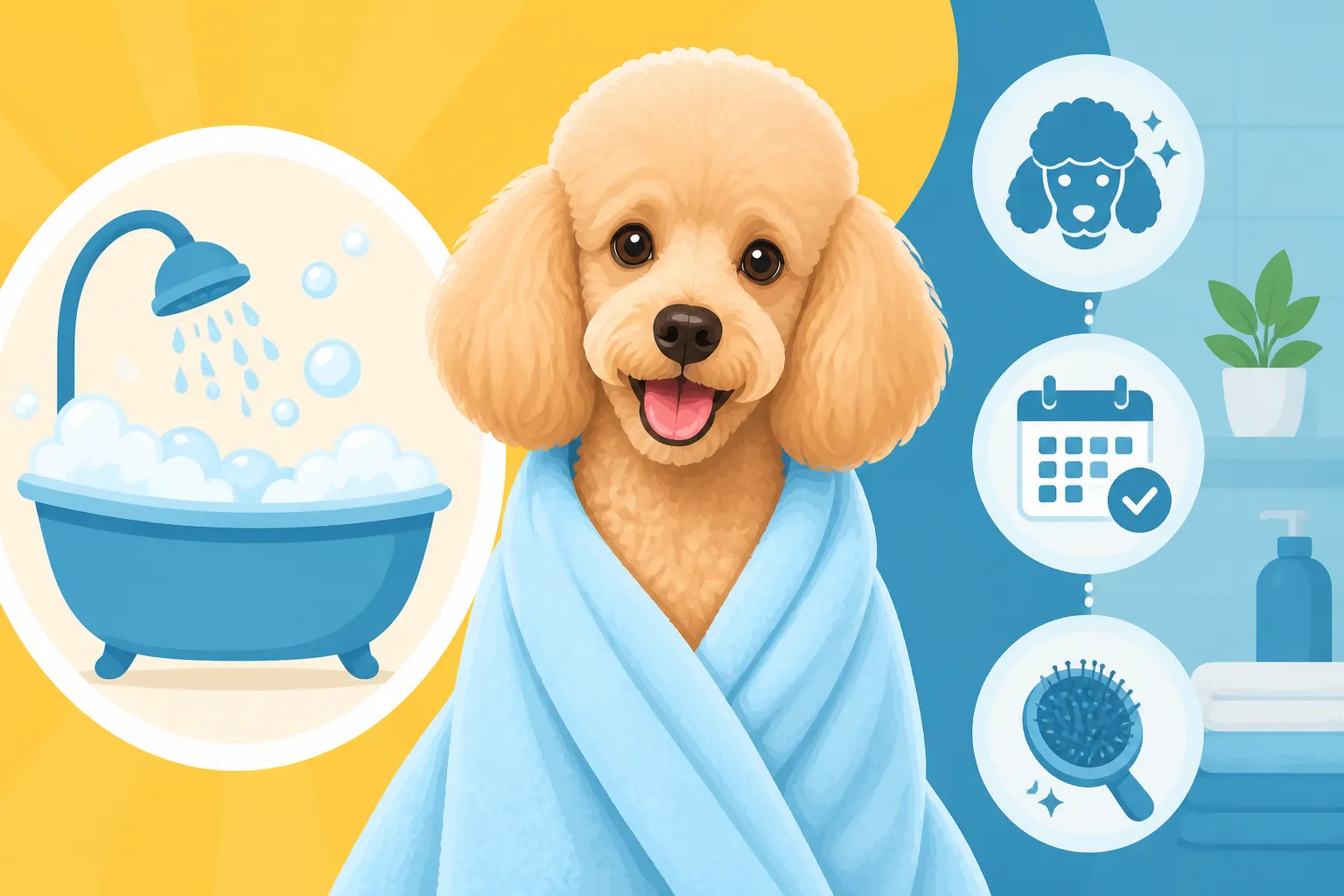
One of the most common worries I hear from Poodle owners, especially new ones, is about bath time. It feels like a high-stakes event, doesn't it? You're caught between wanting your beloved Poodle to be clean and smelling fresh, but also fearing you might be over-washing and stripping their beautiful coat, or under-washing and inviting mats and skin issues. It's a tricky balance, and it’s completely normal to feel a bit lost. This guide is here to unravel the mystery of Poodle bathing frequency, helping you understand not just how often to bathe, but why, and how to do it right for a healthy, happy Poodle.
Understanding the Poodle Coat and Its Needs
Before we even talk about how often to bathe, it's crucial to really grasp what makes a Poodle's coat so special. It's not just "curly" or "fluffy"—it's a marvel of nature that requires a specific kind of care. If you don't understand the basics, you'll always be fighting a losing battle against mats and skin problems, no matter how often you bathe.
Why the Poodle Coat is Unique
Unlike many other breeds that have fur, Poodles are famous for their hair. Yes, hair, much like human hair! This isn't just a fun fact; it's the fundamental reason their coat behaves so differently. Poodle hair grows continuously, which is fantastic for those of us with allergies because it means they don't shed in the traditional sense. The hair that does loosen gets caught within the surrounding curls instead of falling out all over your furniture. This is why Poodles are often lauded as a Why a Poodle Has Hair Rather Than Fur.
However, this continuous growth and the way shed hairs are trapped are also what make a Poodle's coat prone to matting. Without proper and consistent brushing, those trapped hairs quickly intertwine with the growing ones, forming dense, felt-like clumps close to the skin. These mats aren't just unsightly; they can be incredibly painful, pulling on the skin, causing hot spots, and creating a breeding ground for skin infections. They can even restrict movement if left unchecked.
The Impact of Bathing on Coat Health
When done correctly, bathing is a vital part of maintaining your Poodle's coat and skin health. A good bath helps to wash away dirt, dust, pollen, and environmental pollutants that can accumulate and weigh down the coat, dulling its natural luster. It also helps to remove dander and dead skin cells, which can otherwise irritate your Poodle's skin and contribute to that "doggy" smell we all try to avoid. Think of it as a deep clean that resets the coat.
Conversely, improper bathing or using the wrong products can do more harm than good. Using harsh shampoos, for example, can strip away the natural oils that protect your Poodle's skin and keep their coat supple. This can lead to dry, itchy skin, flakiness, and a dull, brittle coat that is even more prone to matting. It's a delicate balance; you want to cleanse effectively without overdoing it. A well-hydrated coat is easier to brush, less likely to break, and generally more resilient.
Factors Influencing Poodle Bathing Frequency
There's no single "magic number" for how often you should bathe your Poodle. It's not a one-size-fits-all situation, much to the frustration of many Poodle parents! Instead, you need to consider several practical factors that make each Poodle's grooming needs unique. What works for one Poodle might be entirely unsuitable for another, even if they're the same size.
Lifestyle and Activity Level
Your Poodle's daily routine plays a huge role in how often they'll need a bath. Think about it: a Standard Poodle who spends their mornings splashing in puddles at the dog park or joining you for trail runs is going to accumulate dirt, mud, and who-knows-what-else far faster than a Miniature Poodle who enjoys a gentle stroll around the neighborhood and spends most of their time napping on the sofa. An active Poodle who enjoys Daily Exercise for a Standard Poodle or Daily Exercise for a Toy Poodle will naturally pick up more environmental grime.
Poodles who love to swim, whether in a lake, ocean, or even a backyard pool, will also need more frequent rinsing and potentially bathing to remove chlorine, salt, or lake water residue that can dry out and irritate their skin and coat. Even a Poodle who is mainly indoors but has access to a dusty backyard or rolls around on the carpet a lot can accumulate debris that necessitates more frequent washing. The cleaner their environment, the less often they might need a full bath, though spot cleaning is always an option.
Coat Style and Length
The haircut your Poodle sports is another major determinant of their bathing schedule. A Poodle in a long, flowing show coat or a more elaborate pet clip like The Continental Poodle Clip and Its Upkeep will generally require more frequent baths to keep that length clean, free of tangles, and looking pristine. Longer hair simply collects more dirt, food, and other particles, and without regular washing, it can quickly become greasy, dull, and matted beyond repair. The sheer volume of hair means more surface area to get dirty.
On the flip side, a Poodle with a very short, practical clip, like a kennel clip or a closely shaved body, might get away with less frequent full baths. Their short hair has fewer opportunities to trap dirt, and what little grime they do pick up is often easily brushed out or wiped away. However, even with a short clip, you still need to ensure their skin is clean and healthy. The choice of The Sporting and Kennel Poodle Clips for a busy household is often driven by the practicality of easier maintenance, including bathing.
Skin Sensitivities and Allergies
This is a big one. Many Poodles, unfortunately, can be prone to skin sensitivities or allergies, which can drastically alter their bathing needs. If your Poodle suffers from Poodle Allergies and Skin Reactions, your veterinarian might recommend a specific bathing protocol using medicated shampoos. This could mean more frequent baths, sometimes even weekly, to manage flare-ups, soothe irritated skin, or deliver therapeutic ingredients directly to the skin. These specialized baths aren't just about getting clean; they're an essential part of their treatment plan.
Conversely, some Poodles with extremely sensitive skin might react poorly to frequent bathing, experiencing dryness or irritation from even gentle shampoos. In these cases, your vet might advise less frequent baths, or recommend specific moisturizing or hypoallergenic products to protect their skin barrier. It’s always best to consult with your vet if your Poodle has ongoing skin issues, as they can help you tailor a bathing schedule and product choice that addresses their specific needs without causing further discomfort.
General Guidelines for Poodle Bathing Frequency
So, what's the sweet spot for bathing your Poodle? While there's no hard and fast rule that applies to every single Poodle out there, we can certainly establish some general guidelines based on common scenarios. Think of these as starting points that you'll adjust based on your Poodle's individual needs and the factors we just discussed.
The "Average" Pet Poodle
For most pet Poodles living a typical indoor-outdoor life, a bath every 3 to 6 weeks is a reasonable starting point. This frequency usually allows enough time for the skin's natural oils to replenish without letting the coat become excessively dirty or matted. This is especially true if you are diligent about daily or every-other-day brushing. How Often a Poodle Must Be Brushed is just as important as how often they're bathed. If you brush your Poodle to the skin regularly, you'll find they stay cleaner and smell better for longer between baths.
However, remember this is an average. If your Poodle spends more time outdoors, or if you prefer a very fluffy, pristine look, you might lean towards the 3-week mark. If they're a couch potato who rarely gets truly dirty, you could stretch it closer to 6 weeks. The key is to observe your Poodle's coat and skin. Does it start to feel greasy? Does it smell a bit "doggy"? Are you noticing more tangles than usual? These are all signs that it's likely time for a bath.
Poodles in Special Circumstances
Some Poodles fall outside the "average" category and require a more specialized approach to their bathing schedule:
- Show Poodles: For Poodles competing in conformation shows, bathing is often much more frequent—sometimes weekly or even multiple times a week leading up to a show. This is to maintain coat cleanliness, texture, and volume, often using specific products designed to enhance their presentation. This is a highly specialized routine, far beyond what the average pet Poodle needs.
- Poodles with Medical Conditions: As mentioned before, Poodles with skin allergies, sebaceous adenitis, or other dermatological issues may need baths as frequently as once a week, or even more, with medicated shampoos as prescribed by a vet. This is not about cleanliness but therapeutic treatment. On the other hand, a very young puppy still on its Poodle Vaccination and Preventive Schedule might need gentler, less frequent baths unless absolutely necessary, to avoid overwhelming their developing skin and immune system.
- Very Active or Working Poodles: Poodles involved in dog sports like agility, dock diving, or even those who just love intense outdoor play might need baths more often than the 3-6 week guideline. If your Poodle regularly gets muddy, dusty, or swims in natural bodies of water, a good rinse or even a full bath after each adventure can prevent skin irritation and matting. Always make sure to dry them thoroughly, especially if their coat is long, to prevent skin issues like hot spots.
Here's a quick comparison table to help visualize these differences:
| Poodle Type / Condition | Suggested Bathing Frequency | Key Considerations |
|---|---|---|
| Average Pet Poodle (Active) | Every 3-4 weeks | Regular outdoor play, moderate grooming commitment. |
| Average Pet Poodle (Less Active) | Every 5-6 weeks | Mostly indoors, minimal outdoor dirt, consistent brushing. |
| Show Poodle | Weekly to Bi-weekly | Maintain pristine coat, specific product use, intense grooming routine. |
| Allergy/Skin Condition | Weekly (or as vet advises) | Therapeutic shampoos, skin health paramount, consult your veterinarian. |
| Frequent Swimmer/Outdoor Adventurer | After each dirty outing | Rinse well, followed by a full bath as needed to remove residue and prevent mats. |
| Puppy (under 6 months) | As needed (gentle) | Avoid over-bathing, use puppy-specific shampoo, thorough drying is critical. |
The Bathing Process: More Than Just Water
Okay, so you've decided it's bath day. Great! But plunging your Poodle into a tub of water without proper preparation is a recipe for disaster, especially with that unique Poodle coat. A successful bath begins long before the water ever touches their skin and involves choosing the right tools for the job.
Pre-Bath Preparation: The Non-Negotiable Step
This is the most critical part of bathing a Poodle, and it’s where many well-meaning owners go wrong. You must thoroughly brush and comb your Poodle before they ever get wet. I cannot stress this enough. If you put a Poodle with even small tangles or mats into the bath, those mats will tighten and shrink when wet, becoming impossibly dense and almost impossible to remove without shaving. It's a painful process for your dog and a frustrating one for you.
So, grab your slicker brush and a good steel comb. Start by line brushing your Poodle, working in small sections, making sure to get all the way down to the skin. Check behind the ears, in the armpits, and around the tail—these are prime matting spots. Run your comb through the coat to ensure there are no snags. If you find a mat, gently work it out before the bath. If you skip this step, you'll likely end up needing a full shave-down, which no one wants. This thorough pre-bath ritual is part of Brushing a Poodle to the Skin and mastering How to Line Brush a Poodle Properly.
Choosing the Right Products
Just as you wouldn't use dish soap on your own hair, your Poodle deserves appropriate shampoo and conditioner. Avoid human products, as their pH levels are different and can irritate canine skin. Look for shampoos specifically formulated for dogs. For Poodles, who can often have sensitive skin, a gentle, moisturizing, or hypoallergenic shampoo is usually a good choice. Brands like Earthbath, TropiClean, or even specific veterinary lines often offer excellent options. You can find a wide range of these on sites like Chewy or Amazon.
A good conditioner is also a non-negotiable for a Poodle coat. It helps to hydrate the hair, reduce static, make brushing easier, and protect the coat from damage. Look for a conditioner that offers moisture and detangling properties. If your Poodle has specific skin issues, your vet might recommend a medicated shampoo, which should be used exactly as directed. For the face, especially around the eyes, consider a "tearless" puppy shampoo or a gentle facial cleanser to avoid irritation. Remember, Shampoo and Conditioner for a Poodle Coat are investments in your Poodle's comfort and coat health.
The Bathing Technique
Once your Poodle is thoroughly brushed and you have your products ready, it's time for the actual bath.
- Wet Thoroughly: Use lukewarm water and completely soak your Poodle's coat, all the way to the skin. This can take longer than you think, especially on a dense coat.
- Apply Shampoo: Dilute the shampoo slightly in a cup of water before applying, as this helps distribute it more evenly and rinse out better. Work the shampoo gently into the coat, massaging it down to the skin. Pay special attention to dirty areas like paws, belly, and around the ears. Avoid scrubbing vigorously, which can create tangles.
- Rinse, Rinse, Rinse! This is perhaps the second most critical step after pre-brushing. Shampoo residue left in the coat can irritate the skin, cause flakiness, and attract dirt, making your Poodle get dirty faster. Rinse until the water runs clear and you can no longer feel any slickness on the coat. Many Poodle owners rinse for longer than they think they need to! Learn how to properly execute Rinsing Product Out of a Poodle Coat.
- Apply Conditioner: Follow with a good quality dog conditioner. Work it through the coat, especially on longer sections, and let it sit for a few minutes as per the product instructions.
- Rinse Conditioner: Again, rinse thoroughly. Conditioner residue can also weigh down the coat and make it feel greasy.
- Face and Ears: Be careful around the face and ears. Use a washcloth for the face, and try to avoid getting water directly into the ear canals. Many Poodle owners place cotton balls gently in the ears to prevent water from entering, removing them immediately after the bath. Regular Plucking and Cleaning Poodle Ears also helps prevent moisture retention.
Post-Bath Care and Drying
The bath isn't truly over until your Poodle is completely dry. Improper drying can lead to severe matting, skin irritation, and even dangerous infections like hot spots. Poodles, with their dense, curly coats, require a specific drying technique to ensure their skin and hair are healthy and happy.
Towel Drying and Initial Moisture Removal
As soon as your Poodle is out of the tub, gently squeeze excess water from their coat. Do not rub vigorously with a towel, as this will immediately create tangles and mats. Instead, pat the coat dry, or gently squeeze sections of hair with a towel. You can also let your Poodle shake, but be prepared for a splash zone! The goal here is to remove as much surface water as possible before moving on to the more thorough drying methods. Think of it as prep work for the real drying to come.
The Power of the High-Velocity Dryer
For Poodles, a high-velocity (HV) dog dryer is an absolute game-changer and, frankly, an essential tool for proper coat maintenance. Air drying a Poodle's coat is a recipe for matting, as the curls will dry and tighten, trapping shed hair and creating dense knots close to the skin. An HV dryer uses a powerful stream of unheated air to literally blast water off and out of the coat, separating each strand of hair. This helps to straighten the coat, making it much easier to brush and clip.
As you dry, use a slicker brush to continuously brush the coat, section by section. You want to "stretch" the hair straight as it dries. If you allow the hair to dry curly, it will tangle. Start with the extremities and work your way up to the body, ensuring each section is completely dry before moving on. Pay close attention to the ears, armpits, and groin—areas where moisture loves to linger and mats love to form. Learning to use an HV dryer effectively is key to Drying a Poodle Straight and truly mastering Using a High Velocity Dryer on a Poodle. You can find excellent quality pet dryers on platforms like Amazon, offering a range of power and nozzle options.
Finishing Touches and Regular Maintenance
Once your Poodle is completely dry, which means every single strand is dry to the skin and feels fluffy, do a final comb-through with a metal comb to ensure there are no lingering tangles. This is also a great time to clean their ears, check their eyes, and trim their nails. Regular Poodle Ears, Eyes and Nails care is part of the holistic grooming picture. If you're clipping nails, consider using a grinder for a smoother finish and to avoid quicking, an important skill to master for Getting a Poodle Comfortable With Nail Grinding.
Remember, bathing is just one part of your Poodle's overall grooming routine. Consistent daily or every-other-day brushing, proper nutrition, and regular vet check-ups all contribute to a healthy coat and skin. A Poodle's coat is a living, growing thing that demands attention, but with the right frequency and technique, bath time can be a positive and bonding experience for both of you.
Disclaimer
This article is for general informational purposes only and does not constitute professional advice. Laws, prices and regulations vary by location and change over time. Consult a qualified professional for guidance on your specific situation.