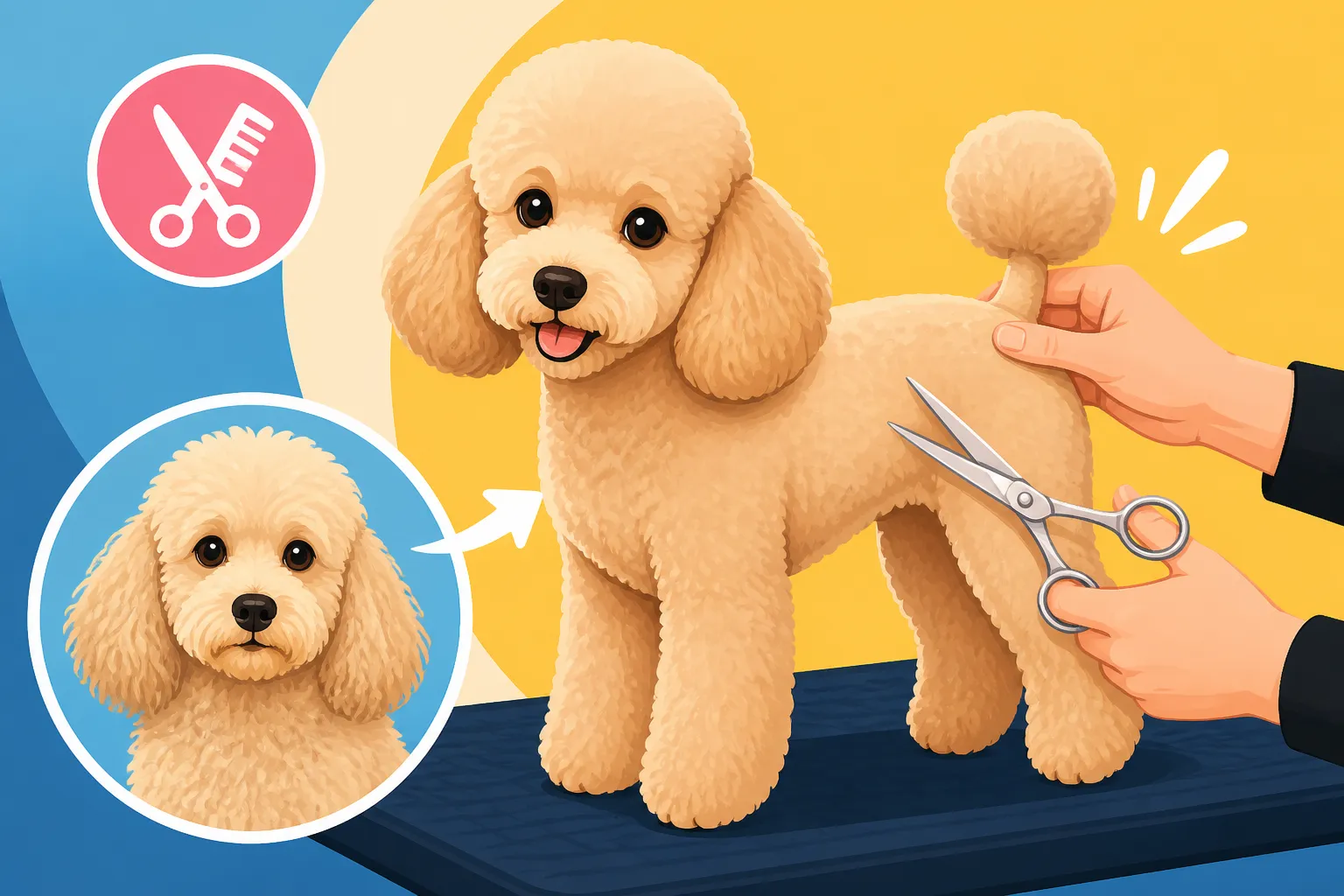
Trimming a Poodle Between Professional Grooms
The luxurious, curly coat of a Poodle is undoubtedly one of its most defining features, but anyone who lives with one knows it's also a full-time commitment. Letting a Poodle's coat go too long between professional grooming appointments can lead to painful matting, skin issues, and discomfort for your beloved companion. This guide will walk you through the essential steps and tools for effective at-home trimming, helping you keep your Poodle tidy, comfortable, and healthy between visits to the groomer.
Why In-Between Grooming Is a Lifesaver for Your Poodle's Coat
It’s easy to think that once your Poodle leaves the groomer, you’re set for weeks. But a Poodle's coat is relentless; it grows continuously, much like human hair, and with that growth comes the potential for tangles and mats. Regular maintenance at home isn't just about aesthetics; it's a crucial part of their overall well-being. Skipping this can lead to serious issues, not to mention a very unhappy groomer (and a higher bill!) at the next appointment.
The Battle Against Matting
Matting is the bane of every Poodle owner's existence. It happens when loose hair gets woven into the live coat, forming tight clumps that can pull at the skin, restrict movement, and even cut off circulation. These mats can hide skin infections, parasites, and hot spots. What starts as a small tangle can quickly escalate into a solid pelt that can only be removed by shaving your Poodle down to the skin, which can be traumatic for the dog and disheartening for you. This is why understanding Why a Poodle Coat Mats Instead of Shedding is so important.
Think about the areas most prone to matting: behind the ears, under the armpits, inside the elbows and thighs, and around the sanitary areas. These are high-friction zones, and they collect debris and moisture, making them prime real estate for mats to form. A quick daily or every-other-day brush-through can prevent this, but sometimes those little wisps around the eyes or the hair between the paw pads need more than just a brush. Regular, light trimming can keep these areas short enough to resist matting for longer periods, giving you a bit more breathing room between full grooms.
Maintaining Hygiene and Comfort
Beyond matting, a Poodle's fast-growing coat can interfere with their basic hygiene and comfort. Hair around the eyes can obstruct vision and cause irritation, leading to weeping and staining. Long hair in the ears can trap moisture and debris, creating a breeding ground for yeast and bacterial infections, a common issue under a Poodle's drop ears. And let's not forget the hair around the sanitary areas and paw pads. When the hair gets too long in these spots, it can become matted with urine or feces, leading to painful skin irritation, infection, and an overall messy situation that no one wants to deal with.
Trimming these specific areas helps your Poodle stay clean and comfortable. It allows air to circulate, reduces the chance of infections, and makes cleanup much easier after potty breaks. It also helps your dog move more freely; imagine trying to walk if you had thick, matted hair between your toes! A well-maintained coat, even between professional trims, contributes significantly to your Poodle's happiness and health.
Extending Professional Grooming Intervals
For many Poodle owners, the cost and time commitment of professional grooming every 4-6 weeks can be a lot. By taking on some of the maintenance yourself, you can often extend the time between full professional grooms, perhaps to every 8-10 weeks, depending on the coat type and desired style. This doesn't mean you're replacing your groomer, but rather supporting their work and making their job easier when your Poodle does come in.
Your groomer will thank you for bringing in a dog that isn't a matted mess, and you might even save a bit on "dematting" fees. It's a partnership: they handle the complex clipping, shaping, and thorough deep cleaning, and you keep things manageable in between. Think of it as preventative care for their coat, similar to how you might practice good dental hygiene at home to maintain healthy teeth between vet visits for Poodle Dental Disease by Size. This strategic approach means a happier Poodle, a happier groomer, and potentially a happier wallet for you.
Essential Tools for At-Home Poodle Trimming
Before you even think about picking up a pair of shears, you need to ensure you have the right tools. Attempting to trim a Poodle with dull, incorrect, or unsafe equipment can lead to a frustrating experience for both of you, and potentially injure your dog. Investing in quality grooming tools is paramount for any Poodle owner, especially since their coat demands specific care. You can often find a good selection of these tools on platforms like Amazon or Chewy.
Clippers and Blades
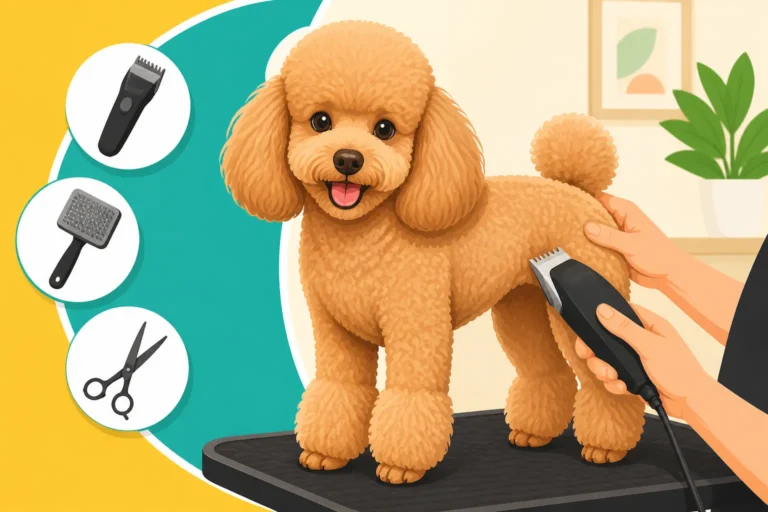
A good set of quiet, cool-running clippers is arguably the most important investment for at-home Poodle grooming. For sensitive areas, you'll want clippers that are relatively quiet to avoid startling your dog. Look for clippers designed for dog grooming, not human hair, as they are more robust and designed for tougher coats.
| Tool Type | Description | Primary Use for Poodles |
|---|---|---|
| Corded Clippers | More powerful, consistent speed, but tethered to an outlet. | Full body clipping, thicker coats, long sessions. |
| Cordless Clippers | Offers mobility, but battery life can be a concern. | Touch-ups, quick trims, sanitary areas, travel. |
| Small Trimmers/Detailers | Compact, often battery-operated, very quiet. | Paw pads, around eyes, sanitary areas, ear edges. |
Blade selection is crucial. For sanitary areas and paw pads, a #10 blade is standard. It leaves the hair very short, which is ideal for hygiene. Some owners prefer a #15 or #30 for even shorter cuts in these delicate spots, but a #10 is a great starting point for safety. For face trims, a #10 or even a #15 blade can be used, but always be extremely careful. Blades generate heat, so having a cooling spray or multiple blades to swap out is essential to prevent clipper burn. Remember, What Poodle Clippers and Blades Cost can vary, but quality often pays off in the long run.
Scissors and Shears
While clippers handle the bulk, scissors are indispensable for detailing and areas where clippers might be too cumbersome or risky. You'll want a few different types:
- Straight Shears: These are your all-purpose scissors for shaping and trimming longer hair, such as feathering on legs or tidying up the topknot. A 7-8 inch length is generally versatile for most Poodle sizes.
- Curved Shears: Excellent for creating rounded shapes, like a perfectly sculpted head, or getting into tricky spots on legs and feet. They follow the natural contours of the dog's body.
- Blunt-Tip Scissors: These are a must-have for trimming around the eyes, ears, and paw pads. The blunt tips significantly reduce the risk of accidentally poking your Poodle. Safety is paramount when working near eyes.
- Thinning Shears: These scissors have one serrated blade and one straight blade, designed to remove bulk and blend lines without leaving harsh cut marks. They are fantastic for softening edges and creating a more natural look on the topknot or legs.
Always ensure your scissors are sharp. Dull scissors will pull at the hair, which is uncomfortable for your Poodle and makes for an uneven cut. Keep them clean and stored safely.
Combs, Brushes, and Sprays
Before any trimming happens, the coat must be completely free of tangles and mats. This means a thorough brushing session.
- Slicker Brush: A good quality slicker brush with fine, angled pins is essential for getting down to the skin and lifting out tangles. You'll need to learn How to Line Brush a Poodle Properly to be truly effective.
- Metal Greyhound Comb: This comb is your final check. It has widely spaced teeth on one end and finely spaced teeth on the other. After slicker brushing, the comb should glide through the coat from skin to tip without resistance. If it snags, you still have tangles.
- Detangling Spray/Conditioning Spray: A good conditioning or detangling spray can make brushing much easier, especially if the coat is a bit dry or prone to static. It helps the comb glide through and reduces breakage. You can often find great options on Chewy or Amazon.
- Styptic Powder: This is an absolute emergency essential. Even with the utmost care, nicks and cuts can happen, especially to nail quicks. Styptic powder quickly stops bleeding. Keep it within reach.
- Clipping Guard Combs: These plastic or metal attachments fit over your clipper blade and leave the hair at a specific longer length. They are fantastic for maintaining a consistent, longer puppy clip on the body between full grooms, allowing you to blend without going too short.
Remember, a clean, dry, and thoroughly brushed coat is the foundation for any successful trim. Trying to clip or scissor a dirty or matted coat will damage your tools and result in a poor, uneven cut.
Step-by-Step Guide to Tidying Up Your Poodle
Now that you have your tools, let’s get into the practical side of maintaining your Poodle's coat between professional grooms. Remember to take your time, work in a well-lit area, and prioritize your Poodle’s comfort and safety above all else. A positive experience will make future trims much easier.
Face, Feet, and Sanitary Areas
These are the most critical areas for hygiene and comfort, and thankfully, they're relatively easy to maintain with a bit of practice.
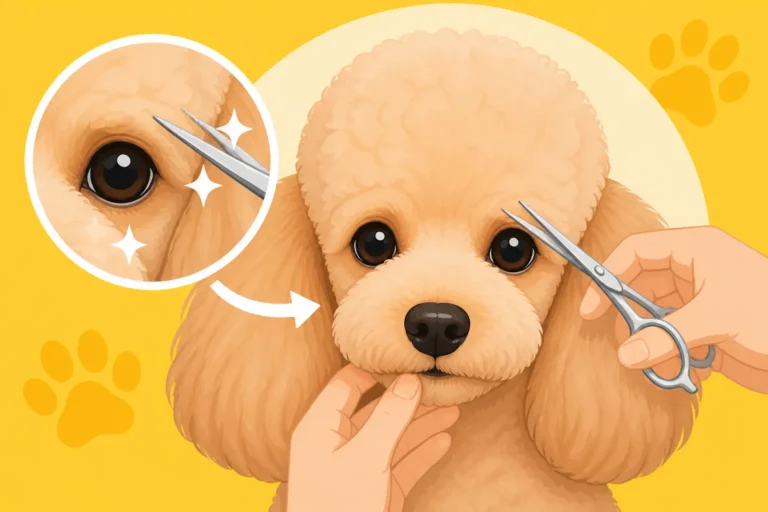
- Face: Using your small trimmers or a #10 blade, carefully shave the hair on the muzzle, starting from just below the eyes and extending down to the chin and throat. Use gentle, swift strokes, always shaving with the grain of the hair on the muzzle and against the grain on the throat for a cleaner finish. For the bridge of the nose, gently hold the skin taut with one hand and shave downwards. Around the eyes, use blunt-tip scissors to carefully trim any stray hairs that could poke or irritate. Always point the scissors away from the eye. A quick swipe with a #10 blade between the eyes and up to the stop (the indentation between the eyes) can keep that area tidy. For the rest of the face, a light trim of any wisps with thinning shears can keep it looking neat without altering the shape too much.
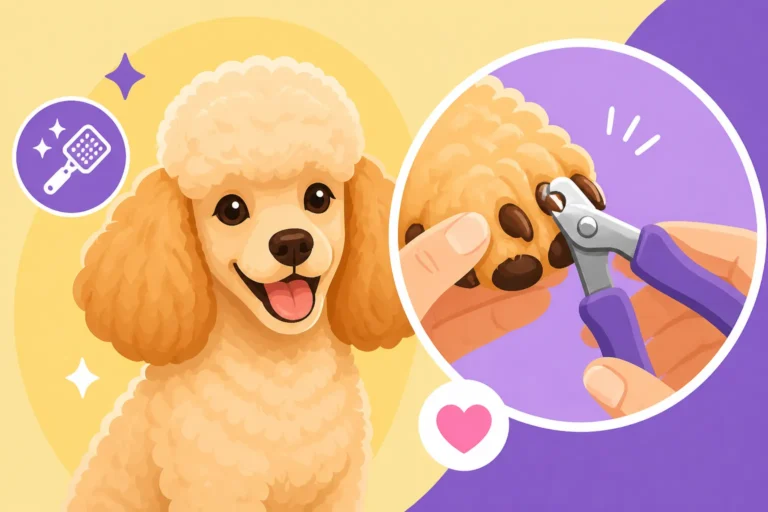
- Feet: This is where hair collects between the paw pads and can make walking uncomfortable, especially on slippery surfaces. Using your small trimmers or a #10 blade, carefully shave the hair from the top of the paw, working down between the pads. Be extremely cautious of the delicate webbing and dewclaws. You can use your fingers to spread the pads apart, making it easier to see and access the hair. Then, using blunt-tip scissors, trim the hair around the perimeter of the paw, shaping it into a neat, rounded "Poodle foot." Make sure to lift each paw and trim any hair that extends beyond the pads. This helps your Poodle grip surfaces better and reduces tracking dirt into the house.
- Sanitary Areas: This is probably the most important area for hygiene. Using a #10 blade or small trimmers, carefully shave the hair around the anus (just under the tail) and around the genitals. For males, gently pull the sheath forward and shave the hair underneath. For females, carefully clear the hair around the vulva. Always ensure your Poodle is calm and still for this, as these are very sensitive areas. The goal is to prevent urine and feces from matting in the hair, which can cause severe irritation and infection. This quick trim can drastically improve your Poodle's cleanliness.
Addressing Trouble Spots and Feathering
After the crucial hygiene areas, you can move on to other spots that tend to get unruly or matted quickly.
- Armpits and Groin: These are notorious mat magnets. Lift your Poodle's legs gently and use your small trimmers or a #10 blade to carefully shave away any thick hair or small mats that are forming in the armpits and groin area. Again, always pull the skin taut to prevent nicks. These areas gather sweat and dirt, making them prone to matting. Keeping them short is a proactive step.
- Behind the Ears: Another high-friction zone where mats love to hide. Use your thinning shears or blunt-tip scissors to gently thin out and trim any long, wispy hair behind the ears. For very curly Poodles, you might even use a #10 blade carefully on the very back of the ear leather to keep the hair short and prevent mats from forming against the neck. Remember to check Poodle Ears, Eyes and Nails regularly for any signs of irritation or infection.
- Feathering on Legs and Tail: If your Poodle has longer feathering on its legs or tail, you can use straight or curved shears to tidy up the edges. The goal here isn't a drastic cut, but rather to trim off any straggly ends and maintain a neat outline. For the tail, you can comb the hair out and then use your shears to create a clean, even shape, whether it’s a rounded pom-pom (if you’re feeling ambitious!) or a sleek, tapered line. Thinning shears can also be used here to reduce bulk without sacrificing length.
- Topknot: While a full topknot groom is best left to the professionals, you can use thinning shears to lightly blend and tidy up any flyaways or uneven growth. Avoid making any major cuts here, as it can take a long time to grow out and match the professional style. The goal is just to make it look a bit neater until the next groom.
Safety First: Tips for a Stress-Free Trim
Grooming, even small touch-ups, can be stressful for some dogs. Here are some tips to make it a positive experience:
- Start Early: Get your Poodle puppy used to being handled and having their paws, face, and ears touched from a young age. This desensitization is key to making grooming tolerable, if not enjoyable. Getting a Poodle Puppy Used to Being Handled is vital.
- Positive Reinforcement: Use plenty of praise, gentle reassurance, and high-value treats (like those from Ollie, perhaps?) throughout the process. Associate grooming with good things. If your Poodle tolerates it for a minute, reward heavily.
- Take Breaks: Don't try to do everything at once, especially when first starting. Work in short, manageable sessions. If your Poodle gets stressed, take a break and come back to it later.
- Proper Lighting: A well-lit area is crucial to see what you're doing and avoid accidental nicks.
- Hold Skin Taut: When using clippers, always stretch the skin taut. This creates a flat surface for the blade and helps prevent the skin from getting caught in the clipper teeth.
- Clean and Sharp Tools: Dull blades pull and tug, causing pain. Sharp blades cut cleanly. Clean your tools before and after each use.
- Listen to Your Poodle: Pay attention to their body language. If they are showing signs of extreme stress or fear, stop and try again another time. You never want to force a grooming session.
- Never Cut Into a Mat: If you encounter a mat, do not try to cut it out with scissors close to the skin. This is extremely dangerous and can easily lead to severe cuts. Instead, try to work it out with a comb and detangling spray, or if it's too tight, it will need to be shaved out by a professional.
When to Call the Professional Groomer (and Why)
While at-home trimming is a fantastic way to maintain your Poodle's coat, it's not a replacement for professional grooming. There are times when your Poodle absolutely needs the expertise of a professional, and understanding those limits is part of being a responsible owner.
Recognizing Limits and Preventing Damage
You might be handy with a pair of clippers for those sanitary trims, but a full Poodle haircut involves a skill set that takes years to master. Professionals are trained in breed-specific cuts, proper coat preparation, and handling techniques for dogs of all temperaments. They have specialized equipment that can achieve smooth, even results you simply can't replicate at home without significant experience and investment.
One of the biggest mistakes owners make is trying to tackle large mats or attempting a full body clip without the right technique. You risk "track marks" (uneven lines in the coat), severe clipper burn, or even accidentally cutting your Poodle. When faced with extensive matting, your best course of action is almost always to consult your groomer. They have the experience to assess the matting and safely remove it, even if it means a complete shave-down. Trying to save money by doing it yourself can lead to painful injuries for your dog and a more expensive vet bill to treat skin lacerations. Recognizing Whether a Matted Poodle Can Be Saved from a shave is key to knowing when to call for help.
The Importance of Full Grooming Sessions
Professional grooming sessions offer more than just a haircut. They provide a comprehensive pampering and health check for your Poodle:
- Thorough Cleaning: Groomers use professional-grade shampoos and conditioners designed for deep cleaning and conditioning the Poodle coat. They also have high-velocity dryers that ensure the coat is completely dry and straight before clipping, which is essential for a smooth, even cut and preventing skin issues. This comprehensive Bathing and Drying a Poodle process is often hard to replicate at home.
- Skin and Coat Health Assessment: A good groomer will meticulously check your Poodle's skin for lumps, bumps, hot spots, or parasites that you might miss. They can spot early signs of skin conditions like How Adenitis Shows Up on a Poodle's Back or allergies, prompting you to seek veterinary advice.
- Ear and Nail Care: Professionals are experts at safely cleaning and, if necessary, plucking ear hair, as well as trimming nails and grinding them smooth. These tasks can be challenging and sometimes stressful for owners to perform at home, especially if the dog is sensitive about their paws or ears.
- Anal Gland Expression: Many groomers offer anal gland expression as part of their service, a crucial hygiene step for some dogs that helps prevent discomfort and potential health issues.
- Expert Styling: If you want your Poodle to sport a specific clip—be it a classic Continental, a sport clip, or a simple lamb clip—a professional groomer has the expertise to execute it flawlessly. They understand the nuances of the Poodle coat and how to make them look their best.
Think of professional grooming as your Poodle's spa day and essential health check rolled into one. Your at-home trims are the helpful maintenance in between, keeping things neat and healthy. By combining both approaches, you ensure your Poodle always looks their best and feels comfortable, healthy, and happy.
Disclaimer
This article is for general informational purposes only and does not constitute professional advice. Laws, prices and regulations vary by location and change over time. Consult a qualified professional for guidance on your specific situation.