Sun Protection for a Shaved Poodle
It’s a natural instinct when summer hits, especially if your Poodle is sporting a lush, thick coat: you think, "They must be so hot!" And often, the immediate solution that comes to mind is a very close shave. While a shorter clip can certainly make them feel lighter, many Poodle parents don't realize that stripping away that beautiful, dense coat completely removes their natural sun protection, leaving their sensitive skin highly vulnerable to painful sunburn and long-term damage. This guide is here to unravel the often-overlooked risks of sun exposure for your closely clipped Poodle and equip you with practical strategies to keep them safe and comfortable all season long.
The Naked Truth: Why a Shaved Poodle's Skin Is at Risk
When you look at a Poodle in its full glory, you see a magnificent, curly coat. What you might not immediately realize is that this isn't just for show; it's a finely engineered piece of natural protection. Our Poodles, whether standard, miniature, or toy, have hair, not fur, which grows continuously and forms a dense barrier. This barrier isn't just about insulation against the cold; it's also a surprisingly effective shield against the sun's harsh rays.
The Natural Protection of a Poodle's Coat
Think of your Poodle's natural coat like a double-pane window for their body. When it’s longer and well-maintained, that thick, curly hair creates a microclimate close to their skin. In winter, this traps warm air to keep them cozy. In summer, it helps block direct sunlight from hitting their skin, acting as a natural UV filter, and allowing for better air circulation near the skin than you might imagine. It helps them regulate their body temperature, working to both keep warmth in and reflect heat away. Many owners mistakenly believe that Whether a Short Clip Keeps a Poodle Cooler is always the best strategy, but it's a bit more nuanced than that. A healthy, brushed coat allows air to circulate, which can actually be more effective at keeping them cool than a completely shorn coat that exposes the skin directly to the heat.
When we trim a Poodle, even into a practical pet clip like a lamb cut, we are reducing this natural barrier. But a super close shave, down to the skin, completely eliminates it. Their skin, which has typically been sheltered from direct sunlight for their entire lives, is suddenly exposed to elements it's never had to contend with. This is especially true for Poodles with lighter pigment, whose skin might be naturally paler and more sensitive, much like a fair-skinned person. The assumption that less hair automatically means cooler and safer can sometimes lead to unforeseen issues.
Skin Vulnerability After a Close Shave
Imagine spending your whole life wearing a thick sweater, and then one day, it's completely gone, and you're suddenly out in the blazing sun in nothing but your bare skin. That's essentially what happens to a Poodle after a very close shave. Their skin isn't accustomed to direct sunlight, and it lacks the melanin and thickness to offer significant protection on its own. This newfound vulnerability means their skin is highly susceptible to the damaging effects of ultraviolet (UV) radiation.
Areas that are typically well-covered, such as their backs, the tops of their heads (even under a short topknot), and the delicate skin on their bellies and inner thighs, become prime targets for sunburn. The skin on their nose and ear tips, which might already be thinly covered, becomes even more exposed. Just as humans can suffer from Clipper Burn on a Closely Trimmed Poodle if the blades are too hot or technique is off, a Poodle's skin is inherently delicate and needs protection once its primary covering is removed. It's a critical oversight for many well-meaning owners who simply wanted to make their furry friend more comfortable in the heat.
More Than Just a Burn: The Dangers of Unprotected Sun Exposure
While the immediate sting of a sunburn is bad enough, the risks of leaving a closely shaved Poodle unprotected in the sun extend far beyond temporary discomfort. Just like in humans, chronic or severe sun exposure can lead to serious health consequences that might not appear until much later. Understanding these dangers is crucial for responsible Poodle care.
Sunburn and Skin Damage
Sunburn on a Poodle looks very similar to sunburn on a human: the skin appears red, inflamed, and can be tender to the touch. Your Poodle might lick or chew at the affected areas, or show signs of discomfort when touched. In more severe cases, blisters can form, and the skin might peel. This is not just painful; it's a direct injury to the skin cells. Beyond the immediate pain, repeated sunburns significantly increase the risk of skin cancer in dogs. Malignant melanoma and squamous cell carcinoma are serious concerns, especially in areas with sparse hair, light pigmentation, and chronic sun exposure.
These cancers can be aggressive and difficult to treat, often requiring extensive surgery or other interventions. It's a long-term consequence that far outweighs the perceived benefits of a super short summer clip without adequate sun protection. The thought that you could be inadvertently setting your beloved Poodle up for such a serious condition years down the line is a sobering one, highlighting why prevention is so vital. This is why paying attention to your Poodle's skin health is paramount, whether it's identifying Skin Infections Under a Matted Poodle Coat or recognizing the early signs of sun damage.
Heatstroke and Overheating
It's a common misconception that shaving a Poodle right down to the skin will completely prevent overheating or heatstroke. While it can certainly help some air reach the skin, the absence of the insulating coat means that direct sunlight can heat the skin faster than if a healthy coat were present. Furthermore, a Poodle's ability to cool down primarily relies on panting, not sweating through their skin like humans. If their core body temperature rises too high, whether from direct sun exposure, excessive exercise, or confinement in a hot environment, they are at risk of heatstroke.
Symptoms of heatstroke include excessive panting, drooling, weakness, staggering, vomiting, and even collapse. This is a life-threatening emergency, and a shaved coat, while seemingly cooler, doesn't negate the need for shade, water, and avoiding peak heat. In fact, exposing their bare skin to the sun can exacerbate the problem by accelerating the rise in skin temperature. So, while you might think that Whether a Short Clip Keeps a Poodle Cooler is universally true, it's vital to pair any short clip with comprehensive heat management, including serious sun protection.
Your Shaved Poodle's Sun Safety Kit: Practical Protection
Okay, so you've learned that a close shave isn't a free pass from the sun, and in fact, it creates new vulnerabilities. The good news is that protecting your shaved Poodle from the sun is entirely manageable with a few smart strategies and products. It just requires a little intentional effort from you, their loving owner.
Timing Walks and Outdoor Play
This is probably the simplest and most effective sun protection strategy there is: avoid the harshest sun of the day. Plan your Poodle's walks, potty breaks, and playtime for the early morning hours, before the sun gets too intense, and again in the late afternoon or evening, after the sun has begun to set. Typically, between 10 AM and 4 PM is when UV radiation is strongest, and temperatures are highest. During these hours, keep your shaved Poodle indoors or in a shady, cool area.
Even if you have a shaded yard, remember that UV rays can still reflect off surfaces like concrete or water, so direct shade is always best. This also naturally helps prevent general overheating, which is a concern for any Poodle, regardless of coat length. It's about being proactive and adjusting your schedule to your Poodle's needs, ensuring they still get their Daily Work for a Poodle's Body and Mind without risking their health.
Canine Sunscreens
Yes, there is such a thing as pet-safe sunscreen! Just like with human sunscreen, it's crucial to choose a product specifically formulated for dogs. Never use human sunscreen on your Poodle, as many human formulas contain ingredients like zinc oxide or para-aminobenzoic acid (PABA), which are highly toxic if ingested by dogs. And let's be honest, Poodles are natural lickers! Look for sunscreens that are zinc-oxide free and PABA-free. Many reputable brands offer spray or cream formulations designed for canine use.
Apply sunscreen to vulnerable areas: the bridge of their nose, ear tips, the belly and inner thighs, and any areas on their back where the hair is particularly short or sparse. Remember to reapply frequently, especially after swimming or if your Poodle is rolling around. You can often find a good selection of pet-safe sunscreens on sites like Chewy or Amazon, but always double-check the ingredient list carefully before purchasing. This is a game-changer for short-coated Poodles, offering a layer of physical protection directly where it's needed most.
Protective Clothing and Gear
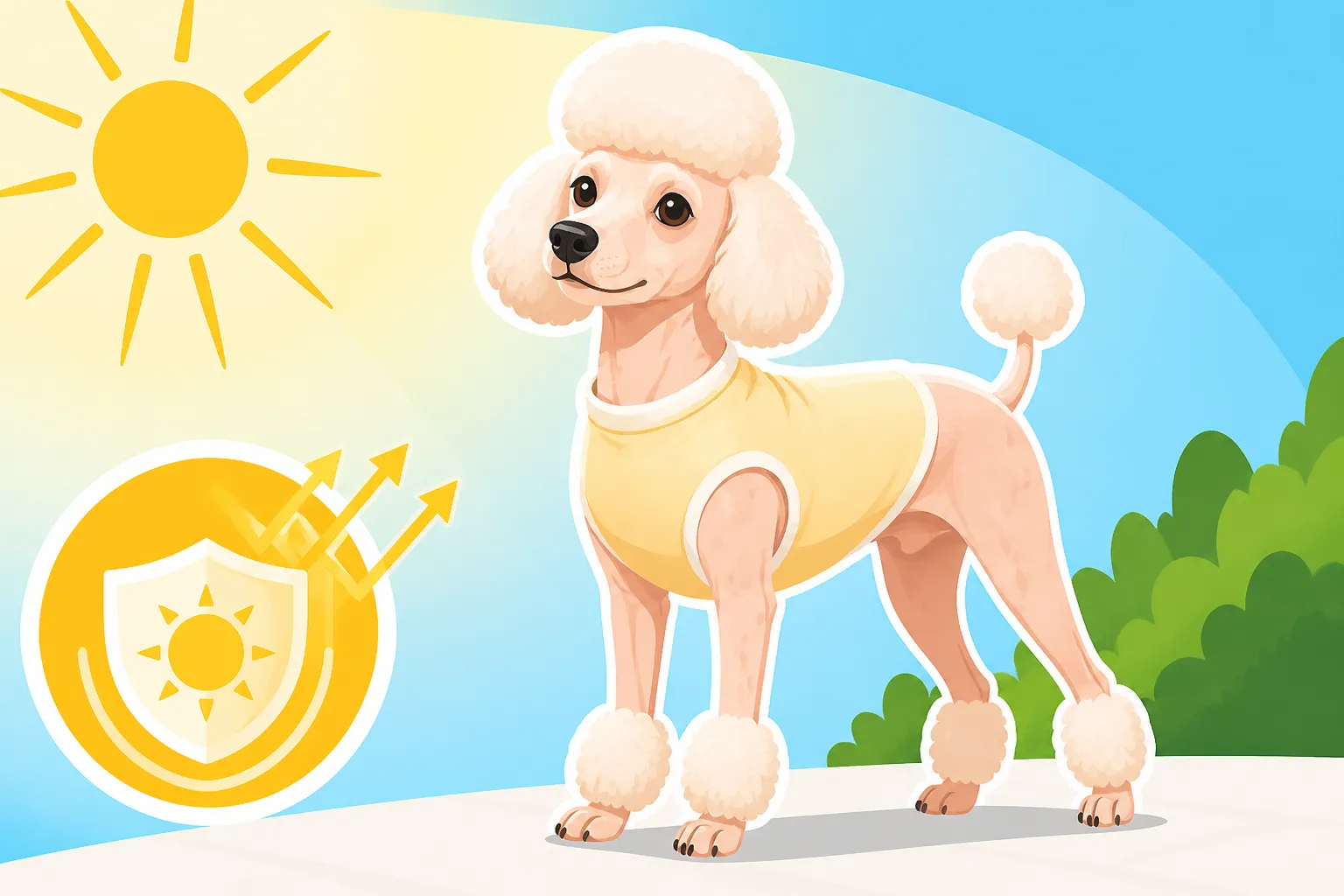
For Poodles who will be spending more time outdoors, especially if they have very sensitive skin or you live in a particularly sunny climate, protective clothing can be a fantastic option. There are specialized UV-protective shirts, rash guards, and even light, breathable coats designed for dogs. These garments are often made from fabrics with UPF (Ultraviolet Protection Factor) ratings, offering a physical barrier against the sun's rays.
When choosing clothing, prioritize lightweight, breathable materials to avoid trapping heat. Ensure a comfortable fit that doesn't restrict movement or rub uncomfortably, especially in the armpits or groin area. Some companies even make hats or visors for dogs, which can protect their sensitive nose and eyes. While it might seem a bit much, considering Coats and Sweaters for a Clipped Poodle for warmth, these UV-specific items are purely for sun protection, and they can make a huge difference in preventing sunburn, especially during longer outdoor adventures. Look for options that cover the back and sides thoroughly.
| Protection Method | Pros | Cons | Best For |
|---|---|---|---|
| Timing Walks | Free, effective, prevents overall overheating | Limits outdoor time, requires schedule adjustment | Daily routine, all Poodle sizes, avoiding peak UV hours |
| Canine Sunscreen | Targeted protection for exposed skin | Requires reapplication, risk of ingestion if not pet-safe | Specific vulnerable areas (nose, ears, belly), short outdoor stints |
| Protective Clothing | Broad coverage, physical barrier, fashionable | Can trap heat if not breathable, needs proper fit, Poodle tolerance | Longer outdoor excursions, very sensitive Poodles, fashion-conscious owners |
| Shade Seeking | Natural, readily available, reduces ambient heat | Requires available shade, Poodle must willingly stay in shade | All outdoor activities, combined with other methods for full protection |
When Things Go Wrong: Recognizing and Responding to Sun Damage
Even with the best intentions and preventative measures, sometimes a Poodle can still get a bit too much sun. Knowing how to recognize the signs of sunburn or other sun-related issues, and what steps to take, is just as important as prevention. Early intervention can minimize discomfort and prevent more serious complications.
Spotting Sunburn
A Poodle often can't tell you they're sunburned, so it's up to us to be vigilant. After any significant sun exposure for a shaved Poodle, gently check their skin. Look for redness, particularly on their belly, inner thighs, nose, ear tips, and along their back. The skin might feel warm to the touch and appear inflamed. Your Poodle might exhibit signs of discomfort, such as excessive licking or scratching at the affected areas, or a general reluctance to be touched or petted on their back. They might also appear restless or unusually quiet, especially if the burn is widespread or particularly painful.
It's important to differentiate sunburn from other skin irritations, though sometimes they can co-occur. For example, a reaction that looks like sunburn could also be related to Poodle Allergies and Skin Reactions, or even a reaction to a grooming product. If you're unsure, or if the symptoms are severe, always consult your veterinarian.
First Aid for Mild Sunburn
For mild sunburn where the skin is just red and tender, you can provide some immediate relief at home. The first and most crucial step is to get your Poodle out of the sun and into a cool, shaded environment. A cool compress applied gently to the affected areas can help reduce inflammation and soothe the skin. You can use a clean cloth dampened with cool water. Some pet owners find relief using pure, pet-safe aloe vera gel (ensure it does not contain alcohol, lidocaine, or other additives that could be harmful if licked). Always check with your vet before applying anything topical, especially if your Poodle is prone to licking.
Keep a close eye on your Poodle for the next few days. Ensure they have plenty of fresh water and monitor their appetite and behavior. Discourage licking or chewing at the burned areas, as this can introduce bacteria and lead to infection. If the redness doesn't subside, if your Poodle seems to be in increasing pain, or if the burn appears to be worsening, it's time to involve your vet.
When to Seek Veterinary Care
While mild sunburn can often be managed at home, there are definite signs that indicate a trip to the vet is necessary. If your Poodle develops blistering, raw patches, or peeling skin, especially over a large area, veterinary attention is essential. These types of burns can be very painful and are prone to infection. Any signs of infection, such as pus, foul odor, or increased swelling, warrant immediate vet consultation.
Furthermore, if your Poodle exhibits symptoms of heatstroke—such as extreme panting, excessive drooling, lethargy, vomiting, diarrhea, or collapse—this is a medical emergency that requires immediate veterinary care. Don't wait. Beyond acute issues, if you notice any suspicious lumps, bumps, or persistent changes in your Poodle's skin that appear in sun-exposed areas, especially if they are discolored or don't heal, these could be early signs of skin cancer. Your vet can perform diagnostics to determine the cause, just as they might for other skin concerns. When What a Poodle Breeder Must Test For covers a range of health issues, general skin health often relies on attentive owner observation and prompt veterinary action when something looks amiss.
Disclaimer
This article is for general informational purposes only and does not constitute professional advice. Laws, prices and regulations vary by location and change over time. Consult a qualified professional for guidance on your specific situation.