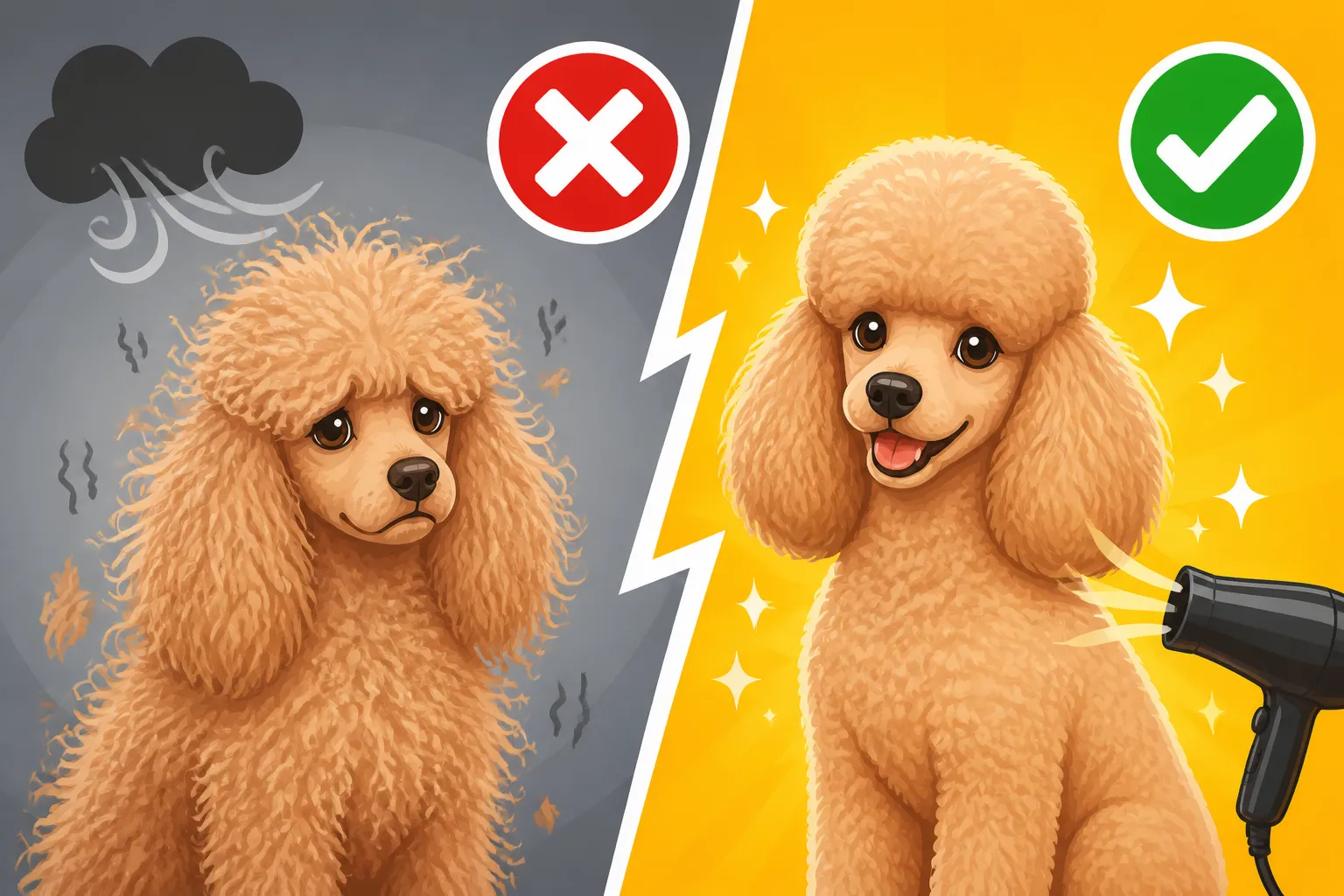
Why Air Drying Ruins a Poodle’s Coat
It’s a common scenario, isn’t it? You’ve just finished bathing your beautiful Poodle, and the thought crosses your mind: "Can't I just let them air dry this time?" Maybe you're tired, or your Poodle isn't thrilled about the dryer, or perhaps you just think it's more 'natural.' But here's the honest truth, my friends: letting your Poodle air dry is one of the quickest ways to create a world of discomfort for your beloved companion and a significant headache for you. This guide will walk you through exactly why air drying is a no-go for Poodles and how to properly dry their unique coat to keep them healthy and happy.
The Unique Structure of the Poodle Coat
Understanding why air drying causes so many problems for a Poodle starts with understanding their coat. It's truly unlike many other breeds, and that's both its charm and its challenge.
Hair Versus Fur: Understanding the Difference
Poodles don't have fur; they have hair. This isn't just a semantic difference; it's a biological one that dictates their grooming needs. Unlike breeds with double coats that shed seasonally, a Poodle's hair grows continuously, much like human hair. This means it doesn't have a shedding cycle where old hair falls out to make way for new. Instead, any hair that does detach gets caught within the growing curls. This is why Poodles are often lauded as "hypoallergenic" – they don't shed in the traditional sense, releasing less dander into the environment.
However, this continuous growth and lack of shedding also mean that if the hair isn't regularly brushed and meticulously cared for, it will quickly intertwine and form dense tangles. When wet, these strands clump together even more readily, creating the perfect storm for matting. Think about washing your own long, curly hair and just letting it air dry without brushing. It often becomes a tangled mess, right? Now imagine that all over your dog's body, trapping moisture and debris. This unique characteristic is fundamental to why proper drying is non-negotiable. You can learn more about this by reading The Poodle Coat and Why It Never Stops Growing.
The Curl and Its Tendency to Mat
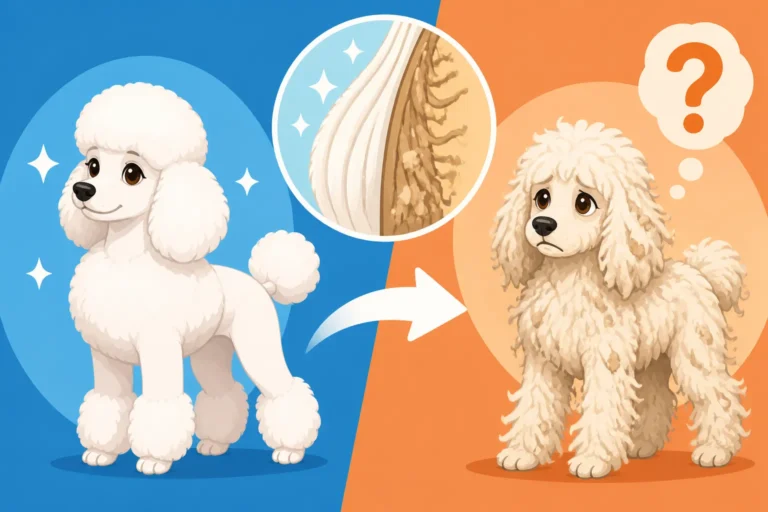
The Poodle's signature tight, dense curl is magnificent when properly cared for, but it’s also the primary reason air drying is so detrimental. When wet, these curls tighten and coil even further, becoming incredibly adept at holding onto water. Picture a tightly wound spring; now imagine many thousands of those springs, all wet and sticking to each other. As the outer layer of the coat might feel dry after a few hours, the hair closer to the skin, especially in thicker areas like the armpits, groin, behind the ears, and even under the collar, remains damp for a remarkably long time.
This dampness, combined with the natural intertwining of the curls and any shed hair caught within them, creates mats. Mats aren't just superficial tangles; they're dense, felt-like masses that pull tightly on the skin, causing immense pain and restricting movement. They form easily and quickly, especially when the coat is left to dry naturally, allowing all those individual wet strands to bind together without intervention. This tendency for the curls to cling to each other and form knots is precisely Why a Poodle Coat Mats Instead of Shedding.
The Hidden Dangers of Leaving a Poodle to Air Dry
It might seem harmless at first, perhaps even a time-saver. But the consequences of air drying a Poodle's coat go far beyond just a few tangles. They can significantly impact your Poodle's health and comfort.
Rapid Matting and Skin Problems
The most immediate and concerning danger of air drying is the rapid formation of mats, particularly at the skin level. As discussed, the wet curls pull together and hold moisture against the skin for extended periods. This damp, warm environment is a perfect breeding ground for bacteria and fungi. What starts as a simple mat can quickly escalate into painful skin conditions such as hot spots, yeast infections, or bacterial dermatitis. These can be incredibly itchy and uncomfortable, leading your Poodle to scratch, bite, and lick the affected areas, only making the irritation and potential for infection worse.
Imagine having a constant itch and dampness under your clothing that you can't relieve. That's what a Poodle experiences with skin-level matting. These conditions require veterinary attention, often involving antibiotics, antifungals, medicated shampoos, and a full shave-down of the affected areas, which can be stressful and costly. The mats themselves can become so tight that they impede blood flow, leading to further skin damage. Early signs of these issues often lurk unseen beneath the thick coat, only revealing themselves when they're advanced and painful. Skin Infections Under a Matted Poodle Coat are a very real concern for air-dried Poodles.
Odor and Discomfort
Beyond the severe health risks, a Poodle left to air dry will simply smell bad. That familiar "wet dog" odor doesn't disappear when the superficial layer of hair feels dry. It lingers because moisture is trapped deep within the dense curls, fostering microbial growth that produces unpleasant smells. No one wants a smelly Poodle, especially not a Poodle who is also uncomfortable!
This prolonged dampness and the pulling sensation of forming mats also contribute to general discomfort for your Poodle. They might become restless, scratch excessively, or constantly try to relieve the irritation, leading to a grumpy demeanor. A happy Poodle is a clean, dry, and comfortable Poodle. Ignoring proper drying techniques can turn their beautiful coat into a source of constant irritation, impacting their quality of life.
Missed Grooming Opportunities
The bathing and drying process isn't just about getting your Poodle clean; it's a critical part of their overall coat and skin health maintenance. When you choose to air dry, you miss vital opportunities for thorough grooming and health checks. Proper drying involves line brushing, a technique where you meticulously brush small sections of hair, ensuring every strand is dry and free of tangles down to the skin. This process allows you to feel for any lumps, bumps, skin irritations, parasites, or new mats forming.
By skipping this crucial step, you're essentially flying blind. You won't know if a new hot spot is brewing, if fleas have moved in, or if a small skin abnormality needs veterinary attention until it becomes much more obvious and severe. Regular, hands-on grooming, which includes thorough drying and brushing, is preventative care. It allows you to address minor issues before they become major problems. Without it, you might find yourself with a hefty vet bill and a very unhappy Poodle. How Often a Poodle Must Be Brushed emphasizes the importance of consistent grooming.
The Right Way to Dry a Poodle's Coat
Okay, so air drying is out. But what's the right way to dry a Poodle? It involves a combination of tools, technique, and patience, but it’s absolutely essential for their well-being.
Towel Drying and Initial Moisture Removal
The first step after bathing is to remove as much excess water as possible with towels. Don't rub vigorously, as this can actually create tangles. Instead, gently squeeze and blot the water out of the coat. Wrap your Poodle in a highly absorbent towel and pat them down, switching to fresh, dry towels as needed. For smaller Poodles, you might even gently roll them in a towel. The goal here is to get rid of the dripping wetness and reduce the overall drying time with the blow dryer.
Consider using microfiber towels, which are incredibly efficient at absorbing moisture. They can cut down significantly on the initial dampness, making the next step much faster and more effective. This initial towel drying helps to prevent the coat from becoming oversaturated, which could prolong the drying process and still lead to some matting if not followed by proper forced air drying.
The Importance of High-Velocity Dryers
This is where the magic happens for a Poodle coat. A high-velocity (HV) dryer, also known as a force dryer, is a non-negotiable tool for Poodle owners. These aren't like your human hairdryer, which uses heat that can damage a dog's skin and coat. HV dryers use powerful, concentrated airflow to blast water out of the coat, separating the strands and straightening the curls as they dry.
The force of the air is what's key. It literally pushes the water off the hair, speeding up drying time dramatically and preventing those tight curls from clumping together and forming mats. For a Poodle, a HV dryer does two vital jobs: it dries the coat thoroughly down to the skin, and it helps to straighten the hair, making it easier to brush and comb. Brands like Flying Pig Grooming, K9 Dryers, and Metro Air Force are popular choices and can often be found on online retailers like Amazon or specialized pet supply stores like Chewy. While the initial investment might seem steep, it pays for itself by saving you time, preventing matting emergencies, and keeping your Poodle comfortable and healthy. If you want a smooth, fluffy finish, a HV dryer is the way to go, especially if you're aiming to achieve a look like Drying a Poodle Straight.
Line Brushing While Drying
Using a high-velocity dryer effectively requires a specific technique: line brushing. This isn't just brushing; it's a systematic approach to ensure every layer of your Poodle's coat gets thoroughly dried and detangled.
Here's how it works:
- Section the Coat: Start with a section of hair, usually around the legs or tail, and part it against the grain of hair growth.
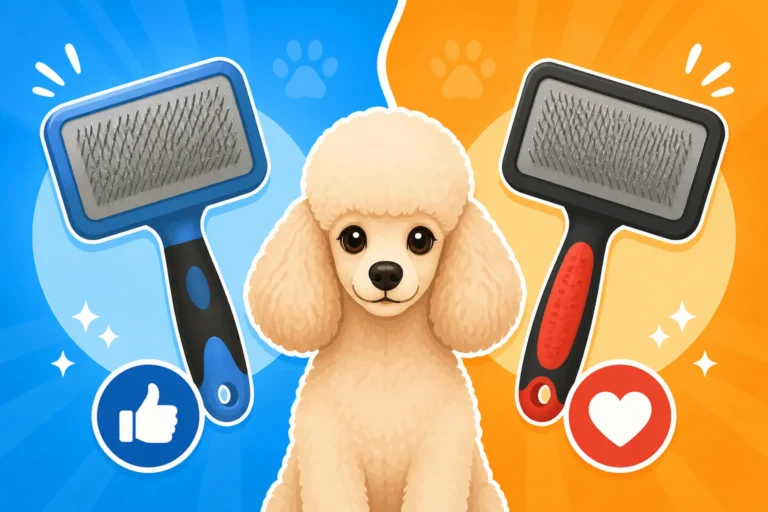
- Brush and Blow: Use your slicker brush to hold the hair taut at the skin, pointing the nozzle of the HV dryer at the skin directly below where you are brushing. The dryer's air will blast through the hair, separating it, while your brush helps to smooth and straighten it.
- Work in Layers: Gradually move your brush down the section, drying and brushing in small "lines" or layers, working your way through the entire coat. You're essentially creating a moving part that ensures you're getting right down to the skin.
- Finish with a Comb: Once a section feels dry, use a metal greyhound comb to comb through it. If the comb snags, it means there's still moisture or a tangle, and you need to go back with the brush and dryer until the comb glides through smoothly from root to tip.
This meticulous process ensures that no dampness is left to cause matting, and no hidden tangles remain. It takes practice, especially for a large Standard Poodle, but it's the gold standard for Poodle coat care. Line Brushing a Poodle Explained in more detail will be a great resource for you.
| Feature | Air Drying (Not Recommended) | Proper Blow Drying (Recommended) |
|---|---|---|
| Drying Time | Very long, inner coat remains damp for hours | Fast and efficient, dries coat down to the skin |
| Matting Risk | Extremely high due to wet curls clumping and tightening | Very low if done correctly with line brushing |
| Skin Health | High risk of hot spots, fungal, and bacterial infections | Promotes healthy skin by preventing trapped moisture |
| Coat Texture | Unruly, prone to frizz, tight curls, difficult to comb | Straightens curls, fluffy, easier to brush and style |
| Odor | Prone to "wet dog" smell due as dampness fosters microbial growth | Minimizes odor by thoroughly drying |
| Poodle Comfort | Prolonged dampness and pulling mats cause discomfort | Quick drying means less time wet, more comfortable |
| Grooming Effort | Seems low effort initially, but leads to much higher effort later for mat removal or vet visits | Higher initial effort but saves significant time and trouble in the long run |
| Tools Needed | Towels only | High-velocity dryer, slicker brush, metal comb, towels |
Common Misconceptions and Troubleshooting
Even with the best intentions, you might run into some hurdles when it comes to drying your Poodle. Let's tackle a few common concerns.
"My Poodle Hates the Dryer": Acclimation and Training
It's absolutely true that many Poodles, especially puppies or those not introduced to the dryer early, can be wary, scared, or even outright hate the sound and sensation of a high-velocity dryer. This is a very common frustration, and it often leads owners to try air drying. But don't give up! With patience and positive reinforcement, most Poodles can be acclimated to the dryer.
Start by introducing the dryer slowly. Turn it on a low setting away from your Poodle so they can hear the sound without feeling the air. Offer treats and praise. Gradually, bring it closer, still on a low setting and not pointed directly at them. Associate the dryer with positive experiences: tasty treats from Ollie or Chewy, gentle massages, and quiet praise. Gradually introduce the air, starting with their hindquarters or an area less sensitive than their face. Keep sessions short and positive. If your Poodle shows signs of extreme stress, stop and try again later. Never force it, as this can create a negative association that's very hard to undo. Consistency is key, and celebrating small victories will help build their confidence over time. You can get more tips on Teaching a Poodle to Accept the Dryer.
The Cost-Benefit of Proper Drying
You might be thinking, "A high-velocity dryer? That's an expense!" And yes, it is an investment. But consider the alternatives. The cost of emergency grooming to demat a severely matted Poodle can be hundreds of dollars, and groomers may even charge Surcharges Groomers Add for a Matted Poodle or refuse the service if the matting is too severe, leaving you with a vet visit for a sedative and a full shave down. Plus, treating skin infections that arise from chronic dampness and matting can quickly add up in vet bills, medications, and specialized shampoos.
When you factor in the pain and stress your Poodle will endure, and the potential for recurrent issues, the upfront cost of a good HV dryer and proper grooming tools becomes a small price to pay. It’s an investment in your Poodle's health, comfort, and your peace of mind. Learning Whether Grooming a Poodle at Home Saves Money is often about investing in the right tools first. You’ll save on professional grooming visits (though regular professional grooms are still beneficial!) and prevent costly medical emergencies down the line.
When to Seek Professional Help
Even with the best home grooming efforts, sometimes you need to call in the professionals. If your Poodle has developed severe matting, especially close to the skin, attempting to remove it yourself can be incredibly painful and even dangerous, potentially cutting their skin. A professional groomer has specialized tools and expertise to safely and humanely remove mats, often requiring a short shave down under the mats.
Similarly, if your Poodle is highly resistant to the dryer despite your best efforts at acclimation, a professional groomer can often work wonders. They have techniques and equipment that can make the process less stressful, and their experience with a wide variety of dogs means they're skilled at handling nervous Poodles. It's always better to seek professional help early rather than let matting or discomfort escalate. A professional groomer can also guide you on techniques and products to use at home, empowering you to maintain your Poodle's coat between visits. Think of your groomer as a partner in your Poodle's well-being.
Disclaimer
This article is for general informational purposes only and does not constitute professional advice. Laws, prices and regulations vary by location and change over time. Consult a qualified professional for guidance on your specific situation.