The Poodle as a Breed
When you hear "Poodle," many people immediately picture a fluffy, impeccably groomed show dog with an air of elegance, perhaps even a touch of aloofness. But let me tell you, that image, while certainly true in some aspects, barely scratches the surface of what this incredible breed truly is. Many dog lovers are surprised to learn that beneath the fancy clips and refined demeanor lies a remarkably intelligent, athletic, and fiercely loyal companion, one with a history deeply rooted in working alongside humans. This guide aims to peel back those layers and introduce you to the real Poodle – a dog far more dynamic and engaging than its stereotypes suggest, helping you understand their unique traits and why they make such extraordinary additions to a loving home.
The Rich History of the Poodle: More Than Just a Pretty Face
It’s easy to look at a Poodle today and think of them solely as pampered show dogs or delicate companions, but that couldn't be further from their origins. The Poodle's history is a fascinating journey from rugged waterfowl retriever to the refined breed we know and love, a testament to their adaptability and intelligence.
From Duck Hunter to Companion: The Poodle's Working Roots
Believe it or not, the Poodle's name itself gives a huge clue to its past. "Poodle" comes from the German word "Pudel," which means "to splash in water." This isn't just a quirky coincidence; it directly reflects their original purpose as exceptional water retrievers. These dogs were bred in Germany, not France as often assumed (though France certainly embraced and refined them), to work alongside hunters, plunging into icy waters to retrieve downed ducks and other waterfowl.
Imagine a robust, energetic dog, covered in a dense, curly coat, bounding through marshes and lakes. This coat, while beautiful, served a crucial function: it protected them from the elements. The traditional Poodle clip, which looks so ornamental today, was actually a practical working cut. Hunters would shave certain areas to reduce drag in the water and prevent matting, while leaving hair on vital joints and organs to protect them from the cold. Those "pompoms" weren't just for show; they provided insulation where it was most needed. This functional history highlights their incredible athleticism and hardy nature. If you've ever wondered about The Water Dog Behind the Poodle, you'll find it's a story of grit and determination.
The Evolution of Size: Why Poodles Got Smaller
Over time, as their reputation for intelligence and trainability grew, Poodles began to transition from purely working dogs to esteemed companions. It was in France, particularly, that the breed was further developed and admired, eventually becoming the national dog. As society changed and hunting wasn't the primary role for every dog, a demand arose for smaller versions of these captivating canines.
Breeders, through careful selection, began to develop the Miniature and then the Toy Poodle. The goal wasn't to create a different breed, but rather smaller versions that retained the Standard Poodle's intelligence, temperament, and signature non-shedding coat, making them suitable for city living and as lap companions for nobility and fashionable ladies. This careful breeding maintained the core Poodle essence across all sizes, a remarkable feat that speaks to the dedication of early breeders.
Poodles in Pop Culture: From Royalty to the Stage
The Poodle's intelligence, eagerness to please, and distinctive appearance made them natural stars. They quickly became favorites among European aristocracy, often depicted in portraits alongside their noble owners. Their sharp minds and agile bodies also made them prime candidates for performance. Circuses and stage acts frequently featured Poodles performing elaborate tricks, astonishing audiences with their quick learning and charming antics.
Even today, the Poodle retains a certain star quality. They are frequently seen in dog shows, winning top honors thanks to their elegant gait and impressive presence. But beyond the glitz and glamour, they continue to be beloved family pets, therapy dogs, and even service dogs, proving their versatility and enduring appeal across all facets of modern life. This rich cultural history underscores their adaptable nature and ability to bond deeply with humans.
Understanding the Poodle Sizes: Standard, Miniature, and Toy (and Moyen!)
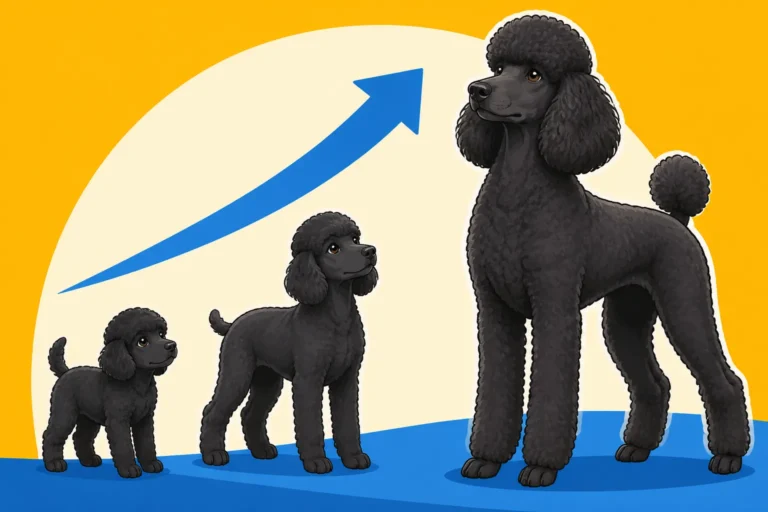
One of the most distinguishing features of the Poodle breed is its existence in multiple sizes. While they might look drastically different in stature, the Standard, Miniature, and Toy Poodles are all considered the same breed, sharing the same breed standard, temperament, and coat type. The main difference lies, quite simply, in their size.
The Standard Poodle: The Original Athlete
The Standard Poodle is the largest of the three recognized varieties, typically standing over 15 inches tall at the shoulder. This is the original Poodle, the one bred for retrieving waterfowl. Don't let their elegant appearance fool you; these are powerful, athletic dogs with immense stamina. They require significant exercise and mental stimulation, thriving on long walks, runs, and engaging in dog sports like agility, obedience, and even dock diving.
Standard Poodles are known for their calm demeanor indoors, often described as "regal" and "dignified," but they are also incredibly playful and goofy. They form strong bonds with their families and can be surprisingly protective. Due to their size and intelligence, they do best with owners who can provide consistent training and plenty of opportunities to use their brains and bodies. They are not dogs content to be couch potatoes without proper stimulation. When considering Daily Exercise for a Standard Poodle, remember their athletic heritage.
The Miniature Poodle: A Compact Companion
The Miniature Poodle falls in the middle, standing between 10 and 15 inches tall at the shoulder. This size was developed to offer the Poodle's desirable traits in a more compact package, perfect for homes with less space or owners who preferred a slightly less imposing canine presence. Miniatures are just as intelligent and energetic as their Standard counterparts, often possessing a lively and cheerful disposition.
They require regular exercise, enjoying walks, playtime, and mental challenges. While they might not need the sheer volume of exercise a Standard does, they still need more than a simple stroll around the block to be truly content. Miniature Poodles are highly adaptable and make excellent companions for individuals, couples, and families. They are known for their zest for life and their ability to keep their owners entertained with their clever antics.
The Toy Poodle: The Lap-Sized Darling
The smallest of the group, the Toy Poodle stands under 10 inches tall at the shoulder. Bred specifically as companions, these tiny Poodles excel at being lap warmers and constant shadows. Despite their diminutive size, they carry the same intelligence and lively spirit as their larger relatives. Don't mistake their small stature for fragility or a lack of personality; Toy Poodles are often bold, confident, and full of character.
They still need daily exercise, albeit less strenuous than the larger varieties. Short walks, indoor playtime, and brain games are usually sufficient to keep them happy and healthy. Due to their size, they are particularly well-suited for apartment living or for those who desire a portable companion. However, their small size also means they can be more vulnerable to accidental injury, so careful supervision, especially around children or larger pets, is essential. They also need very diligent house training, as their bladders are tiny! Check out Bladder Size in a Toy Poodle Puppy for more on this.
The Unofficial Moyen/Klein Poodle
Beyond the three official sizes recognized by organizations like the AKC, there's another size you might hear about, particularly in Europe: the Moyen Poodle, sometimes called a Klein Poodle. "Moyen" is French for "medium," and "Klein" is German for "small." These Poodles fall between the Miniature and Standard sizes, typically ranging from 15 to 20 inches at the shoulder.
While not recognized as a separate variety in North America, they are popular in certain parts of Europe and are often bred by Poodle enthusiasts looking for a "mid-sized" Poodle. They possess all the wonderful Poodle traits – intelligence, athleticism, and that signature coat – but in a size that some find ideal for their lifestyle, offering a robust presence without the full scale of a Standard. If you're interested in the finer points of Height Limits That Divide the Three Poodles, it helps to understand how these size classifications originated and evolved.
| Poodle Size | Height (at shoulder) | Weight (approx.) | Typical Energy Needs | Ideal Living Situation |
|---|---|---|---|---|
| Toy | Under 10 inches | 4-6 pounds | Moderate | Apartments, Smaller Homes |
| Miniature | 10-15 inches | 10-15 pounds | Moderate to High | Apartments, Homes with Yards |
| Standard | Over 15 inches | 40-70 pounds | High | Homes with Yards, Active Families |
| Moyen (Unofficial) | 15-20 inches (approx.) | 20-30 pounds (approx.) | Moderate to High | Homes with Yards |
The Poodle's Iconic Coat: A Non-Shedding Marvel
The Poodle's coat is arguably its most defining physical characteristic. It's unique, beautiful, and comes with both benefits and responsibilities that any potential Poodle owner needs to understand thoroughly.
The Unique Texture and Growth Cycle
Unlike many other breeds that have a double coat consisting of soft undercoat and coarser guard hairs, the Poodle has a single layer of dense, curly hair. This hair grows continuously, much like human hair, and does not have a shedding cycle in the traditional sense. Instead of falling out all over your furniture and clothes, any loose hairs get caught within the surrounding curls. This is why Poodles are often lauded as a good choice for people with allergies.
However, this "non-shedding" quality doesn't mean "no maintenance." Quite the opposite! Because the shed hair gets trapped, it quickly forms mats if not brushed out regularly and thoroughly. These mats can be incredibly painful for the dog, pulling on their skin, trapping moisture, and leading to skin infections. This unique coat demands consistent, attentive grooming, typically every 4-6 weeks for professional clipping and daily or every-other-day brushing at home, depending on the length of the coat. Understanding The Poodle Coat and Why It Never Stops Growing is crucial for any Poodle owner.
Why Poodles are Considered Hypoallergenic
The term "hypoallergenic" for dogs is a bit of a misnomer; no dog is 100% hypoallergenic. The allergens that trigger reactions in people are usually found in dander (dead skin cells), saliva, and urine, not just the hair itself. However, Poodles are often a much better choice for allergy sufferers because their coats don't shed dander and hair into the environment as much as breeds with traditional shedding coats.
Since the loose hairs and dander get trapped in their curls, less of it floats around in the air or accumulates on surfaces. Regular bathing also helps wash away accumulated dander and allergens. While someone with severe allergies might still react to a Poodle, many people with mild to moderate dog allergies find they can live comfortably with a Poodle. This unique trait is a significant reason for their popularity, and also why they are so often used in "Doodle" crosses. It's fascinating to delve into Why Poodles are Called Non-Shedding to really grasp this concept.
The History and Function of the Poodle Clip
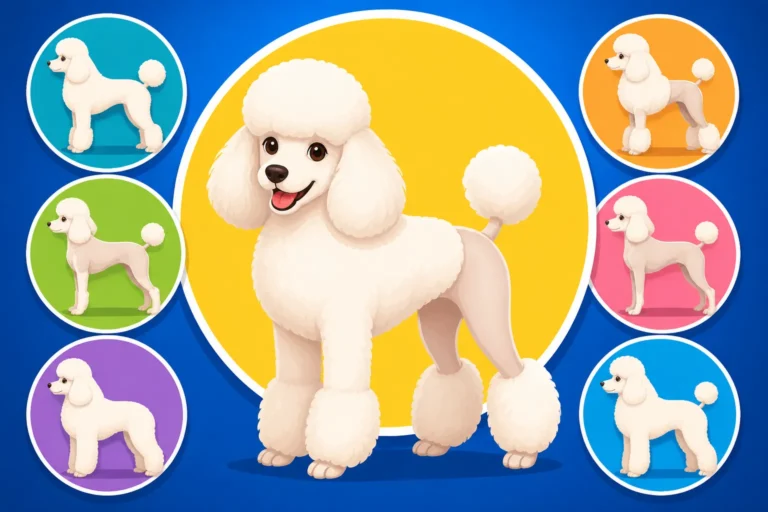
Today, many Poodle clips are artistic statements, especially in the show ring. However, the origin of these elaborate styles was purely functional. As discussed earlier, Poodles were water retrievers. Their dense coats, while insulating, could become heavy and cumbersome when wet, hindering their movement in water.
To address this, hunters would shave areas that didn't need protection, like the hindquarters and parts of the legs, to allow for greater mobility and less drag. Hair was left on the chest, joints (like the hocks and wrists), and the topknot to protect vital organs and joints from the cold water and brambles. The characteristic "pompoms" on the tail and legs weren't just decorative; they served as insulation. Over centuries, these functional cuts evolved into the highly stylized "Continental" and "English Saddle" clips seen in dog shows, alongside more practical pet clips like the "Sporting" or "Kennel" clip that many owners choose for easier maintenance.
A Poodle's Mind: Intelligence, Temperament, and Trainability
Beyond their striking appearance, what truly sets Poodles apart is their remarkable intelligence and distinct temperament. They are not just pretty faces; they possess keen minds and sensitive hearts that demand respect and engagement.
The Poodle's Renowned Intelligence and Learning Ability
Poodles consistently rank among the most intelligent dog breeds. Dr. Stanley Coren's research, for instance, places the Poodle as the second smartest breed, just behind the Border Collie. This high intelligence means they can learn new commands incredibly quickly, often grasping a new cue in as few as five repetitions. This rapid learning can be a double-edged sword: while it makes them highly trainable for complex tasks and dog sports, it also means they can pick up bad habits just as quickly if not guided properly. If you want to dive deeper into why they're so sharp, check out Poodle Intelligence and Coren's Ranking.
Their intelligence isn't just about obedience; it's about problem-solving and critical thinking. Poodles thrive on mental stimulation and enjoy puzzles, interactive toys, and learning new tricks. A bored Poodle is a mischievous Poodle, often inventing their own forms of entertainment that might not align with your household rules! Engaging their brains daily is just as important as physical exercise.
The Sensitive Soul: Temperament and How They Relate
Poodles are often described as having a "sensitive" temperament, which can be misunderstood. This isn't weakness; it means they are highly attuned to their environment and the emotions of their human companions. They respond best to positive reinforcement training methods, as harsh corrections or scolding can cause them to shut down, become withdrawn, or even develop anxiety. They genuinely want to please and thrive on praise and gentle guidance.
They form incredibly strong bonds with their families and are often described as "Velcro dogs," preferring to be wherever their humans are. This deep attachment makes them loyal and loving companions, but it can also predispose them to separation anxiety if not properly managed. They are generally good with children and other pets, especially if properly socialized from a young age. Their intuitive nature means they often make excellent therapy and service dogs, sensing and responding to human needs. However, their sensitivity also means they can be wary of strangers if not properly introduced, preferring to observe new people from a distance before offering their affection. You'll find more insights into their unique emotional landscape in Reading Pain in a Sensitive Poodle.
Energy Levels and the Need for Mental Stimulation
While the energy levels can vary slightly between the Standard, Miniature, and Toy sizes, all Poodles are generally active dogs that require regular physical exercise. Standards, with their working heritage, need the most, often enjoying long runs, hikes, or swimming sessions. Miniatures are also quite energetic and enjoy brisk walks and playtime. Even Toy Poodles, despite their small size, benefit from daily walks and vigorous indoor play to keep them fit and happy.
Beyond physical exercise, mental stimulation is paramount for Poodles. Their intelligent minds need challenges to stay engaged and prevent boredom. This can include:
- Puzzle Toys: Toys that dispense treats only when the dog solves a puzzle. Many options are available from retailers like Chewy.
- Training Sessions: Short, daily training sessions where they learn new commands or refresh old ones. Poodles are quick learners, as seen in Why Poodles Learn a Cue in Five Repetitions.
- Dog Sports: Agility, obedience, rally, scent work, and even retrieving sports are fantastic outlets for a Poodle's natural abilities.
- Interactive Games: Games like hide-and-seek, fetch, or teaching them to find specific items.
A Poodle that doesn't receive enough mental and physical exercise can become destructive, excessively bark, or develop undesirable behaviors. Keeping their intelligent minds occupied is key to a happy Poodle and a happy owner.
Poodle Colors and Markings: A Spectrum of Beauty
One of the delightful aspects of the Poodle breed is the wide array of colors and patterns their coats come in. While their curls are iconic, the shades and markings add another layer of beauty and individuality.
The Kaleidoscope of Solid Poodle Colors
Poodles come in a stunning variety of solid colors, each with its own charm. The most common solid colors recognized by breed standards include:
- Black: A deep, true black, often with a glossy sheen.
- White: A pure, unblemished white.
- Apricot: A lovely shade ranging from a creamy off-white to a deeper orange.
- Red: A rich, vibrant reddish-brown, distinct from apricot.
- Silver: Born black, these Poodles "clear" to a beautiful shimmering silver as they mature, often starting from their face and paws.
- Blue: Also born black, blue Poodles have a dilute gene that causes their coat to fade to a deep, dark charcoal grey over time.
- Brown: A warm, dark chocolate color.
- Cream: A very light, pale apricot or off-white.
These colors are meant to be solid, meaning no patches or spots of other colors. While some Poodles may have slight variations in shading, a true solid Poodle exhibits one consistent color throughout its coat. Understanding Solid Poodle Colors the AKC Recognizes can help clarify what is considered standard.
Beyond Solid: Parti and Phantom Poodles
While solid colors are the only ones recognized in the conformation show ring by some organizations, many Poodles are born with beautiful patterns that are gaining popularity among pet owners and in performance events. These include:
- Parti-Colored: "Parti" means "partially colored." A parti Poodle has a primary white base coat with distinct, well-defined patches of another solid color (like black, brown, or red). These markings can be spread across their body in various patterns. Historically, parti Poodles were quite common and valued by hunters as their white patches made them easier to spot in dense foliage.
- Phantom: Phantom Poodles have a solid base color (often black, brown, or red) with clearly defined markings of a contrasting lighter color (such as cream, apricot, or silver) on specific points of their body. These points typically include the muzzle, above the eyes (like "eyebrows"), on the chest, on the legs, and under the tail. The pattern is reminiscent of a Doberman Pinscher's markings.
These patterned Poodles are genetically purebred and possess all the same wonderful traits as their solid-colored counterparts. They just offer a different aesthetic appeal for those who appreciate more varied coats.
The Phenomenon of Color Fading and Clearing
One fascinating aspect of Poodle coat color is the tendency for many shades to "fade" or "clear" over time. This is particularly noticeable in colors like silver, blue, and apricot.
- Silver Poodles: As mentioned, silver Poodles are born black. Their silvering gene causes the black pigment to dilute, resulting in a gradual change to silver. This process, called "clearing," usually begins on the face and paws and can take up to two years to fully develop.
- Blue Poodles: Similar to silver, blue Poodles are born black but possess a different dilute gene that causes their coat to lighten to a deep, steely gray. This clearing process is also gradual and can be very striking.
- Apricot and Red Poodles: These warm tones can sometimes fade with age or sun exposure, becoming lighter cream or even white in areas. Breeders often aim for dogs that "hold their color" well, but some fading is a natural part of the Poodle coat's lifecycle.
Understanding these color dynamics is part of appreciating the unique genetics and beauty of the Poodle breed. No matter the color, the quality of the coat – its density, curl, and texture – is what truly defines a well-bred Poodle.
Living with a Poodle: What to Expect in Your Home
Bringing a Poodle into your home is a commitment to a deeply rewarding experience, but it's important to have a realistic understanding of what that entails. These aren't low-maintenance dogs, but for the right person or family, they are unparalleled companions.
Are You a Poodle Person? Assessing Your Lifestyle
Before you fall head over heels for those curly locks and intelligent eyes, take a moment to honestly assess if a Poodle is the right fit for your lifestyle. Poodles thrive in environments where they are considered integral family members, not just backyard ornaments.
- Time Commitment: Poodles need significant time and attention. They are intelligent and sensitive, requiring daily interaction, training, and exercise. If you work long hours away from home and don't have provisions for dog walkers, daycare, or a pet sitter, a Poodle might struggle with loneliness or develop separation anxiety.
- Grooming Commitment: This is non-negotiable. Whether you commit to professional grooming every 4-6 weeks (which can be a significant cost, discussed further in Professional Grooming Costs by Poodle Size) or learn to groom at home (requiring an investment in tools and time, as seen in What a Poodle Owner Spends on Blades and Shampoo), the coat must be maintained to prevent painful matting. There's no escaping the Poodle's grooming needs.
- Active Lifestyle: All Poodle sizes benefit from regular exercise and mental stimulation. If your idea of activity is a short potter around the block, a Poodle might become bored and destructive. They love walks, runs, hikes, swimming, and especially mentally challenging games or training.
- Patience and Positive Reinforcement: Poodles are highly sensitive. They learn quickly but respond best to gentle, consistent training using positive reinforcement. If you're someone who leans towards harsh methods or gets frustrated easily, a Poodle might not be the best match.
Poodles are often described as "big dogs in small packages" (even the Toys!), meaning they have bold personalities and high intelligence regardless of size. They bond deeply and expect to be part of everything.
Poodles with Children and Other Pets
Poodles can make wonderful family pets and generally coexist well with children and other animals, provided they are properly socialized from a young age and respectful boundaries are established.
- Children: Poodles, especially Standards and Miniatures, can be very tolerant and playful with children. However, their sensitivity means they need to be treated with respect. Teach children how to interact gently with a dog, avoiding pulling ears or tails, and always supervise interactions, especially with younger kids. Toy Poodles, due to their delicate size, are often better suited for families with older, more considerate children who understand how to handle a tiny dog safely. A rambunctious toddler could accidentally injure a Toy Poodle.
- Other Dogs: Poodles generally get along well with other dogs, often enjoying playmates. Early positive introductions are key. They can thrive in multi-dog households, often forming strong bonds with their canine companions.
- Cats and Other Small Pets: With proper introduction and supervision, many Poodles can live harmoniously with cats. Their retrieving instinct means they might initially be inclined to chase, but this can often be managed with training and consistent redirection. Smaller pets like hamsters or birds should always be kept secure and interactions strictly supervised due to the Poodle's prey drive, which, while not as intense as some hunting breeds, is still present.
Regardless of the family dynamic, early socialization is crucial. Exposing your Poodle puppy to a variety of sights, sounds, people, and friendly animals in a positive way during their critical development period (before 16 weeks) will help them grow into a confident, well-adjusted adult. What a Poodle Puppy Should Meet by Sixteen Weeks offers valuable guidance here.
The Long-Term Commitment: Time, Training, and Grooming
Owning a Poodle is a long-term commitment, typically spanning 12-15 years, sometimes even longer for the smaller varieties. Throughout their lives, they will continue to need your dedication in three key areas:
- Time and Attention: As social animals, Poodles crave companionship. They are happiest when involved in family activities and receive regular one-on-one attention. This means more than just sharing a house; it means playing with them, cuddling them, and making them feel like a valued member of the pack.
- Ongoing Training and Mental Engagement: A Poodle's intelligence means they benefit from lifelong learning. Continuing with advanced obedience classes, trying out dog sports, or simply teaching them new tricks at home will keep their minds sharp and prevent boredom. This isn't just for puppies; an adult Poodle still enjoys the challenge.
- Consistent Grooming: This is truly the hallmark of Poodle ownership. That non-shedding coat requires regular, meticulous care, whether it's professional grooming or a dedicated home routine. Failing to keep up with grooming leads to severe matting, skin problems, and discomfort for your dog, often resulting in expensive veterinary visits or a complete shave-down. Budgeting for a Poodle Coat That Never Stops is a real and necessary consideration.
A Poodle isn't just a pet; they're an intelligent, sensitive, and demanding companion who will reward your efforts with unwavering loyalty, endless entertainment, and deep affection. For those ready for the commitment, the Poodle is truly an extraordinary breed.
Disclaimer
This article is for general informational purposes only and does not constitute professional advice. Laws, prices and regulations vary by location and change over time. Consult a qualified professional for guidance on your specific situation.