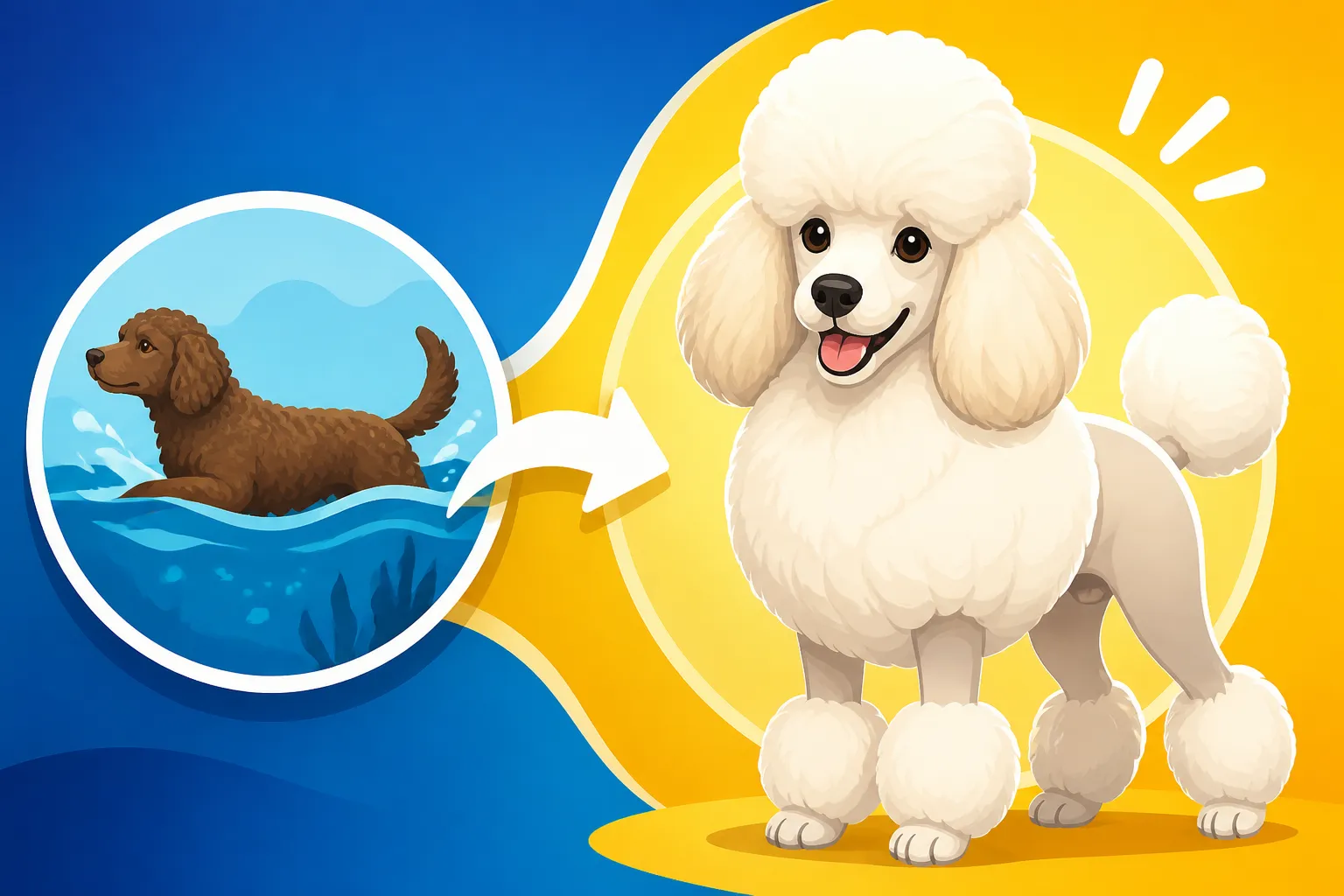
What Pudel Means and How Poodle Came From It
Have you ever wondered about the true origins of the Poodle's somewhat whimsical name? Many people assume it's simply a cute, descriptive word, or perhaps a French invention, but the truth is far richer and deeply rooted in the breed's working history. This guide will take you on a journey back in time, unraveling the etymology of "Poodle" and revealing how its name is intrinsically linked to its original purpose as a proficient water retriever.
The German Roots: "Pudel" and the Water Dog
When we talk about the Poodle, many people immediately think of France, elegant clips, and perhaps a certain aristocratic air. But to truly understand the Poodle's name, we have to look to Germany. The breed's roots are firmly planted in the German marshes, where it was developed as a robust and intelligent water retriever. Its original German name, Pudelhund, literally means "puddle dog" or "splashing dog."
Deciphering the Old German "Pudeln"
The word "Pudel" comes from the old German verb pudeln, which means "to splash" or "to splash in water." Imagine a dog enthusiastically jumping into a pond or river, scattering water everywhere as it retrieves game. That vivid image is precisely what the name Pudel evokes. It wasn't a name chosen for its beauty or elegance, but for its direct and functional description of the dog's primary activity. This humble, practical origin often surprises people who only know the Poodle from dog shows or as a pampered companion, but it’s a crucial piece of understanding The Water Dog Behind the Poodle.
This direct etymology tells us a lot about what the early Poodle was valued for. It wasn't about a fancy haircut or a regal posture; it was about the ability to work in and around water. The breed's thick, curly, water-resistant coat, often seen today as a fashion statement, was originally a practical asset, protecting the dog from icy waters and harsh underbrush during hunts. Without this deep connection to its German working past, the name "Poodle" would lose much of its historical weight.
The Poodle's Original Job: A Water Retriever
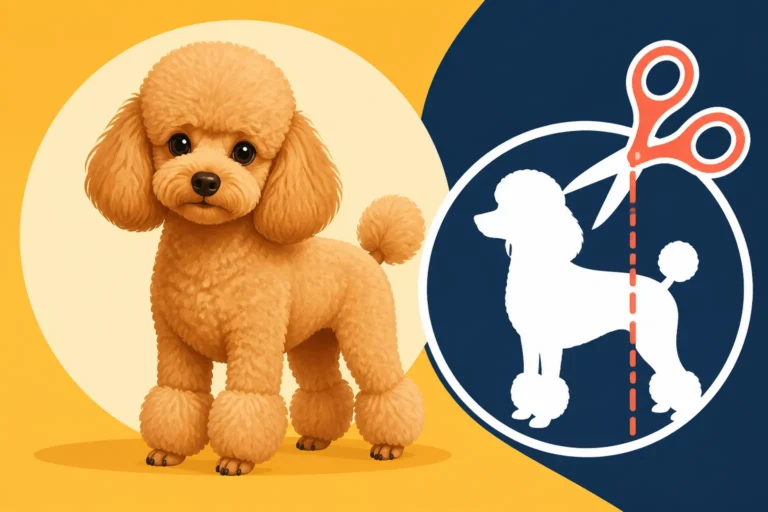
Before they were show dogs or lap companions, Poodles were working dogs. Their primary role was to retrieve waterfowl, such as ducks, from lakes, rivers, and ponds for hunters. Their powerful swimming ability, coupled with their keen intelligence and excellent noses, made them incredibly effective at this task. The distinctive Poodle clip, which often features shaved hindquarters and pom-poms of hair on the joints, actually stems from this working heritage. The shaved areas reduced drag in the water, while the hair left on the chest and joints provided insulation and protection against cold and injury.
This is why understanding "Pudel" as "to splash" is so vital. It immediately grounds the breed in its utilitarian past. These were not delicate creatures; they were hardy, athletic dogs built for demanding work in challenging environments. The German hunters needed a dog that wasn't afraid to dive into cold water, and one that could handle retrieving heavy birds without issue. The Pudelhund perfectly fit that description. You can delve more deeply into this aspect of their history by reading The Poodle as a Duck Retriever. This breed was genuinely bred for purpose, a far cry from the modern perception held by many.
From German Marshes to French Salons: The Name's Journey
As the Poodle's reputation as an intelligent and trainable dog grew, it began to travel beyond the hunting grounds of Germany. Its journey took it to France, where its role and, consequently, its name started to evolve.
The French Influence and "Caniche"
When the Poodle arrived in France, it quickly captured the attention of the French aristocracy and high society. Its striking appearance, intelligence, and willingness to learn made it a favorite for performing tricks in circuses and as a companion dog. The French embraced the breed, but they gave it their own name: Caniche.
The word Caniche is derived from cane, the French word for a female duck. This connection to ducks further reinforces the Poodle's original purpose as a water retriever, even as its social status shifted. The French, while appreciating its elegance and trainability, still acknowledged its duck-hunting ancestry in the name they gave it. This often leads to confusion about Whether the Poodle Is German or French, but the reality is a rich tapestry of both cultures influencing the breed's development. This is a classic example of how a breed's purpose dictates its early nomenclature, regardless of where it later gains popularity. You can almost picture these dogs, whether in a muddy bog or a fancy salon, still carrying that heritage in their very name.
English Adoption and the "Poodle" Transformation
As the breed's popularity spread across Europe, it eventually made its way to England. It was here that the German "Pudel" underwent another linguistic transformation to become the familiar "Poodle" we use today. The English adopted the German root but softened it into a more anglicized pronunciation and spelling.
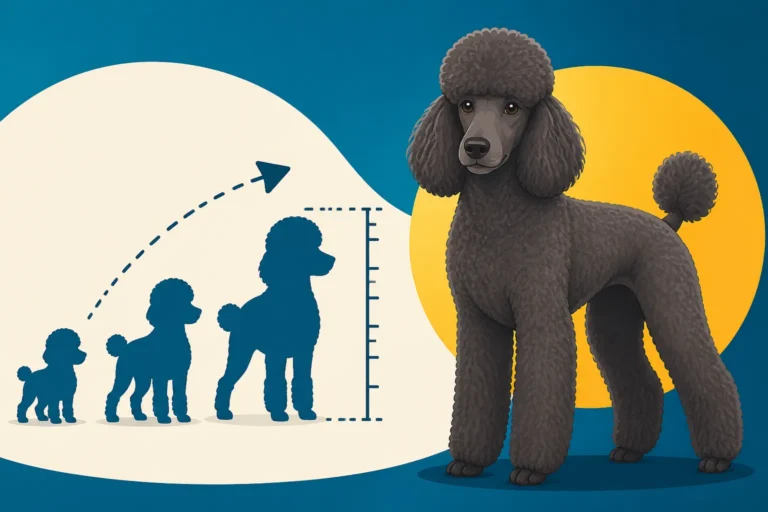
This adoption wasn't just about language; it was about the breed's growing international recognition. The term "Poodle" became standardized, encompassing the various sizes that were being developed – the Standard Poodle, Miniature Poodle, and later, the Toy Poodle. While the French might still call them Caniche, for the English-speaking world, "Poodle" became the enduring name, a direct echo of its splashing German past. It's fascinating how a practical German word evolved through French influence into a globally recognized name that still subtly whispers its aquatic heritage. When you're looking for quality supplies for your "Poodle," whether it's special grooming tools or sturdy toys, online retailers like Chewy often highlight how breeds with unique coats like the Poodle need specific care items.
More Than Just a Name: The Significance of Its Origin
Understanding where the name "Poodle" comes from isn't just a fun fact; it provides crucial insight into the breed's character, its historical development, and even some of its unique physical traits. The etymology connects us directly to the core essence of what a Poodle truly is.
Correcting Common Misconceptions About Poodle History
One of the biggest misconceptions about Poodles is that they are inherently delicate or purely ornamental. Their name's origin immediately challenges this notion. Far from being bred solely for looks, Poodles were bred for rugged work. This understanding can help new owners appreciate their Poodle's incredible intelligence, athleticism, and robust health. They aren't just pretty faces; they are capable, driven dogs with a rich working history. Many owners, for example, are surprised by their Poodle's strong retrieving instinct, a direct link to their historical role as What a Poodle Retrieved for a Hunter.
This historical context also helps to explain why Poodles are often seen as one of the most intelligent dog breeds. A dog required to work independently in complex environments, making decisions about retrieving game and navigating terrain, needed keen problem-solving skills and a quick mind. These traits, developed over centuries of working as Pudelhunds, are still very much alive in modern Poodles.
The Enduring Legacy of the Water Dog
Even today, centuries removed from their primary role as duck retrievers, the legacy of the water dog lives on in Poodles. Many Poodles still possess a natural love for water and an innate drive to retrieve. Take them to a lake, and you'll often see them enthusiastically taking to the water, living up to their "splashing dog" moniker. This natural inclination for water activities is something many Poodle owners embrace, finding joy in swimming or participating in dog sports like dock diving.
Moreover, the Poodle's famous coat, which requires regular grooming, is a direct inheritance from its working past. That dense, curly, non-shedding hair was perfect for shedding water and protecting the dog from the elements. While modern grooming has turned it into a high-maintenance affair, its original design was purely functional. Understanding this can shift an owner's perspective from seeing grooming as a chore to appreciating it as a maintenance task for a historically significant coat type. For those who take on the challenge of home grooming, stocking up on brushes and shampoos from places like Chewy can be a significant investment, but a worthwhile one for keeping that heritage coat in prime condition.
The table below summarizes the key elements of the Poodle's name origin and how its function shaped its identity:
| Aspect | German Origin ("Pudel") | French Influence ("Caniche") | English Evolution ("Poodle") |
|---|---|---|---|
| Meaning of Root Word | "To splash" or "to puddle" | "Female duck" (via cane) | Angli-cized form of "Pudel" |
| Original Role | Waterfowl retriever | Initially waterfowl retriever, then companion/performer | Companion, show dog, versatile athlete |
| Primary Location | Germany (marshes, hunting grounds) | France (aristocratic salons, circuses) | Global adoption, particularly English-speaking countries |
| Key Characteristic | Love for water, retrieving instinct | Intelligence, elegance, trainability | Adaptability, distinctive coat, enduring popularity |
| Perception | Hard-working, functional | Sophisticated, artistic | Elegant, intelligent, sometimes misunderstood as "fussy" |
The next time you see a Poodle, whether it's a regal Standard in a show ring, a charming Miniature performing tricks, or a tiny Toy curled on a lap, remember its name. It's a living testament to a history of splashing through cold waters, retrieving game for hunters, and proving itself as a highly intelligent and capable companion. This deeper understanding enriches the bond we have with this truly remarkable breed. From Training the Second Smartest Dog Breed to simply admiring their distinctive look, every aspect of the Poodle connects back to its unique genesis. Thinking about their exercise needs? Consider Swimming With a Poodle to truly honor their heritage. And if you're ever looking for durable retrieval toys that can stand up to a Poodle's enthusiasm, Chewy has a fantastic selection that caters to their natural instincts.
Disclaimer
This article is for general informational purposes only and does not constitute professional advice. Laws, prices and regulations vary by location and change over time. Consult a qualified professional for guidance on your specific situation.