Where the Poodle Was First Recorded
Many Poodle owners often find themselves wondering about their intelligent, elegant companion's past. There's a persistent whisper of both German and French origins, creating a delightful mystery around this sophisticated breed. This guide is dedicated to pulling back the curtain on the Poodle's earliest recorded history, sifting through historical evidence to uncover where this magnificent dog truly began its journey.
Tracing the Poodle's Ancient Roots Beyond Borders
The Poodle's ancestry is one of those wonderfully rich, often debated topics among dog historians and enthusiasts alike. It's not a straightforward "born here" story, but rather a fascinating tapestry woven across various European landscapes. Understanding where the Poodle was first recorded means looking at both linguistic clues and historical functionality.
The German Connection: "Pudel" and Water Work
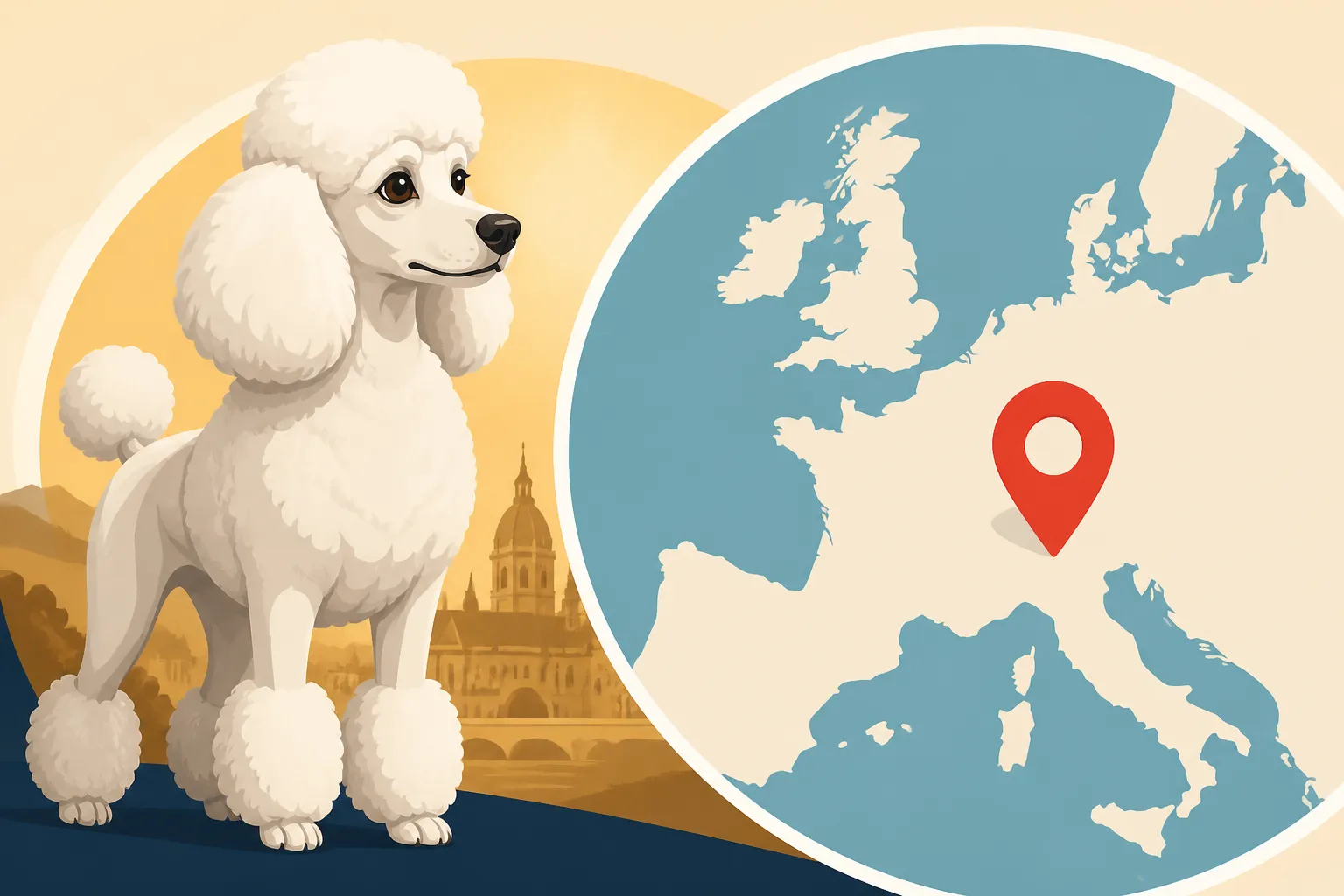
If you delve into the etymology of the word "Poodle," you quickly land on German soil. The word "Pudel" itself, from which "Poodle" is derived, comes from the Old German word "Pudelhund," which translates roughly to "puddle dog" or "splashing dog." This isn't just a cute name; it's a direct nod to the breed's original purpose: water retrieving. Imagine chilly, marshy European wetlands, and you start to get a sense of the conditions these dogs were bred to excel in. They were the hardy, intelligent companions of waterfowl hunters, plunging into cold water to retrieve shot game. The dense, curly coat, far from being a fashion statement, was a practical asset, offering insulation and protection against the elements. Their keen intelligence, even then, would have been invaluable for understanding complex commands and navigating challenging terrains. This historical function is a key part of understanding The Poodle as a Duck Retriever.
These early "Pudels" weren't the prissy, showy dogs some people mistakenly imagine Poodles to be today. They were tough, athletic working dogs, often seen alongside hunters in parts of Germany. Their job required stamina, keen scenting ability, and a fearless attitude towards water. The German linguistic root strongly suggests that the functional type of dog, the water retriever with the distinctive curly coat, had a significant presence and development in Germanic-speaking regions. It's this deep connection to working roles that many modern Poodle owners still see glimpses of when their Poodle enthusiastically splashes in puddles or tries to "retrieve" every toy in the house.
French Finesse: The Caniche and the Breed's Refinement
While the functional origins might lean German, France undeniably played a pivotal role in refining the Poodle and elevating its status, particularly in the realm of companionship and performance. In France, the breed is known as "Caniche," derived from "cane," the French word for a female duck. This further reinforces the Poodle's aquatic heritage, proving that its duck-retrieving skills were recognized and valued across borders. However, in France, the Poodle began to transition from a purely working dog to a beloved pet of the aristocracy and a star in the burgeoning world of entertainment.
During the 17th and 18th centuries, Poodles became immensely popular in France, often gracing the laps of royalty and performing elaborate tricks in circuses. This period saw the development of the smaller varieties, as demand grew for elegant, intelligent companion dogs that could fit into a more refined lifestyle. The French influence undeniably shaped the Poodle's aesthetic and its reputation as a sophisticated and intelligent companion. So, when people argue about Whether the Poodle Is German or French, it's truly a story of dual heritage: German in its robust working origins and French in its elegant refinement and popularization. This blend of brawn and beauty is a hallmark of the breed we know today.
Early Depictions and Documentations of the Poodle
Long before photographs and comprehensive breed registries, the primary ways we can trace the existence and appearance of dog breeds were through art and written accounts. Fortunately, the Poodle, with its distinctive look and engaging personality, made quite an impression on artists and writers throughout history.
Artistic Evidence: Poodles in Renaissance Art
One of the most compelling pieces of evidence for the Poodle's early existence comes from the art world. You can find dogs that are unmistakably Poodles depicted in paintings, tapestries, and engravings dating back to the 15th, 16th, and 17th centuries across Europe. These aren't just generic curly-haired dogs; they often show the characteristic Poodle silhouette, intelligent eyes, and sometimes even the distinctive shaved and pom-pommed clip, which, remarkably, had a practical origin for Why a Working Poodle Was Clipped at All. These artistic records are crucial because they offer a visual snapshot of the breed's appearance and how it was perceived in society centuries ago.
For instance, you might stumble upon a painting by a Dutch Master featuring a noble lady with a small, elegantly groomed dog at her feet, its coat clearly a Poodle's. Or perhaps a hunting scene where a larger, robust curly-coated dog is retrieving game from water, its form matching what we know of the Standard Poodle. These artistic representations show the Poodle not just as a working animal, but as a cherished companion, a symbol of status, and an integral part of daily life. The continuity of their depiction across different eras and styles truly speaks to the breed's enduring presence and unique charm.
Written Accounts: Sporting Dogs and Companions
Beyond visual art, early written records also provide valuable insights into the Poodle's history. While formal "breed standards" as we know them today are a relatively modern invention, various texts, hunting manuals, and encyclopedias from centuries past describe dogs with characteristics that align with the Poodle. These accounts often highlight their intelligence, trainability, and prowess as water retrievers. They were noted for their ability to learn quickly and their eagerness to please, qualities that still make them such a joy to train today.
These historical documents might not explicitly use the word "Poodle" in every instance, especially when referring to the earlier, more functional types. However, descriptions of "water dogs" or "curly-haired retrievers" often contain details that are unmistakably Poodle-like. Some of the earliest explicit mentions referring to a "Pudel" as a specific type of dog appear in German texts and dictionaries from the 16th and 17th centuries, firmly rooting the name and breed type in that region. These written records, combined with the artistic evidence, create a robust historical picture, confirming the Poodle's long and distinguished lineage as both a capable working dog and a beloved companion.
The Evolution of the Poodle's Role Over Centuries
The Poodle's journey from humble water dog to sophisticated show dog and popular family pet is a testament to its adaptability and charm. Over hundreds of years, society's needs and tastes changed, and the Poodle changed with them, always finding a way to remain relevant and beloved.
From Hunter to Performer: Adapting to Society
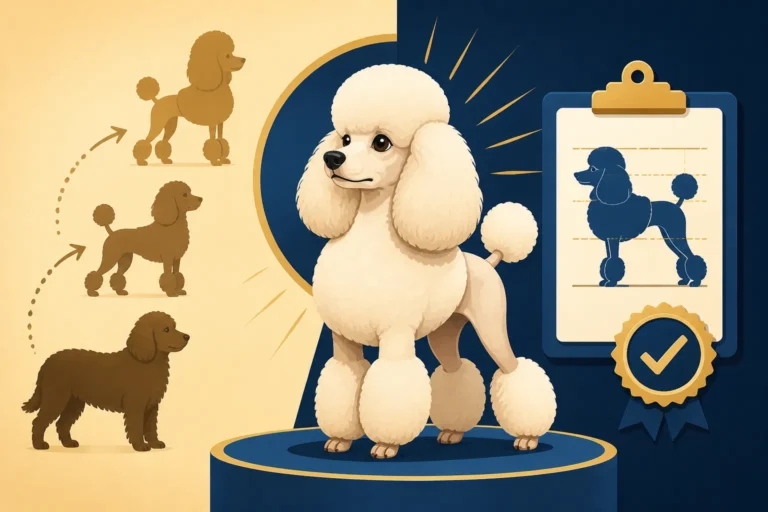
Initially, the Poodle's primary "job" was retrieving game from water. They were sturdy, resilient animals built for performance in often harsh outdoor conditions. The characteristic Poodle clip, with its shaved areas and "pom-poms" of hair, wasn't just decorative; it was ingeniously designed to protect vital joints and organs from the cold while reducing drag in the water. This allowed the dogs to swim more efficiently without getting chilled. Learning about Which Parts of a Poodle the Clip Protected truly brings this historical function to life.
However, as hunting became less of a necessity for many, and as people began to appreciate dogs for their intelligence and companionship, the Poodle found new ways to shine. Their incredible trainability and striking appearance made them natural stars in circuses and traveling shows. They excelled at learning complex tricks and delighting audiences with their clever antics. This phase in their history is quite fascinating, showcasing the true depth of Poodles in Circuses and Performance. They weren't just pretty faces; they were intelligent performers who could learn intricate routines, further cementing their reputation as one of the smartest dog breeds. Even today, watching a Poodle perform in obedience or agility trials echoes this historical flair for performance.
The Rise of the Poodle as a Companion Dog
As the centuries progressed, particularly from the 18th century onwards, the Poodle's role as a companion dog began to truly flourish. Their loyal, intelligent, and often humorous nature made them ideal household pets, especially for those who valued an active and engaging canine presence. The breed was gradually diversified in size, with the smaller Miniature and Toy Poodles emerging to cater to those living in urban environments or desiring a lapdog. The exact time When the Toy Poodle Appeared is a fascinating point in their history, reflecting changing human lifestyles and preferences.
Today, the Poodle is celebrated across all three sizes – Standard, Miniature, and Toy – each retaining the core Poodle character of intelligence, elegance, and athleticism. They are cherished family members, excelling in everything from competitive dog sports to simply being the best couch potato companions. Their history is a rich tapestry, reflecting their journey from the muddy marshes of Europe to the pampered laps and show rings of the modern world. This deep history explains why the Poodle remains such a versatile and beloved breed, equally at home on a grand estate or snuggled up on a city apartment sofa. Many Poodle enthusiasts even delve into historical texts and breed books, which you can often find readily available on platforms like Chewy, to further understand their dog's rich past.
Here's a brief timeline of key historical moments for the Poodle:
| Period | Region/Cultural Influence | Key Characteristics and Role | Evidence Sources |
|---|---|---|---|
| 15th-16th Century | Germany | Water retriever, "Pudelhund" origin | Linguistic roots, early artworks, texts |
| 17th-18th Century | France, Europe | Refinement, "Caniche," circus performer, noble companion | Artworks, court records, literary mentions |
| 19th Century | Europe, North America | Increased popularity as pets, development of sizes | Breed clubs, early dog shows, literature |
| 20th Century & Beyond | Global | Show ring star, popular family pet, versatile working dog | Breed standards, historical photographs |
It’s clear that from the very beginning, whether it was retrieving ducks in Germany or charming the French aristocracy, the Poodle's intelligence and unique appearance made it a standout. This storied past is part of what makes owning a Poodle so special. You're not just bringing home a dog; you're welcoming a piece of living history, a direct descendant of those clever, hardy "puddle dogs" who navigated centuries with grace and brains. Modern Poodles, from tiny Toys to majestic Standards, benefit from the rich lineage shaped by both demanding work and refined companionship. Keeping them healthy with quality food and supplies, easily found at retailers like Chewy, helps honor that legacy.
Disclaimer
This article is for general informational purposes only and does not constitute professional advice. Laws, prices and regulations vary by location and change over time. Consult a qualified professional for guidance on your specific situation.