What Poodle Papers Do Not Guarantee
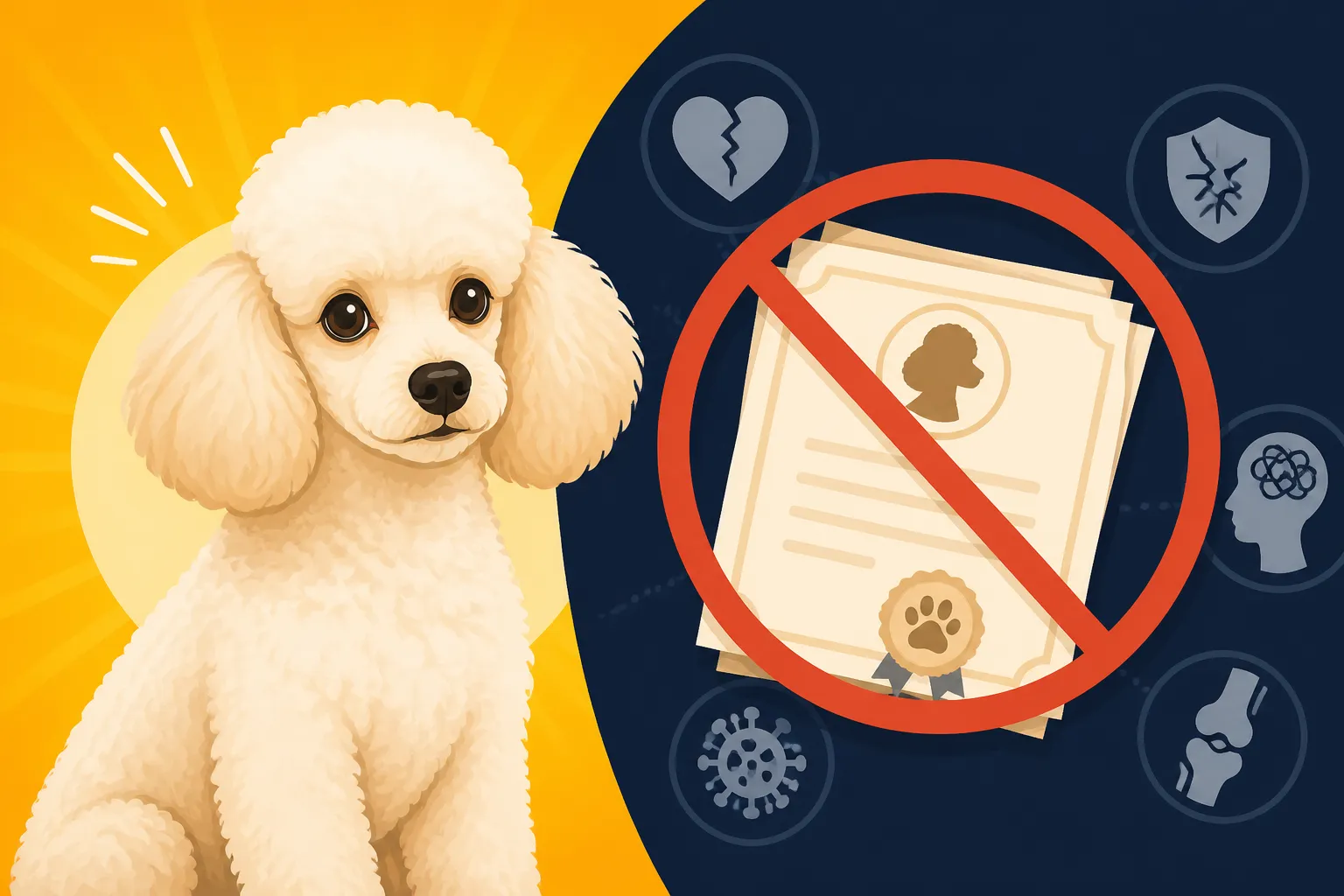
Bringing home a Poodle puppy is an incredibly exciting time, filled with dreams of cuddles, clever tricks, and a loyal companion. Many prospective owners are understandably focused on ensuring their new family member comes with "papers," believing these documents are a bulletproof guarantee of health, temperament, and quality. However, the reality is that Poodle registration papers primarily confirm lineage and pedigree, and they certainly don't offer a blanket assurance for everything a new owner hopes for. This guide aims to demystify what Poodle papers truly mean, what they don't guarantee, and what factors truly contribute to a healthy, happy Poodle.
Understanding What "Poodle Papers" Actually Are
When someone refers to "Poodle papers," they are almost always talking about registration documents from a national kennel club, such as the American Kennel Club (AKC) in the United States or the Canadian Kennel Club (CKC) in Canada. These papers essentially provide a pedigree, a family tree, for your Poodle, linking them back through generations of registered Poodles.
Registration vs. Health Records
It’s crucial to understand that these registration papers are a record of ancestry, not a health certificate. They verify that your Poodle's parents were registered with the same kennel club, and their parents before them, ensuring a purebred lineage. Think of it like a human birth certificate; it confirms who your parents are and where you were born, but it doesn't come with a clean bill of health or a guarantee of future well-being.
Many new owners mistakenly believe that because a Poodle is "papered," it must be healthy or come from exceptional stock. This is a common misconception that can lead to heartbreak and unexpected veterinary bills down the line. A Poodle can be fully registered with a recognized kennel club and still come from lines riddled with genetic health issues if the breeder isn't diligent in health screening.
The Illusion of "Guarantee"
The biggest illusion that "papers" create is that they provide some form of guarantee for the dog itself. They confirm parentage, yes, and they allow you to register your Poodle for events like obedience trials or conformation shows, but they don't promise a specific temperament, an absence of genetic diseases, or even a particular physical quality beyond adherence to breed standards. You could have two fully papered Poodles, and one might be a champion show dog while the other struggles with debilitating health problems. The papers alone simply don't distinguish between these outcomes.
For example, a Poodle's registration papers won't tell you if its parents were tested for Progressive Retinal Atrophy in Miniature Poodles or if its ancestors carried genes for Addison's Disease. These are critical health considerations that go far beyond basic registration.
The Critical Things Poodle Papers Don't Cover
While valuable for tracking lineage and participating in dog sports, Poodle papers fall short in several vital areas that are paramount to a Poodle's long-term health and your happiness as an owner.
Health Beyond the Pedigree
This is perhaps the most significant gap. Poodles, like all purebred dogs, are predisposed to certain genetic conditions. Registration papers, by themselves, don't confirm that a breeder has actively screened for these issues. For instance, Standard Poodles are known for Addison's Disease in Standard Poodles and bloat, while Toy Poodles might be more prone to Luxating Patella in Toy and Miniature Poodles or Collapsing Trachea in a Toy Poodle. A responsible breeder will conduct specific health tests on their breeding stock to minimize the risk of passing these conditions on to puppies. These tests include hip evaluations (OFA or PennHIP), eye certifications (CERF), genetic panels for specific diseases like Von Willebrand's (a bleeding disorder), and thyroid screening. The results of these tests are separate from the registration papers.
A Poodle with papers could still develop serious, costly, and heartbreaking conditions if the breeder hasn't prioritized these health clearances. This is why asking a breeder for proof of health testing – actual certificates from organizations like the Orthopedic Foundation for Animals (OFA) or Canine Health Information Center (CHIC) – is far more important than just seeing registration papers.
Temperament and Training
A piece of paper certainly can't guarantee a Poodle's temperament. Poodles are renowned for their intelligence and often sensitive nature, but individual personalities can vary widely. While good breeding lines can contribute to a stable temperament, papers don't tell you if the parents were well-socialized, if the puppy had positive early experiences, or if it will be prone to shyness, reactivity, or separation anxiety. A Poodle’s personality is a complex mix of genetics, early environment, and ongoing training. A pup from excellent, health-tested lines can still develop behavioral issues if not properly socialized and trained from a young age.
A reputable breeder will carefully assess each puppy's temperament and match them to appropriate homes, ensuring a better fit. They'll also provide guidance on early socialization and training. The breed's inherent intelligence, as highlighted in "Training the Second Smartest Dog Breed," means they absorb a lot, good or bad, very quickly.
The Future: Lifespan and Well-being
No paper can predict the future. While a Poodle's average lifespan might be generally known (Average Poodle Lifespan by Variety), individual dogs can deviate from this. Registration papers don't guarantee that your Poodle will live to a ripe old age, or that it won't face unforeseen illnesses, accidents, or require expensive medical interventions. Even with the best genetic background and health testing, dogs are living beings, and unforeseen circumstances can arise.
The truth is, even a perfectly "papered" and health-tested Poodle is still a living creature, susceptible to the same unpredictable nature of life as any other. Your commitment to good nutrition (perhaps even ordering specialty food from Chewy), regular veterinary care, and a loving environment will have a far greater impact on their long-term well-being than any initial set of documents.
What Matters More Than Just Papers
Given the limitations of registration papers, what should you focus on when looking for a Poodle? The answer lies in the practices of the breeder and your own commitment to due diligence.
The Breeder's Responsibility
An ethical and responsible Poodle breeder is your best assurance for a healthy, well-adjusted puppy, far more than papers alone. They go beyond simply registering their litters. They invest heavily in:
- Extensive Health Testing: They perform all recommended breed-specific health clearances on both parent dogs before breeding. They should be transparent and willing to show you actual certificates for these tests, not just tell you they "do testing." What a Poodle Breeder Must Test For
- Temperament and Socialization: They carefully select breeding dogs not just for looks, but for sound, stable temperaments. They also provide crucial early socialization for their puppies, exposing them to various sights, sounds, textures, and people in a positive way.
- Written Health Guarantees and Contracts: A good breeder will offer a written contract that outlines their responsibilities, often including a health guarantee against specific genetic conditions. This is where real financial and ethical responsibility lies, not in the registration paper itself. Health Clauses in a Poodle Breeder Contract
- Mentorship and Support: Reputable breeders are a lifelong resource. They should be available to answer questions and offer advice for the entire life of your Poodle.
- Waiting Lists and Limited Litters: Ethical breeders often have waiting lists because they breed infrequently and carefully. This isn't a factory; it's a dedicated effort to improve the breed.
When you're searching, prioritize Finding a Poodle Breeder Who Tests over simply finding a breeder who offers "papers." The difference is monumental.
Due Diligence and Education
As a prospective Poodle owner, it's your responsibility to educate yourself beyond just asking about papers.
- Ask for Health Test Results: Insist on seeing OFA/CHIC certifications for hips, elbows, eyes, and any relevant genetic panels (Genetic Panels for the Three Poodle Sizes). Understand what these results mean.
- Meet the Parents: Whenever possible, meet at least the mother (dam) of the puppies. Observe her temperament. Is she friendly, confident, and well-adjusted? This gives you a good indicator of the genetic temperament potential for the puppies.
- Visit the Environment: See where the puppies are raised. Is it clean, stimulating, and part of the home? Puppies raised in isolation or unsanitary conditions, even with papers, can develop serious behavioral or health problems.
- Understand Breed-Specific Needs: Research the Poodle breed thoroughly. Are you prepared for the extensive grooming requirements? The need for mental stimulation? Their sensitive nature? A Poodle requires significant commitment.
- Don't Fall for "Rare Color" Premium Scams: While Poodles come in many beautiful colors, some breeders charge exorbitant prices for "rare" colors like phantom or parti, often at the expense of health testing. Registration papers don't make these colors inherently healthier or more valuable.
The Puppy's Early Environment
The first 8-12 weeks of a Poodle puppy's life are incredibly formative. During this critical socialization window, puppies learn about the world, develop bite inhibition, and begin to form their personalities. A breeder who keeps puppies in a sterile, isolated environment, even if they have perfect papers, is doing a disservice to their dogs. Puppies need consistent, positive exposure to household sounds, gentle handling, and appropriate interaction with other dogs and people. This early foundation contributes significantly to a well-adjusted adult Poodle. This is the period that truly sets the stage for a dog's future, far more than a lineage document.
Navigating the Poodle World Beyond Registration Documents
Once you understand that registration papers are just one piece of the puzzle, you can focus on building a strong foundation for your Poodle's health and happiness.
Genetic Testing and Health Clearances
The gold standard for responsible breeding goes beyond merely having "papered" parents. It's about comprehensive health clearances. For Poodles, this typically involves:
- Hip and Elbow Dysplasia: Evaluations by OFA or PennHIP.
- Eye Exams: Annual exams by a board-certified veterinary ophthalmologist (CERF/OFA Eye).
- Thyroid Testing: To screen for hypothyroidism.
- Genetic Disease Panels: DNA tests for conditions like Progressive Retinal Atrophy (PRA), Von Willebrand Disease (vWD), and Neonatal Encephalopathy with Seizures (NEwS). These tests directly identify if a dog carries genes for specific diseases.
A breeder who provides clear, verifiable results for these tests demonstrates a genuine commitment to the health of their Poodle lines. This is a far stronger "guarantee" of a healthy puppy than any registration paper. If a breeder is hiding the sire or refusing to provide these test results, it's a huge red flag. What a Poodle Breeder Hiding the Sire Is Hiding
| Feature | Poodle Registration Papers Confirm | Responsible Breeding Practices Address |
|---|---|---|
| Lineage | Yes, purebred ancestry and family tree | Yes, with emphasis on healthy, temperamentally sound ancestors |
| Health Guarantees | No, not directly | Yes, through extensive health testing of parents and written contracts |
| Genetic Diseases | No, doesn't certify absence | Yes, screens breeding stock to minimize risk of passing on known conditions |
| Temperament | No, doesn't predict individual personality | Yes, by selecting sound parents and providing early socialization |
| Physical Quality | Indicates adherence to breed standard for show purposes | Selects for breed type, health, and function (e.g., proper coat texture) |
| Breeder Ethics | No, merely confirms registration status | Yes, through transparency, ongoing support, and dedication to the breed |
Why Price Doesn't Always Equal Quality
It's a common trap to assume that a very expensive Poodle puppy must automatically be well-bred and healthy. Conversely, a suspiciously cheap Poodle might seem like a bargain. However, price alone is a poor indicator of quality. An ethical breeder invests significantly in health testing, quality food, veterinary care for their breeding dogs, and proper puppy raising, which translates into a higher, but justified, puppy price.
On the other hand, someone selling "papered" Poodles at a low price might be cutting corners on health testing or proper care, using the papers as a façade. Conversely, some charge exorbitant prices for "rare" colors without any regard for health, simply because the color is trendy. Always remember, Why a Cheap Poodle Usually Means No Testing. The actual value comes from the health, temperament, and ethical backing of the breeder, not just the number on the price tag or the presence of a registration certificate.
Ongoing Care and Prevention
Ultimately, the long-term health and well-being of your Poodle depend largely on the care you provide. Even the most perfectly bred Poodle needs consistent preventive care.
- Nutrition: A high-quality diet is fundamental. Whether you choose kibble, raw, or fresh food, ensure it meets your Poodle's nutritional needs. Many Poodle owners find excellent options and supplies, from specialized food to enrichment toys, on sites like Chewy.
- Veterinary Care: Regular check-ups, vaccinations (Poodle Vaccination and Preventive Schedule), and preventive medications are non-negotiable. Don't skip these, even if your Poodle seems perfectly healthy.
- Grooming: Poodles require extensive, regular grooming to prevent painful matting and skin issues. This is a commitment that lasts their entire life. Budgeting for a Poodle Coat That Never Stops
- Exercise and Mental Stimulation: Poodles are intelligent and active dogs. They need daily physical exercise and, crucially, mental challenges to thrive. A bored Poodle is often a destructive Poodle.
- Training and Socialization: Continue positive reinforcement training and expose your Poodle to new experiences throughout their life to maintain a confident, well-adjusted companion.
While Poodle papers are a part of purebred dog ownership, they are a minor detail compared to the immense responsibility and joy of choosing a Poodle from a truly ethical breeder and committing to their lifelong care. Focus on the substance: the health, temperament, and integrity behind the puppy, and you'll set yourself up for many wonderful years with your clever, curly companion.
Disclaimer
This article is for general informational purposes only and does not constitute professional advice. Laws, prices and regulations vary by location and change over time. Consult a qualified professional for guidance on your specific situation.