Swimming With a Poodle
Many Poodle owners find themselves wondering if their elegant, often meticulously groomed companions are truly keen on getting wet. While Poodles were historically bred as fierce water retrievers, it's not always intuitive to imagine them happily splashing about. This guide will walk you through everything you need to know about safely introducing your Poodle to water, ensuring their health, and making swim time a joyous and enriching experience for both of you.
The Poodle's Natural Water Instinct
It might surprise some, seeing Poodles in their elaborate show clips, but these dogs have a deep, historical connection to water. Their very name comes from the German word "Pudel" or "Pudeln," meaning "to splash in water." They were originally bred in Germany as waterfowl retrievers, diving into icy waters to fetch ducks for hunters. This isn't just a fun fact; it's a testament to their innate abilities and love for the water.
A History of Water Retrieval
Think about the iconic Poodle clip – the poufs of hair on the joints and chest. These weren't just for aesthetics back in the day. These strategically left patches of fur were designed to protect vital organs and joints from the cold water, while the shorn areas reduced drag and prevented matting that could weigh the dog down. This practical origin story highlights just how central water work was to the Poodle's purpose. Even today, many Poodles retain that strong retrieving drive and natural swimming ability. The Water Dog Behind the Poodle delves deeper into this fascinating history.
Despite their modern image, the Poodle's physical conformation is still perfectly suited for swimming. They have strong, athletic bodies, webbed feet (though not as pronounced as some other water breeds), and a dense, curly coat that, while prone to matting if not cared for, provides insulation. This combination makes them agile and efficient swimmers, capable of sustained activity in the water. For many Poodles, a dip in the lake or a swim in the pool is not just exercise, but a deeply satisfying engagement of their natural instincts.
Why Some Poodles Still Hesitate
While the ancestral call of the water is strong, not every Poodle will immediately leap into the nearest pond with gusto. Modern Poodles live very different lives from their hunting ancestors, and early socialization plays a huge role in how they perceive water. A Poodle puppy who hasn't been exposed to water in a positive way might be wary, just like any other dog. They might associate water with baths, which aren't always a Poodle's favorite activity due to the extensive grooming involved, rather than a fun play experience.
It’s also crucial to remember that each Poodle is an individual. Some might be natural water babies, while others prefer to dip a toe in and call it a day. Factors like a scary first experience, a lack of confidence, or even just a particular personality trait can make a Poodle hesitant. It's our job as owners to approach water introduction with patience, positive reinforcement, and a focus on safety, never forcing them into a situation that causes fear or stress. Building trust and making it a game is key to overcoming any initial reservations.
Essential Gear for Safe Poodle Swimming
Safety is paramount when your Poodle is around water, whether it's a backyard pool or a vast lake. Just like with humans, a little preparation and the right equipment can make all the difference between a fun, safe swim and a potentially dangerous situation. Never assume your Poodle is an expert swimmer just because they're a Poodle; even the most athletic dogs can encounter unforeseen challenges in the water.
Choosing the Right Life Vest
A well-fitting life vest or flotation device is, in my opinion, non-negotiable for almost all Poodles, especially when they are first learning to swim, in open or moving water, or if they are older or have health concerns. Even strong swimmers can get tired, caught in currents, or disoriented. A good life vest provides buoyancy, helps keep their head above water, and often includes a handle on the back, which is incredibly useful for lifting them out of the water or guiding them if they get into trouble.
When selecting a life vest, look for one that fits snugly but doesn't restrict movement. It should have adjustable straps around the neck and chest, and ideally, under the belly. Bright colors are a bonus for visibility. Many reputable pet supply retailers, like Chewy, offer a wide range of sizes and styles for Poodle breeds, from the smallest Toy Poodle to the largest Standard. Ensure it's comfortable for your Poodle to wear for extended periods, and introduce it to them slowly, letting them wear it around the house for short stints before heading to the water.
Safety Considerations Beyond the Vest
Beyond the life vest, there are other critical safety factors. Always supervise your Poodle actively. Never leave them unattended near water, even for a moment. If swimming in a pool, ensure they know how to get out – teach them where the steps are and guide them repeatedly until they can exit independently. For natural bodies of water, be aware of currents, slippery banks, submerged debris, and potential wildlife. Daily Exercise for a Standard Poodle discusses the importance of varied physical activity, and swimming can be a great, low-impact option if done safely.
Consider the water quality as well. Stagnant ponds can harbor harmful bacteria or algae, while strong currents in rivers or oceans can be dangerous. Have fresh water available for them to drink, to prevent them from ingesting lake or pool water, which can cause stomach upset. After swimming, make sure they aren't shivering excessively, and always ensure they have a comfortable, warm spot to rest. Hypothermia can be a risk, especially for Poodles with short clips in colder water.
Post-Swim Poodle Care: Keeping Them Healthy
The joy of a Poodle swimming session is often followed by the necessary ritual of post-swim care. Their unique coat, while fantastic for insulation in the water, demands diligent attention to prevent mats, skin irritations, and ear infections. Skipping these steps can quickly turn a fun activity into a veterinary visit.
Rinsing Chlorine From a Poodle Coat
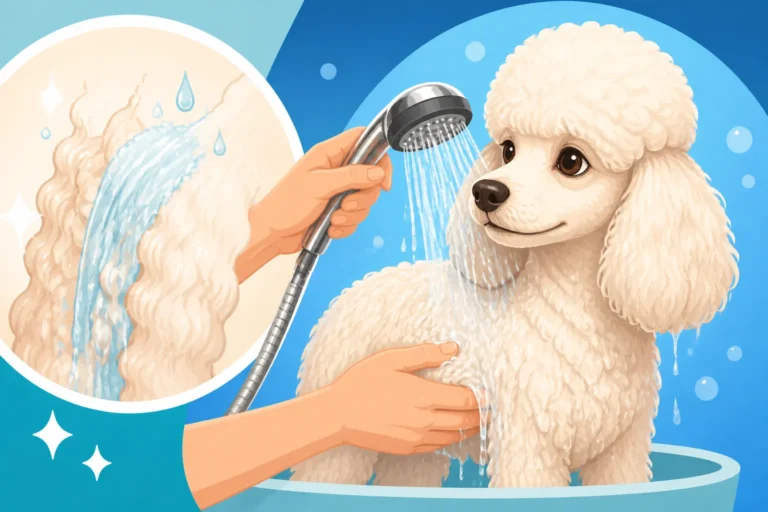
If your Poodle has been swimming in a chlorinated pool, rinsing them thoroughly afterward is absolutely essential. Chlorine can strip the natural oils from their coat, leading to dryness, irritation, and even skin problems. It can also make their beautiful Poodle coat brittle and more prone to breakage and matting. Use lukewarm water to rinse every inch of their body, making sure to get deep into the curls. You might even consider a gentle, moisturizing dog shampoo and conditioner specifically designed to counteract the drying effects of chlorine.
For Poodles who've been in saltwater, the same rule applies. Salt can be incredibly drying and irritating to their skin and coat. A thorough rinse with fresh water will help remove the salt residue. Even if your Poodle has been in a lake or river, a quick rinse isn't a bad idea to wash off any mud, debris, or potential pollutants from their coat. Investing in a good quality, gentle shampoo, perhaps from a selection available on Chewy or Amazon, can make this process easier and more effective, ensuring their skin and coat remain healthy. Rinsing Chlorine From a Poodle Coat delves into the specifics of this crucial step.
Drying Your Poodle Thoroughly
This is arguably the most critical step in post-swim care for a Poodle. Their dense, curly coat, if left to air dry, will mat faster than you can say "Poodle clip." Mats trap moisture against the skin, creating a perfect breeding ground for bacteria and yeast, leading to hot spots and skin infections. A thoroughly dried Poodle is a healthy Poodle. Start by towel-drying as much as possible, gently squeezing water from the coat rather than rubbing vigorously, which can encourage tangles.
Next, use a dog-specific high-velocity dryer, if you have one, or a human hairdryer on a cool or low-heat setting, keeping it moving constantly to avoid burning the skin. As you dry, line brush the coat to ensure air reaches down to the skin. This not only prevents matting but also fluffs the coat, helping it dry completely. Pay special attention to areas prone to matting like the armpits, behind the ears, and the groin. If drying seems daunting, remember that mastering this technique will save you immense frustration and grooming bills down the line. Drying a Poodle Straight provides more details on proper drying techniques.
Preventing Poodle Ear Infections
Poodles have those lovely, long drop ears that, unfortunately, create a warm, moist environment ripe for ear infections. Water trapped in the ear canal after a swim is a primary culprit. After every swim, and thoroughly drying the outer ear, it's vital to clean their ears with a veterinarian-approved ear cleaner. Gently lift the ear flap, apply the cleaner as directed, and massage the base of the ear to help break up any wax or debris. Then, use a cotton ball or gauze to wipe away the excess, never pushing anything down into the ear canal.
Signs of an ear infection include head shaking, scratching at the ears, redness, swelling, or a foul odor. If you notice any of these, consult your vet immediately. Regular ear cleaning, especially after water exposure, is your best defense. Some Poodles also grow hair deep inside their ear canals, which can trap even more moisture. Discuss with your groomer or vet whether plucking this hair is appropriate for your individual Poodle. Plucking and Cleaning Poodle Ears offers comprehensive advice on this topic.
Ideal Swimming Environments for Poodles
Not all water is created equal when it comes to Poodle swimming. Understanding the pros and cons of different environments can help you choose the safest and most enjoyable spots for your curly-coated companion. From the controlled conditions of a pool to the unpredictable nature of open water, each setting presents its own considerations.
Pools Versus Natural Bodies of Water
Let's break down the common swimming spots:
| Feature | Backyard Pool (Chlorinated) | Backyard Pool (Saltwater) | Lake/Pond | Ocean/Sea | River |
|---|---|---|---|---|---|
| Pros | Controlled environment, clear visibility, easy exit points | Gentler on skin/coat, less harsh than chlorine, clear | Natural, enriching experience, often good for retrieval | Vast space, stimulating, good for strong swimmers | Flowing water, good exercise, natural |
| Cons | Chlorine can dry skin/coat, potential for chemical ingestion | Still requires rinsing, can be drying for some | Stagnant water risks (algae, bacteria), hidden debris, unclear depth | Strong currents, tides, marine life, salt ingestion, drying | Strong currents, rapids, hidden debris, cold water, unclear depth |
| Poodle Specific | Thorough rinsing and drying crucial for coat and ears | Rinsing and drying still important, less harsh | Check for parasites, algae blooms, unknown contaminants | Saltwater mats coat quickly, extra rinsing, ear care | Observe current strength carefully, potential for getting swept |
| Supervision | Always, teach exit points | Always, teach exit points | Vigilant, check water quality | Constant, be aware of tides | Constant, aware of currents and hazards |
Pools offer a controlled environment, which is excellent for Poodles learning to swim or for those who need a predictable experience. You can easily teach them where to enter and exit, and the water quality (usually) is managed. The main downsides are the effects of chlorine or salt on their coat, which, as discussed, requires diligent rinsing and drying. Always have a designated entry/exit point, such as a ramp or steps, that your Poodle can easily use to get out on their own.
Natural bodies of water like lakes, rivers, or the ocean offer a more stimulating and natural experience. Many Poodles absolutely thrive on the sensory input of open water, the smells, and the expansive space. However, these environments come with more variables and potential hazards. Knowing the specific risks of each type of water body is crucial before letting your Poodle dive in.
Avoiding Hazards in Open Water
When you choose to let your Poodle swim in open water, you're embracing the wild, but you also need to be a hyper-vigilant protector. Lakes and ponds can be breeding grounds for blue-green algae, which is highly toxic and can be fatal if ingested. Always check local advisories and visually inspect the water for any greenish scum before allowing your Poodle in. Leptospirosis, a bacterial disease, can also be present in stagnant or contaminated water, so ensure your Poodle's vaccinations are up to date.
Rivers and oceans carry the risk of strong currents and tides. Even the strongest swimmer can be overwhelmed. Always assess the water movement, and if in doubt, keep your Poodle on a long leash or away from the water's edge. Debris, broken glass, or sharp rocks can be hidden beneath the surface, posing a risk to their paws. It’s always a good idea to scout the area first and stick to designated pet-friendly swimming spots. Remember that consuming too much salt water can lead to salt poisoning, so always carry fresh water for them to drink. For active Poodles, Ollie or another high-quality fresh food diet can help ensure they have the energy and robust health to recover from such adventures, but prevention is always the best medicine.
Training and Fun in the Water
While Poodles are naturally inclined to water, making it a positive and enjoyable experience often requires a gentle introduction and some playful encouragement. Turning swim time into a bonding activity can strengthen your relationship and provide excellent physical and mental stimulation for your Poodle.
Introducing a Poodle to Water Gently
Never, ever throw a Poodle into the water. This can be a traumatic experience that instills a lifelong fear. The goal is to build confidence and a positive association with water. Start small: a shallow kiddie pool, or the shallow end of a swimming pool. Use treats, toys, and lots of verbal praise to make it fun. Let them wade in on their own terms. You can get in the water with them, making it a shared experience. Bring their favorite waterproof toy, perhaps one you found on Amazon, to encourage them to interact with the water as a fun play zone. Introducing a Poodle to Water covers more techniques for this initial phase.
For a hesitant Poodle, even just sitting by the edge and dipping their paws can be a huge step. Gradually increase the depth and duration. If they show any signs of fear or discomfort, back off and try again another day. Patience is your most important tool. Some Poodles respond well to seeing other confident dogs swim, so a well-managed group swim with a dog-savvy friend might also be an option. The key is to make every interaction with water a choice they make, rewarded with praise and positive reinforcement.
Water Games and Retrieval Training
Once your Poodle is comfortable and confident in the water, you can really lean into their natural retrieving instincts. Fetch games in the water are an excellent way to provide intense exercise and mental engagement without putting stress on their joints, especially beneficial for breeds like Standard Poodles who need significant activity. Toss a floating toy a short distance, encourage them to retrieve it, and lavish them with praise when they bring it back. Gradually increase the distance as their stamina and confidence grow.
Many Poodles also enjoy simply splashing and playing in the water. Some might love diving for submerged toys in clear water. Consider enrolling in dog dock diving or water retrieval classes if your Poodle really takes to it. These structured activities provide a fantastic outlet for their intelligence and athleticism, turning a fun hobby into a competitive sport if you choose. Remember, the Poodle is a smart dog and loves having a "job," and water work can be incredibly fulfilling for them. The Poodle's Retrieving Instinct goes into detail about harnessing this inherent drive.
Disclaimer
This article is for general informational purposes only and does not constitute professional advice. Laws, prices and regulations vary by location and change over time. Consult a qualified professional for guidance on your specific situation.