Vaccine Doses and the Two Pound Toy Poodle
Bringing home a tiny Toy Poodle, especially one weighing a mere two pounds, is a joyous occasion, but it also comes with a unique set of worries. One common concern that keeps new owners up at night is navigating their vaccination schedule. It's completely normal to feel a bit overwhelmed or even anxious about how standard vaccine doses might affect such a delicate, miniature companion. This guide aims to shed light on how veterinarians approach vaccine doses for your tiny two-pound Toy Poodle, addressing your fears and providing practical, realistic insights.
The Unique Challenges of Vaccinating Tiny Toy Poodles
When you have a dog that fits in the palm of your hand, everything feels magnified, especially when it comes to medical procedures. Standard veterinary protocols are often designed with average-sized dogs in mind, and applying them directly to a two-pound Toy Poodle can feel counter-intuitive or even dangerous. This isn't just an owner's gut feeling; there are genuine physiological differences to consider.
Why Size Matters for Vaccine Protocols
The sheer metabolic differences between a Great Dane and a two-pound Toy Poodle are vast. While vaccine manufacturers usually provide a single dose recommendation regardless of weight, many veterinarians recognize that the immune response and potential for side effects can vary significantly in very small dogs. Your little Poodle's body processes medications and antigens differently. A dose designed to stimulate immunity in a 50-pound dog might present a larger immunological challenge for a dog 25 times smaller, potentially leading to a more pronounced reaction or, conversely, an altered immune response.
This is why an experienced veterinarian will often exercise discretion. They might not be able to technically reduce the volume of a vaccine, as a partial dose might not confer adequate immunity. However, they might adjust the schedule or the combination of vaccines given at one time. This careful approach acknowledges that while vaccines are vital for protection, minimizing stress on a tiny system is equally important. Discussing your concerns openly with your vet is crucial; they should be willing to explain their rationale and work with you to find the safest, most effective plan for your minuscule marvel. You can find more general advice on a comprehensive approach in our article on Poodle Vaccination and Preventive Schedule.
The Fear of Over-Vaccination in Small Breeds
The concern about "over-vaccination" isn't a new one, especially for owners of smaller breeds. Historically, dogs were vaccinated annually for everything, often without considering individual risk or existing immunity. While modern veterinary medicine has largely moved towards three-year protocols for core vaccines and a more tailored approach, the worry persists, particularly when dealing with an animal as fragile as a two-pound Toy Poodle. Owners often fear that repeated exposure to multiple antigens could overwhelm their tiny pet's nascent or delicate immune system, leading to adverse reactions ranging from mild lethargy to more serious autoimmune issues.
This fear is amplified by the sheer physical size. A common side effect like swelling at the injection site, which might be a minor bump on a larger dog, can appear quite significant and alarming on a tiny Poodle. Owners also worry about fever, decreased appetite, or even collapse in such small animals. These anxieties are valid, and reputable veterinarians will take them seriously. They understand that while protection is key, the potential for discomfort or adverse events, however rare, is a significant concern for you as an owner.
Understanding Core and Non-Core Vaccines for Tiny Poodles
Navigating the world of vaccines can be confusing with all the different names and recommendations. For your two-pound Toy Poodle, understanding the distinction between core and non-core vaccines is particularly important, as it helps you and your vet make informed decisions based on your dog's specific needs and lifestyle.
Core Vaccines and Legal Requirements
Core vaccines are considered essential for all dogs, regardless of their lifestyle or geographic location, because they protect against diseases that are highly contagious, severe, and widespread. For Poodles, like all dogs, these typically include:
- Distemper: A severe viral disease affecting the respiratory, gastrointestinal, and nervous systems.
- Adenovirus (Hepatitis): Protects against infectious canine hepatitis, a serious liver disease.
- Parvovirus: A highly contagious and often fatal viral disease that attacks the intestinal tract.
- Rabies: A fatal viral disease that is zoonotic (can be transmitted to humans) and legally mandated in most places.
For your two-pound Toy Poodle, these core vaccines are absolutely critical. While the thought of injecting such a small body can be daunting, the risks associated with contracting any of these diseases far outweigh the potential for vaccine side effects. A tiny Poodle puppy is especially vulnerable to diseases like parvovirus, which can quickly become lethal. Your vet will follow a protocol to ensure your little one builds robust immunity. Usually, puppies receive a series of these combination vaccines (often abbreviated as DHPP or DAPP) starting around 6-8 weeks, with boosters every 3-4 weeks until they are about 16 weeks old. The rabies vaccine is typically given once your puppy is a bit older, often around 12-16 weeks, and then boosted according to local laws, usually every one or three years. For more specific advice on timing shots, you might find our article on Spacing Shots for a Two Pound Toy Poodle helpful.
Non-Core Vaccines and Lifestyle Assessment
Non-core vaccines, on the other hand, are recommended based on a dog's exposure risk. This is where the individuality of your two-pound Toy Poodle truly comes into play. If your tiny Poodle lives primarily indoors, doesn't frequent dog parks, boarding facilities, or wilderness areas, their need for certain non-core vaccines might be minimal or non-existent.
Common non-core vaccines include:
- Bordetella (Kennel Cough): Recommended for dogs who frequent grooming salons, doggy daycare, boarding kennels, or dog parks.
- Leptospirosis: Important for dogs exposed to wildlife, stagnant water, or rural environments where the bacteria are prevalent.
- Lyme Disease: For dogs in areas with a high tick population and outdoor exposure.
- Canine Influenza: For dogs with a high risk of exposure, often similar to Bordetella.
When considering these for your two-pound Poodle, a thorough discussion with your vet about your Poodle's lifestyle is essential. For instance, a Toy Poodle in an urban apartment with limited dog-to-dog contact might not need a Leptospirosis vaccine, which can sometimes have more reactivity in small breeds. Conversely, if you live in a rural area and take your tiny companion hiking, Leptospirosis and Lyme might be highly recommended. Always weigh the potential benefits against any perceived risks, especially with such a small dog.
Adjusting Vaccine Protocols for a Two-Pound Poodle
The standard "one-size-fits-all" approach to veterinary care often needs finessing when it comes to exceptionally small dogs. For your two-pound Toy Poodle, a careful, customized vaccination plan is paramount to ensure both adequate protection and minimal stress on their tiny system.
Titering as an Alternative
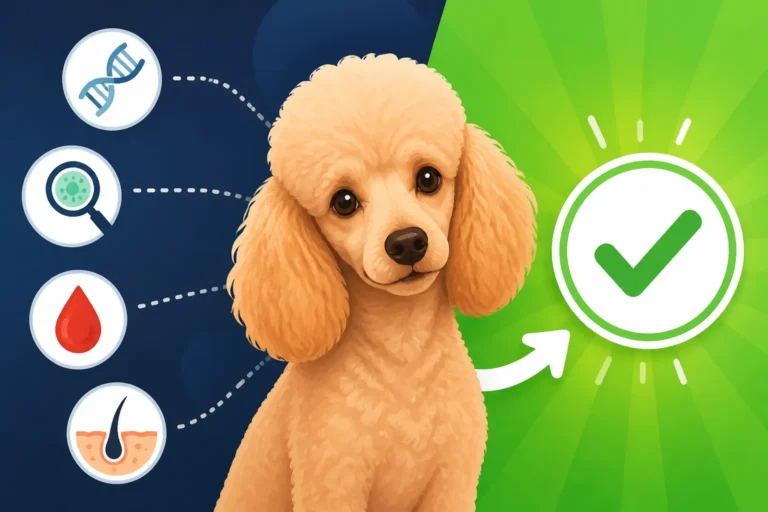
For owners who are particularly concerned about repeated vaccinations, especially after the initial puppy series, antibody titering offers a valuable alternative. A titer test is a blood test that measures the level of antibodies circulating in your Poodle's bloodstream for specific diseases, such as Distemper and Parvovirus. A sufficiently high titer indicates that your dog still has protective immunity and may not need a booster shot at that time.
While titer tests aren't typically performed for rabies due to legal requirements (most jurisdictions mandate rabies vaccination regardless of titer results), they can be an excellent way to determine if your two-pound Poodle has sufficient protection against other core diseases without subjecting them to another vaccine dose. This can be especially reassuring for owners of very small dogs, as it allows for a data-driven approach to vaccination, ensuring your precious Poodle is protected without unnecessary exposure. It’s a discussion worth having with your vet, particularly once your Poodle has completed their initial puppy series and is moving into adult maintenance.
Staggering Vaccinations and Monitoring for Reactions
One of the most common adjustments veterinarians make for tiny dogs like your two-pound Toy Poodle is staggering vaccinations. Instead of administering multiple vaccines at once, which can sometimes overwhelm a small immune system, your vet might recommend spacing them out. For example, they might give the DHPP vaccine on one visit and the rabies vaccine a few weeks later, rather than both on the same day. This reduces the number of antigens your Poodle is exposed to simultaneously, potentially lessening the chance or severity of a reaction.
Careful monitoring for reactions is also crucial. After any vaccination, especially for a tiny Poodle, you'll want to watch them like a hawk. Normal, mild reactions might include:
- Lethargy or tiredness
- Mild fever
- Slight decrease in appetite
- Soreness or a small lump at the injection site
These usually subside within 24-48 hours. However, for a two-pound Poodle, even mild reactions can seem more intense. Keep an eye out for more serious signs like facial swelling, hives, persistent vomiting or diarrhea, difficulty breathing, or collapse. These are signs of an allergic reaction and require immediate veterinary attention. Having a plan in place, and possibly even discussing pre-treatment with antihistamines with your vet for particularly sensitive dogs, can provide peace of mind. Investing in pet insurance like Healthy Paws can also offer significant relief, helping to cover unexpected emergency vet bills should an adverse reaction occur. This way, you're prepared for the best care without financial strain.
| Vaccine Type | Standard Schedule (Average Dog) | Adjusted Schedule (2-lb Toy Poodle) | Rationale for Adjustment |
|---|---|---|---|
| DHPP | Series of 3-4 shots (6-16 wks) | Series of 3-4 shots (6-16 wks), often given separately from Rabies | Reduces immune system burden for tiny dogs, allows for individual monitoring |
| Rabies | 1 shot (12-16 wks), then 1 or 3-year boosters | 1 shot (12-16 wks), often given 2-3 weeks after last DHPP | Minimizes combined systemic reaction potential; legal mandate |
| Non-Core (e.g., Lepto) | Based on risk, often annual | Based on very specific risk, often staggered or titered | Higher potential for reactions in tiny breeds; only vaccinate if truly exposed |
| Titering | Optional, often for adult boosters | Highly recommended for adult core vaccine boosters (except Rabies) | Determines existing immunity, avoids unnecessary vaccination, reduces load |
The Role of Your Veterinarian
Your veterinarian is your most valuable partner in this process. For a two-pound Toy Poodle, finding a vet with specific experience and a nuanced understanding of tiny breeds is non-negotiable. Not all vets approach these cases with the same level of caution or customized care. A good vet will:
- Discuss your lifestyle: They'll ask detailed questions about where your Poodle goes, who they interact with, and your local disease prevalence to assess risk.
- Explain risks and benefits: Clearly outline the pros and cons of each vaccine for your tiny Poodle, including potential side effects.
- Offer alternatives: Be open to discussions about titering or staggering vaccines.
- Be reachable: Provide clear instructions for what to do if you observe an adverse reaction and ensure their team is prepared.
Never hesitate to ask questions or seek a second opinion if you feel your concerns are not being adequately addressed. Your Poodle's health and comfort are paramount, and a trusting relationship with your vet is the foundation for ensuring they receive the best possible care. Remember, they are uniquely fragile, and even something like Hypoglycemia in a Toy Poodle Puppy can be exacerbated by stress.
Post-Vaccination Care and What to Expect
Even with the most careful planning, vaccinations can be a little stressful for both you and your two-pound Toy Poodle. Knowing what to expect and how to provide the best post-vaccination care can make a huge difference in their comfort and your peace of mind.
Normal Side Effects and When to Worry
It's common for your two-pound Poodle to experience some mild side effects after vaccination. These are usually a sign that their tiny immune system is doing its job and building protection. Typical, mild reactions might include:
- Lethargy: Your Poodle might be more sleepy or less active than usual. This can range from mild drowsiness to needing extra naps.
- Reduced Appetite: They might not be as eager to eat their regular meal. Offer something bland and tempting, like boiled chicken, if needed.
- Mild Fever: A slightly elevated temperature can occur.
- Soreness or Swelling at the Injection Site: You might feel a small, firm lump or see slight redness where the shot was given. This usually isn't painful, but avoid touching it unnecessarily.
- Mild Discomfort: They might be a bit "off" their game for a day or two.
These symptoms usually resolve within 24-48 hours. However, because your Poodle is so tiny, you need to be extra vigilant. If you notice any of these signs persisting beyond 48 hours, or if they worsen, it's time to call your vet.
When to Worry (Seek Immediate Veterinary Care):
- Facial Swelling or Hives: Any swelling around the muzzle, eyes, or development of itchy bumps on the skin.
- Difficulty Breathing: Wheezing, rapid breathing, excessive panting, or blue-tinged gums.
- Persistent Vomiting or Diarrhea: Especially if accompanied by weakness.
- Collapse or Extreme Weakness: Inability to stand, disorientation, or profound lethargy.
- Pale Gums: A sign of potential shock or severe reaction.
- Loss of Consciousness: This is an extreme emergency.
These severe reactions, though rare, can indicate an anaphylactic response and require immediate medical intervention. For tiny dogs, such reactions can escalate rapidly, so don't delay. Having pet insurance like Healthy Paws in place can mean you don't have to hesitate about seeking emergency care due to financial concerns, giving you crucial peace of mind.
Emergency Preparedness
Being prepared for the unexpected is key, especially when you have a delicate two-pound Poodle. After a vaccination, ensure you have your vet's emergency number readily available, and know the route to the nearest emergency veterinary clinic.
- Stay Home and Observe: Plan to stay home with your Poodle for several hours after their vaccines, if possible. This allows you to monitor them closely for any immediate reactions.
- Comfort and Quiet: Provide a quiet, warm, comfortable space for your Poodle to rest. Minimize excitement or strenuous activity for the rest of the day.
- Hydration: Ensure they have easy access to fresh water. If they're reluctant to drink, you can offer ice chips or a little low-sodium chicken broth.
- Emergency Contact: Have your vet's contact information, and if applicable, the details of your pet insurance provider like Healthy Paws, immediately accessible.
- Glucose Gel: For Toy Poodle puppies, who are prone to low blood sugar, ensure you have glucose gel on hand, especially if they are off their food. Even a small drop in energy can quickly turn into a critical situation. Learn the Signs of Low Blood Sugar in a Toy Poodle Puppy and how to administer emergency sugar.
While it's easy to get anxious about vaccinations for such a tiny creature, remember that the benefits of protecting your Poodle from serious diseases far outweigh the risks of adverse reactions. By working closely with a knowledgeable vet, making informed decisions, and being prepared, you can ensure your two-pound Toy Poodle stays healthy and happy. Our article on Caring for an Aging Poodle also emphasizes how early preventive care impacts long-term health. Don't forget that recognizing even subtle changes in a sensitive Poodle is vital for their well-being, as discussed in Reading Pain in a Sensitive Poodle.
Disclaimer
This article is intended for informational purposes only and is not a substitute for professional veterinary advice. Always consult with your veterinarian regarding any medical concerns or before making any decisions about your Poodle's health, diet, or vaccination schedule. Individual needs and health conditions can vary.