Signs of Low Blood Sugar in a Toy Poodle Puppy
The tiny, energetic presence of a Toy Poodle puppy brings so much love and laughter into a home, but their delicate size also means they are incredibly vulnerable to certain health concerns that might not be as critical for larger breeds. Among the most frightening of these is hypoglycemia, a sudden and dangerous drop in blood sugar that can rapidly escalate if not recognized and treated quickly. This comprehensive guide will equip you with the knowledge to identify the early, often subtle signs of low blood sugar in your precious Toy Poodle puppy, understand its causes, and know exactly how to respond in an emergency.
The Alarming Reality of Hypoglycemia in Toy Poodle Puppies
For any new Toy Poodle owner, the phrase "low blood sugar" can send a shiver down their spine, and for good reason. It’s a very real and potentially life-threatening condition, particularly in puppies under six months old. The fear is valid; these tiny creatures simply don't have the same physiological reserves as their larger counterparts, making them susceptible to rapid changes in their internal chemistry.
Why Tiny Poodles are Uniquely Vulnerable to Blood Sugar Crashes
Think about it: a Toy Poodle puppy might weigh as little as a pound or two in those crucial first weeks and months. Their small bodies are working overtime, growing at an astonishing rate, which requires a constant, steady supply of energy in the form of glucose. Unlike adult dogs, puppies, especially those of miniature and toy breeds, have very limited fat reserves and immature livers. The liver is the primary organ responsible for producing and storing glucose, releasing it into the bloodstream as needed. When a puppy's liver isn't fully developed, or if their energy demands suddenly outweigh their supply, their blood sugar can plummet.
This isn't just about their size; it's about their entire metabolic system being in overdrive for growth. Their high metabolism burns through calories at an incredible rate, making continuous fuel intake absolutely essential. It's a tightrope walk for their tiny systems, and any slight imbalance can throw them off. This unique vulnerability is why understanding Blood Sugar Crashes in a Toy Poodle is so important for every owner.
Common Triggers for a Sudden Drop in Glucose Levels
Hypoglycemia isn't usually a random event; it's often a direct response to certain stressors or changes in a puppy's routine. Identifying these triggers can help you prevent episodes before they even start.
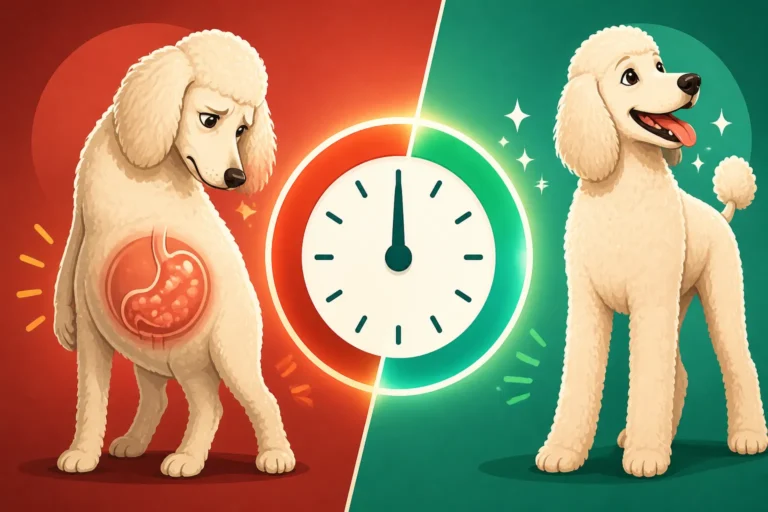
One of the most common culprits is simply missing meals or inadequate feeding. Puppies, especially very young ones, need to eat frequently, often every few hours, to maintain their glucose levels. If they skip a meal, or if their food intake is insufficient for their energy demands, their blood sugar can drop. This is why consistent feeding is paramount, and understanding How Often a Toy Poodle Puppy Must Eat is a cornerstone of preventative care.
Another significant trigger is stress. This can come in many forms: a new environment, car travel, excessive handling, vigorous play, or even the stress of vaccinations. Imagine a tiny puppy experiencing the bustling activity of a new home; it can be overwhelming. Stress causes the body to release hormones that can rapidly deplete glucose stores. Even something as routine as Spacing Shots for a Two Pound Toy Poodle needs careful consideration to minimize stress.
Over-exertion or excessive play can also lead to hypoglycemia. While puppies need exercise, too much strenuous activity without sufficient rest and caloric intake can burn through their limited glucose reserves quickly. Think of a toddler running around non-stop; they crash, and so can a puppy.
Lastly, illness or infection can precipitate a blood sugar crash. When a puppy is fighting off an infection, or experiencing issues like diarrhea or vomiting, their body is under immense strain, rapidly using up glucose while also often being unable to keep food down. Parasites can also contribute by interfering with nutrient absorption. Any underlying health issue should be monitored closely, as it can be a gateway to hypoglycemia.
Spotting the Subtle First Signs of Trouble
The key to successfully managing hypoglycemia is early detection. Toy Poodle puppies, being naturally sensitive, might not always make their discomfort obvious, and their small size can make subtle changes even harder to notice. It's not always a dramatic collapse; often, it starts with very quiet, unassuming changes. You have to be a detective, constantly observing your puppy's baseline behavior.
Behavioral Shifts and Energy Changes to Monitor Closely
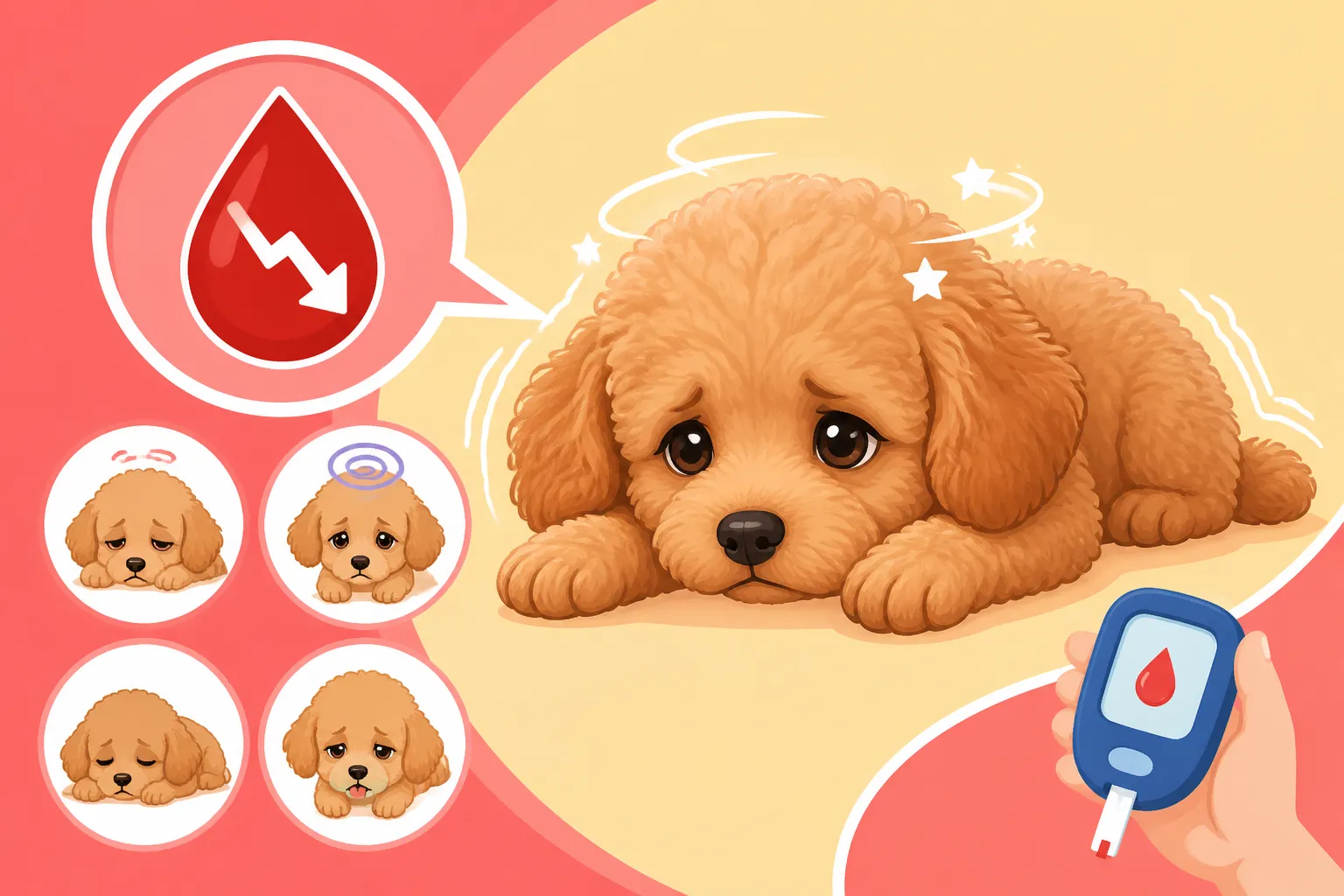
The earliest signs of low blood sugar are usually behavioral. Your normally playful, curious puppy might start acting "off." This isn't just about them being sleepy; it's a profound change in their usual energy levels and demeanor.
- Lethargy and Weakness: The most common initial sign is a noticeable decrease in energy. Your puppy might seem unusually tired, uninterested in play, or reluctant to move. They might sleep more deeply than usual or struggle to wake up. They might even wobble a bit when they try to walk, like a tiny drunk sailor. This isn't just a puppy napping; it’s an unusual listlessness.
- Loss of Coordination: You might observe a slight clumsiness or unsteadiness. They might stumble, struggle to climb onto a low bed, or have difficulty navigating familiar spaces. Their movements might appear stiff or wobbly, particularly in their hindquarters.
- Shivering or Trembling: Even if they're not cold, a puppy experiencing hypoglycemia might shiver uncontrollably. This isn't necessarily a full-body seizure, but a fine tremor, especially noticeable when they're trying to stand or focus. Their muscles are literally running out of fuel.
- Confusion or Disorientation: They might stare blankly, seem confused about their surroundings, or not respond to their name or familiar cues. They might walk into things or appear lost in a room they know well. This can be particularly distressing to witness, as it's so unlike their usual bright-eyed selves.
- Restlessness or Whining: Paradoxically, some puppies might become restless or whiny as their body tries to compensate for the discomfort. They might pace aimlessly, seek constant closeness, or cry softly, without any obvious external cause. Remember, sometimes Why a Poodle Hides Illness means these signs are your only clue.
Physical Indicators That Demand Your Immediate Attention
Beyond behavioral changes, there are also some crucial physical signs that can tip you off to a problem. These often appear as the condition progresses, but can still be considered early warnings if you are vigilant.
- Pale Gums: Gently lift your puppy's lip and check their gums. Normally, they should be a healthy bubblegum pink. If they appear noticeably pale, whitish, or even bluish, it's a serious indicator of poor circulation and a potential blood sugar issue. This change is often accompanied by the puppy feeling cold.
- Cold to the Touch: Check your puppy's ears and paws. If they feel unusually cold, even in a warm room, it suggests their body is struggling to regulate its temperature due to low energy reserves. Their tiny bodies have a hard time generating heat when glucose is low.
- Listlessness or Staring: This is distinct from regular sleep. A listless puppy will seem almost lifeless, not responding to gentle nudges or sounds. Their eyes might appear glazed over or unfocused, staring blankly ahead.
- Changes in Appetite: While sometimes a lack of appetite causes hypoglycemia, it can also be a symptom. If your puppy suddenly refuses to eat, especially their favorite treat, it's a red flag. On the flip side, some puppies might become unusually ravenous as their body tries to find fuel. Always observe changes in their normal eating patterns as part of your overall Reading Pain in a Sensitive Poodle assessment.
Urgent Action for Advanced Hypoglycemia Symptoms
If the early signs are missed or progress rapidly, hypoglycemia can quickly become a dire emergency. Recognizing these advanced symptoms and knowing how to act immediately can literally save your puppy’s life. This is the moment when every second counts.
Recognizing Neurological Symptoms and Seizures
As blood sugar levels continue to drop critically low, the brain, which relies almost exclusively on glucose for fuel, begins to malfunction. This is when the most alarming and severe symptoms manifest.
- Disorientation and Head Pressing: The puppy might become profoundly disoriented, bumping into furniture or walls, or walking in circles. They might also engage in "head pressing," where they compulsively press their head against a wall or another hard surface. This is a sign of neurological distress and warrants immediate attention.
- Muscle Tremors Progressing to Convulsions: The earlier shivering can intensify into full-blown muscle tremors or even convulsions. These look like seizures: the puppy might stiffen, paddle their legs, lose bladder or bowel control, and become unresponsive. Witnessing a seizure is terrifying, but it's crucial to stay calm and follow the emergency steps.
- Collapse and Loss of Consciousness: In the most severe cases, the puppy will collapse and become unresponsive, falling into a coma-like state. Their breathing might become shallow, and their gums will be very pale or bluish. At this point, they are in extreme danger, and immediate intervention is paramount.
Administering Emergency Glucose and Seeking Veterinary Care
If your Toy Poodle puppy exhibits any of these advanced symptoms, or even strong early ones, you need to act immediately. Do not wait to see if they improve. This is where you become their first line of defense.
-
Administer a Sugar Source: The fastest way to raise blood sugar is to provide a concentrated sugar source directly to their gums. You can use:
- Karo Syrup (light corn syrup): This is often recommended by breeders and vets.
- Honey: Pure honey works well.
- Glucose Gel: Many pet stores sell specific glucose gels designed for this purpose.
- Maple Syrup: As a last resort, if nothing else is available.
Use your finger to rub a small amount (a pea-sized dab for a tiny puppy) directly onto their gums. Do NOT try to force them to swallow liquids, as they could aspirate it into their lungs, especially if they are weak or unconscious. The sugar will absorb through the mucous membranes in their mouth. You should see improvement within 5-10 minutes. If they are still weak, you can repeat a small amount after 10-15 minutes. This vital step is detailed further in Emergency Sugar for a Crashing Toy Poodle.
-
Keep Them Warm: A hypoglycemic puppy will often be cold. Wrap them in a towel or blanket, and hold them close to your body heat. You can also use a hot water bottle (wrapped in a towel to prevent burns) or a heating pad on a low setting.
-
Contact Your Veterinarian IMMEDIATELY: Even if your puppy seems to perk up after receiving sugar, you MUST contact your vet or an emergency veterinary clinic right away. Hypoglycemia can recur, and your vet needs to determine the underlying cause and ensure your puppy is stable. They may need intravenous fluids with dextrose, further monitoring, or treatment for any underlying issues. Don't delay—this is not a "wait and see" situation. It's moments like these that make having pet insurance from providers like Healthy Paws such a lifeline, as emergency care can be costly, and you want to focus on your puppy, not the bill.
Emergency Actions for Hypoglycemia in Toy Poodle Puppies
| Symptom Severity | Description | Immediate Action | Follow-Up |
|---|---|---|---|
| Mild | Lethargy, quietness, mild shivering, disinterest in play. | Offer a preferred meal. If refused, rub pea-sized amount of Karo syrup/honey on gums. | Monitor closely. If no improvement in 15 mins, contact vet. |
| Moderate | Wobbling, uncoordinated, noticeable weakness, pale gums, cold to touch. | Rub pea-sized amount of Karo syrup/honey on gums. Keep warm with blanket/body heat. | Contact vet immediately, even if puppy improves. Head to clinic. |
| Severe | Collapse, seizures, unresponsiveness, glazed eyes, profound weakness. | Rub pea-sized amount of Karo syrup/honey on gums. Keep warm. Clear airway if seizing. | URGENT: Rush to emergency vet clinic while administering sugar and keeping warm. |
Proactive Steps to Prevent Future Hypoglycemia Episodes
The best defense against hypoglycemia is a good offense. By understanding the risk factors and implementing preventative measures, you can significantly reduce the chances of your precious Toy Poodle puppy experiencing a frightening blood sugar crash.
Establishing a Strict and Consistent Feeding Schedule
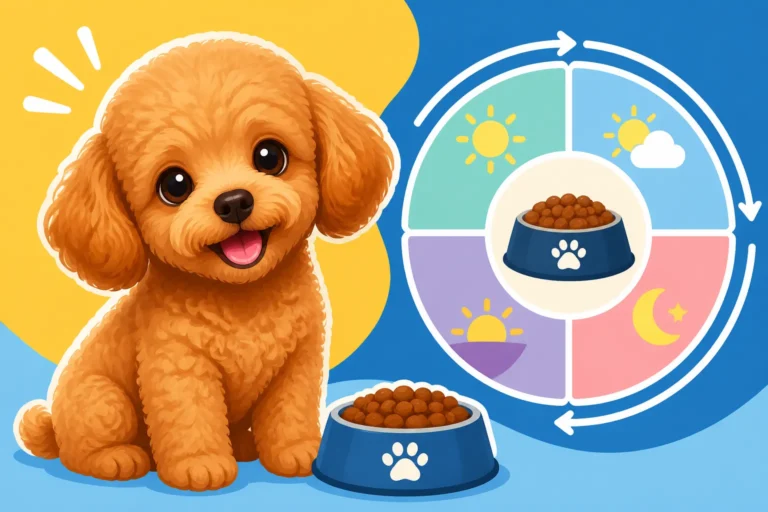
Consistency is king when it comes to feeding tiny puppies. Their small stomachs and rapid metabolism mean they need frequent, small meals throughout the day.
- Frequency is Key: For very young Toy Poodle puppies (8-12 weeks), aim for 4-6 small meals spread evenly throughout the day. As they grow, you might gradually reduce this to 3 meals. Never let your puppy go more than 4-6 hours without food during the day, and ensure they have a good meal before bedtime. This critical aspect of care is covered thoroughly in Feeding a Toy Poodle Puppy.
- High-Quality, Nutrient-Dense Food: Choose a premium puppy food specifically formulated for small breeds. These foods are typically calorie-dense and provide the necessary nutrients for their rapid growth and high energy demands. Avoid cheap fillers that offer little nutritional value.
- Monitor Intake: Always observe your puppy's eating habits. If they skip a meal or don't eat their usual amount, gently encourage them. If they consistently refuse food, it's a sign that something is amiss and needs veterinary attention.
- Meal Preparation: Don't just dump food in a bowl. Some owners find that adding a little warm water to kibble to soften it, or even a tiny bit of plain canned pumpkin, can make it more palatable and easier to digest.
Minimizing Stress and Maintaining a Stable Environment
Stress is a silent glucose killer. Keeping your puppy's environment calm and predictable can go a long way in preventing hypoglycemia.
- Quiet and Safe Space: Ensure your puppy has a designated quiet, warm, and secure space where they can retreat and rest undisturbed. A comfortable crate (properly introduced and made inviting) can serve as their den.
- Temperature Regulation: Toy Poodle puppies get cold easily, and shivering burns through glucose. Keep your home comfortably warm, especially for very young or recently clipped puppies. Consider a puppy sweater or a warm blanket if they seem chilly.
- Gradual Introductions: When introducing your puppy to new people, pets, or environments, do it gradually and calmly. Avoid overwhelming them with too much excitement or too many new experiences at once. Always supervise interactions, especially with children or larger pets, to prevent accidental over-excitement or injury.
- Consistent Routine: Puppies thrive on routine. Stick to a consistent schedule for feeding, potty breaks, play, and rest. This predictability reduces anxiety and helps them feel secure, conserving their energy for growth rather than stress responses.
The Role of Regular Veterinary Check-ups in Prevention
Regular veterinary care isn't just for when your puppy is sick; it's a vital part of preventative health and can help catch potential issues before they become emergencies.
- Early Detection: Your veterinarian is your best partner in ensuring your puppy's health. During What a Vet Checks on a Toy Poodle Puppy appointments, they'll assess overall health, growth, and development, and can identify any underlying conditions that might predispose your puppy to hypoglycemia. They can also provide tailored advice on diet and care specific to your puppy’s needs.
- Parasite Control: A significant portion of preventative care involves keeping your puppy free of internal and external parasites. Worms can steal vital nutrients, contributing to weakness and hypoglycemia. Your vet will recommend a proper deworming schedule and appropriate parasite preventatives.
- Discuss Concerns: Don't hesitate to discuss any concerns you have about your puppy's eating habits, energy levels, or general well-being with your vet. No question is too small when it comes to the health of such a delicate little creature. A good breeder, for example, will have already done their due diligence, so be sure to ask What a Toy Poodle Breeder Screens For to ensure your puppy comes from healthy lines.
- Pet Insurance Consideration: While you hope to never face an emergency, having pet insurance can provide immense peace of mind. Companies like Healthy Paws offer coverage that can help with unexpected vet bills, allowing you to make the best decisions for your puppy's health without financial stress, particularly important if chronic conditions or unexpected emergencies arise.
Disclaimer
This article is intended for informational purposes only and is not a substitute for professional veterinary advice, diagnosis, or treatment. Always seek the advice of your veterinarian or other qualified animal health provider with any questions you may have regarding a medical condition.