Which Poodle Tests Actually Change Outcomes
Navigating the world of Poodle health testing can feel like wading through a murky swamp, especially when you're trying to figure out which screenings genuinely make a difference in your dog's future or in the health of the breed as a whole. It’s easy to get overwhelmed by lists of acronyms and medical terms, leaving you wondering if all these tests are truly necessary or just another expense. This guide is here to cut through the confusion, focusing on the specific Poodle health tests that provide actionable insights, allowing breeders and owners alike to make informed decisions that actively change outcomes for the better.
Understanding the Purpose of Poodle Health Testing
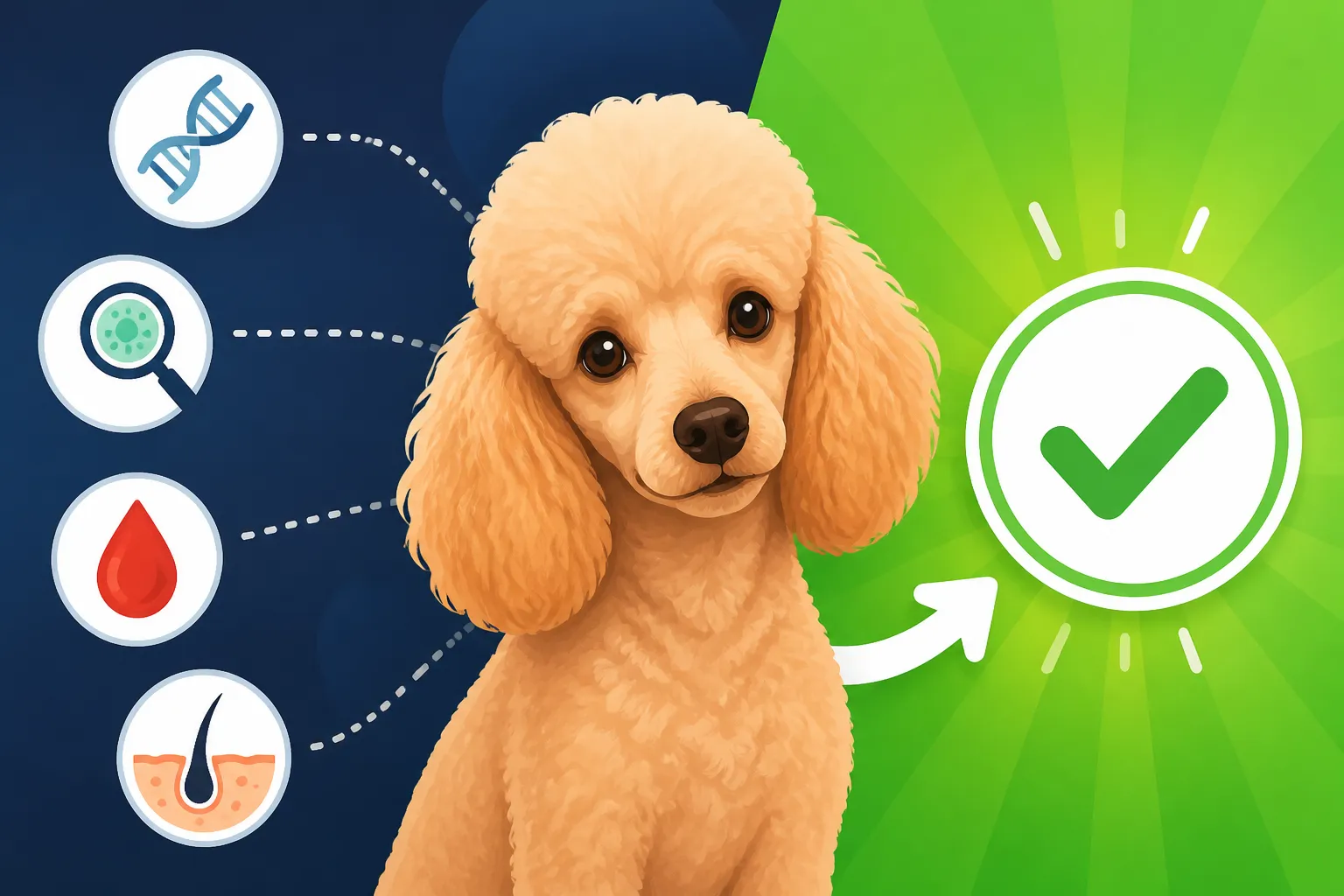
When we talk about health testing for Poodles, we’re not just looking for a simple pass/fail mark on a certificate. The real value lies in the information these tests provide and how that information can be used to prevent suffering, improve quality of life, and ensure the longevity and vitality of Poodle lines for generations to come. Many owners find themselves asking, "Is this test just a formality, or will it actually help my dog?" This is a crucial distinction to make, as some tests offer immediate benefits for the individual dog, while others primarily serve to inform responsible breeding practices.
Beyond a Piece of Paper: What "Changing Outcomes" Really Means
For a health test to "change outcomes," it means the results offer clear, practical steps. For a pet owner, this might mean early detection of a condition, allowing for prompt treatment that significantly improves the dog's prognosis or quality of life. For example, knowing your Poodle has a predisposition to a certain eye condition through a genetic test can prompt earlier, more frequent veterinary ophthalmology exams, potentially catching issues before they become severe.
For breeders, changing outcomes means using test results to make informed decisions about breeding pairs. A responsible breeder isn't just trying to "clear" their dogs; they're trying to understand the genetic landscape of their lines, identify carriers of recessive genes, and make pairings that reduce the incidence of preventable diseases in future generations. This long-term view is vital for the health of the entire breed, especially given historical challenges like those contributing to Why the Standard Poodle Gene Pool Narrowed. Without such careful consideration, genetic predispositions can become widespread problems, affecting countless Poodles.
The Ethical Breeder's Role in Testing
An ethical Poodle breeder sees health testing not as a burden, but as an indispensable tool for protecting the breed they love. They invest significant time and resources into understanding genetic diseases, participating in health registries, and utilizing advanced diagnostic tools. This commitment goes far beyond basic veterinary check-ups; it involves specific, often specialized, screenings for conditions known to affect Poodles.
These breeders are transparent about their dogs' health test results, often sharing them publicly through databases like the Orthopedic Foundation for Animals (OFA) or the Canine Health Information Center (CHIC). They can explain why they've chosen certain tests, how they interpret the results, and what these results mean for their breeding program and the puppies they produce. When you're looking for a Poodle puppy, understanding What a Poodle Breeder Must Test For and asking to see these results isn't just a good idea; it's essential for ensuring you're supporting ethical practices that genuinely improve Poodle health. This due diligence can save you and your future Poodle a world of heartache and expense down the line.
Essential Tests for All Poodle Sizes and Why They Matter
While Poodles come in three distinct sizes – Standard, Miniature, and Toy – several health concerns can affect all varieties. These conditions often have genetic components, making targeted testing crucial for both preventing the spread of disease and managing it effectively in affected individuals. Understanding these overarching health issues helps you appreciate why certain tests are universally recommended for all Poodles.
Hip and Elbow Dysplasia: Not Just for Standards
Many people assume hip and elbow dysplasia are primarily concerns for large breeds. While it's true that Standard Poodles are more commonly affected due to their size, Miniature and even Toy Poodles can suffer from these debilitating joint conditions. Hip dysplasia, for instance, involves an abnormal formation of the hip socket that, in its severe form, can lead to painful arthritis and lameness. Elbow dysplasia encompasses several developmental abnormalities of the elbow joint, also leading to pain and compromised mobility.
The Orthopedic Foundation for Animals (OFA) provides comprehensive evaluations for hip and elbow health through X-rays. Dogs are typically screened after 24 months of age for final certification. The results are critical for breeders, as breeding dogs with poor hip or elbow scores perpetuates these conditions. For pet owners, knowing a dog's orthopedic history can inform lifestyle choices, such as appropriate exercise levels, diet, and whether Joint Supplements Worth Giving a Poodle might be beneficial, helping to mitigate symptoms and improve comfort even if a dog inherits a less-than-perfect score. This proactive approach significantly changes the long-term comfort and mobility outcomes for an individual Poodle.
Eye Health: PRA and Cataracts
Eye health is paramount for Poodles, and two significant concerns are Progressive Retinal Atrophy (PRA) and cataracts. PRA is a group of degenerative diseases that affect the retina, eventually leading to blindness. Several forms of PRA exist, and many are inherited. Cataracts, while sometimes secondary to other conditions like diabetes, can also be inherited, causing cloudiness in the lens of the eye and impairing vision.
Genetic testing is available for several forms of PRA, such as progressive rod-cone degeneration (PRCD), which is common in Poodles. A simple cheek swab or blood test can determine if a Poodle is clear, a carrier, or affected by these specific genetic mutations. This information is invaluable for breeders, allowing them to avoid breeding two carriers together, which would produce affected puppies. For owners, early detection of a carrier status or diagnosis of PRA means you can prepare for your Poodle’s potential vision loss, perhaps by beginning to Guiding a Poodle Blinded by Retinal Atrophy or making environmental adjustments to ensure their safety and independence. Annual examinations by a board-certified veterinary ophthalmologist can also detect cataracts and other eye anomalies early, enabling timely intervention, such as Cataract Surgery on a Diabetic Miniature Poodle if appropriate, and changing the outcome from blindness to restored or preserved vision.
Thyroid Function: An Often Overlooked Area
Hypothyroidism, an underactive thyroid gland, is a surprisingly common endocrine disorder in Poodles across all sizes. It occurs when the thyroid gland doesn't produce enough thyroid hormones, which are vital for regulating metabolism. Symptoms can be vague and wide-ranging, often mimicking other conditions, and can include lethargy, weight gain, hair loss, a dull coat, cold intolerance, and even behavioral changes. Because the symptoms are so diverse and often subtle, it can be misdiagnosed or overlooked.
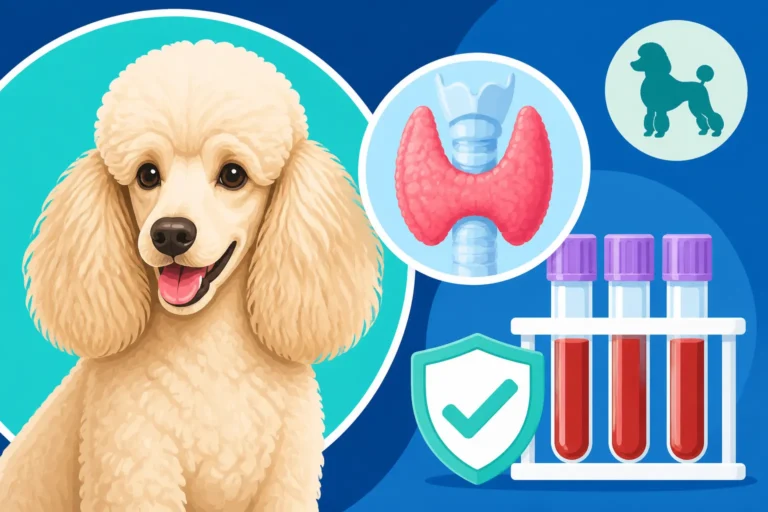
A full thyroid panel, which measures various thyroid hormone levels (like T4, free T4, and TSH), is the most effective diagnostic tool. Unlike some other health tests, thyroid testing directly benefits the individual dog, as hypothyroidism is highly treatable with daily medication. Early diagnosis and consistent treatment can completely resolve symptoms, restoring the dog's energy, coat quality, and overall well-being. Without testing, a Poodle might suffer needlessly for years with unexplained symptoms. Therefore, including Full Thyroid Panels Poodle Breeders Order as part of routine health screening and for any Poodle showing suspicious symptoms can dramatically improve their quality of life and change their outcome from chronic illness to vibrant health.
Size-Specific Health Concerns and Their Relevant Tests
While some health issues span all Poodle varieties, others are more prevalent or unique to specific sizes. Understanding these distinctions is key to targeted testing and preventative care, directly influencing the well-term health outcomes for your particular Poodle.
Standard Poodles: Addison's Disease and Bloat Risk
Standard Poodles, with their regal stature, unfortunately, carry a higher predisposition to two very serious conditions: Addison's Disease and Gastric Dilatation-Volvulus (GDV), commonly known as bloat.
Addison's Disease, or hypoadrenocorticism, is an autoimmune disorder where the adrenal glands don't produce enough crucial hormones. It's often called "the great pretender" because its symptoms can mimic many other illnesses, making diagnosis challenging. A Poodle might seem lethargic, have a poor appetite, vomit, or even collapse. The ACTH stimulation test is the definitive diagnostic tool, measuring the adrenal glands' response to a synthetic hormone. This test is vital because Addison's is life-threatening if untreated, but manageable with lifelong medication. Early and accurate diagnosis through this test changes the outcome from a potential crisis to a normal, active life. Breeders often screen their lines for Addison's to understand their genetic risk, which helps in making responsible breeding decisions to lower the incidence of Addison's Disease in Standard Poodles. Knowing the predisposition through family history or even genetic markers being researched can also influence how a vet looks for First Signs of Addison's in a Poodle and approaches diagnosis.
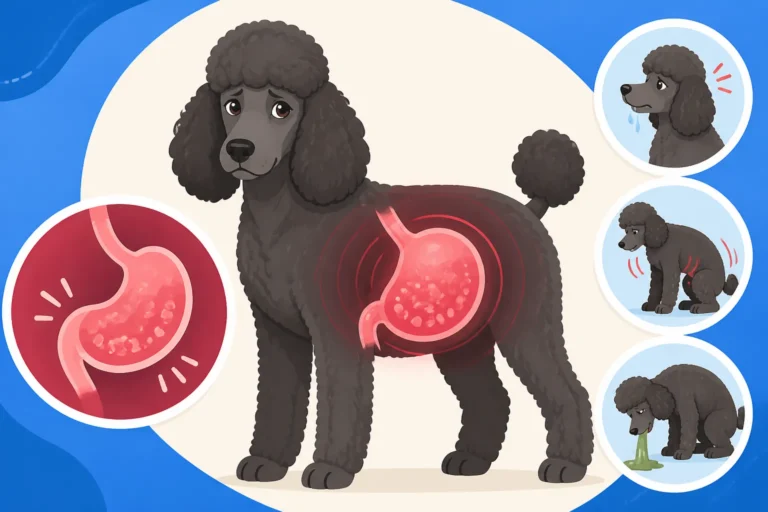
Bloat, on the other hand, is an acute, life-threatening emergency where the stomach fills with gas and can twist, cutting off blood supply. The deep-chested build of the Standard Poodle makes them particularly susceptible. There isn't a "test" to predict bloat in the same way as genetic diseases, but preventive measures, such as discussing Whether a Standard Poodle Should Have a Gastropexy with your veterinarian, can drastically change the outcome. A gastropexy is a surgical procedure that permanently tacks the stomach to the abdominal wall, preventing it from twisting. While it doesn't prevent the stomach from filling with gas, it eliminates the deadly torsion. This elective surgery, typically done at the time of spay/neuter, is a prime example of an intervention that directly changes a potentially fatal outcome. Knowing the Emergency Signs of Poodle Bloat and seeking immediate veterinary attention if they appear is also critical.
Miniature Poodles: Legg-Calve-Perthes and Epilepsy
Miniature Poodles, while generally robust, have their own specific health considerations that warrant attention and targeted testing.
Legg-Calve-Perthes disease (LCPD) is a condition affecting the hip joint, where the head of the femur (thigh bone) degenerates due to a lack of blood supply. This causes pain, lameness, and eventual collapse of the femoral head. It typically affects small breeds, including Miniature Poodles, and manifests in puppies, usually between 5-8 months of age. There isn't a genetic test for LCPD, but careful screening of breeding stock for sound hips and monitoring puppies for early signs of lameness are critical. Diagnosis is typically made via X-rays. While LCPD often requires surgical intervention to remove the damaged part of the femoral head, early diagnosis and treatment can lead to a good prognosis, allowing the dog to regain function and live a pain-free life. Understanding Legg-Calve-Perthes in Small Poodles is vital for both breeders and owners to ensure timely intervention.
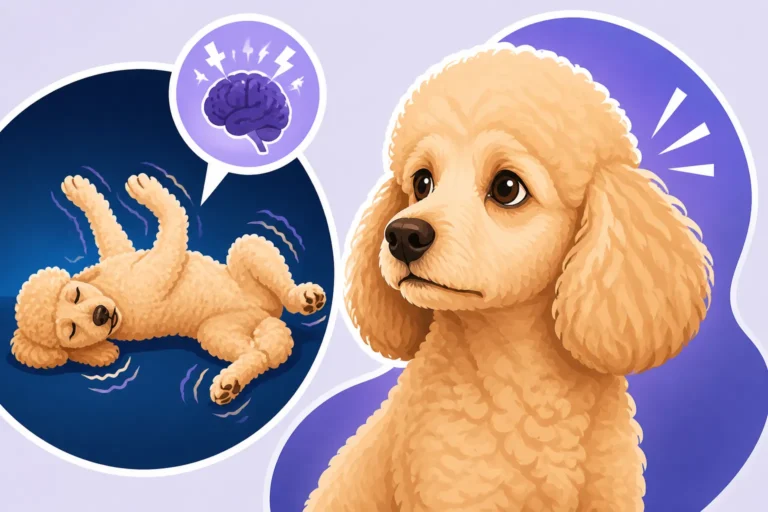
Idiopathic epilepsy, characterized by recurrent seizures without an identifiable cause, is another concern in Miniature Poodles. While seizures can be frightening, a diagnosis of idiopathic epilepsy often requires ruling out other causes through comprehensive neurological exams, blood tests, and sometimes an MRI. There are ongoing research efforts to identify genetic markers for epilepsy, but currently, responsible breeding relies on avoiding breeding affected individuals or close relatives of affected individuals. For an owner, recognizing When Poodle Seizures First Appear and getting a prompt diagnosis is crucial, as medication can effectively control seizures and improve the dog's quality of life. Regular monitoring and medication management, guided by your vet, are outcomes that directly stem from an accurate diagnosis.
Toy Poodles: Patellar Luxation and Collapsing Trachea
Toy Poodles, the smallest of the varieties, face their own set of size-specific health challenges that require careful attention and testing.
Patellar luxation, or "slipping kneecap," is a common orthopedic problem in Toy Poodles. It occurs when the patella (kneecap) moves out of its normal groove in the thigh bone. This can range from mild (grade 1) to severe (grade 4), causing skipping, lameness, and pain. While not typically life-threatening, severe cases can lead to arthritis and require surgery. Veterinary examination, which involves palpating the knee, is how luxating patella is diagnosed and graded. Breeders should have their breeding stock examined by a veterinarian, and many participate in the OFA patella database. Early diagnosis allows for conservative management in mild cases or surgical correction for more severe grades, which significantly changes the outcome by alleviating pain and preventing further joint damage. Owners should understand the Grades of Patellar Luxation in a Toy Poodle to know when intervention is needed.
Collapsing trachea is another concern for Toy Poodles, where the cartilage rings of the windpipe weaken and flatten, obstructing airflow. This leads to a characteristic "honking" cough, especially when excited, pulling on a leash, or drinking water. While there's no single genetic test, breeders should strive to produce dogs with strong tracheal rings. Diagnosis typically involves X-rays, fluoroscopy (a moving X-ray), or bronchoscopy. For owners, managing a Toy Poodle with a collapsing trachea involves using a harness instead of a collar to avoid pressure on the throat, controlling weight, and sometimes medication to reduce inflammation or coughing. In severe cases, surgical intervention with tracheal stents may be considered. Early diagnosis, understanding The Honking Cough of a Toy Poodle, and proactive management can greatly improve the quality of life for an affected dog, preventing progression and managing symptoms.
Interpreting Test Results and Taking Action
Getting your Poodle tested is only the first step. The true impact on outcomes comes from understanding what those results mean and, more importantly, what actions to take based on that knowledge. This requires a collaborative effort between you, your veterinarian, and, if applicable, your breeder.
| Condition | Recommended Test | What the Test Changes (Outcome) |
|---|---|---|
| Hip Dysplasia | OFA Hip Evaluation (Radiographs) | Informs breeding decisions to reduce incidence; guides exercise/management for pet Poodles to prevent severity. |
| Elbow Dysplasia | OFA Elbow Evaluation (Radiographs) | Informs breeding decisions; prompts early intervention for affected pet Poodles to manage pain and mobility. |
| Progressive Retinal Atrophy (PRA) | Genetic DNA Test (e.g., PRCD) | Prevents breeding of affected/carrier pairings; allows owners to prepare for and support a Guiding a Poodle Blinded by Retinal Atrophy. |
| Inherited Cataracts | Annual Eye Exam by Veterinary Ophthalmologist (CERF/OFA) | Early detection allows for surgical intervention or management to preserve vision. |
| Hypothyroidism | Full Thyroid Panel (Blood test) | Enables early diagnosis and lifelong medication, significantly improving quality of life and resolving chronic symptoms. |
| Addison's Disease | ACTH Stimulation Test (Blood test) | Confirms diagnosis, leading to life-saving medication and allowing the Poodle to Whether an Addisonian Poodle Lives Normally. |
| Patellar Luxation | Veterinary Orthopedic Exam (OFA Patella Evaluation) | Informs breeding decisions; guides conservative or surgical management to alleviate pain and prevent arthritis in pet Poodles. |
| Von Willebrand Disease (vWD) | Genetic DNA Test (Blood/Cheek Swab) | Identifies affected dogs or carriers, preventing severe bleeding episodes during surgery or injury; crucial for breeding decisions. |
Understanding OFA and CHIC Registries
The Orthopedic Foundation for Animals (OFA) and the Canine Health Information Center (CHIC) are two invaluable resources for Poodle health. The OFA database holds results for a wide array of health tests, from hips and elbows to patellas and thyroid. When a Poodle is tested, their results are registered publicly, providing transparency for breeders and prospective owners. For some conditions, like hip dysplasia, the OFA assigns a grade (Excellent, Good, Fair, Borderline, Mild, Moderate, Severe). These grades directly inform a breeder's choices, as breeding only OFA-certified healthy dogs helps improve the overall health of the breed.
The CHIC program takes this a step further. A CHIC certificate is awarded to dogs that have had all the health screenings recommended for their breed by the parent club. For Poodles, this typically includes hip, eye, and sometimes elbow and thyroid evaluations, with genetic tests for specific conditions like PRA and Von Willebrand Disease in Poodles. A CHIC number indicates that a dog has been tested for these conditions, not necessarily that they passed with perfect scores. However, the availability of these results allows for informed decisions. When seeking a Poodle, always ask for OFA and CHIC numbers, and then use the online databases to look up the results yourself. This transparency empowers you to make truly informed choices, influencing the health outcome of your future companion.
Working with Your Vet and Breeder on a Health Plan
Once tests are done, the real work of changing outcomes begins. If your Poodle receives a diagnosis, even a mild one, it's crucial to collaborate closely with your veterinarian. They can help you interpret the results, discuss prognosis, and outline a tailored health management plan. This might involve dietary changes, specific exercise regimens, medication, or regular monitoring. For example, if a Toy Poodle is diagnosed with early-stage Luxating Patella in Toy and Miniature Poodles, your vet might recommend weight management and supplements before considering surgery. If you have pet insurance like Healthy Paws, understanding what tests and ongoing treatments are covered can significantly impact your financial ability to pursue the best care for your Poodle.
Similarly, if you're working with a responsible breeder, they should be a lifelong resource. They can provide insights into their lines' health history, discuss how they use test results to improve genetic health, and even offer advice based on their extensive experience with the breed. Remember, the goal of these tests isn't just to identify problems but to empower you with the knowledge to actively improve your Poodle's health and longevity. It's about proactive care and informed decision-making that genuinely changes the story for every Poodle.
Disclaimer
The information provided in this article is for general informational purposes only and is not a substitute for professional veterinary advice. Always consult with a qualified veterinarian for any health concerns or before making any decisions related to your Poodle's health care.