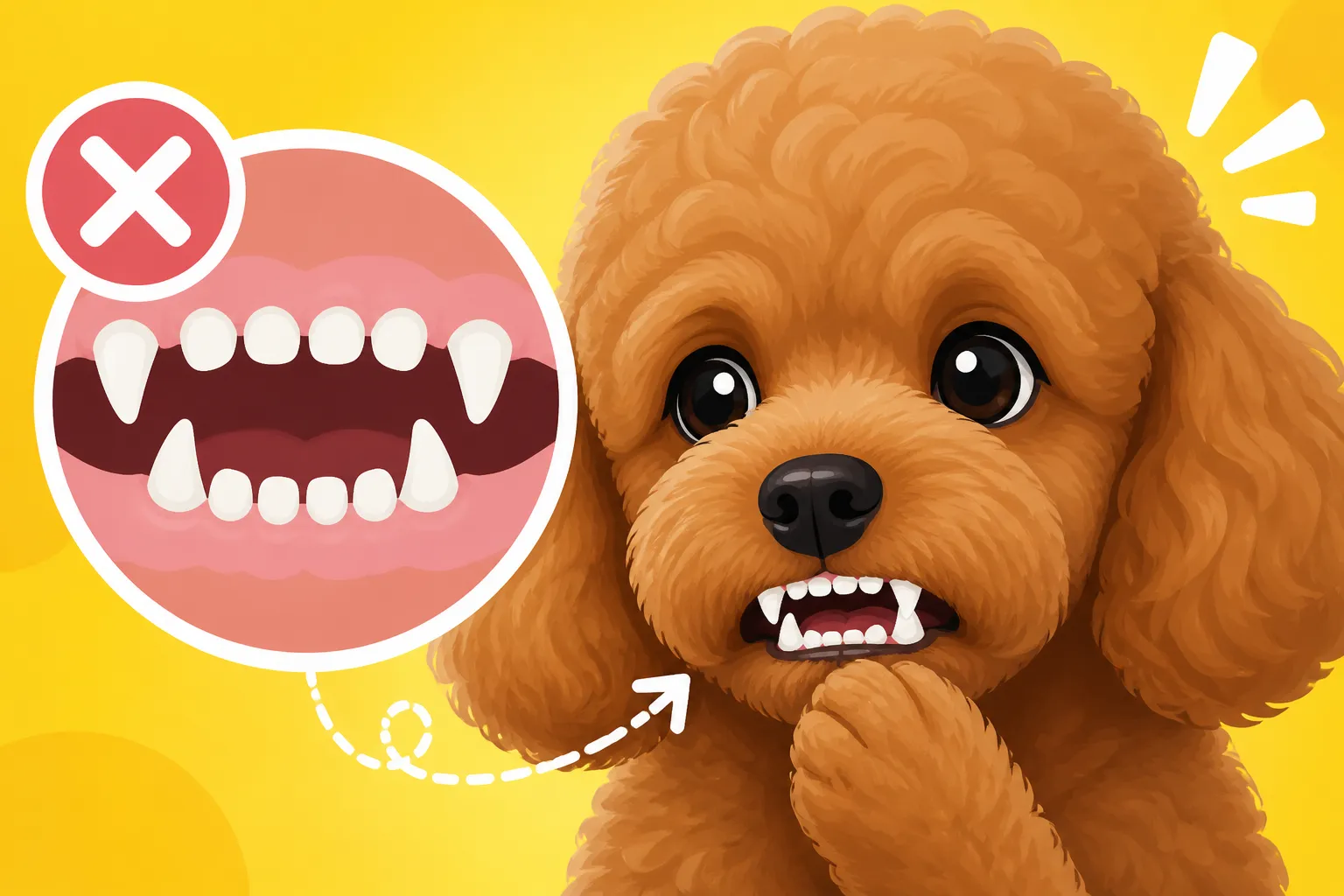
Why Toy Poodle Baby Teeth Refuse to Drop
It’s a common worry for Toy Poodle parents: you’re excitedly watching your tiny pup grow, expecting those adorable little shark teeth to make way for grown-up pearly whites, but some just… cling on. This isn't just a cosmetic issue; retained puppy teeth in Toy Poodles can lead to some real headaches down the line. This guide will walk you through why this happens, what signs to look for, and the best steps to ensure your furry friend's optimal dental health.
The Peculiar Case of Toy Poodle Baby Teeth
Toy Poodles, with their delightful personalities and compact size, often come with a unique set of anatomical considerations, and their oral structure is certainly one of them. Unlike larger breeds, whose spacious jaws typically allow adult teeth to emerge cleanly after pushing out their deciduous (baby) counterparts, Toy Poodles face a literal crowding issue. This anatomical quirk makes them particularly prone to retained baby teeth, a situation that can quickly escalate from a minor observation to a significant health concern. Many dedicated Poodle owners grapple with this, feeling frustrated when their meticulously cared-for puppy develops issues simply due to its small stature.
Why Small Jaws Mean Big Dental Problems
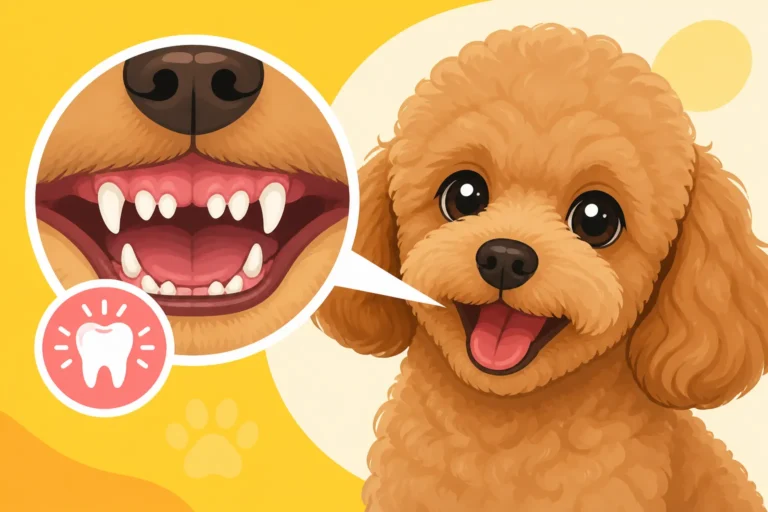
Think of it this way: a Toy Poodle has a mouth that's much smaller than a Standard Poodle's, but it's trying to fit the same number of teeth. This can lead to a delicate dance where the permanent tooth, instead of growing directly beneath the baby tooth and resorbing its root, emerges next to it. It’s like trying to fit two cars in one parking space. Because the baby tooth's root isn't properly absorbed, it remains firmly in place, giving your tiny pup a double row of teeth – a condition often affectionately, if somewhat alarmingly, referred to as "shark mouth." This crowding creates ideal pockets for food and bacteria to collect, setting the stage for bigger problems down the line. It's a fundamental issue rooted in their breed-specific conformation, making it a prevalent topic among those who truly understand the nuances of Why Small Poodles Lose Teeth Early.
Genetic Predisposition to Retained Teeth
Beyond just their size, genetics play a significant role in why some Toy Poodles are more susceptible to retaining their baby teeth. Certain lines may have a stronger predisposition for slower root resorption of the deciduous teeth or even abnormal positioning of the permanent tooth buds. Responsible breeders are keenly aware of these tendencies and often share insights into their lines' dental history. If you've ever wondered What a Toy Poodle Breeder Screens For, dental health, especially concerning retained teeth, is a critical area. This isn't a reflection of poor care, but rather an inherited trait that requires proactive management. It’s important for owners to understand this isn't something they caused, but rather something inherited that they can manage with their vet's help.
The Risks and Complications of Lingering Puppy Teeth
When baby teeth don't fall out as they should, they don't just sit there innocently. They become instigators, creating a perfect storm for a host of oral health issues that can significantly impact your Toy Poodle's comfort and overall well-being. The consequences range from uncomfortable crowding to severe dental disease, often requiring intervention to prevent long-term damage. It's truly disheartening to see a vibrant puppy develop painful oral problems just because nature took a wrong turn.
A Breeding Ground for Bacteria
Imagine trying to floss between two teeth that are jammed right up against each other. That’s essentially the challenge for a Toy Poodle with retained baby teeth. The tight spaces created by these extra teeth, particularly around the canine teeth which are most commonly affected, become a prime location for food particles, plaque, and tartar to accumulate. These areas are incredibly difficult, if not impossible, for even diligent owners to clean effectively with brushing, and even professional cleanings struggle to reach every nook and cranny. This constant buildup acts as a breeding ground for bacteria, leading rapidly to gingivitis – inflammation of the gums – and, if left unchecked, periodontal disease. This is a common concern that contributes to broader issues like Poodle Dental Disease by Size, where smaller breeds often face more severe and early onset dental problems due to their anatomy.
Pain, Malocclusion, and Jaw Issues
Beyond infection, retained baby teeth can cause significant physical discomfort and structural problems. The permanent teeth, forced to erupt in an abnormal position, can grow crooked, pushing against other teeth or even piercing the roof of the mouth or the opposite gum, leading to painful sores or fistulas. This misalignment, known as malocclusion, can interfere with your Poodle's ability to chew properly, causing pain when eating and potentially leading to digestive issues. In severe cases, retained teeth can impact jaw development, causing lifelong structural problems. Owners often notice their pups becoming reluctant to chew on toys or eat certain foods, which is a clear sign of discomfort. It's not just about a pretty smile; it's about the functionality and comfort of their entire oral cavity.
When to Intervene and What to Expect at the Vet
Knowing when to step in is crucial when dealing with retained baby teeth in Toy Poodles. Waiting too long can exacerbate the problems, while acting proactively can prevent significant discomfort and expense down the line. It’s a delicate balance of observation and timely veterinary consultation. If you're a new Poodle owner, this can feel daunting, but your vet is your best ally.
The Critical Timeline for Veterinary Consultation
Generally, all deciduous teeth should have fallen out by the time a Toy Poodle is around 6 months old. However, some vets might recommend an earlier check, especially for those tiny canines, as early as 4-5 months if they see the permanent teeth starting to erupt. If you observe any baby teeth still present past the 6-month mark, it's definitely time to schedule a vet visit. Don't wait until your pup is exhibiting pain or severe symptoms, as early intervention is always best. Your veterinarian will conduct a thorough oral examination, often recommending X-rays to assess the full extent of the issue, including the roots of the retained teeth and the positioning of the permanent ones. They'll also check for any signs of gingivitis or existing infection. This is a standard part of comprehensive puppy care and an essential component of a Poodle Vaccination and Preventive Schedule.
The Extraction Process and Recovery
If retained baby teeth are confirmed, the standard recommendation is surgical extraction. This isn't a simple tug; it's a careful procedure performed under general anesthesia. Your vet will likely recommend pre-anesthetic bloodwork to ensure your Toy Poodle is healthy enough for the procedure, which is a crucial step for any surgery. During the extraction, the vet carefully removes the persistent baby teeth, often needing to create a small incision in the gum to ensure the entire root is extracted without damaging the developing permanent tooth. This meticulous approach minimizes trauma and promotes proper healing.
After the extraction, your Poodle will need careful post-operative care. This usually involves pain medication, antibiotics if an infection was present, and a soft food diet for several days to allow the gums to heal. You'll need to monitor the extraction sites for any signs of swelling, redness, or discharge. The recovery is generally smooth, and most pups bounce back quickly, feeling much more comfortable once those problematic extra teeth are gone. When considering the financial aspect, it’s worth noting that What a Toy Poodle Extraction Costs can vary, and having pet insurance like Healthy Paws can certainly help manage these unexpected but necessary expenses.
Proactive Care and Long-Term Dental Health
Once those problematic baby teeth are addressed, or if your Toy Poodle manages to shed them all naturally, the journey to excellent dental health doesn't end. In fact, it's just beginning. Toy Poodles, due to their inherent predisposition to dental issues, require ongoing, diligent care to keep their pearly whites (and gums) in top condition throughout their lives. This preventative approach is far more effective and less stressful than reacting to problems as they arise.
Daily Home Care Habits for Poodles
The cornerstone of long-term dental health for your Toy Poodle is daily home care, with brushing at the top of the list. Yes, it might sound like a chore, but it's incredibly effective in preventing plaque and tartar buildup. Start slowly when your Poodle is a puppy, making it a positive experience with praise and treats. Use a finger brush or a small, soft-bristled toothbrush designed for pets, along with pet-specific enzymatic toothpaste (never human toothpaste!). Aim for gentle brushing strokes, focusing on the outer surfaces of the teeth, especially the canines and molars. Even if you can only manage a few seconds each day, it makes a significant difference. For detailed guidance, check out Brushing a Toy Poodle's Teeth. Consistency is key here; a few minutes a day can save you a lot of heartache and vet bills down the road.
The Role of Appropriate Chews and Diet
Beyond brushing, incorporating dental chews designed for small breeds can be beneficial. These aren't a replacement for brushing but can help scrape away some plaque and massage the gums. Look for chews that are appropriately sized and have the Veterinary Oral Health Council (VOHC) seal of approval, which indicates they meet standards for plaque and tartar reduction. Be cautious with extremely hard chews like antlers or bones, as these can easily fracture tiny Toy Poodle teeth. Opt for softer, pliable dental chews instead. You can find more specific recommendations by exploring Dental Chews Sized for a Toy Poodle. Diet also plays a role; some veterinary dental diets are formulated with kibble that helps mechanically clean teeth, though the impact of diet alone is often overstated compared to regular brushing.
Regular Professional Dental Check-ups
Even with the best home care, professional veterinary dental check-ups are essential. Just like we visit the dentist, your Toy Poodle needs regular cleanings to remove tartar that brushing can't tackle. Your vet will recommend a schedule, often annually, to assess your Poodle's oral health, perform a thorough cleaning and polishing under anesthesia, and address any emerging issues. During these visits, the vet can also detect other concerns, such as periodontal pockets, loose teeth, or lesions, before they become severe. Considering these routine cleanings, pet insurance can be a lifesaver. Providers like Healthy Paws offer plans that can cover a significant portion of these necessary veterinary expenses, making it easier to commit to the best long-term care for your beloved Poodle. For instance, knowing the typical Dental Scaling Prices for a Toy Poodle can help you budget or consider insurance for your peace of mind.
Here's a quick reference table for the typical timeline of tooth development in Toy Poodles:
| Stage of Tooth Development | Age Range | Key Observations | Recommended Action (if issues arise) |
|---|---|---|---|
| Deciduous (Baby) Teeth | 3-6 weeks | All 28 baby teeth should have erupted. | Check for any missing teeth if pup isn't eating well. |
| Shedding Begins | 12-16 weeks (3-4 months) | Incisors usually shed first, followed by premolars. | Monitor for retained incisors as permanent ones emerge. |
| Canine Tooth Eruption | 16-20 weeks (4-5 months) | Permanent canine teeth begin to emerge. | Critical time to check for retained baby canines. |
| Premolar/Molar Eruption | 20-24 weeks (5-6 months) | Permanent premolars and molars emerge. | Check for any retained premolars. |
| All Permanent Teeth In | 24 weeks (6 months) | All 42 permanent teeth should be present, no baby teeth visible. | Vet check if any baby teeth are still present. |
| Post-6 Months | 6 months and beyond | Adult dental care, regular brushing, vet check-ups. | Consult vet immediately if any retained teeth persist. |
It's clear that while the adorable size of a Toy Poodle brings immense joy, it also comes with specific responsibilities, especially regarding their dental health. Being proactive, partnering with your veterinarian, and maintaining consistent home care will ensure your little companion has a happy, healthy smile for years to come.
Disclaimer
The information provided in this guide is for general informational purposes only and does not constitute veterinary advice. Always consult with a qualified veterinarian for any health concerns or before making any decisions related to your Poodle's health and treatment. Individual situations may vary, and professional veterinary guidance is essential.