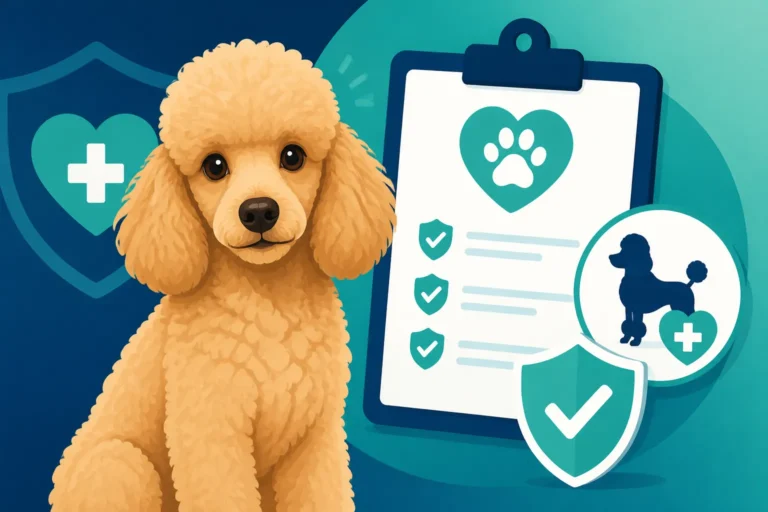
Whether Testing Justifies a Poodle’s Price
It’s a common moment for prospective Poodle owners: you’re eagerly browsing breeders, falling in love with those intelligent eyes and fluffy faces, only to see a price tag that makes your jaw drop. You might wonder if those hefty prices for a well-bred Poodle puppy are truly justified, especially when you see other puppies advertised for significantly less. This guide is here to shed light on why health testing is a critical, often underestimated, factor in a Poodle’s price, and how it can save you heartache and significant expense down the line.
The Sticker Shock: Why Healthy Poodle Puppies Command a Higher Price
When you first start looking for a Poodle puppy, it's easy to get caught up in the excitement and perhaps a little dismayed by the wide range of prices out there. One breeder might be asking several thousand dollars, while another, seemingly just as sweet, offers puppies for half that. The immediate temptation, of course, is to go for the more affordable option. After all, a puppy is a puppy, right? Unfortunately, this is where many people fall into a trap that can lead to immense emotional and financial strain later on.
The difference in price often boils down to the breeder’s practices, and a huge part of that is health testing. A reputable breeder isn't just breeding two Poodles together; they are meticulously planning litters, investing time, money, and expertise into ensuring the healthiest possible offspring. This isn't a casual endeavor, and the costs associated with it are substantial. These expenses include not just the stud fees and care for the mother, but extensive veterinary checks and genetic screenings that are designed to minimize the risk of inherited diseases. When you see a higher price for a Poodle, you're not just paying for a puppy; you're investing in the extensive due diligence that went into its lineage, which aims to provide you with a healthy companion for many years to come. This upfront cost can feel steep, but it often pales in comparison to the potential veterinary bills associated with preventable genetic conditions.
Decoding Poodle Health Testing: What Goes Into a Clean Bill of Health
So, what exactly does "health testing" mean, and why is it so crucial for Poodles? Poodles, like all purebreds, are prone to certain genetic conditions. Reputable breeders are keenly aware of these predispositions and actively work to screen their breeding stock to avoid passing these issues down to puppies. This process involves a comprehensive battery of tests that go far beyond a simple vet check-up. We're talking about specialized screenings for conditions that can be devastating.
For instance, Poodles are known to be susceptible to hip dysplasia, especially Standard Poodles, and luxating patellas (slipping kneecaps) in the smaller varieties. Breeders will have their dogs evaluated by organizations like the Orthopedic Foundation for Animals (OFA) or through PennHIP evaluations to assess hip and elbow joint health. This isn't a quick X-ray; it involves sedation, specific positioning, and review by certified veterinary radiologists. For Miniature and Toy Poodles, screening for Luxating Patella in Toy and Miniature Poodles is paramount. Another significant concern, particularly for Standard Poodles, is Addison's Disease, often called "the great imitator" because its symptoms can mimic so many other ailments. Thorough breeders will conduct specialized blood tests to screen for this and other endocrine issues like thyroid disease. You can learn more about What a Poodle Breeder Must Test For to understand the full scope.
Eye health is another major area of focus. Poodles can be affected by various eye conditions, including Progressive Retinal Atrophy (PRA) which can lead to blindness. Breeding dogs should have their eyes examined annually by a board-certified veterinary ophthalmologist. This ensures that their eyes are clear of genetic eye diseases that might not manifest until later in life. Furthermore, DNA tests are now available for many specific genetic mutations, such as Von Willebrand Disease (a bleeding disorder) and some forms of PRA. These genetic panels offer breeders invaluable insight into their dogs' genetic makeup, allowing them to make informed decisions to produce healthy puppies. These tests are not inexpensive; each one adds to the breeder's overhead, which is ultimately reflected in the puppy's price. However, these are the investments that lay the foundation for a healthy, happy Poodle.
The Long-Term Value: How Testing Pays Off for Owners
While the initial price of a health-tested Poodle might feel like a splurge, it's truly an investment in your future and your Poodle's well-being. Think of it as a form of preventive care. The peace of mind that comes from knowing your puppy’s parents were screened for common, debilitating, and expensive genetic conditions is immeasurable. The alternative, unfortunately, can be a heartbreaking and costly journey.
Consider conditions like Bloat and the Deep Standard Poodle Chest, or Addison's Disease in Standard Poodles. Both can be life-threatening and require emergency intervention or lifelong medication. Emergency bloat surgery, for example, can run into thousands of dollars, easily eclipsing the difference in price between a "cheap" puppy and a health-tested one. Likewise, managing a dog with Addison's disease involves ongoing medication and regular vet visits, which accumulate over the Poodle’s Poodle Lifespan Across the Three Sizes. When breeders test for these predispositions, they are working to reduce the likelihood of such tragedies for you and your Poodle.
Here's a simplified look at how potential treatment costs compare to the investment in health testing:
| Condition Screened For | Standard Test Cost (Breeder) | Potential Treatment Cost (Owner) | Impact of Prevention |
|---|---|---|---|
| Hip Dysplasia (OFA) | $200 – $500 (per dog) | $4,000 – $8,000 (per hip for surgery) | Avoids major surgery, chronic pain, and mobility issues. |
| Eye Certification (OFA/CERF) | $50 – $100 (annual per dog) | $2,000 – $4,000 (cataract surgery), $500+ (managing blindness) | Preserves vision, prevents future surgery or special care needs. |
| Addison's Disease | $150 – $300 (per dog) | $100 – $300 (monthly medication), $1,000+ (crisis management) | Avoids lifelong medication, emergency hospitalizations, and the stress of a chronic illness. |
| Luxating Patella | $50 – $150 (vet exam) | $1,500 – $3,000 (per knee for surgery) | Prevents lameness, pain, and surgical intervention, especially in Toy Poodles. |
| Von Willebrand Disease | $50 – $150 (DNA test) | $500 – $2,000 (emergency bleeding, transfusions) | Prevents severe bleeding episodes, especially during surgeries. |
Costs are estimates and can vary widely based on location and specific vet practices.
This table illustrates a powerful truth: investing a few hundred dollars on the breeder's side to ensure healthy parentage can potentially save you thousands in future veterinary expenses. Many Poodle owners quickly realize that the seemingly expensive puppy from a reputable breeder is actually the more economical choice in the long run. Even with the best testing, no guarantee is absolute, but you stack the odds heavily in your favor. This is also why many savvy Poodle owners opt for pet insurance, even for well-bred dogs. Services like Healthy Paws can provide a crucial financial safety net for unexpected illnesses or accidents, adding another layer of protection to your investment in a healthy Poodle.
Consider that a Poodle's grooming needs alone, as detailed in "What Grooming Adds to a Poodle's Lifetime Cost," are a significant ongoing expense. Imagine adding recurring medication or surgery costs on top of that. The initial investment in a health-tested Poodle mitigates many of these worries, allowing you to focus on the joys of companionship, rather than the stress of managing chronic illness.
Beyond the Price Tag: The Ethical Imperative of Responsible Breeding
Ultimately, the price of a Poodle puppy from a health-tested line is a reflection of responsible and ethical breeding practices. It's not just about avoiding future costs; it's about valuing the welfare of the animals. Breeders who commit to extensive health testing are demonstrating a profound dedication to the breed and to the individual puppies they bring into the world. They understand that every dog they produce has the potential to live a long, healthy life, or to suffer from debilitating conditions that could have been prevented.
These breeders invest countless hours in studying pedigrees, attending educational seminars, and maintaining meticulous records. They often compete in conformation or performance events to prove their dogs' adherence to breed standards and sound structure, which often correlates with better health. This isn't a quick buck operation; it's a passion and a commitment. Choosing to support such a breeder means you are part of a cycle that prioritizes canine health and longevity. It means you are contributing to the betterment of the Poodle breed, rather than inadvertently supporting practices that could perpetuate genetic problems.
For instance, understanding specific genetic panels, as discussed in "Genetic Panels for the Three Poodle Sizes," allows a breeder to make informed decisions about pairings, striving to eliminate or reduce the incidence of inherited diseases in future generations. This diligent approach can make a tangible difference in a Poodle’s life, transforming what could be years of chronic pain or illness into a lifetime of joyful companionship. While you might occasionally find excellent Poodles in rescue situations, "Why a Cheap Poodle Usually Means No Testing" often highlights the unfortunate reality that many lower-priced puppies come from backgrounds where such crucial health considerations are neglected. When you bring home a health-tested Poodle, you’re not just getting a pet; you’re welcoming a carefully considered, thoughtfully raised family member whose future health has been given the best possible start. Products from retailers like Chewy make it easy to source high-quality foods and supplements, and meal services like Ollie can help you maintain optimal nutrition, further supporting the long-term health that responsible breeding aims to provide.
Disclaimer
This article provides general information and is not a substitute for professional veterinary advice. Always consult with a qualified veterinarian for any health concerns or before making decisions about your Poodle's care.